Otter Slough Conservation Area
Trying to find a truly unique hunting experience in Missouri can feel like searching for a needle in a haystack, especially when you're craving something beyond the typical hardwoods or crop fields. Many of us get stuck in a rut, hunting the same familiar spots, but Missouri holds hidden gems that offer incredible, albeit challenging, opportunities. This guide is all about one such special place: Otter Slough Conservation Area. We'll dive deep into what makes this Bootheel wetland a prime hunting destination, how to navigate its particular rules, and what you need to know to make your trip a success.
Understanding Otter Slough: A Gem of the Missouri Bootheel
Otter Slough Conservation Area isn't just another patch of public land; it's a distinct ecosystem nestled deep in Missouri's Bootheel, primarily within Stoddard County. When you think of Missouri hunting, you might picture rolling Ozark hills or vast northern farmlands, but the Bootheel offers a completely different flavor, a remnant of what this region once was. It’s a place where time slows down, and the ancient rhythm of water and woods dictates everything.
A Unique Habitat in Southeast Missouri
What truly sets Otter Slough apart is its unique habitat. We're talking about old oxbow lakes, remnants of ancient river channels, now filled with cypress and tupelo trees that stand sentry over dark, slow-moving water. These aren't just pretty trees; they create an incredible canopy, a "green timber" environment that, when flooded, becomes a magnet for migrating waterfowl. Interspersed with these sloughs are tracts of bottomland hardwoods – oak, pecan, and various other water-loving trees – alongside managed wetland pools. These pools are meticulously controlled by the Missouri Department of Conservation (MDC), ensuring optimal conditions for ducks, geese, and other migratory birds.
The frustration for many hunters is finding diverse habitat that truly holds game, and Otter Slough delivers. It’s a complete package for those willing to learn its intricacies. While primarily renowned for its exceptional waterfowl hunting, these rich, water-dependent habitats also support thriving populations of white-tailed deer, wild turkeys, and various small game species like squirrels and rabbits. The sheer diversity is a draw, offering something for almost every hunter, even if the primary focus often leans towards the waterfowl experience. This landscape, with its unique blend of flooded timber, managed pools, and timbered uplands, means you're not just hunting a species; you're immersing yourself in a specific, rich environment that demands respect and a particular set of skills.
The Conservation Area's Mission and Management
The Missouri Department of Conservation's dedication to Otter Slough is palpable, and understanding their mission here is key to appreciating the hunting opportunities. The area is managed with a primary focus on providing critical habitat for migratory birds, particularly waterfowl, along the Mississippi Flyway. This isn't a casual endeavor; it involves sophisticated water level manipulation, food plot management, and carefully regulated public access to ensure sustainability and quality hunting experiences. The MDC staff works tirelessly to replicate and enhance the natural processes that historically made this region a waterfowl paradise.
This proactive management isn't just for the birds; it directly benefits hunters. By creating diverse moist-soil units, cornfields, and flooded timber, MDC provides a buffet for ducks and geese, drawing them in and holding them throughout the season. They're trying to manage the area for both wildlife and people, which is a delicate balance. It means sometimes conditions might seem less than ideal for hunting, but it's often for the long-term health of the ecosystem. For instance, water levels might be held back or released based on migration patterns, food availability, or even local rainfall, which can make or break a hunt. It requires hunters to stay informed and adapt, but the payoff can be incredible. This commitment to habitat management makes Otter Slough a reliable destination for waterfowl enthusiasts who know how to read the landscape and the birds.
Navigating Waterfowl Hunting at Otter Slough
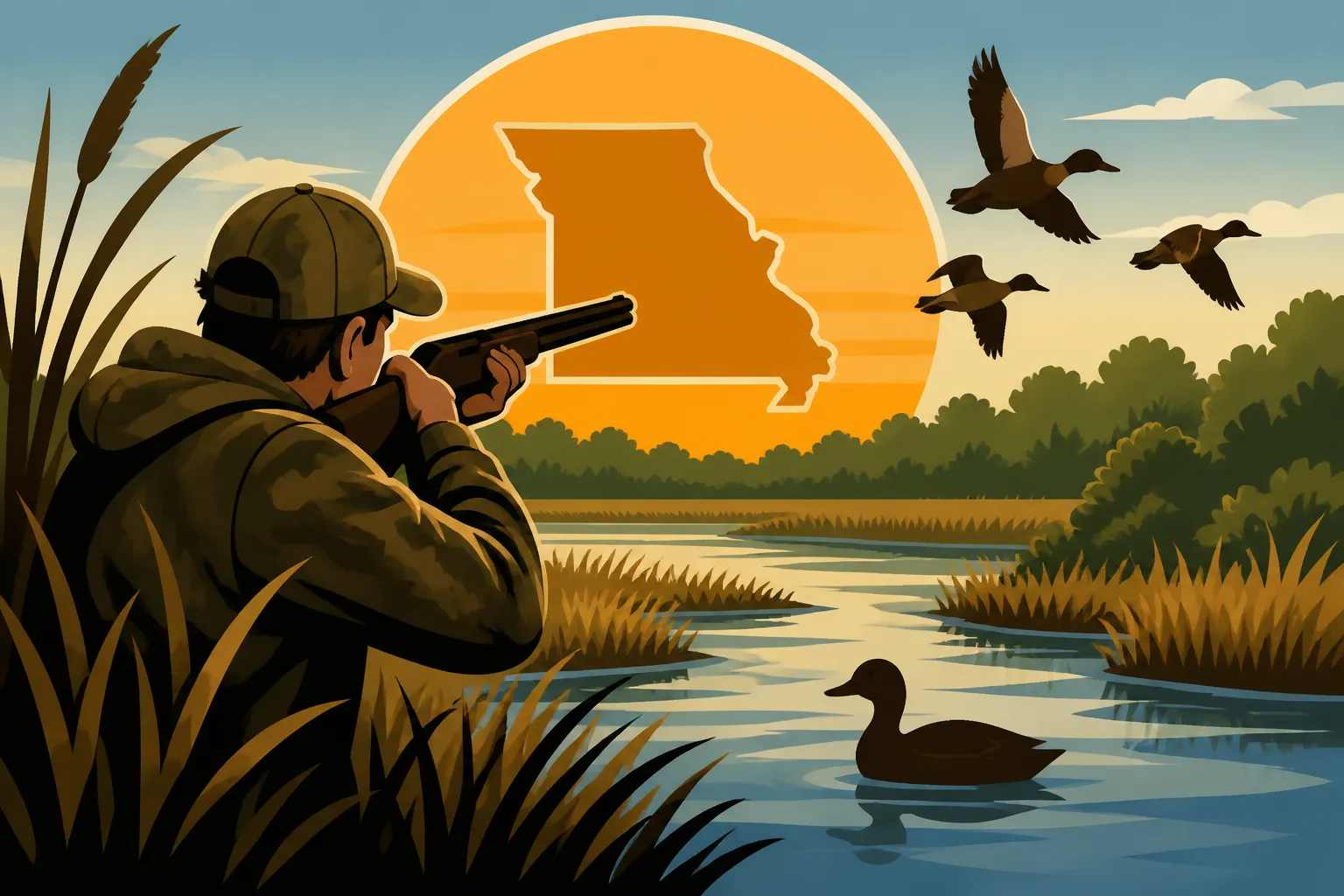
Waterfowl hunting at Otter Slough is a special kind of challenge and reward. It's not a place you just show up to with your shotgun and decoys. There's a system, a dance, that every hunter needs to learn. If you've ever felt overwhelmed by the bureaucracy of public land hunting, you're not alone. Otter Slough has its own particular rhythm, but once you understand it, it becomes part of the adventure.
The Draw System and Daily Operations
The cornerstone of waterfowl hunting at Otter Slough, like many managed wetlands in Missouri, is the daily draw system. This system is designed to fairly distribute access to prime hunting locations and prevent overcrowding, though it can certainly test your patience. You’ll need to arrive well before legal shooting hours, often in the pre-dawn darkness, to register for the drawing. This usually takes place at a designated check station or office on the area. Parties of hunters gather, numbers are assigned, and then, typically via a random draw, hunting locations (often blinds or specific zones) are allocated.
The lottery aspect of the draw can be both exhilarating and incredibly frustrating. Drawing a low number can mean a choice spot in flooded timber where the ducks are raining in. A high number, however, might leave you with a less desirable location, or even no spot at all on busy days, forcing you to consider other options like walk-in zones or even head home. It's a gamble every morning, and many hunters have experienced the sting of a bad draw after a long drive. Understanding the optimal party size—which is usually limited to a certain number of hunters per blind or zone—is also crucial for maximizing your chances. The best advice is to arrive early, even earlier than you think you need to, especially during peak migration or on weekends. This gives you time to register, socialize a bit, and mentally prepare for whatever the draw throws at you. For a deeper dive into how these systems operate, check out Missouri Managed Wetland Draw System.
Hunting Blinds, Zones, and Restrictions
Once you've navigated the draw, you'll be assigned either a specific blind or directed to a walk-in hunting zone. The blinds at Otter Slough are typically permanent or semi-permanent structures designed to offer concealment, often positioned in prime locations within the managed pools or flooded timber. These blinds usually have capacity limits, and hunters are expected to stick to their assigned spot. Walk-in zones offer more flexibility but often require more effort to access, potentially involving longer hikes or the use of small boats or kayaks to get into desired spots.
A critical restriction across Otter Slough and all Missouri wetlands is the nontoxic shot rule. This means lead shot is absolutely prohibited for waterfowl hunting. Many a hunt has been cut short because a hunter forgot to swap out their shells! You’ll want to have steel, bismuth, or other approved nontoxic alternatives on hand. Other rules include specific shooting hours, which are typically from one-half hour before sunrise until sunset, and often restrictions on the number of decoys you can deploy. Always consult the specific area brochure for Otter Slough (available on the MDC website or at the area office) before your hunt, as rules can change. For more details on the shot requirement, see Nontoxic Shot Rules on Missouri Wetlands. Keeping track of bag limits is also paramount; always know your Missouri Duck Daily Bag Limit before heading out.
Strategies for Success in the Slough
Hunting Otter Slough effectively requires more than just showing up; it demands strategy and adaptability. If you're assigned a flooded timber hole, your decoy spread will look very different from an open water setup. In timber, fewer decoys placed strategically to simulate a landing zone often work best. Ducks in the timber are looking for quiet, sheltered pockets, not vast spreads. For calling, softer, more realistic timber calls are often more effective than aggressive open-water calling. Ducks are already there, or looking to get there, and don't need to be yelled at. Think clucks, feeding chuckles, and soft quacks. For more on this, consider Calling Ducks in Tight Timber Holes.
Water levels are a huge factor at Otter Slough. A subtle change can shift where ducks want to be, so paying attention to recent rainfall and MDC water management updates is key. Even though formal scouting can be limited on managed areas, observing bird activity from public roads or designated observation decks (if available) before the draw can give you a vital edge. Pay attention to how the birds are flying, where they're landing, and what kind of cover they prefer on a given day. And don't forget the importance of motion; a jerk rig or even a simple spinner can add lifelike action to your spread, especially when you are limited on numbers of decoys. For ideas on decoy placement in these unique spots, check out Decoy Numbers for Green Timber.
Beyond Ducks: Other Hunting Opportunities
While Otter Slough is widely celebrated as a premier waterfowl destination, it's a mistake to think of it as a single-species area. The diverse habitats that make it so appealing to ducks also provide excellent opportunities for other game. Hunters often overlook these possibilities, thinking only of ducks and geese, but there's a richness to the area that extends far beyond the wetland pools.
Deer Hunting in the Bottomland
The bottomland hardwoods surrounding Otter Slough's core wetland units offer surprisingly good deer hunting. These areas are characterized by mature timber, often with dense undergrowth and plenty of mast-producing trees like oaks and pecans. Deer thrive in these environments, finding ample food, water, and cover. The challenge, however, is adapting your deer hunting tactics to a wetland-influenced landscape.
Still-hunting can be incredibly effective here, slowly slipping through the timber, using the natural contours and cover to your advantage. Ground blinds, either natural or pop-up, can also be strategically placed near known travel corridors, edges of wetland units, or along old logging roads. The key difference from, say, hunting the Ozarks, is the often-wet terrain and the potential for standing water. Scent control is even more critical in humid, damp conditions, and rubber boots or waders become essential. You'll also need to consider hunter pressure, especially during the firearms portions, as deer may become more nocturnal or shift their patterns to thicker cover. While the terrain is flatter than the Ozarks, the thickets and water can make tracking a challenge. For insights into reading deer movement, even if the terrain is different, you might find some crossover tips in Reading an Ozark Hollow for Deer Movement.
Small Game and Turkey Hunting
For those who enjoy pursuing smaller quarry, Otter Slough offers good opportunities for squirrel and rabbit hunting in its timbered and brushy areas. The mix of mature oaks, hickories, and dense undergrowth provides ideal habitat for both species. Squirrel hunting in the fall, especially when the mast crops are abundant, can be a productive and enjoyable way to spend a morning. Listen for the tell-tale cutting of nuts or the chatter of a fox squirrel high in an old oak. Rabbits tend to hug the brushy edges, fencerows, and briar patches that often border the larger timber blocks. These hunts can be a great way to introduce new hunters to the field or simply enjoy a more relaxed outing. For detailed strategies on these classic pursuits, refer to Squirrel and Rabbit Hunting in Missouri.
Wild turkeys, while perhaps not the primary draw, are also present at Otter Slough. The mixed timber and agricultural fields provide excellent roosting, foraging, and nesting habitat. Hunters willing to put in the effort can find success, especially in the spring. Turkey hunting here often involves traditional calling and sneaking tactics, focusing on timbered ridges and edges where gobblers might strut. Fall turkey hunting can also be productive, with opportunities to bust flocks and call birds back in. Don't let the area's waterfowl reputation deter you from exploring its turkey potential. For specific advice on fall turkey hunting, which often requires a different approach than spring, check out Fall Turkey Hunting Tactics. Just remember to always check area-specific regulations, as some areas may have unique rules regarding turkey hunting seasons or methods to avoid conflicts with other activities.
Essential Preparation and Respecting the Area
Hunting Otter Slough Conservation Area, like any public land, requires thorough preparation and a strong sense of responsibility. You're not just a hunter; you're a steward of a precious resource. Cutting corners on your homework or gear can lead to a frustrating, uncomfortable, or even unsafe experience.
Maps, Scouting, and Information
One of the biggest frustrations for hunters, especially on unfamiliar public land, is simply not knowing where to go or what the exact rules are. The Missouri Conservation Atlas, whether in print or digital form, is your best friend. It provides detailed maps of all MDC areas, including Otter Slough, showing boundaries, access points, and often habitat types. You can gain valuable insights into the area's layout, potential travel routes, and even identify specific features that might hold game. The Missouri Conservation Atlas is an indispensable tool for pre-hunt scouting.
Beyond static maps, modern mapping applications like onX Hunt and GoHunt are invaluable. These apps layer satellite imagery with property boundaries, showing you exactly where you are in relation to public and private land. This is critical in areas like Otter Slough, where private land can abut the conservation area. You can identify water features, timber blocks, and access roads with incredible precision. Don't forget to download offline maps, as cell service can be spotty in remote parts of the Bootheel. Additionally, always check the official MDC website for Otter Slough's specific area brochure. These brochures contain the most up-to-date regulations, season dates, and any unique rules for that particular area. A quick read can save you a lot of headache and ensure you're hunting legally and ethically.
Gear Considerations for Wetland Environments
Hunting in a wetland environment like Otter Slough demands specialized gear, especially if you're pursuing waterfowl. If you've ever spent a cold November morning with wet feet, you know the importance of good footwear. Waders are an absolute must for waterfowl hunting here, allowing you to traverse shallow water, set decoys, and retrieve birds without getting soaked. Choosing between neoprene and breathable waders depends on the temperature and how much walking you anticipate, but either way, invest in quality. For more on selecting the right waders, take a look at Waders for Missouri Flooded Timber.
Beyond waders, consider waterproof and windproof outer layers. Even on "warm" days, sitting still in a blind can get surprisingly chilly, especially when factoring in the dampness and wind. Layering is key. Don't forget ample bug spray, particularly during the early archery or teal seasons, as mosquitoes can be relentless. If you plan to access more remote walk-in areas, a small, quiet boat or kayak can be incredibly beneficial. Pack a dry bag for your electronics, extra calls, and snacks. And always, always carry a headlamp with fresh batteries for those pre-dawn walks and post-hunt retrieves.
Conservation and Courtesy
Finally, remember that Otter Slough is a shared resource. Practice leave no trace principles: pack out everything you pack in, and perhaps even a little extra trash you might find. This includes spent shotgun shells, food wrappers, and any other litter. Respecting the environment means leaving it better than you found it for both wildlife and future hunters.
Courtesy towards other hunters is equally important. When participating in the draw system, be respectful of others, maintain quiet in the pre-dawn hours, and understand that everyone is there for the same experience. If you're assigned a blind or a zone, stick to it. Don't encroach on another hunter's space, and avoid sky-busting or shooting at birds far out of range that might be working towards another hunter. The camaraderie of the duck blind is a cherished tradition, and upholding it means being a good neighbor in the field. By being well-prepared, informed, and courteous, you contribute to a positive experience for everyone and help ensure that Otter Slough remains a fantastic hunting destination for years to come.
Disclaimer
This article is for general informational purposes only and does not constitute professional advice. Laws, prices and regulations vary by location and change over time. Consult a qualified professional for guidance on your specific situation.