Ten Mile Pond Conservation Area
It can be incredibly daunting trying to figure out the ins and outs of specific public hunting areas in Missouri, especially when you're targeting a highly sought-after spot like Ten Mile Pond Conservation Area. Many hunters arrive feeling lost, confused by the draw system, and unsure of the best tactics for success on such a unique, managed landscape. This guide will walk you through everything you need to know about hunting Ten Mile Pond Conservation Area, offering insights into its unique features, hunting opportunities, and crucial preparation tips to make your trip as smooth and productive as possible.
Understanding Ten Mile Pond Conservation Area
Ten Mile Pond Conservation Area, nestled in the Bootheel of southeast Missouri, is a true gem for waterfowl hunters, but it's also a deeply managed landscape with its own set of challenges. Unlike some of the more rugged, timbered public lands, Ten Mile Pond is primarily designed and managed for migratory birds, meaning its features and rules are very specific to that purpose.
Location and Unique Habitat Features
Ten Mile Pond is situated in Mississippi County, a part of Missouri known for its rich agricultural history and, historically, vast wetlands. The area itself comprises thousands of acres of diverse habitat, but it's most famous for its intricate system of managed wetlands. This isn't just one big pond; it's a mosaic of moist-soil units, shallow water pools, and even some flooded timber that mimics natural bottomland areas. You'll find agricultural fields, typically planted in corn or beans, which are critical food sources for migrating ducks and geese. These fields are often flooded seasonally to create prime feeding and resting areas. Deep ditches and canals run throughout the property, serving as vital water delivery systems and, sometimes, overlooked travel corridors for game. The whole setup is a testament to intensive wildlife management, focused on providing optimum habitat for waterfowl.
Understanding this landscape is key. It's not a place you just show up and wander; it's a system. The ability to manage water levels across different units allows the Missouri Department of Conservation (MDC) to create ideal conditions, attracting thousands of ducks and geese throughout the season. Hunters who take the time to study these different habitat types – from the standing corn that might hold geese to the shallow pools that attract dabblers – will have a significant advantage. This intense management effort is part of what makes Missouri Waterfowl Seasons and Duck Zones such a dynamic experience.
General Rules and Area-Specific Regulations
Hunting on a managed area like Ten Mile Pond means you'll encounter specific rules that might differ from general statewide regulations or what you're used to on unmanaged public lands. First and foremost, a valid hunting permit and a Missouri Migratory Bird Hunting Permit, along with a Federal Duck Stamp, are essential. You'll also need to be HIP (Harvest Information Program) registered. These are standard for migratory bird hunting, but it's always good to double-check.
One of the most critical rules to remember for Ten Mile Pond, and indeed for any managed wetland in Missouri, is the requirement for nontoxic shot. Lead shot is strictly prohibited for waterfowl hunting on all conservation areas and federal refuges. This isn't just a suggestion; it's a hard rule designed to protect the environment and the birds themselves. Make sure your shotgun is loaded with steel, bismuth, or another approved nontoxic alternative. This detail alone can derail a hunt if you show up unprepared. Furthermore, specific shooting hours apply to waterfowl, typically from one-half hour before sunrise until sunset, but always confirm current regulations as they can sometimes be modified for managed areas. It’s important to familiarize yourself with Nontoxic Shot Rules on Missouri Wetlands before heading out.
Hunting Opportunities and Key Species
While Ten Mile Pond is synonymous with waterfowl, it offers a variety of hunting experiences throughout the year, catering to different interests and seasons. Knowing what's available and when is crucial for planning your trips.
Waterfowl Hunting at Ten Mile Pond
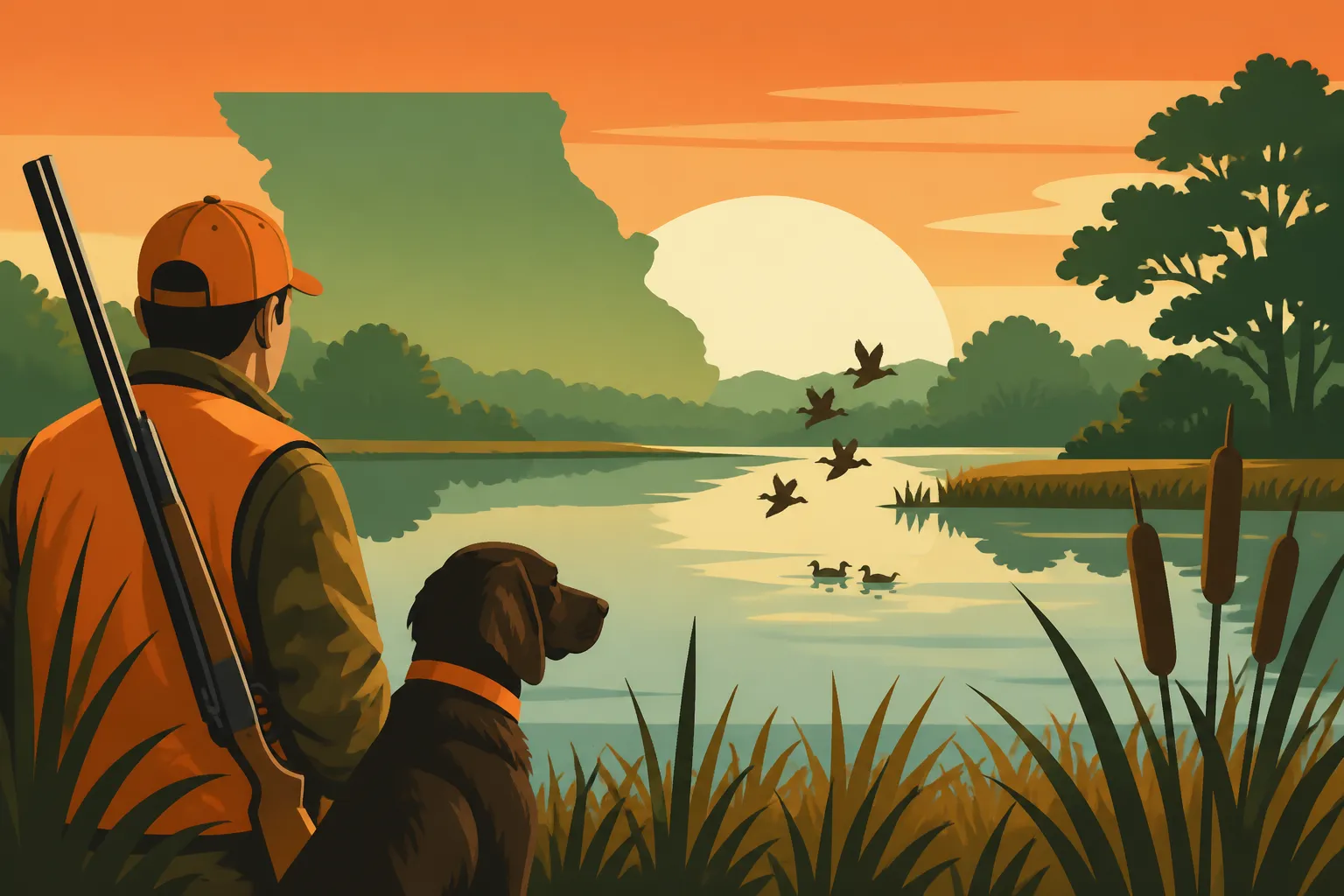
This is truly where Ten Mile Pond shines. The area is a magnet for migratory ducks and geese, especially during the peak fall and winter migration. You can expect to encounter a wide variety of ducks, including mallards, pintails, gadwalls, teal, and wood ducks, among others. Canada geese are also a common sight, and occasionally, snow geese will pass through in significant numbers. The managed water levels and readily available food sources create an irresistible stopover point on the Mississippi Flyway.
The challenge, and the draw, is the managed hunt system. Unlike open public land, access to the best hunting spots at Ten Mile Pond is regulated through a draw system. This means competition can be stiff, particularly on weekends and during prime migration periods. Hunters hoping for a good spot need to understand how Missouri Managed Wetland Draw System operates, which we'll delve into in the next section. Success here often comes down to scouting, understanding decoy spreads, and effective calling, especially Duck Calling in Timber Versus Open Water. The sheer volume of birds can be impressive, but so can the number of hunters, making stealth and smart setups paramount. For those focused on a quality duck hunting experience, studying detailed maps—perhaps using a tool like onX Hunt to visualize water features and blind locations—is invaluable.
Small Game and Deer Hunting
While waterfowl is the main event, Ten Mile Pond also offers opportunities for other types of hunting, though perhaps on a smaller scale. Rabbit and squirrel hunting can be productive in the timbered edges and brushy areas around the wetland units, especially outside the core waterfowl zones. These populations benefit from the rich agricultural setting and the cover provided by ditches and unflooded timber. Check the area-specific regulations for small game seasons, as access might be restricted in certain units during waterfowl season to avoid conflicts.
Deer hunting is also permitted, primarily during the archery and firearms portions of the season. Given the agricultural fields and timber patches, deer certainly utilize the area. However, it's important to recognize that the primary management objective is waterfowl, so deer hunting might not offer the same trophy potential or consistent success as areas specifically managed for deer. For deer hunters, focus on the timbered fringes and areas where crop fields meet natural cover. Access can be challenging during the peak waterfowl season due to hunter traffic and restricted entry, so careful planning is necessary. Always consult the current area brochure for specific rules on deer hunting, including weapon restrictions or special hunt dates.
Navigating the Managed Hunt System
Hunting a world-class waterfowl area like Ten Mile Pond often means navigating a carefully controlled access system. This isn't your average walk-in public land; it's a managed hunt, and understanding the process is critical to even getting a chance to hunt.
The Draw System: Applications, Morning Draws, and Walk-Ins
Missouri's managed wetlands, including Ten Mile Pond, typically operate using a combination of pre-season permit applications, daily morning drawings, and sometimes walk-in opportunities. The most sought-after spots often go through a lottery system before the season even begins. Hunters apply for specific dates and areas, hoping their number gets drawn. If you're fortunate enough to secure a reservation, you'll have guaranteed access to a designated hunting unit or blind for your chosen day. These pre-season draws are highly competitive, so it's wise to apply for multiple dates if your schedule allows.
For hunters who don't get a reservation, or who prefer to be more spontaneous, the daily morning draw is the next option. Hunters gather well before legal shooting hours at the area headquarters. Names are drawn, and those with good draw numbers get to select from the remaining open hunting units or blinds. This system can be a real gamble; a high draw number might mean you're picking from less desirable spots, or you might not get a spot at all on crowded days. Being present, prepared, and early is your best bet for the morning draw. Some units might be designated as walk-in, meaning they don't require a draw but are first-come, first-served or have limited entry based on capacity. This system for Managed Hunt Draws on Missouri Wetlands is designed to distribute hunting pressure and provide a fair chance for all.
Reservation Versus Walk-In: Strategies for Each
If you've managed to secure a reservation for Ten Mile Pond, congratulations! Your strategy shifts from simply getting in to making the most of your designated spot. With a reservation, you know your general hunting area in advance, allowing for more specific pre-hunt scouting. Use online mapping tools like onX Hunt to study your unit. Look for potential hidey-holes, open water, areas of thicker cover, and likely flight paths. Your focus should be on Decoy Placement for Pressured Birds within your unit and perfecting your calling to attract birds to your specific location. Arrive early to set up your spread and blind without rushing, and be mindful of your entry and exit routes to avoid spooking birds for yourself or neighboring hunters.
For those relying on the morning draw, a different strategy is needed. Your focus begins with understanding What Happens at a Wetland Morning Drawing. Arrive very early to ensure you're in line and increase your chances of a decent draw number. Have a few backup plans in mind; if your first choice unit is gone, what's your second? Your third? Look at the available units on the map they provide and make quick decisions based on current conditions – where is the wind coming from? Where did birds roost last night? Having a portable blind or good natural camouflage is often better for a draw hunt, as you might end up in a unit without a permanent blind. Don't be discouraged by a poor line number; sometimes, less popular units can still offer great hunting if you're willing to work for it, perhaps by focusing on Jump Shooting Small Creeks or lesser-used corners.
Understanding Pool and Blind Assignments
Once you're through the draw and have your assignment, whether it's a specific pool, blind, or open hunting unit, it's crucial to understand what that means. Some areas have permanent blinds that hunters rotate through. These are often spaced strategically and provide good concealment. Other assignments might be for an open "pool" or "unit" where you are free to set up your own portable blind or use natural cover.
Knowing the layout of your assigned area, including water depths, vegetation, and proximity to refuge zones, is paramount. Many managed areas have designated refuge or rest areas where hunting is strictly prohibited. These act as sanctuaries for birds and contribute to the overall success of the area by holding birds on the property. Always respect these boundaries, not only for legal reasons but also to maintain the integrity of the managed hunt system. On a managed wetland, adapting to your assigned area, whether it's Flooded Timber Duck Hunting in Missouri or open water, is a skill that comes with experience and preparation.
Practical Tips for a Successful Hunt at Ten Mile Pond
Hunting Ten Mile Pond is an experience that combines the thrill of waterfowl hunting with the unique challenges of a highly managed system. Being prepared, both physically and mentally, is key to success.
Essential Gear and Equipment
When planning your trip to Ten Mile Pond, your gear list will look a bit different than for a typical deer hunt in the Ozarks.
- Waders: Absolutely non-negotiable. Waders for Missouri Flooded Timber are a must, as you'll likely be wading through varying depths of water to access blinds, set decoys, and retrieve birds. Choose comfortable, durable waders that fit well and are appropriate for the expected temperatures.
- Decoys: A good spread of decoys, including mallards, pintails, and maybe a few geese, is essential. Motion decoys, such as spinning-wing or jerk-rigs, can also be very effective, especially on calm days. Consider Decoy Numbers for Green Timber versus open water, as smaller, more realistic spreads often work better in timber.
- Blind: Depending on your assigned unit, you might have access to a permanent blind. If not, a portable blind, like a layout blind or a boat blind, is crucial for concealment. Even if there's a permanent blind, bringing extra camo netting or natural vegetation to brush it in further is always a good idea to ensure you remain hidden.
- Calls: A good duck call is indispensable. Depending on the conditions and the type of cover, you might want a call suited for close-in timber work or one with a bit more volume for open water. Duck Calls for Missouri Flooded Timber often have a softer, more nasally tone. Don't forget a goose call if you plan on targeting them.
- Nontoxic Shot: As mentioned, this is mandatory. Stock up on steel, bismuth, or tungsten loads well before the season. Check your gun's choke restrictions for nontoxic shot to avoid damage.
- Navigation Tools: A reliable GPS or a mapping app like onX Hunt is invaluable. The complex grid of ditches, pools, and fields can be disorienting in the pre-dawn darkness, and an app can help you pinpoint your exact location, your assigned blind, and the boundaries of refuge areas. This helps you hunt confidently and legally.
Scouting and Pre-Hunt Preparation
Effective scouting for Ten Mile Pond looks a bit different than for a deer hunt. Since access to hunting units is restricted, you can't just walk in and scout prior to your hunt day. Instead, your scouting will involve:
- Online Research: Thoroughly review the Ten Mile Pond Conservation Area brochure on the MDC website. This will have critical information about boundaries, access points, specific rules, and often maps of the hunting units.
- Aerial Imagery: Use mapping applications, like onX Hunt, to study aerial photos of the area. Look for patterns in water distribution, areas of thick timber versus open water, and potential travel corridors for birds. Pay attention to how water levels might affect access and bird movement.
- Observational Scouting: If possible, drive the perimeter roads of the area on days leading up to your hunt. Watch where birds are flying, feeding, and resting. Note wind direction and how it influences bird movement. You can often get a good idea of concentrations without ever stepping foot into a hunting unit. This type of observational work, especially if you have a reservation for a specific unit, can tell you a lot about current conditions and potential hotspots. Always pay attention to Reading Water Levels on a Wetland if visible.
- Talking to Locals: Conservation area staff are an excellent resource. They often have real-time information on bird numbers, water levels, and what areas have been producing. Other hunters, encountered at gas stations or local eateries, might also share useful insights, though take every tip with a grain of salt.
Etiquette, Safety, and Legal Responsibilities
Hunting in a managed public area with other hunters nearby demands a high level of etiquette and safety.
- Respect Other Hunters: Noise, flashing lights, and unnecessary movement can ruin a hunt for everyone. Be mindful of your presence, especially during entry and exit in the pre-dawn or post-sunset hours. If you're near another blind, communicate if necessary, but generally try to be as quiet and unobtrusive as possible.
- Check-In/Check-Out Procedures: Managed areas almost always have a mandatory check-in and check-out process. This is vital for data collection on harvest numbers and for ensuring all hunters are accounted for. Failure to follow these procedures can result in fines or loss of hunting privileges. Make sure you understand the Missouri Telecheck Deadline for any harvested game.
- Firearms Safety: Always handle your firearm safely, especially in a crowded environment. Be aware of your shooting lanes and what's beyond your target. Remember, you're often in a tight space with other hunters.
- Leave No Trace: Pack out everything you pack in, including spent shotshells, empty food wrappers, and anything else you brought. Managed areas are heavily used, and keeping them clean benefits everyone.
- Know Your Limits: Understand the Missouri Duck Daily Bag Limit and species-specific restrictions. Misidentifying a duck or goose can lead to violations. Take the time to learn your waterfowl identification before the season.
Hunting Ten Mile Pond Conservation Area is an experience that demands preparation, patience, and a deep respect for the resource and fellow hunters. With the right approach, it can be one of the most rewarding waterfowl hunts Missouri has to offer.
Disclaimer
This article is for general informational purposes only and does not constitute professional advice. Laws, prices and regulations vary by location and change over time. Consult a qualified professional for guidance on your specific situation.