Schell-Osage Conservation Area Waterfowl Hunting
Waterfowl hunting at Schell-Osage Conservation Area can feel like navigating a maze, especially with its unique draw system and diverse habitat types. Many hunters find themselves scratching their heads, wondering where to even begin with scouting or how to maximize their chances. This guide aims to demystify the Schell-Osage experience, offering practical advice and breaking down the specifics so you can hit the marsh with confidence.
Understanding the Schell-Osage Waterfowl Draw System
Schell-Osage Conservation Area, located near El Dorado Springs in west-central Missouri, is a highly popular destination for duck and goose hunting, largely due to its carefully managed wetland habitat. However, its popularity also means that access is often controlled through a daily draw system, which can be a real point of anxiety for hunters who aren't familiar with it. It's not like simply showing up and setting up; there's a process involved that you absolutely need to understand before you ever leave your driveway. This system is designed to fairly allocate prime hunting spots and prevent overcrowding, ensuring a quality experience for those who get a spot.
The Daily Morning Drawing
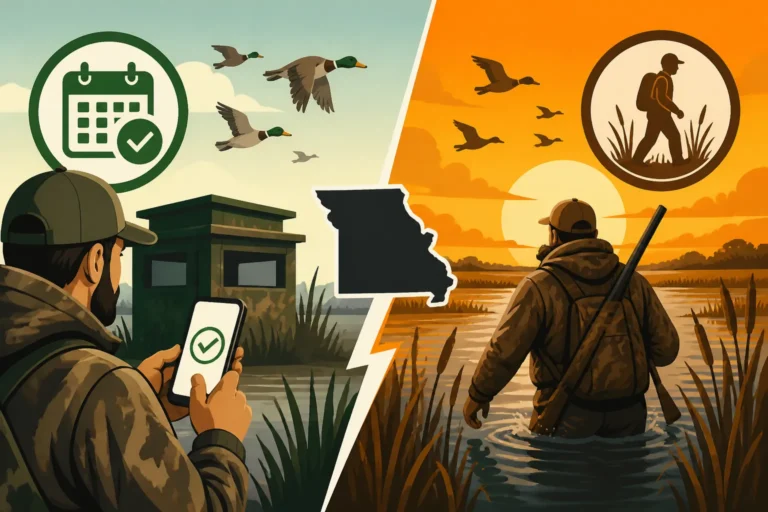
The heart of waterfowl hunting at Schell-Osage revolves around the daily morning drawing. This is where the fate of your hunting day is decided. Hunters gather well before sunrise, often in a designated building or area, to register for the draw. Each party typically receives a number, and then numbers are called out in a random order. When your number is called, your party gets to select one of the available hunting pools or zones. It's a bit like a lottery, and getting a low number can significantly impact your success, as the best spots often go first. Knowing What Happens at a Wetland Morning Drawing can really help calm those pre-dawn nerves. It's important to remember that early arrival doesn't guarantee a better number, but it does ensure you're there for registration and don't miss out entirely.
There are usually two main types of draws: the regular daily drawing and sometimes, specific drawings for special hunt opportunities or areas that aren't available every day. The atmosphere can be intense, with hunters eyeing the map and discussing which pools are "hot." Being prepared with a few backup options in mind is crucial, as your first choice might be gone by the time your number comes up. You'll want to have some knowledge of the entire area, not just one or two favorite spots.
Scouting Before the Season
Effective scouting is paramount for waterfowl hunting anywhere, but it's especially critical at a managed area like Schell-Osage where you might not always get your first-choice spot. You can't just rely on local knowledge from a buddy; you need to put in the time yourself. Even though the area is managed, ducks and geese still follow patterns, using different pools or fields depending on water levels, food availability, and hunting pressure. You'll want to use tools like onX Hunt to study aerial maps, marking potential roosting areas, feeding locations, and travel corridors between different pools or crop fields adjacent to the wetlands. Pay attention to how water is moving and where the natural cover is thickest. Reading Water Levels on a Wetland can provide insights into where birds might concentrate.
Your pre-season scouting should ideally involve several trips, if possible, starting a few weeks before the season opener. Drive around the perimeter, observe from designated viewing areas, and note where birds are loafing or feeding. Are they in the flooded timber sections, or are they out in the open water of the big pools? Are they hitting the standing corn nearby, or preferring the cut bean fields? These observations will inform your choices during the morning draw. Remember, what was good last year might not be good this year, as conditions and bird habits change. Don't be afraid to walk some of the access trails (where permitted) to get a feel for the terrain and identify potential blind locations, even if you can't access the specific hunting pools directly.
Hunting Zones and Specific Tactics at Schell-Osage
Schell-Osage is divided into various pools, units, and habitat types, each offering a slightly different hunting experience and requiring tailored tactics. It's not a one-size-fits-all approach. Understanding these differences and having a strategy for each can significantly boost your success, especially when you're limited to whatever spot the draw system hands you that day. You might draw a classic flooded timber hole one day and an open water agricultural field the next, so versatility is key.
Flooded Timber and Managed Pools
Many hunters dream of hunting ducks in flooded timber, and Schell-Osage offers some fantastic opportunities in its managed pools, like Pool A, often referred to as Schell Lake. These areas typically feature standing timber that has been intentionally flooded, creating ideal habitat for dabbling ducks, especially mallards, wood ducks, and green-winged teal. The key here is blending in. Your blind should be almost invisible, tucked deep into the trees or heavy cover. Decoy spreads in timber tend to be smaller and more natural than in open water. Focus on creating an inviting landing zone within the timber, using just a handful of decoys, often paired with a jerk string to add motion.
Calling in flooded timber is also a different beast. You don't need the loud, aggressive calling you might use in a big open field. Instead, focus on softer, more realistic quacks and subtle hen calls. Think conversational rather than shouting. Ducks often drop quickly into the timber, so be ready for fast, close-range shooting. Duck Calling in Timber Versus Open Water explores these nuances in depth. The concealment provided by the trees means you can often get away with less overall calling, letting the natural environment do most of the work.
Open Water and Agricultural Fields
Other areas at Schell-Osage might consist of larger, open water pools or adjacent agricultural fields that are either flooded or kept dry for field hunting opportunities, particularly for geese. Hunting these areas requires a completely different approach. In open water, larger decoy spreads are often more effective, designed to be seen from a distance. Think big spreads, often including a mix of mallard, pintail, and even diver decoys if the area holds them. Motion decoys, like spinning wing decoys, can be highly effective in these open settings, mimicking birds landing. Layout blinds are your best friend in these open field scenarios.
For geese, especially Canada geese or snow geese, you'll likely be in cut grain fields or green winter wheat. Spreads for geese need to be substantial, often 50-100+ decoys, primarily full-body or shell decoys to mimic a feeding flock. Layout blinds are almost mandatory here, providing excellent concealment in flat fields. Calling for geese is generally louder and more emphatic than for ducks, focused on honks, clucks, and greeting calls to draw their attention from afar. Understanding Setting a Goose Spread in Cut Corn will be critical here. Always be mindful of the wind direction; setting your spread and blinds so birds can land into the wind, naturally, is paramount.
River and Stream Access
Beyond the managed pools, Schell-Osage also includes stretches of the Osage River and various smaller streams. These areas can sometimes offer less pressured hunting, especially if the main pools are crowded or if birds are using the natural river system. This type of hunting is often more run-and-gun or involves setting up on accessible sandbars or river bends. Decoys might be fewer, focused on realistic spread patterns that mimic small groups of birds loafing or feeding along the bank. Small groups of mallard and wood duck decoys are usually sufficient.
Accessing these riverine areas might require a boat or significant walking, so being prepared with the right gear, including quality waders and a comfortable pack, is essential. Waders for Missouri Flooded Timber covers important considerations for staying dry. Hunting along a river requires paying close attention to current, as it can affect decoy placement and how birds approach. Look for sloughs, oxbows, or calm backwaters where birds might seek refuge from the main current. This can be a great option for a more solitary hunt away from the crowds of the managed draw areas, but it also demands more self-reliance and scouting.
| Hunting Zone Type | Primary Species | Decoy Strategy | Calling Strategy | Blind Type |
|---|---|---|---|---|
| Flooded Timber | Mallards, Wood Ducks, Teal | Small, natural spread, jerk strings | Soft, conversational, feeding calls | Natural cover, tree stand, layout blind |
| Open Water Pools | Mallards, Pintails, Divers, Geese | Large, visible spread, motion decoys | Aggressive, loud hails, greeting calls | Layout blinds, pit blinds, boat blinds |
| Agricultural Fields | Geese, Puddle Ducks | Large numbers of full-body/shell decoys | Aggressive goose calls, feeding clucks | Layout blinds, natural field cover |
| River/Stream Access | Mallards, Wood Ducks, Teal | Small, realistic spread along banks | Medium volume, natural quacks | Natural cover, bank blind |
Making the Most of Your Hunt: Practical Tips
Hunting at Schell-Osage, or any public land waterfowl area, often comes down to more than just luck with the draw. It’s about preparation, adaptability, and understanding the nuances of how birds use the landscape. Even with the perfect spot, an unprepared hunter might struggle, while a seasoned veteran can make a less-than-ideal draw productive.
Decoy Spreads and Realistic Motion
One of the biggest factors in consistently attracting ducks and geese is your decoy spread. For the managed pools and flooded timber, keeping it realistic and not overdoing it is key. A simple spread of 6-12 mallard decoys, perhaps with a couple of wood ducks mixed in, can be incredibly effective. Focus on creating an open landing zone where the birds feel comfortable. Using a jerk string to add subtle motion can make a huge difference, making your spread come alive. In more open fields or larger water bodies, you might need to scale up your spread significantly. Decoy Numbers for Green Timber offers some great context for optimizing your setup.
Remember that natural motion is far more effective than static plastic. Consider adding a few feeder butt decoys or those that appear to be dabbling. For goose hunting in fields, movement from flags or even a spinning wing decoy (where legal and appropriate for geese) can draw distant birds. Always set your decoys facing into the prevailing wind, as this is how real birds naturally land. When using layout blinds in fields, ensure your decoys are spread around and even slightly in front of your blinds to draw attention away from your hiding spot.
Calling Strategies and Understanding Bird Behavior
Your calling needs to match the situation. In the early season, or when birds aren't pressured, a simple highball and a few greeting calls might be all you need. As the season progresses and birds become "call-shy," however, you'll need to be much more subtle. Soft clucks, feeding chuckles, and the occasional lonesome hen call can be far more effective than aggressive hail calls. Watch how the birds respond. If they flare, you might be calling too much or too loudly. If they seem interested but not committed, try a conversational series of calls.
Understanding general bird behavior is critical. Ducks often circle an area several times before committing. Don't call continuously; instead, call in short bursts and then observe. Let them work. If they start to turn away, a soft comeback call might turn them around. Geese are often more vocal, but again, listen to their tone. Are they excited, or are they wary? Adjust your calling to match. Your ability to read the birds and adapt your calling, rather than just blasting away, will be a major differentiator between a good day and a quiet one.
Weather, Wind, and Adaptability
Missouri weather can be notoriously unpredictable, especially during waterfowl season. A warm front can shut down migrations, while a cold snap can bring in new birds. Paying attention to forecasts for both your immediate area and regions to the north is crucial. Cloudy, blustery days with strong winds often lead to better hunting, as birds fly lower and are more eager to get out of the weather. On clear, calm days, birds tend to fly higher and be warier. Use platforms like GoHunt to track weather patterns and major fronts that might influence migration.
Wind direction is paramount for setting up. Always try to position yourself so the wind is at your back or quartering, allowing birds to cup their wings and land naturally into the wind directly in front of you. If the wind shifts mid-hunt, be prepared to adjust your decoy spread or even move your blind if possible. Adaptability is key; don't stubbornly stick to a plan if the conditions or bird behavior are telling you something different. Sometimes, moving just a few yards can put you in a completely different flight path.
Essential Gear and Staying Comfortable
Beyond your shotgun and ammunition, certain gear is non-negotiable for a comfortable and successful hunt at Schell-Osage. Quality waterproof waders are a must, whether you're in flooded timber or crossing muddy fields. Layering clothing is essential to adapt to changing temperatures throughout the day. You'll often start in the dark and cold, but by midday, it can warm up significantly. A good blind bag, packed with extra shells, calls, snacks, water, and perhaps a small first-aid kit, will keep you organized.
Don't forget the small things: headlamps for pre-dawn setups, a thermos of coffee, and waterproof gloves. A comfortable seat, whether it's a folding stool or a cushion for a layout blind, makes a long sit much more enjoyable. And, of course, make sure your shotgun is patterned correctly for the type of shot and choke you'll be using. Shotguns and Loads for Missouri Birds details some excellent choices. Remember, safety always comes first, so ensure you have all the necessary safety gear, especially if hunting from a boat or in deep water.
Permits, Regulations, and Staying Legal
Navigating the rules and regulations for waterfowl hunting in Missouri, particularly at a specific conservation area like Schell-Osage, can feel overwhelming. It’s not just about having your hunting permit; there are federal, state, and area-specific rules that all need to be followed to avoid fines and ensure you’re hunting ethically and legally.
Required Permits and Federal Stamps
To hunt waterfowl at Schell-Osage, you'll need several permits and stamps. First, you must have a valid Missouri hunting permit, which covers small game and migratory birds. For migratory waterfowl, you also need a Missouri Migratory Bird Hunting Permit (often called the HIP registration). This is crucial for tracking hunter effort and harvest data, which aids in waterfowl management. Most importantly, you are required to purchase a Federal Migratory Bird Hunting and Conservation Stamp, universally known as the "Federal Duck Stamp." This stamp directly funds wetland conservation efforts across the country, so it's vital for the future of waterfowl hunting.
It’s always a good idea to double-check these requirements annually, as regulations can change. All permits and stamps should be carried with you while hunting. Digital versions via the MO Hunting app are often acceptable, but having a physical copy or knowing how to access them quickly on your phone is smart. Missouri Federal Duck Stamp Requirement and Missouri HIP Registration for Migratory Birds provide more details on these essential documents.
Nontoxic Shot and Bag Limits
A critical rule for all waterfowl hunting in Missouri, including at Schell-Osage, is the mandatory use of nontoxic shot. Lead shot is strictly prohibited for waterfowl. This regulation is in place to protect waterfowl and other wildlife from lead poisoning. Common nontoxic shot materials include steel, bismuth, and tungsten-based alloys. Make sure you stock up on the correct ammunition before the season, as it can sometimes be harder to find than lead shot. Nontoxic Shot Rules on Missouri Wetlands gives a comprehensive overview of this important rule.
Additionally, you must adhere to state and federal bag limits and possession limits. These limits dictate how many ducks or geese of specific species you can harvest per day and how many you can possess in total (including those at home). For example, there might be a daily limit on mallards, with further restrictions on the number of hen mallards. Exceeding these limits is a serious offense. Missouri Duck Daily Bag Limit provides detailed information on current limits. Always be able to identify the species you're shooting at, especially if there are "point system" regulations or species-specific bag limits in effect.
Area-Specific Rules and Telecheck Requirements
Schell-Osage, like many managed conservation areas, often has additional area-specific rules beyond the general state and federal regulations. These can include restrictions on hunting hours, specific access points, areas closed to hunting, motor vehicle use, or even limitations on decoy types or numbers. Always consult the specific area brochure for Schell-Osage Conservation Area, which can usually be found on the Missouri Department of Conservation website or at the area headquarters. Tools like onX Hunt can sometimes overlay these restricted zones onto maps, helping you stay within legal boundaries.
After a successful hunt, you are often required to report your harvest. For deer and turkey, this is typically done through the Telecheck system. While waterfowl don't require individual Telecheck like big game, some managed areas might have specific reporting requirements at the check station. It's vital to know and follow these rules. Beyond official regulations, always practice ethical hunting: retrieve all downed birds, leave no trash behind, and respect other hunters. Being a good steward of the resource ensures these opportunities remain for future generations.
Disclaimer
This article is for general informational purposes only and does not constitute professional advice. Laws, prices and regulations vary by location and change over time. Consult a qualified professional for guidance on your specific situation.