Wader Boot Choice for Mud
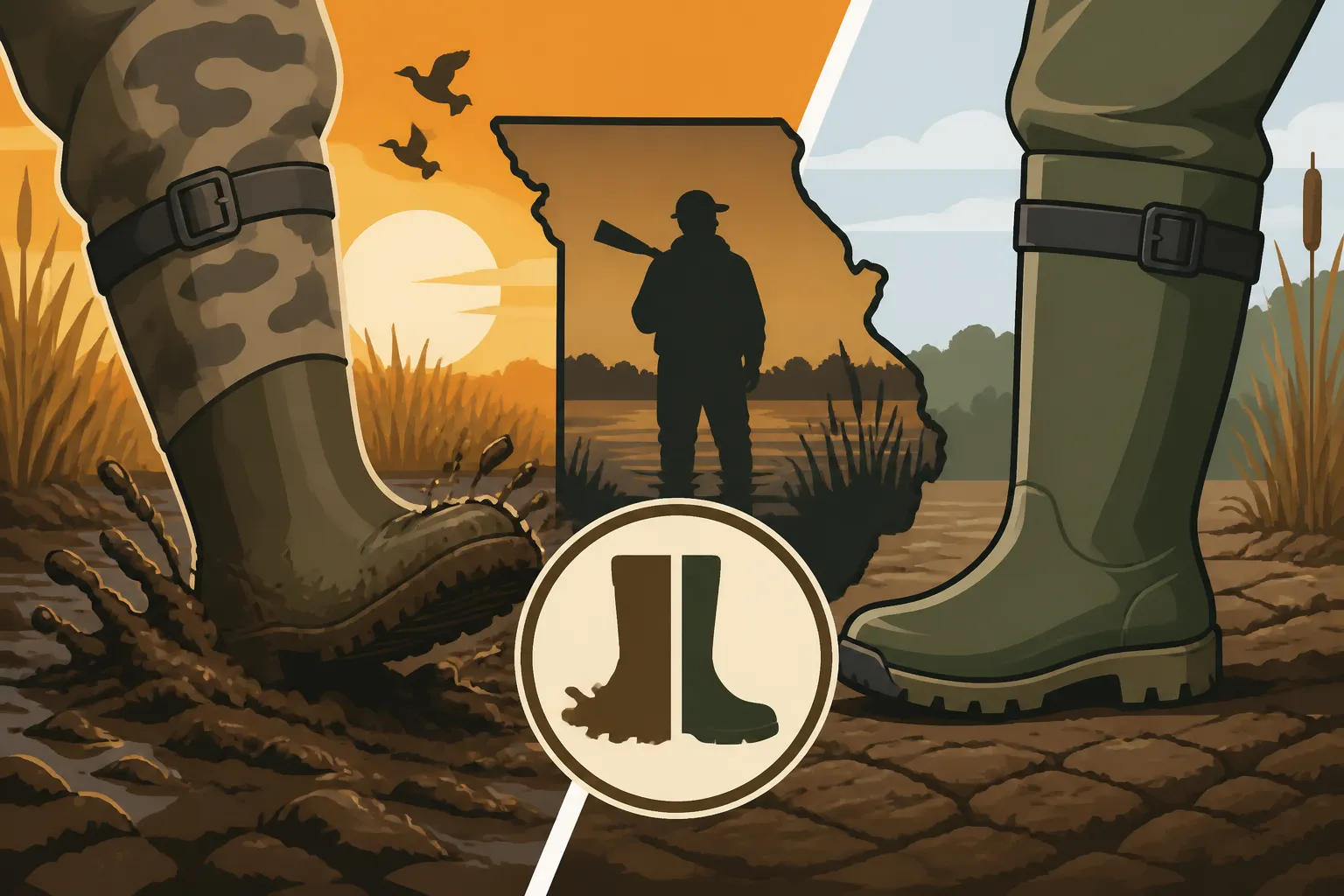
Oh, the Missouri mud! If you've spent any time hunting our incredible state, especially around those prime river bottoms or chasing ducks in flooded timber, you know the special kind of frustration that comes with mud. It's not just dirt; it's a sticky, clinging, boot-sucking monster that can ruin a hunt faster than a missed shot. This guide is all about helping you pick the right wader boots to conquer that notorious Missouri mud, keeping you upright, comfortable, and focused on the hunt, not on whether your boot is about to become a permanent fixture in the slop.
Why Mud Matters So Much for Wader Boots in Missouri
Let's be real, Missouri isn't exactly known for its sandy, easy-walking terrain, especially when you venture into the places where the game lives. From the fertile farmlands of north Missouri to the bottoms of the big rivers, mud is an unavoidable part of the equation. Understanding why it's such a challenge is the first step toward beating it.
The Ubiquitous Missouri Mud Problem
Missouri's geology and hydrology conspire to create some truly world-class mud. Our river systems, like the mighty Missouri and Mississippi, and their numerous tributaries, deposit fine silts and clays that, when wet, transform into a thick, adhesive goo. Think about wading through a newly flooded bean field, trying to reach a favorite duck blind at Grand Pass Conservation Area, or crossing a slow-moving creek bed to get to your deer stand in the Mark Twain National Forest after a good rain. This isn't just damp earth; it's often a viscous, dense substance that wants to claim your boots, and sometimes, your entire leg.
This isn't limited to just waterfowl hunting, either. While duck hunters wading through Missouri Flooded Timber Duck Tactics or Hunting Missouri River Sandbars for Ducks know this pain acutely, any hunter who finds themselves traversing low-lying areas, creek beds, or even just wet trails on a deer hunt can run into serious mud. It's the kind of mud that doesn't just cling to your boots; it packs itself into every crevice, adding significant weight with each step and turning a simple walk into an exhausting slog.
The Consequences of Choosing Poor Boots for Mud
Choosing the wrong wader boots for Missouri's muddy conditions can turn a promising hunting trip into a miserable ordeal faster than you can say "stuck." The most obvious consequence, and perhaps the most common, is the dreaded "boot suction." You take a step, and the mud grips your boot so tightly that when you lift your leg, your foot comes right out of the boot, leaving it buried in the muck. This isn't just inconvenient; it can be dangerous. Trying to retrieve a lost boot in deep, cold mud can lead to falls, getting soaked, or even losing your balance in swift current.
Beyond the immediate drama of a lost boot, inadequate mud performance can lead to excessive fatigue. Every step requires more effort to pull your foot free from the suction, wearing you out long before you reach your desired spot. Discomfort quickly sets in, especially if your boots aren't properly insulated or fitted, leading to cold, wet feet if water somehow breaches a seal. And let's not forget the sheer frustration that builds when you're constantly fighting your footwear instead of focusing on the task at hand. Poor traction on slippery mud also increases the risk of falls, potentially leading to injuries or damaging your gear, especially when carrying firearms or decoys. A little pre-hunt research on sites like GoHunt, focusing on gear reviews, can save you a lot of grief here.
Key Features to Look for in Mud-Ready Wader Boots
When you're outfitting yourself for Missouri's unpredictable conditions, especially when mud is a certainty, your wader boots need to be an extension of your body, not an anchor. Prioritizing certain features can make all the difference in your comfort and effectiveness in the field.
Aggressive Tread Patterns and Outsole Design
This is arguably the most critical feature for mud performance. Forget those flat, smooth-bottomed boots you might wear for light yard work. For Missouri mud, you need an aggressive, self-cleaning tread pattern. Look for:
- Deep Lugs: The deeper the grooves and the taller the cleats (lugs), the more grip you'll have. These deep lugs can bite into soft mud, providing purchase where shallower treads would just slip and slide.
- Wide Spacing: Equally important is the spacing between those lugs. If they're too close together, mud will quickly pack in, turning your aggressive tread into a smooth, useless surface. Wide spacing allows mud to shed off as you walk, keeping the tread clear and functional. Imagine walking through a plowed field versus a freshly tilled garden—the latter clogs up everything.
- Multi-Directional Patterns: Outsoles designed with lugs that point in different directions can provide better grip on inclines, declines, and when moving laterally. This is crucial when navigating uneven terrain or climbing out of a muddy ditch.
- Material Compound: The rubber compound itself plays a role. Softer, stickier compounds can offer better grip but might wear faster. A good balance for hunting boots usually involves a durable yet grippy rubber.
Without these design elements, your boots simply become mud skis, making every step treacherous and exhausting.
Boot Insulation and Comfort in Missouri's Variable Weather
Even the best mud traction won't matter if your feet are freezing or blistering. Missouri weather, particularly during hunting seasons, can swing wildly. One day it's mild and damp, the next it's below freezing. Your wader boots need to cater to this variability, or at least be chosen specifically for the conditions you anticipate most.
- Insulation Levels: For cold-weather waterfowl hunts or late-season deer hunts where you might be standing in icy water or snow-covered mud, ample insulation is non-negotiable. Look for boots with high levels of Thinsulate or similar synthetic insulation (e.g., 800g to 1600g). This will keep your feet warm even when submerged. However, for early season hunts or more active excursions like Run-and-Gun Turkey Tactics in the Missouri Ozarks or walking Missouri quail cover where you might only encounter mud briefly, less insulation (400g or even uninsulated) can prevent overheating and excessive sweating, which ironically can lead to cold feet later on.
- Comfort and Support: Beyond insulation, the overall comfort of the boot is key. A well-designed internal liner, good arch support, and a cushioned footbed can prevent foot fatigue during long days. Remember, you'll be wearing thick socks inside, so ensure there's enough room without being sloppy. For specific gear considerations, you might look into Blind Bags and Cold-Weather Gear for complementary items.
Fit, Support, and Preventing "Suction Loss"
The dreaded boot suction. It’s that moment when you lift your leg from the mud, and your foot slides right out of your boot, leaving it behind. A proper fit is your primary defense against this frustrating phenomenon.
- Snug, But Not Tight: Your wader boots need to fit snugly around your foot and ankle to prevent excessive movement, but not so tight that they cut off circulation or cause discomfort with thick socks. A common mistake is buying boots too large, thinking it will accommodate layers, but this only increases the chances of your foot slipping out.
- Ankle Support: Good ankle support, often achieved through a stiffer, more structured ankle area, helps to hold your foot firmly within the boot. This is especially important when navigating uneven, muddy terrain. Some boot designs incorporate internal ankle wraps or molded support systems.
- Heel Cup Design: A pronounced heel cup inside the boot can help lock your heel in place, making it harder for your foot to pull free from the boot. This is a subtle but effective feature.
- Shaft Design: The height and circumference of the boot shaft also play a role. While a taller shaft offers more protection from deep mud, a shaft that's too wide can make it easier for the boot to be sucked off. Some waders integrate a slightly tapered or adjustable shaft to help with this. When considering Waders for Missouri Flooded Timber, the boot attachment method is a huge factor here.
Common Wader Boot Materials and Their Mud Performance
Wader boots come in a few primary configurations and material choices, each with its own advantages and disadvantages when facing Missouri's mud. Understanding these differences will help you choose the best option for your specific hunting style and local conditions.
Rubber Boots for Maximum Mud Traction
When most hunters think of dedicated mud boots, they often picture classic rubber boots, and for good reason. Rubber is incredibly versatile for dealing with wet, muddy conditions, and many wader designs integrate a sturdy rubber boot.
-
Advantages of Rubber:
- Waterproof: Naturally, rubber is impermeable to water, which is paramount when wading through sloughs or flooded fields.
- Excellent Grip: High-quality rubber compounds, especially when molded with aggressive treads, offer superior traction on wet, slippery surfaces. The flexibility of rubber also allows the sole to conform slightly to uneven terrain.
- Easy to Clean: Mud tends to rinse off rubber much more easily than other textured materials, making post-hunt cleanup a breeze. This helps keep your gear in good shape for the next outing, especially important after a long morning at a Managed Hunt Draws on Missouri Wetlands.
- Durability: Modern rubber blends are remarkably durable and resistant to punctures and abrasions from sticks or sharp rocks.
-
Considerations:
- Weight: All-rubber boots, especially insulated ones, can be heavier than other options, contributing to fatigue during long walks.
- Breathability: Rubber is not breathable, so if the insulation is too much for the ambient temperature, your feet can sweat, leading to discomfort.
- Flexibility in Cold: Some older or lower-quality rubber compounds can become stiff and less flexible in extremely cold temperatures, affecting comfort and mobility. However, many contemporary boots use advanced rubber blends that maintain flexibility even in freezing conditions.
Neoprene vs. Breathable Wader Boot Integration
The choice between neoprene and breathable waders isn't just about the upper body; it significantly impacts the boot portion as well. Most waders today come in two main boot-attachment styles: boot-foot and stocking-foot.
| Feature | Boot-Foot Waders | Stocking-Foot Waders |
|---|---|---|
| Boot Type | Integrated rubber or PVC boot | Neoprene sock (no hard sole) |
| Mud Performance | Excellent, as boot is permanently attached | Depends entirely on separate wading boot selected |
| Ease of Use | Quick on/off, no separate boots to carry | More setup required, but custom boot choice |
| Comfort | Good, but less customizable fit | Highly customizable fit with chosen wading boot |
| Insulation | Often highly insulated, great for cold water | Insulation determined by separate wading boot |
| Portability | Bulkier, heavier to pack and transport | Lighter, more compact without external boot |
| Cost | Typically lower combined cost | Higher initial cost (waders + boots) |
-
Boot-Foot Waders: These come with the boots permanently attached to the waders.
- Pros for Mud: The biggest advantage is the seamless, integrated design. There’s no risk of mud getting between your wader and a separate boot, and you don’t have to worry about lacing up or losing a separate boot in the muck. The rubber boot itself usually has an aggressive tread. They are often highly insulated, perfect for those frigid Missouri mornings in the marsh.
- Cons for Mud: They can be bulkier and heavier. If the integrated boot doesn't fit your foot perfectly, you're stuck with it. The lack of ankle support in some models can make them more prone to "suction loss" if the fit isn't spot-on around your ankle. However, many premium boot-foot waders from brands like GoHunt are addressing these issues with better internal support and advanced boot designs.
- For deeper insights, check out Neoprene Versus Breathable Waders as your choice here impacts the overall system.
-
Stocking-Foot Waders with Separate Wading Boots: With these, the wader ends in a neoprene sock, and you wear separate wading boots over the top.
- Pros for Mud: This option allows you to choose exactly the wading boot you want, specifically for mud performance. You can select boots with maximum ankle support, the most aggressive tread, and a super snug fit, treating them almost like hiking boots designed for water. This combination often provides superior stability and less risk of boot suction.
- Cons for Mud: It's an extra step in getting ready, and you have to carry separate boots. Laces on wading boots can get caked with mud, making them hard to adjust or clean. If you're not careful, mud and debris can get between the neoprene sock and the wading boot, leading to chafing or discomfort. Also, this approach usually means a higher overall investment.
Practical Tips for Managing Muddy Wader Boots in the Field
Even with the best mud-shedding wader boots, you're still going to encounter mud. It's Missouri, after all! Knowing how to manage your boots both during and after the hunt can significantly extend their lifespan, maintain their performance, and save you a lot of headache.
Field Maintenance and Cleaning
Your battle against mud doesn't end when you get out of the muck; it's an ongoing process.
- Scrape and Rinse Often: As you walk, take opportunities to scrape excess mud from your boots. A sturdy stick or even the edge of another boot can work wonders. If you cross a clean stream or find a puddle of relatively clear water, take a moment to rinse off the most stubborn clumps. This not only reduces the weight you're carrying but also helps maintain your tread's effectiveness.
- Boot Pullers: If you're using boot-foot waders and struggling with boot suction, a simple boot puller (a small, inexpensive device) can be a lifesaver. It allows you to use your other foot to apply leverage and pull off the stuck boot without wrestling. Some models even clip onto your waders for easy access.
- Mind Your Step: While good boots are essential, smart walking can also mitigate mud issues. Try to step on higher ground, logs, or solid clumps of vegetation whenever possible. When wading, use your awareness of the bottom to find firmer footing. Every little bit helps.
Pre-Season Preparation and Post-Hunt Care
Proper care before and after your hunt ensures your investment in mud-ready waders pays off for years to come.
- Pre-Season Inspection: Before the season kicks off, give your waders and boots a thorough inspection. Check for any small punctures, tears, or worn-down tread. Address any issues promptly. If your boots are stock-foot with separate wading boots, ensure the laces are in good condition and the eyelets aren't corroded. Companies like GoHunt often have gear checklists and maintenance tips to guide you through this process.
- Thorough Cleaning: As soon as you're done with your hunt, especially if you've been in significant mud, clean your boots thoroughly. A hose and a stiff brush are your best friends. Get into every crevice of the tread to remove all mud and debris. Pay attention to areas where the boot connects to the wader, as mud can accumulate there. This prevents mold and mildew from forming and keeps the material from deteriorating prematurely.
- Proper Drying: After cleaning, it's crucial to dry your waders and boots completely. Hang boot-foot waders upside down in a well-ventilated area, or use a wader dryer, to ensure the inside of the boots dries out. For stocking-foot waders, dry the neoprene socks inside and out, and allow your separate wading boots to dry thoroughly. Never store them wet, as this leads to foul odors, mildew, and material breakdown. Avoid direct heat sources like fires or heaters, as intense heat can damage rubber and neoprene.
- Storage: Store your clean, dry waders and boots in a cool, dry place away from direct sunlight. Hanging waders is generally preferred over folding them tightly, as folding can create creases that lead to cracks over time.
By understanding the unique challenges of Missouri's mud and equipping yourself with the right wader boots and knowledge, you can tackle those tricky conditions with confidence. Happy hunting, and may your boots always stay on your feet!
Disclaimer
This article is for general informational purposes only and does not constitute professional advice. Laws, prices and regulations vary by location and change over time. Consult a qualified professional for guidance on your specific situation.