Wind-Blocking Outerwear for Open Fields
There's nothing quite like the bitter bite of a Missouri winter wind when you're perched on a deer stand or tucked into a blind in an open field. That biting wind can cut through layers like a hot knife through butter, turning what should be an exciting hunt into an exercise in miserable endurance. This guide is all about tackling that exact frustration, showing you how smart gear choices, specifically wind-blocking outerwear, can transform your experience in those exposed, blustery conditions and keep you comfortable and focused.
The Frustration of Cold, Open Fields in Missouri
We've all been there. You wake up before dawn, excited for the hunt, check the forecast, and see a respectable 25 degrees. You layer up, grab your coffee, and head out. But as soon as you step into that sprawling cut cornfield or settle into a blind along a fencerow, a relentless wind starts to whip across the landscape, and suddenly that 25 degrees feels more like five below zero. Your fingers ache, your toes go numb, and your whole body tenses against the chill. It's not just uncomfortable; it's genuinely distracting and can ruin a hunt faster than anything.
Why Open Fields Feel Colder
The science behind it is simple: wind chill. When air moves across your skin or clothing, it strips away the thin layer of warm air your body has worked hard to create. In a timber stand, the trees act as a natural buffer, breaking up that wind and giving you some respite. But out in an open field, there’s nothing to slow it down. It’s a relentless, unimpeded assault. Imagine trying to stand still on a windy day in a harvested soybean field, with gusts pushing right through your jacket. You might have layers on, but if the wind can penetrate that outer shell, all the insulation underneath becomes far less effective. This constant air movement drains your body heat at an accelerated rate, making you feel much colder than the thermometer indicates. That feeling of being constantly exposed and having no escape from the relentless breeze is a major contributor to discomfort and the reason many hunters shorten their sits in open country.
The Silent Hunt Killer: Core Body Temperature Drop
Beyond just discomfort, a sustained drop in your core body temperature is a silent hunt killer. When you're constantly shivering, your muscles are expending energy just to generate heat, burning through calories and fat reserves at an alarming rate. This isn't just about feeling cold; it directly impacts your ability to concentrate, stay still, and make accurate shots. Your hands might be too numb to properly draw a bow or adjust a rifle scope. Your mind becomes preoccupied with the cold rather than scanning the field for movement. I’ve seen countless hunts cut short because a hunter simply couldn’t stand the cold any longer, packing up before prime time even arrived. It’s a frustrating scenario, especially when you’ve put in all the effort to scout, prepare, and get to your spot. Being physically uncomfortable fundamentally detracts from the mental focus needed for a successful hunt. This is why having proper gear is not just about luxury, but about effective hunting. Cold Weather Sitting Strategy is absolutely essential when facing these conditions, and reliable wind-blocking gear is the cornerstone of that strategy.
Understanding Wind-Blocking Technology in Outerwear
So, what exactly is wind-blocking outerwear, and how does it work its magic? It's more than just a thick jacket; it involves specific materials and construction designed to create a barrier against that relentless wind. Without this barrier, even the warmest fleece or down jacket can become almost useless in a strong breeze. Understanding the technology helps you make smarter choices when you're looking for that crucial piece of gear.
What Makes Fabric Windproof?
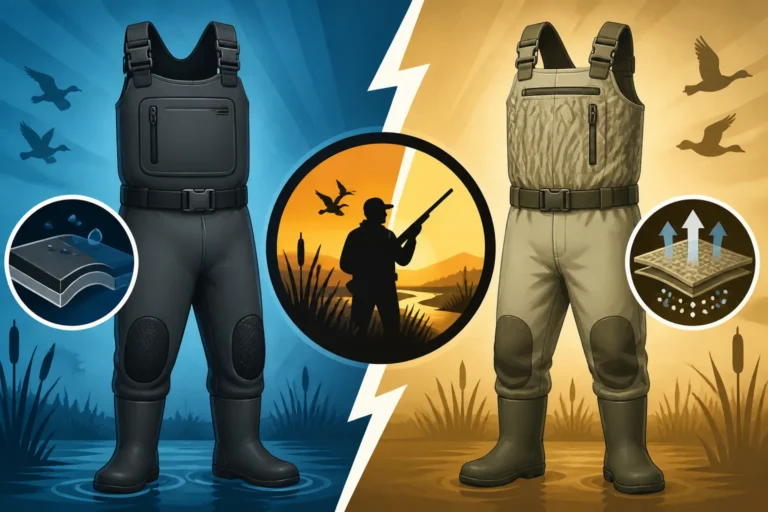
At its core, windproof fabric is all about creating an impenetrable wall against air movement. Most modern wind-blocking materials achieve this through one of two primary methods: either an extremely tight weave of synthetic fibers or a specialized membrane laminated within the fabric. Think of a tightly woven softshell material; the threads are packed so densely that air molecules simply can't pass through the gaps. It's like trying to push air through a solid sheet of canvas – it's just not happening. Other fabrics use a thin, microporous membrane, often made from expanded PTFE (polytetrafluoroethylene) or similar polymers. This membrane has billions of tiny pores that are too small for wind to penetrate, yet large enough for water vapor (your sweat) to escape. This is crucial for staying dry from the inside out. When you're out in an open field, whether you're hunting deer during Missouri Firearms Deer Portion Dates or chasing late-season geese, this technology is what stands between you and hypothermia. Many reputable brands, and resources like GoHunt, delve into the specifics of these technologies, helping you understand what makes a particular garment effective.
The Balance: Windproof, Breathable, and Insulated
Here's the tricky part: creating a fabric that is windproof, yet also breathable, and potentially insulated, all at once. You don't want a windproof jacket that traps all your sweat inside, leaving you damp and even colder once you stop moving. The breathable membranes are designed to let moisture vapor escape, preventing that clammy feeling. However, there's always a balance. Highly windproof fabrics can sometimes be less breathable than a non-windproof fleece, for example. The ideal scenario for hunting in open Missouri fields is an outer layer that is unequivocally windproof, offers some level of water resistance (because a little drizzle or melting snow is always a possibility), and provides room for effective layering underneath. This outer shell isn't necessarily your primary insulation; its main job is to stop the wind and protect your insulating layers. Your mid-layers, like fleece or down, provide the warmth, and the wind-blocking shell ensures that warmth isn't immediately blown away. This synergistic approach is key to comfort in demanding conditions.
Choosing the Right Wind-Blocking Outerwear for Missouri Fields
Selecting the right gear for open-field hunting in Missouri requires thoughtful consideration. It's not just about picking up the first jacket labeled "windproof." You need to think about how it integrates with your existing setup, the specific conditions you'll face, and what level of activity you anticipate.
Shell Jackets and Pants: Your First Line of Defense
When we talk about wind-blocking outerwear, we're primarily focused on your outer shell jacket and pants. These are your absolute first line of defense against the elements. For serious wind protection, you'll often encounter two main types: softshell and hardshell. Softshell garments are generally more flexible, quieter, and offer good breathability, making them fantastic for active hunts in moderately windy conditions. They often have a DWR (durable water repellent) finish to shed light moisture, but aren't fully waterproof. Hardshells, on the other hand, typically feature a laminated membrane that makes them fully waterproof and windproof, often with less stretch and a bit more "crinkle" noise, though modern hardshells are getting quieter. For those long, stationary sits in a ground blind along a Hunting a Missouri Fencerow Between Fields or perched on a stand in a vast landscape, a true hardshell or a highly windproof softshell is paramount. Look for features like adjustable cuffs, waist drawstrings, and a well-fitting hood that won't impede your vision. These small details can make a huge difference in sealing out the wind. Before you buy, it's always smart to check resources like GoHunt for detailed reviews and comparisons of different shell options tailored for hunting.
Integrated Systems: Jackets with Built-in Wind Protection
Some hunting apparel companies offer integrated systems, where wind-blocking technology is built directly into the insulating layers or as a standalone heavy outer jacket. These can be incredibly convenient, providing a one-and-done solution for cold, windy days. The benefit here is simplicity – one garment does the job of multiple layers in terms of wind protection and often insulation. However, the trade-off can be versatility. If the temperature swings dramatically, or if you need to hike a fair distance to your spot, you might find yourself either too hot or not warm enough, as you can't easily shed a wind-blocking layer without losing insulation. These integrated pieces are often best suited for very cold, stationary hunts, like when you're Hunting Standing Corn Before Harvest or locked into a blind for hours on end, where your activity level is minimal and consistent. For the most adaptable hunter, a separate wind-blocking shell over adaptable mid-layers usually provides more flexibility for varying conditions and activity levels.
Key Features to Look For Beyond Just "Windproof"
While "windproof" is the core feature, several other considerations elevate a piece of outerwear from merely functional to truly excellent for open-field hunting in Missouri.
- Quietness: This is non-negotiable for deer or turkey hunting. The rustle of a noisy fabric can give you away in an instant. Modern wind-blocking fabrics have come a long way, but always test them for noise, especially when moving or rubbing against itself.
- Durability: Open fields often mean navigating brush, fences, and barbed wire. Your outerwear needs to stand up to abuse without tearing or snagging. Ripstop fabrics and reinforced high-wear areas are big plusses.
- Pocket Placement: Thoughtful pocket design is crucial. Easy access to calls, rangefinders, and snacks without making unnecessary movements can be a game-changer when a buck appears. Zippers should be quiet and easy to operate with gloves on.
- Water Resistance/Proofing: While the focus is wind, rain or snow can blow in at any moment. A DWR finish is a minimum, but fully waterproof membranes offer superior protection, ensuring that rain doesn't soak through and compromise your insulation.
- Fit and Layering Compatibility: Ensure the garment is cut to allow for proper layering underneath without being too bulky or restrictive. You need full range of motion for shooting.
- Camo Pattern: Choose a pattern appropriate for the open, often muted, tones of Missouri's late-season fields, whether you're deer hunting or setting up Layout Blinds in Harvested Fields for waterfowl.
Layering Strategies with Wind-Blocking Outerwear
No matter how good your wind-blocking jacket is, it's rarely a standalone solution for the bone-chilling cold of open Missouri fields. The true secret to staying warm, comfortable, and ultimately more effective in these conditions lies in a well-executed layering system. Your wind-blocking outerwear plays a pivotal role in this system, acting as the protective shield for all your hard-earned warmth.
The "Why" Behind Layering in Open Terrain
Layering isn't just a buzzword; it's a strategic approach to thermal regulation. Each layer traps air, and that trapped air acts as an insulator. The more layers, the more pockets of warm air you create. But more importantly, layering allows you to adapt to changing conditions and activity levels. Think about those chilly mornings where you hike a mile to your stand. You'll work up a sweat on the walk, but once you're stationary, that sweat turns cold fast. With layers, you can shed a mid-layer during the hike, preventing overheating and excessive sweating, then put it back on once you settle in. The wind-blocking outer layer then becomes the guardian of this entire system. It prevents the wind from penetrating and stripping away those precious pockets of warm, trapped air from your insulating layers. Without a good wind-blocking outer layer, all your base and mid-layers are essentially exposed to the elements, their effectiveness drastically reduced by the constant airflow. It’s like trying to heat your house with the windows open.
Base, Mid, and Outer: Building Your Field Kit
To truly conquer the cold and wind of open fields, you need a three-part system, with your wind-blocking outerwear as the crucial final component:
- Base Layer: This is your foundation. Its primary job is to wick moisture away from your skin. Materials like merino wool or synthetic polyesters are excellent choices. Never wear cotton as a base layer in cold weather; it holds moisture and will make you cold the moment you stop moving. A good base layer keeps you dry, and dry equals warm.
- Mid-Layers: These are your primary insulators. Fleece, down, or synthetic puffy jackets fall into this category. You might wear one thick mid-layer or multiple thinner ones, depending on the temperature. These layers trap the body heat you generate, creating that crucial insulating barrier. They are essential for warmth but generally offer little to no wind protection on their own. For extended sits, perhaps when Using a Ground Blind on Missouri Public Land in January, you might even consider an insulated vest over a fleece jacket as a mid-layer for core warmth without adding too much bulk to your arms.
- Outer Layer (Wind-Blocking): This is where your specialized outerwear shines. Your wind-blocking jacket and pants go over everything else. Their mission is clear: to stop the wind dead in its tracks. By doing so, they protect the insulating power of your mid-layers and prevent the rapid loss of body heat. They are the ultimate shield against the elements, letting your inner layers do their job effectively. When you combine robust wind-blocking technology with smart layering, you create an almost impenetrable fortress against the cold. Whether you’re hunting waterfowl during Missouri Waterfowl Seasons and Duck Zones or waiting for a late-season whitetail, this outer shell is non-negotiable.
Here's a quick comparison of common layering materials:
| Layer Type | Material Examples | Key Function | Wind Protection | Breathability | Pros | Cons |
|---|---|---|---|---|---|---|
| Base Layer | Merino Wool, Synthetics | Wicks moisture, light warmth | Minimal | High | Excellent moisture management, odor control (wool) | Can be expensive (wool), durability (synthetics) |
| Mid Layer | Fleece, Down, Synthetic Insulation | Traps heat, provides bulk warmth | Low | Moderate | Great insulation for weight, compressible (down) | Loses insulation when wet (down), bulky (fleece) |
| Outer Layer | Windproof Softshell, Hardshell with Membrane | Blocks wind, sheds light rain/snow | High | Moderate-High | Excellent wind protection, durable | Can be less breathable than softshell |
Practical Tips for Staying Warm and Mobile
Even with the best gear, a few practical tips can make all the difference when you're hunting open fields in Missouri's brutal wind:
- Avoid Cotton: Seriously, I can't stress this enough. Cotton kills in cold weather because it absorbs sweat and holds it against your skin, chilling you instantly. Stick to wool or synthetics for all layers touching your skin.
- Proper Fit: Layers shouldn't be too tight, which can restrict blood flow, or too loose, which creates air gaps and bulk. Aim for a comfortable, athletic fit that allows full range of motion.
- Hand and Foot Warmers: These little marvels can be lifesavers. Place them in gloves, boots, or even a hand muff. They provide localized heat where you need it most.
- Pack an Extra Layer: Always bring an emergency insulated layer in your pack, especially if you're on public land where you might be Hunting North Missouri's Big-Buck Farm Country. If you get colder than expected or get wet, that extra warmth can be a game-changer.
- Stay Hydrated and Fuelled: Your body needs energy to create heat. Drink plenty of water (not just coffee!) and eat calorie-dense snacks throughout the day.
- Consider a Portable Heater: For a ground blind, a small, safe portable propane heater can be incredibly effective at creating a comfortable microclimate inside.
- Protect Your Extremities: A good, warm hat, neck gaiter, and insulated gloves or mittens are vital. Your head, hands, and feet lose heat rapidly. Even if your core is warm, cold extremities can make you feel miserable.
By understanding the importance of wind-blocking outerwear and integrating it into a smart layering system, you can extend your time afield, stay more comfortable, and significantly increase your chances of success, even when the Wind and Thermals in Ozark Hills (or open fields) are whipping around you. Don't let the weather dictate your hunt; prepare for it.
Disclaimer
This article is for general informational purposes only and does not constitute professional advice. Laws, prices and regulations vary by location and change over time. Consult a qualified professional for guidance on your specific situation.