Cold Weather Sitting Strategy
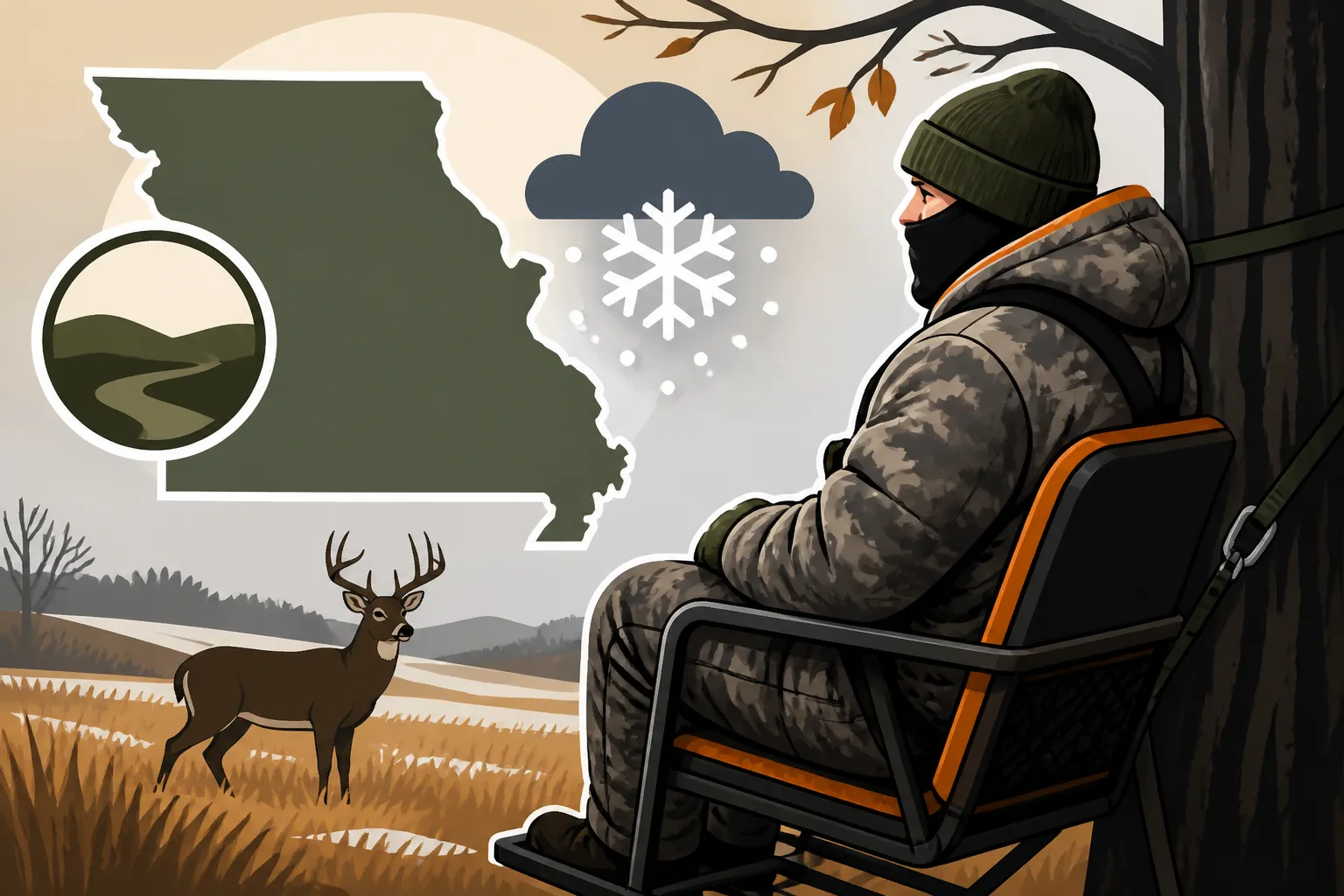
There's nothing quite like the crisp, still air of a cold Missouri morning in the deer woods. The sound of your breath hanging in the air, the crunch of frozen leaves underfoot – it’s magical. But that magic can quickly turn to misery if you're not prepared, sending you back to the truck shivering and frustrated, wondering if you missed your chance because you just couldn't sit still any longer. This guide is all about equipping you with the knowledge and strategies to not just endure the cold, but to thrive in it, making those long, late-season sits productive and even enjoyable.
The Core Challenge of Missouri Cold Weather Hunting
Missouri's late-season deer hunts can deliver some of the most exciting action, often coinciding with colder temperatures that get deer moving more predictably. However, these same conditions present a significant challenge for hunters: staying warm enough, long enough, to capitalize on those opportunities. It's a battle against the elements as much as it is a hunt for whitetails, and without a solid plan, the cold will win every time.
Understanding Missouri's Winter Conditions
Don't let the "Show-Me State" fool you; Missouri winters can be brutally cold and highly variable. You might start a morning with temperatures in the low 20s, only for a sharp north wind to pick up, dropping the real-feel into single digits or even below zero. We often get a mix of dry cold, damp cold from fog or freezing rain, and of course, the ever-present wind chill, especially in open fields or on exposed ridge tops. It’s this unpredictability that makes a robust cold weather strategy so crucial. A mild November sit might only require a few layers, but come December or January, when many hunters are still out during portions like Hunting Missouri Deer After Christmas, you're looking at needing every trick in the book to keep the biting chill from seeping into your bones. That damp chill, in particular, can be the most insidious, as moisture transfers heat away from your body much faster than dry air.
The psychological toll of extreme cold cannot be overstated. When your fingers ache, your toes are numb, and your core temperature starts to drop, your focus shifts entirely from the hunt to simply trying to get warm. Every rustle of leaves sounds like a deer, every shadow a potential trophy, but you’re too preoccupied with your discomfort to truly concentrate. This loss of focus directly impacts your ability to spot game, draw your bow silently, or make an accurate shot. It also often leads to prematurely abandoning a promising stand location, robbing you of the chance to fill your tag.
Why a Good Strategy is Non-Negotiable
Having a well-thought-out cold weather strategy isn't just about comfort; it's about safety, effectiveness, and ultimately, success. Hypothermia is a real danger, even in temperatures that don't seem extreme, especially if you're wet or fatigued. A good strategy ensures you can stay in the woods for the long haul, giving you the best chance to intercept a wary whitetail that might only move during specific, cold windows of the day.
Deer, especially in late season, are driven by two primary instincts: food and thermal cover. When temperatures plummet, they'll often alter their movements, perhaps bedding in thicker cover that shields them from the wind, or hitting food sources more frequently and during daylight hours to maintain their body temperature. Your ability to withstand the cold allows you to be present during these crucial times. Think about those deer that only get up to feed an hour before dark, or that travel a long ridge line midday seeking a sunny, wind-protected bench. If you've bailed an hour early because you were freezing, you've missed your shot. A solid plan gives you the confidence to wait out those long lulls, knowing you're protected from the elements.
Pre-Hunt Preparation: Gearing Up for the Chill
The battle against the cold is won or lost long before you step foot in the woods. It starts with meticulous preparation, from the clothes on your back to the food in your pack. Skimping on this phase is a direct ticket to a miserable, short hunt.
The Art of Layering: Building Your Personal Microclimate
Layering is truly the cornerstone of cold weather hunting. It’s not just about piling on clothes; it’s about strategically building an insulation system that traps warmth, wicks moisture, and blocks wind. Forget cotton as a base layer – it absorbs sweat and loses all insulative properties when wet, making you colder. Instead, think merino wool or synthetic performance fabrics that actively move moisture away from your skin. This is your personal microclimate, and you need to control it.
Your base layer should be snug, not tight, against your skin. This is the wicking layer, pulling sweat away. Next comes your mid-layers, which are your primary insulators. Fleece, down, or synthetic puffy jackets and pants work wonders here. You want loft, as trapped air is what truly insulates. Don't be afraid to use multiple thin or medium mid-layers; this allows for more precise temperature regulation. Finally, your outer layer is your shield against the elements. This needs to be windproof and water-resistant or waterproof, depending on the forecast. Breathability is also important to prevent sweat buildup. This system allows you to add or shed layers as your activity level or the temperature changes, preventing overheating (and subsequent chilling from sweat) or freezing.
It's also essential to consider how your layers will fit together. You don't want anything so tight that it restricts blood flow, which can actually make you colder. Conversely, too many bulky layers can impede your range of motion, making it difficult to draw a bow or shoulder a rifle smoothly. Brands like Sitka, Kuiu, and First Lite have truly revolutionized hunting apparel with integrated layering systems designed for specific conditions, but even more budget-friendly options can work if you understand the principles. Remember, the goal is to trap warm air, so avoid compressing your layers too much. For an even deeper dive into this, you might find our guide on Layering for a Missouri Deer Stand particularly helpful.
| Layer Type | Purpose | Ideal Materials (Examples) | Key Features for Cold Weather |
|---|---|---|---|
| Base Layer | Wicking & initial warmth | Merino wool, synthetic blends | Moisture-wicking, quick-drying, snug fit |
| Mid Layer(s) | Insulation | Fleece, synthetic insulation, down | Traps warm air, breathable, adjustable |
| Outer Layer | Protection | Waterproof/windproof membranes | Blocks wind, repels moisture, durable |
| Headwear | Heat Retention | Wool, fleece, insulated caps | Covers ears, neck, provides significant heat retention |
| Hands | Dexterity & warmth | Thin gloves + mittens/muffs | Layered approach, finger warmth, grip |
| Footwear | Insulation & dryness | Insulated rubber or leather boots | Waterproof, high-rated insulation, proper fit |
Footwear and Hand Protection: Your Cold Weather Weak Links
Your feet and hands are often the first to get cold, and once they're numb, the rest of you quickly follows. For footwear, invest in high-quality, insulated, waterproof boots. Rubber boots are a favorite among many Missouri hunters, not just for keeping feet dry and warm, but also for scent control, which remains important even in cold weather. When looking at Insulated Boots for Long Sits, pay attention to the Thinsulate or gram rating – 800g to 1200g is common for serious cold. Make sure your boots are slightly oversized to accommodate thick wool socks (again, no cotton!) and to allow for air circulation, preventing compression of the insulation. Too-tight boots will restrict blood flow, leading to cold feet faster than anything else.
For hands, a layered approach is also best. Start with thin, form-fitting gloves that allow for dexterity (shooting, handling calls, operating your phone). Over these, use a larger, heavily insulated mitten or a hand muff, which you can equip with chemical hand warmers. This setup allows you to keep your core hand warmth, but still access your fingers quickly when needed. There's a reason why Hand Warmers That Last a Full Sit are so popular – they can be a game-changer. Don't forget your head and neck either; a significant amount of body heat is lost through these areas. A warm beanie, a balaclava, or a neck gaiter made of wool or fleece is absolutely essential. Pulling a hood over your head can also make a surprising difference in retaining warmth, especially when the wind picks up.
Fueling Your Body and Mind for the Cold
What you put into your body is just as important as what you put on it. Staying warm is an energy-intensive process, and your body needs fuel. Pack calorie-dense, easy-to-eat snacks like trail mix, energy bars, or even a good old-fashioned peanut butter sandwich. Consider bringing a thermos full of hot coffee, tea, or even just hot broth. Sipping on something warm can provide a significant boost in comfort and core temperature.
Hydration is often overlooked in cold weather, but it's critical. You still sweat, even if you don't feel it as much, and dehydration can impair your body's ability to regulate temperature. Bring plenty of water, perhaps in an insulated bottle to prevent it from freezing. Mentally, preparing for the cold is also vital. Know your limits, but also cultivate a positive mindset. Visualize your successful hunt, remind yourself why you're out there, and embrace the challenge. Having a good mapping app like GoHunt on your phone can also alleviate some mental strain by helping you confirm your location, mark game sightings, or scout new wind-protected areas without having to move around and get cold.
Executing Your Sit: Staying Warm and Ready
Once you're geared up and fueled, it's about making smart choices in the field to maximize your comfort and hunting effectiveness throughout your sit. This means everything from where you set up to how you move (or don't move).
Strategic Stand Placement for Cold Weather
In cold weather, deer behavior shifts, and so should your stand placement. Instead of solely focusing on travel corridors, think about thermal cover and food sources. Deer will seek out thickets, cedars, or south-facing slopes that offer protection from the wind and direct sunlight. Identifying these areas is crucial, and mapping tools like GoHunt can be invaluable for pinpointing dense cover and terrain features that offer natural windbreaks. Often, these spots will be adjacent to prime Late-Season Food Sources for Whitetails, as deer will minimize travel distance between bedding and feeding when it's cold.
Consider setting up on the leeward side of a ridge or in a dense pine or cedar thicket that blocks the prevailing wind. Sometimes, simply moving your stand 20 yards to the side of a ridge can put you out of the direct blast of a bitter north wind. South-facing slopes, catching more sun throughout the day, can also be natural thermal hubs. If you're Hunting Missouri Deer in Deep Snow, these sun-drenched areas might also melt snow faster, exposing browse or fallen acorns that deer will seek out. Don't be afraid to utilize ground blinds, especially if you can brush them in effectively. A good blind offers excellent protection from the wind, allowing you to stay warmer and potentially extend your sit. Just make sure it's situated strategically to block the wind while offering good shooting lanes.
Minimizing Movement and Maximizing Heat Retention
Once you're in your stand, the goal is to stay as still as possible to minimize heat loss and remain undetected. Every movement generates heat, but also exposes you to cold air and increases your chances of being spotted. Use an insulated seat cushion to prevent heat transfer to a cold stand platform or tree. If legal and safe, a small, approved portable heater can be a lifesaver in a ground blind, adding a significant amount of warmth.
While you want to minimize large movements, don't become a statue. Subtle movements are key for blood circulation. Wiggle your toes, flex your calf muscles, and rotate your shoulders periodically. Do this slowly and deliberately to avoid making noise. If you're using a hand muff, periodically clench and unclench your fists inside it to keep blood flowing to your fingers. Some hunters even bring a small, soft exercise ball to squeeze in their hand muff. Remember, even in frigid temperatures, your scent can still be carried on the air currents, so Rubber Boots for Scent Control are still a good idea, as is attention to wind direction, especially if you're set up on a thermal hub or food source.
Scent Control in Freezing Temperatures
It's a common misconception that scent control doesn't matter as much in cold weather because cold air "holds" scent down. While air currents can behave differently, especially with strong thermals in hilly terrain, deer noses are still incredibly effective. Your human odor, especially from sweat, can still travel and alert deer. Therefore, continuing your scent control regimen is important.
Wear clean clothes, shower with unscented soap, and use odor-absorbing sprays. As mentioned, rubber boots are excellent for reducing foot scent to and from your stand, but also consider putting your outerwear in scent-free bags until you reach your hunting location. Even in freezing conditions, walking to your stand can cause you to sweat, creating a scent trail. Dress lighter for the walk in, carrying your outer layers, and then put them on once you're at your stand to minimize perspiration. Always play the wind, using GoHunt to check real-time wind conditions and plan your approach and stand entry/exit. If you're still-hunting, perhaps following tracks Still-Hunting After a Fresh Snow, be mindful of how your movements stir up dormant scent molecules.
Post-Harvest Care in Frigid Conditions
Congratulations, you braved the cold and punched your tag! Now the real work begins, but in cold weather, this part actually has some advantages, with a few unique considerations.
Handling a Harvested Deer in the Cold
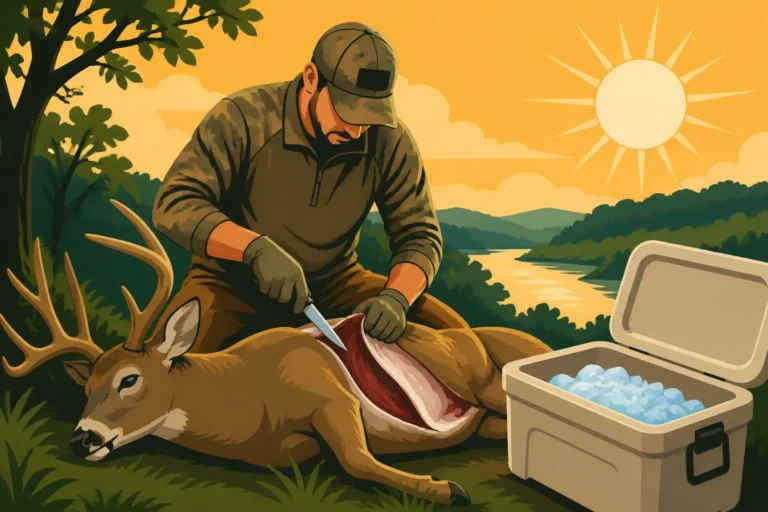
One of the big advantages of harvesting a deer in cold weather is the natural refrigeration. Unlike a warm early-season kill where Field Dressing and Cooling in Early-Season Heat is an immediate, critical concern, cold temperatures allow for a more leisurely pace when it comes to field dressing and transport. However, "leisurely" doesn't mean "neglected." You still need to field dress your deer to remove the internal organs, which retain heat and can spoil meat quickly, even in cold air.
The colder temperatures mean you don't have to rush through the field dressing process. Take your time, do a clean job, and ensure all organs are removed. You'll find that handling a deer in freezing conditions can be tough on your hands, so having a good pair of waterproof gloves and possibly hand warmers handy is a smart move. Once field dressed, the cold air will quickly cool the carcass, preserving the meat beautifully. You can often let the deer hang overnight, or for several hours, depending on the exact temperature, before transporting it to a processor or for butchering. Just be mindful of scavengers like coyotes or even feral hogs in some parts of Missouri; they'll still be looking for an easy meal. Make sure your deer is in a secure location if left overnight. This natural cooling is why Getting Deer Meat Cooled Quickly is much easier in the late season than during a warm archery opener.
Getting Your Gear Ready for the Next Chill
After a successful cold weather hunt, or even an unsuccessful one, proper gear maintenance is paramount for your next outing. Your insulated clothing, especially your boots, can accumulate moisture from sweat, even if you don't feel soaking wet. It's crucial to dry everything out thoroughly. Hang your layers in a well-ventilated area, preferably indoors, to dry completely. Damp insulation loses its effectiveness dramatically. For boots, consider using boot dryers or stuffing them with newspaper to absorb moisture.
Replenish your supply of hand warmers, check the batteries in your headlamp or GPS, and ensure your thermos is clean and ready. Inspect your clothing for any tears or damage that might compromise its wind or water resistance, and repair them promptly. Taking care of your gear extends its lifespan and ensures you're ready to face the Missouri cold on your next hunt, confident that your equipment will perform as expected.
Disclaimer
The information provided in this article is for general guidance and informational purposes only. Hunting regulations, permit requirements, and safety guidelines can change. Always consult the latest Missouri Department of Conservation (MDC) regulations and local laws before hunting. Prioritize safety, ethical hunting practices, and respect for wildlife and private land.