Missouri Deer Camp Traditions
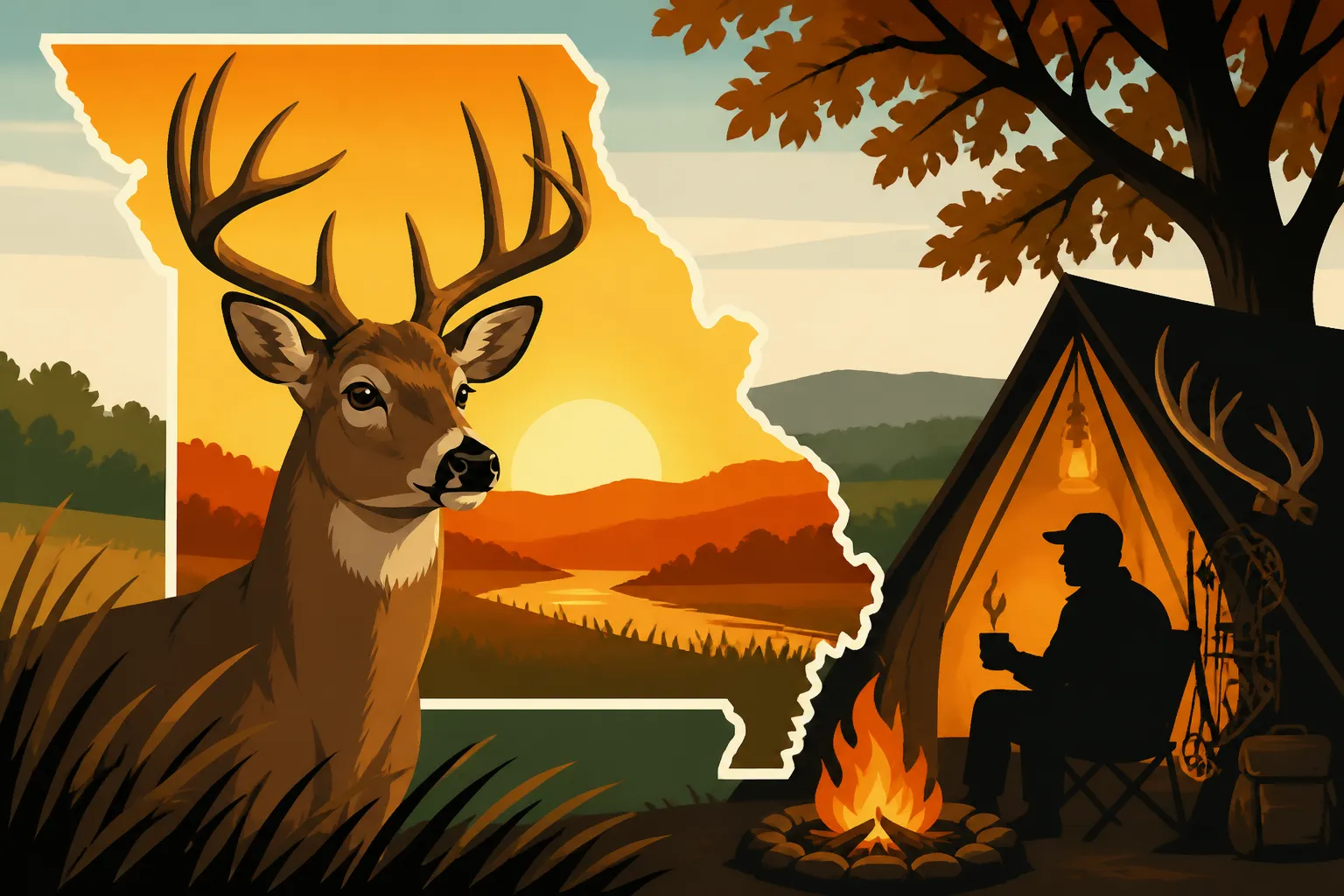
There’s something truly special about packing up the truck, heading down a gravel road, and pulling into a deer camp in Missouri. For many of us, it’s not just about the pursuit of a whitetail; it’s about a deeply ingrained tradition, a yearly pilgrimage that reconnects us with family, friends, and the land. But in our fast-paced world, keeping those cherished Missouri deer camp traditions alive can feel like a challenge. This guide will take a deep dive into the heart of what makes deer camp so significant, exploring the rituals, the camaraderie, the food, and how we adapt these timeless practices for modern times.
The Heart of Deer Camp: More Than Just Hunting
Deer camp, for many, isn't simply a place where hunters gather. It's an institution, a sacred space where the bonds of kinship and friendship are forged and renewed. The very air at deer camp hums with an energy unique to this annual event, a blend of anticipation, nostalgia, and quiet reverence for the tradition itself. It’s where stories are retold, new memories are made, and the stresses of the outside world melt away, if only for a few precious days.
The Annual Reunion and Camaraderie
Think about it: how often do you truly get to spend uninterrupted time with your closest friends and family, completely unplugged and focused on a shared passion? Deer camp provides that unique opportunity. Generations gather, from grizzled veterans who've seen countless seasons come and go, to eager youngsters experiencing their first taste of camp life. The conversations flow as freely as the coffee, punctuated by laughter, good-natured ribbing, and the shared excitement of the hunt.
It's the annual reunion that truly sets the tone. Grandfathers, fathers, sons, uncles, cousins, and lifelong friends come together, often from different corners of the state or even the country. Schedules are cleared, excuses are set aside, because deer camp is the event. You might spend a year apart, but once you're back at camp, it feels like no time has passed at all, instantly falling back into familiar rhythms and inside jokes.
This camaraderie isn't just for show; it's the glue that holds everything together. Whether it's helping someone haul a deer out of a tough hollow or simply offering an encouraging word after a long, cold, fruitless sit, the support system at deer camp is unparalleled. It’s a place where you know you can rely on the person next to you, not just in the woods, but in life, too. These shared experiences, both highs and lows, create an unbreakable bond that transcends the hunting season.
Passing Down Knowledge and Skills
One of the most profound traditions at deer camp is the passing of knowledge. It's where the old ways meet the new, and where the wisdom accumulated over decades of hunting Missouri's diverse landscapes is generously shared. Mentors take young hunters under their wing, teaching them not just how to shoot, but how to truly hunt: how to read sign, understand wind and thermals, identify key travel corridors, and even the nuances of a proper field dressing.
This isn't textbook learning; it’s hands-on, immersive education. A seasoned hunter might point out a rub line and explain exactly what kind of buck made it, or demonstrate how to sneak through crunchy leaves without sounding like an elephant. They’ll share insights into Hunting the Missouri Rut in Early November or explain the intricacies of How Missouri's Archery Split Works. These aren't just lessons in hunting; they're lessons in patience, observation, respect for nature, and self-reliance.
For many youth hunters, the memories of their first deer camp, the lessons learned, and the patience shown by their mentors become indelible. The anticipation of the Youth Portion Strategy in Missouri often starts months in advance, with kids eagerly soaking up every bit of advice. These traditions ensure that the skills and ethical principles of hunting continue for future generations, fostering a deep appreciation for the outdoors that goes far beyond pulling a trigger or releasing an arrow.
The Ritual of the Pre-Hunt Morning
There’s a silent, almost sacred ritual that unfolds every morning at deer camp before the first hint of dawn paints the eastern sky. It begins with the gentle hum of a coffee maker, slowly permeating the crisp, cold air. The clatter of plates and silverware soon follows, signaling the start of a hearty breakfast, essential fuel for the long hours ahead in the stand or still-hunting through timber.
Each hunter moves with a purposeful quietness, checking gear, layering clothes against the chill, and sharing a final whispered plan for their chosen hunting spot. The headlamps cast dancing beams of light across the camp, illuminating frosty breaths and the quiet determination in each person’s eyes. It’s a moment of shared anticipation, each person mentally preparing for the day's challenge, hoping to cross paths with a Missouri whitetail.
Then, one by one, the camp empties as hunters slip out into the darkness, each carrying their hopes and strategies into the woods. The crunch of boots on frozen leaves or gravel fades into the distance, leaving the camp quiet once more, awaiting the return of the hunters and their stories later in the day. This solemn departure, alone into the vastness, is a fundamental part of the deer camp experience, a personal communion with the wild before the social gathering resumes.
Culinary Traditions: Fueling the Hunt and the Fellowship
Let's be honest: a significant part of any good Missouri deer camp tradition revolves around the food. Long days in the stand, often battling the cold, demand hearty, soul-warming meals. But it's more than just sustenance; camp cooking is an art form, a collaborative effort, and another cornerstone of the camaraderie that defines the experience.
Hearty Meals and Camp Cook-offs
From sunrise to well after sunset, the camp kitchen (whether it's a gourmet setup in a cabin or a propane stove under a tarp) is a hub of activity. Mornings often kick off with sizzling bacon, scrambled eggs, and endless pots of coffee. Think big batches of biscuits and gravy, or maybe even breakfast burritos packed with cheese, sausage, and peppers to fend off the early morning chill. These aren't delicate meals; they're designed to stick to your ribs and provide sustained energy for a full day afield, especially if you're out Still-Hunting a Missouri Ozark Hollow.
Mid-day might bring a quick sandwich or a thermos of soup back at camp, but it’s the evening meal that truly shines. This is where chili cook-offs sometimes spontaneously happen, or where a bubbling pot of venison stew takes center stage. Everyone has a favorite camp recipe, often passed down through generations, and the bragging rights for the best-tasting dish are almost as coveted as a big buck.
The communal aspect of these meals is what makes them so special. Everyone gathers around the table, sharing stories of the day’s hunts – the near misses, the "I saw a monster!" whispers, and the general appreciation for being out in nature. It’s a time for reflection, relaxation, and refueling, all while surrounded by the people who understand the passion for hunting.
Wild Game Feasts and Recipe Sharing
If the hunt is successful, the culinary traditions at deer camp take on an even more profound meaning. There's an immense sense of satisfaction that comes from processing your own harvest, knowing exactly where your food comes from, and then sharing that bounty with your fellow hunters. This often involves careful attention to detail, especially when Field Dressing a Deer in Warm Weather during the early portions of the season, ensuring the meat is cooled quickly and properly.
Many camps have designated "processing stations" where the work is shared, making quick work of Butchering a Deer at Missouri Deer Camp. Each cut of meat is handled with respect, a tangible connection to the animal and the effort put into the hunt. This experience reinforces the ethical responsibility that comes with hunting, emphasizing that the harvest is not just a trophy, but a valuable source of food.
Then comes the best part: the wild game feast. A freshly harvested backstrap, grilled to perfection, or venison burgers hot off the griddle become the centerpiece of the evening meal. This is where recipes are exchanged, tips for cooking different cuts are shared, and the camp chef becomes the undisputed hero of the night. It's a true celebration of the hunt, the land, and the sustainable practice of harvesting wild game, often inspiring folks to look into programs like the Share the Harvest Program Numbers for any surplus meat.
The Evening Storytelling and Post-Hunt Debriefs
As the plates are cleared and the fire crackles, the heart of deer camp truly comes alive with storytelling. This isn’t just casual conversation; it's a revered ritual where the day's events are recounted, embellished, and immortalized in the collective memory of the group. Each hunter gets their turn, sharing tales of what they saw, what they heard, and the deer that somehow always seems to be bigger when described around a flickering campfire.
The "post-hunt debrief" is where strategies are analyzed, missed opportunities are replayed in slow motion, and lessons are learned for the next day. "He was right there, but I just couldn't get a shot…" or "The wind swirled just as he got to the clearing." These aren't just complaints; they're valuable insights that everyone listens to, offering advice or commiserating with shared experiences. It’s a powerful way to process the highs and lows of hunting.
These storytelling sessions weave the fabric of deer camp tradition. They create a shared history, a rich tapestry of adventures and misadventures that grow with each passing season. The laughter, the sympathetic nods, and the quiet understanding in the eyes of fellow hunters solidify the bonds of friendship. This is where the true value of deer camp, beyond any harvested deer, truly shines through – in the shared human experience around a warm fire.
The Unspoken Rules and Time-Honored Practices
Every good deer camp operates on a set of unspoken rules and time-honored practices. These aren't written down, but they're understood implicitly by everyone who pulls into camp. They're the glue that keeps things running smoothly, ensuring that respect for each other, the land, and the game remains paramount.
Camp Chores and Shared Responsibilities
Deer camp isn't a resort; it's a cooperative effort. Everyone has a role to play, and pitching in is an unwritten rule. From hauling firewood and keeping the camp kitchen tidy to washing dishes and making sure the water jugs are full, shared responsibilities are crucial for a harmonious camp. Nobody wants to be the person who always expects others to do the work. It's about collective contribution, where many hands make light work, and the focus remains on the camaraderie and the hunt itself.
You’ll see different systems in different camps. Some have a rotating schedule for cooking or cleaning, while others simply operate on the principle of "see a need, fill a need." The veteran hunters often lead by example, demonstrating the importance of maintaining a clean and organized camp. This shared effort not only makes the experience more enjoyable for everyone but also reinforces the sense of community and mutual respect.
This spirit of contribution extends beyond daily chores. It includes helping set up stands, lending a hand to track a deer, or driving to town for supplies. It's about being a dependable member of the team, understanding that the success and enjoyment of deer camp rely on everyone pulling their weight. This ethos is a cornerstone of Missouri Deer Camp Traditions, fostering self-sufficiency and cooperation among hunters.
Celebrating the Harvest and Honoring the Game
When a deer is harvested, there's a unique blend of excitement and solemn respect that permeates deer camp. The celebration isn't just about bagging an animal; it's about acknowledging the culmination of hard work, skill, and a bit of luck. The first deer for a youth hunter, especially, is often met with enthusiastic congratulations and a genuine sense of shared pride. This moment marks a significant rite of passage, embedding itself deeply in the memory of everyone present.
However, hand-in-hand with celebration is the profound understanding of honoring the game. This means handling the animal ethically and respectfully from the moment of harvest. Proper field dressing, efficient cooling, and careful transport are not just practical steps; they're expressions of gratitude and stewardship. There's no waste, no disrespect; every part of the animal is valued. This commitment ensures that the hunt remains a responsible and sustainable endeavor, something discussed often at camps that participate in local food donation programs.
This tradition of honoring the game also means being mindful of regulations, such as properly tagging and telechecking a deer, ensuring all legal requirements are met. It reflects a deeper respect for wildlife management and the resources that Missouri provides. It's a powerful lesson, especially for new hunters, that the act of hunting is a privilege that carries significant responsibilities, shaping their approach to the outdoors for years to come.
Maintaining the Camp and Planning for Next Year
Just as there are rituals for the active hunting days, there are also traditions around the closing of deer camp. It's a bittersweet time, marked by packing up gear, cleaning the cabin or campsite, and making sure everything is ready for the next season. This isn't just about tidiness; it's about respecting the space and ensuring its longevity for future generations of hunters.
As the last embers fade, discussions often turn to the next year. What worked? What didn't? Where should we place that new stand? Did anyone notice a pattern in the deer movement this season? These informal debriefs are critical for continuous improvement and fuel the anticipation for the next hunt. Hunters might even be checking their Missouri Deer Permits and How to Buy One details or looking up new regulations.
Many camps take photos, share contact information, and make loose plans for the following year before everyone departs. There's a quiet understanding that this isn't goodbye, but "see you next year." This forward-looking aspect is crucial, as it keeps the spirit of deer camp alive through the off-season, offering a warm thought to cling to during the long months until the leaves turn and the chill returns to the Missouri air.
Modern Twists on Classic Traditions
While the core spirit of Missouri deer camp traditions remains timeless, the modern world inevitably brings new tools and challenges. Adapting these traditions doesn't mean abandoning them; it means finding ways to integrate new technologies and approaches while still holding true to the essence of what makes deer camp so special.
Technology Integrating with Tradition
The image of a deer hunter often evokes a sense of rugged self-reliance, disconnected from the digital world. While many still embrace that solitude, modern technology has subtly begun to weave its way into deer camp. It's not about replacing the age-old skills, but enhancing them. For instance, instead of just relying on a paper map, hunters now use sophisticated GPS apps on their phones or dedicated units, often incorporating satellite imagery to scout new areas or pinpoint stand locations more accurately, helping with things like Reading Aerial Photos for Ozark Deer.
Trail cameras, once a novelty, are now ubiquitous, providing invaluable intel on deer movement and patterns before and even during the season. Communication devices, from two-way radios to cell phones (where service allows), can enhance safety and coordination, especially when organizing deer drives or tracking a wounded animal. Platforms like GoHunt can help hunters research potential hunting areas, understand permit allocations, and plan travel routes, all before even leaving home.
The key is balance. Technology should serve the tradition, not overpower it. It should make us more efficient, safer, and better informed, allowing us to spend more quality time in the woods and around the campfire, rather than distracting us from the core experience. It's about leveraging tools without losing touch with the fundamental art of hunting.
Adapting to Changing Seasons and Regulations
Missouri's hunting seasons and regulations are dynamic, often changing to reflect wildlife management goals, population trends, and hunter feedback. This means deer camp traditions sometimes need to adapt. For example, the introduction of special antlerless portions or changes to CWD regulations can influence hunting strategies and even how successful camps operate. Hunters might need to adjust their approaches for Hunting Missouri's Early Antlerless Days or familiarize themselves with new carcass transport rules.
Camps that once focused solely on the traditional Missouri's November Firearms Portion might now explore new opportunities offered by the Alternative Methods Deer Hunting in Missouri season in late December, extending their time afield and potentially diversifying their hunting methods. This requires open-mindedness and a willingness to learn new skills, like using a crossbow or a muzzleloader.
The most successful deer camps are those that are flexible. They embrace changes as new challenges and opportunities, incorporating new regulations into their planning and discussions. This adaptability ensures that the tradition of deer camp can continue to thrive, regardless of how the legal landscape of hunting evolves, keeping hunters engaged and respectful of current wildlife management efforts.
Balancing Solitude and Shared Experiences
At its heart, deer hunting is often a solitary pursuit. Sitting alone in a treestand, nestled against a tree on a cold morning, or quietly still-hunting through the timber, offers a profound sense of introspection and connection with nature. This personal communion is a vital part of many hunters' experience. However, deer camp itself is inherently a shared, communal experience. Balancing these two aspects is a modern twist on tradition.
Some hunters might prefer more solitude during their actual hunts, using camp as a base but venturing deep into public land to find areas with less pressure. Others might enjoy the companionship of hunting with a partner, perhaps sitting in adjacent stands or coordinating small drives. The beauty of modern deer camp is the flexibility it offers for different preferences, fostering both individual challenge and collective support.
The conversation around the campfire often reflects this balance. Hunters respect each other's need for quiet time in the woods, understanding the deep personal connection that is forged between hunter and landscape. Yet, they also relish the shared stories and laughter that define camp life. It's a testament to the enduring power of deer camp that it can accommodate both the quiet contemplation of the solitary hunter and the boisterous camaraderie of a tight-knit group, all under the broad umbrella of a cherished tradition. For those looking to plan efficiently, tools like GoHunt can help manage individual hunting plans within the larger group itinerary, ensuring everyone gets the experience they’re looking for.
Deer Camp Roles and Responsibilities
Here's a look at common roles and responsibilities found in many Missouri deer camps, and how they might have evolved:
| Role/Responsibility | Traditional Approach | Modern Approach |
|---|---|---|
| Camp Cook | Dedicated individual, often elder, fixed menu. | Shared duty, rotating schedule; includes diverse recipes, catering to diets. |
| Chief Scout | Years of local knowledge, boots on the ground. | Utilizes apps like GoHunt, aerial photos, trail cam data, Scouting Missouri Public Land Before Season. |
| Logistics Manager | Keeps track of shared gear, supplies, firewood. | Uses shared online lists (Google Docs), group chat for supply runs. |
| Game Processor | Experienced, teaches younger hunters field dressing. | Utilizes modern tools, focuses on quick cooling, explores donation via Share the Harvest. |
| Storyteller | Oral tradition around the campfire. | Still oral, but augmented by shared photos/videos, social media posts. |
| Mentor | Direct, hands-on teaching with youth hunters. | Includes online resources, safety videos, practical field experience. |
Disclaimer
Please remember that hunting regulations and wildlife management practices are subject to change. Always consult the official Missouri Department of Conservation (MDC) regulations before heading afield. Safety should always be your top priority.