Breaking Up a Fall Turkey Flock
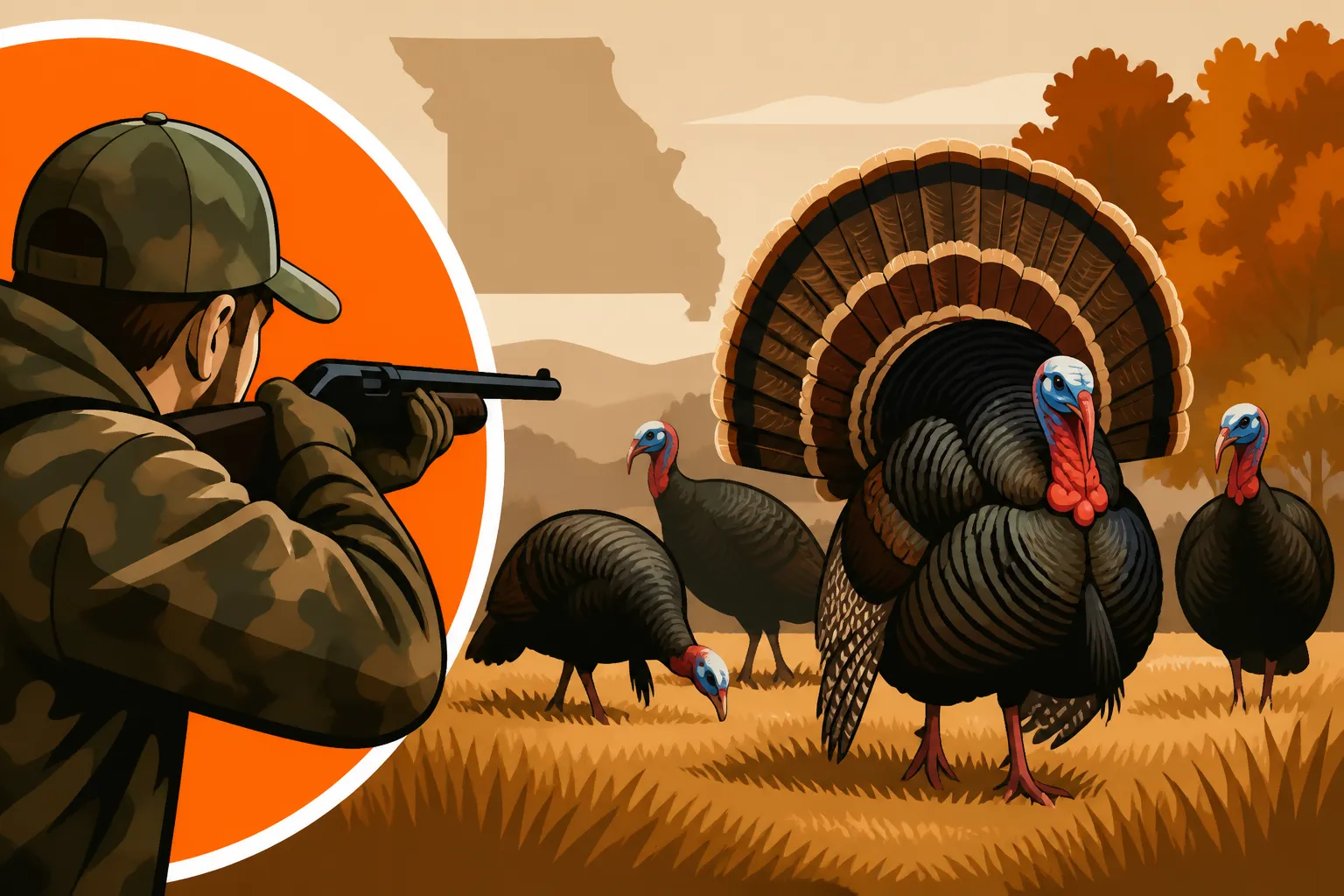
There's nothing quite like the crisp air of a Missouri autumn, heading into the woods with hopes of calling in a fall gobbler. But let's be honest, those fall turkey flocks can be incredibly tight-lipped and challenging to approach, making it feel like you're playing a frustrating game of hide-and-seek. This guide will walk you through the effective, time-honored tactic of breaking up a fall turkey flock and then calling those scattered birds back to your setup, helping you fill your tag when the leaves start to turn.
Understanding Fall Turkey Behavior
Fall turkeys behave quite differently from their spring counterparts. Gone are the days of aggressive gobblers seeking hens for breeding. In autumn, the focus shifts to survival, food, and maintaining the social structure of their family groups. Understanding these dynamics is the cornerstone of successful fall turkey hunting, especially when employing the "flock break" strategy.
The Dynamics of Fall Flocks
In the fall, Missouri turkeys primarily congregate in three types of flocks:
- Hen and Poult Flocks: These are the most common and often the largest groups. They consist of a mature hen (or several hens) and her brood (or multiple broods) from the spring hatch. These young birds, or "poults," are typically jakes and jennies by fall, but they stick together under the guidance of the adult hen. They're incredibly vocal when scattered, making them prime targets for the flock break.
- Jake Flocks: Younger gobblers, or "jakes," who haven't yet joined the adult gobbler ranks often form their own bachelor groups. They're usually less wary than adult gobblers but still prefer safety in numbers. They can also be responsive to calls after a break.
- Adult Gobbler Flocks: Mature gobblers, those grand old birds with long beards, tend to separate from hens and poults after the breeding season. They form small, tight-knit bachelor groups. These birds are the most challenging to break and call back, often remaining silent and cautious.
The key takeaway here is that turkeys are highly social animals. They find safety and comfort in numbers. This inherent need to be together is precisely what makes the flock break a potent tactic. When you scatter them, you're exploiting their natural instinct to regroup, especially the younger, less experienced birds. These birds communicate constantly, using a variety of calls to keep track of each other, making them vulnerable when alone. You can learn more about how these birds establish their social hierarchies and survival instincts by diving into Missouri Turkey Population Trends.
Why They Want to Re-flock
Imagine being alone in a vast, potentially dangerous forest, when just moments ago you were surrounded by your entire family. That's essentially what happens to a turkey after a successful flock break. Their primary motivation becomes finding their flock mates. This isn't just about companionship; it's a survival mechanism. A single turkey is far more vulnerable to predators like coyotes, bobcats, and even eagles than a group.
The calls you'll use after scattering them mimic the sounds of lost turkeys desperately trying to locate their family. These are comfort calls, distress calls, and reunion calls. Younger birds, especially poults and jakes, have a stronger, more immediate drive to regroup. They are less experienced and rely heavily on the older hens for guidance and protection. Adult hens, while wary, also feel a strong maternal pull to gather their scattered brood. Even adult gobblers, though less vocal and harder to bring in, have a social instinct to be with their group. The stronger the family bond, the more effective the regrouping instinct.
The Art of the Break
Executing a successful flock break isn't just about running at turkeys; it's a calculated maneuver that starts long before you ever lay eyes on them. It requires scouting, stealth, and a decisive final move.
Scouting for Fall Turkeys
Before you can break a flock, you have to find one. Fall turkey scouting revolves around identifying key areas where turkeys spend their time.
- Food Sources: In autumn, turkeys are constantly on the move, searching for food. Look for mast crops like acorns (especially white oak acorns, which deer and turkeys love), beechnuts, and wild grapes. They'll also frequent harvested crop fields, gleaning leftover corn or soybeans. Look for scratching in the leaf litter under oak trees. If you're hunting near agricultural land, understanding What Changes After the Beans Come Off can be critical for finding these birds.
- Dusting Bowls: Turkeys love to take dust baths to clean their feathers and get rid of parasites. These "bowls" are often found in dry, sandy spots, clearings, or along old logging roads. Fresh dusting sign indicates recent turkey activity.
- Roosting Areas: Turkeys will roost in tall trees, often near water or on ridges, to escape ground predators at night. Look for droppings and feathers under large, mature trees, particularly pines or hardwoods with strong, horizontal limbs. Knowing their roosting habits allows you to intercept them either heading to or from the roost.
- Travel Corridors: Turkeys often use the same routes between roosts, food sources, and water. Look for tracks, droppings, and scratch marks along old logging roads, creek bottoms, and ridge lines.
Using mapping tools can be a huge advantage. Platforms like GoHunt provide detailed satellite imagery and topographical maps that help you identify potential food sources, roosting sites, and travel routes, especially when you're Scouting Missouri Public Land Before Season. Spend time watching these areas from a distance, or set up trail cameras, to confirm turkey presence and understand their routines.
The Approach and Flush
Once you've located a flock, the real fun begins. Your goal is to approach them as stealthily as possible without being detected too early, then burst upon them to send them scattering in every direction.
- Stealthy Approach: Move slowly and quietly, using terrain and vegetation for cover. Pay attention to the wind direction to avoid carrying your scent to the birds. If you're in open timber, use trees and brush to break up your silhouette. The closer you can get before they know you're there, the more effective the break will be. Aim to get within 50-75 yards if possible.
- The Burst: When you're in position and have a clear path to charge, make your move. Run directly at the flock, yelling, waving your arms, and making as much noise as possible. The objective is to create chaos and force the birds to fly or run in separate directions. Do not shoot into the fleeing flock; the goal is to scatter them, not to harvest a bird mid-flush. Be mindful of your footing and surroundings, especially in rough terrain or when Hunting Turkeys in Ozark Hollows.
- Safety First: Always be aware of your surroundings, especially if hunting public land or with others. Ensure you know where your hunting partners are and avoid charging towards roads, private property lines, or areas where other hunters might be. This aggressive tactic requires a heightened sense of safety.
The effectiveness of the break depends on how thoroughly you scatter them. A good break leaves birds confused and isolated, setting the stage for your calling sequence.
Setting Up for the Re-call
Immediately after the flush, don't just stand there – react quickly!
- Assess the Situation: Observe where the birds flew or ran. Note the direction and approximate distance they traveled. This helps you anticipate where they might try to regroup.
- Find Your Setup: Quickly identify a good calling location. This should be a spot with good cover to conceal you, an open shooting lane (or several), and a clear view of where you expect the birds to return. A tree with a wide trunk for a backrest, a thick brush pile, or even a small rise can work. Getting down quickly and quietly is crucial.
- Listen and Wait: After setting up, remain absolutely still and silent for at least 15-20 minutes. This is critical. The birds are disoriented and will often start clucking, kee-keeing, or yelping shortly after the break to locate each other. Let them do the initial calling. Listen intently to gauge their proximity, their direction, and the types of calls they're making. The initial silence on your part creates an even greater sense of urgency for the scattered birds to start calling. This strategy is also useful when trying Run-and-Gun Turkey Tactics in the Missouri Ozarks.
Calling Strategies for Scattered Birds
Once the birds are scattered and you're set up, your calling strategy needs to be precise and patient. The goal is to sound like a lost turkey trying to re-flock.
Soft Yelps and Kee-Kees
These are your bread and butter calls for fall turkeys after a break.
- The Kee-Kee: This is the primary call of lost young turkeys. It's a high-pitched, pleading whistle, often followed by a short yelp, known as a "kee-kee run." It sounds like "kee-kee-kee-yelp." Young birds use this call constantly when they're separated from the flock. Practice this call with a mouth call or a slate call until it sounds natural. Start with soft kee-kees and listen for a response.
- Lost Hen Yelps: While kee-kees are for poults, a soft, plaintive lost hen yelp can also be very effective, especially for bringing in the adult hens who are trying to gather their young. Keep these yelps soft and drawn out, mimicking a bird that's worried and looking for company.
- Clucks and Purrs: As birds get closer, use soft clucks and purrs to reassure them. These are contentment calls that suggest a turkey is nearby and safe, drawing the birds in the final few yards.
Start calling very sparingly, perhaps a sequence of soft kee-kees or lost yelps every 5-10 minutes. The idea is to just give them a locator, not to over-call. If you hear a bird respond, especially a poult with a kee-kee, respond with the same call, matching its cadence and volume. This conversation can be incredibly exciting. For a deeper dive into vocalizations, check out Turkey Calls Worth Carrying in Missouri.
Patience and Persistence
This is arguably the most challenging part of the flock break. Turkeys, especially older ones, are cautious.
- Wait Them Out: Unlike spring gobblers that might strut in quickly, fall birds often take their sweet time. They'll circle, approach cautiously, and try to pinpoint your exact location. You might hear them scratching in the leaves, clucking softly, or seeing them ghost through the timber. Remain absolutely motionless. Any sudden movement can send them scattering again.
- Know When to Call and When to be Silent: If a bird is actively responding and getting closer, reduce your calling or even go silent. Let their natural curiosity and desire to regroup do the work. If responses cease, or if the birds seem to hang up, you can try a very soft call or two to re-engage them.
- The Long Haul: Be prepared to sit for an hour or more. Many successful fall turkey hunts happen well after the initial break, sometimes even hours later as birds slowly filter back.
When to Adjust Your Strategy
Sometimes, your initial plan won't work perfectly.
- No Responses: If after 30-45 minutes you're getting no responses, consider moving your position slightly, especially if you heard birds fly off in a particular direction. A small move to a new vantage point might be all it takes.
- Different Groups: Occasionally, after a break, you might start calling to one group, only for another, entirely separate flock to respond. Be adaptable. If a different group is more vocal and approaching, focus your attention there.
- Reluctant Gobblers: If you suspect you've scattered an adult gobbler flock, realize that calling them back is incredibly difficult. They often don't respond to calls and will silently try to regroup. In this scenario, patience is key, and you might need to revert to still-hunting or spot-and-stalk tactics after a long wait, rather than aggressive calling.
- Consider Decoys (with caution): While less common in fall than spring, a single hen or jake decoy can sometimes help seal the deal, especially if you have a bird hanging up just out of range. However, use them cautiously in thick cover where visibility is limited, as another hunter could mistake movement. Decoys are often used to good effect when considering Decoy Placement for Pressured Birds.
Here’s a quick guide to common fall turkey calls and their typical use:
| Call Type | Description | Best for Attracting | Notes |
|---|---|---|---|
| Kee-Kee | High-pitched, pleading whistle, often followed by short yelps (kee-kee run) | Poults, Jakes | Primary "lost bird" call, especially effective for young birds. |
| Lost Hen Yelp | Soft, drawn-out, somewhat melancholy yelps | Adult Hens, Poults | Mimics a hen looking for her brood; can pull in jakes and adult hens. |
| Soft Cluck | Short, sharp, single note | Any Scattered Bird | Used for reassurance as birds get closer; keep it minimal. |
| Purr | Soft, rolling guttural sound | Any Scattered Bird | Contentment call, best for very close birds; indicates safety and comfort. |
| Assembly Yelp | Series of loud, rapid yelps | Entire Flock | Used by a dominant hen to gather her flock; can be risky if overused. |
Gear and Tactics for Fall Success
Having the right gear and understanding some specific fall tactics can significantly increase your chances of success. It's not just about the calls; it's about being prepared for the environment and the birds' behavior.
Camouflage and Concealment
Fall hunting often means more open woods after the leaves drop, making good camouflage and concealment even more critical.
- Full Camo Coverage: Head-to-toe camouflage is a must. This includes a face mask, gloves, and clothing that blends in with the muted browns, grays, and yellows of the autumn timber.
- Breaking Up Your Silhouette: Always position yourself against a solid object, like a large tree trunk, a thick brush pile, or even a rock face. This breaks up your human outline and makes it harder for keen turkey eyes to pick you out.
- Stillness is Key: No matter how good your camo, movement is what turkeys detect most easily. Practice holding absolutely still for extended periods. Even a slight head turn or shifting of weight can give you away.
Shotguns and Loads
Selecting the right shotgun and ammunition for fall turkeys is similar to spring, but with a few nuances.
- Gauge and Choke: A 12-gauge or 20-gauge shotgun is standard. Use a full or extra-full choke to ensure a tight pattern for head and neck shots. Pattern your shotgun beforehand with your chosen loads to know its effective range. This meticulous patterning also applies to your setup when considering Turkey Shotguns and Chokes.
- Ammunition: Tungsten-based loads, like those from Federal Premium or Winchester, offer superior density and penetration, extending your effective range. However, standard lead turkey loads can also be very effective, especially if you keep your shots within 30-40 yards. Remember, a turkey's head and neck are relatively small targets, so pattern density is paramount. For more on what to load, consider Turkey Loads for Missouri Birds.
- Optics: While not always necessary, a red dot sight or a low-power scope on your shotgun can greatly improve aiming precision, especially in low light or at slightly longer ranges.
Leveraging Technology
Modern hunting tools can provide a significant edge for fall turkey hunters.
- GPS and Mapping Apps: Tools like the GoHunt app or other GPS units are invaluable for navigating public lands, marking scouting locations, and remembering where you scattered birds. They can help you stay oriented in unfamiliar territory, especially in areas like Missouri's Managed Wetland Areas or the expansive Mark Twain National Forest Hunting. They also allow you to identify property lines to avoid trespassing.
- Weather Apps: Monitoring weather forecasts is crucial. Rain can dampen turkey activity and calling, while cold snaps might drive them to different food sources.
- Trail Cameras: As mentioned earlier, trail cameras can confirm turkey presence, identify travel routes, and even give you an idea of flock size and composition before you ever step foot in the area with your gun.
By combining traditional hunting skills with smart use of technology, you can maximize your chances of turning a scattered flock into a successful hunt in the Missouri woods.
Disclaimer
Hunting involves inherent risks, and it is the responsibility of each hunter to know and follow all applicable laws and regulations. Always prioritize safety, practice ethical hunting, and respect wildlife and the environment. This guide provides general information and should not replace professional instruction or official regulations from the Missouri Department of Conservation.