Telecheck Requirements After a Harvest
There's nothing quite like the rush after a successful hunt in Missouri, whether it's the culmination of a long archery season or the quick adrenaline of the firearms portion. But amidst the excitement, many hunters find themselves wrestling with a crucial, yet sometimes confusing, final step: Telecheck. Getting your hard-earned harvest properly reported can feel like an extra burden, especially after a challenging recovery or when you're just eager to get the meat cooled. This guide is here to untangle the Telecheck requirements, explaining not just what to do, but why it matters, ensuring you can report your game with confidence and compliance.
Why Missouri Uses Telecheck for Game Harvests
For those of us who've been hunting in Missouri for a while, the system has evolved significantly over the years. Gone are the days of driving to a local bait shop or conservation area headquarters just to get a physical tag signed. The Missouri Department of Conservation (MDC) moved to the Telecheck system to streamline the process, and while it might seem like just another hoop to jump through, there's some solid reasoning behind it.
The Purpose Behind the System
At its heart, Telecheck is a critical tool for wildlife management. Imagine trying to manage millions of acres of diverse habitat and countless deer and turkey without a reliable way to track harvest numbers. It would be like trying to run a business without knowing how much inventory you have or how many sales you're making. The MDC relies on the data collected through Telecheck to get an accurate, real-time snapshot of how many animals are being harvested across the state. This information is vital for assessing deer and turkey populations, understanding local trends, and making informed decisions about future hunting regulations.
For example, if harvest numbers suddenly dip in a particular county, it might signal a need to investigate potential issues like disease outbreaks, habitat loss, or even just a tough hunting year. Conversely, consistently high harvest numbers in an area might indicate a healthy, robust population that could sustain additional antlerless harvest opportunities. Every single Telecheck report contributes to this bigger picture, helping MDC biologists ensure healthy wildlife populations for generations to come. It’s our way of contributing to the science that keeps Missouri's hunting traditions strong and viable.
Evolution of Harvest Reporting in Missouri
Back in the day, before the digital age took hold, hunters would often have to physically check their deer or turkey at designated check stations. These were typically local businesses, conservation area offices, or even volunteer-run sites, often requiring a drive out of your way, sometimes with a full deer carcass in tow. While these stations offered a sense of community and a chance to share stories, they were also labor-intensive for MDC staff and volunteers, and the data collection could be slow and prone to manual errors.
As technology advanced and hunting pressure increased, the need for a more efficient and accurate system became apparent. The MDC began phasing in Telecheck, leveraging phone and then internet technology, to make reporting easier for hunters and data collection more immediate and reliable for the department. This shift was really about convenience for hunters – allowing us to report from home, camp, or even the deer woods – while simultaneously providing the MDC with a more robust dataset. It allows for quick adjustments and insights that simply weren't possible with older, more manual systems, making the entire wildlife management process more agile and responsive to the needs of the resource.
Understanding Which Animals Require Telecheck
One of the most common questions hunters have is, "Does this animal need to be Telechecked?" While the answer is often yes for our most popular game species, it's not a universal rule for everything you might hunt in Missouri. Knowing the specifics helps avoid any last-minute scramble or potential violations.
Deer Harvest Telecheck Rules
Let's be clear right from the start: every single deer harvested in Missouri, regardless of the season or the permit type, must be Telechecked. This includes deer taken during the Bowhunting Missouri's Four-Month Archery Season, the Missouri's Eleven-Day November Firearms Deer Season, the Alternative Methods Deer Hunting in Missouri portion, and any early or late antlerless portions. It doesn't matter if it's a giant buck or a button buck, an adult doe or a fawn—if you tag it, you Telecheck it.
When you go to Telecheck your deer, you'll need to provide several key pieces of information. This typically includes your permit number, the date and time of harvest, the county where the deer was taken, the sex of the deer, and importantly, the number of antler points on at least one side if it's an antlered deer. For example, a 6-point buck would be reported as having 3 points on one side, not 6 total. You'll also need to indicate the weapon used, whether it was a traditional bow, crossbow, rifle, shotgun, or muzzleloader. This level of detail helps the MDC paint a comprehensive picture of deer harvest trends across the state, giving them vital data for managing our robust whitetail population. Knowing your Missouri Deer Permits and How to Buy One is the first step, and Telecheck is the crucial last.
Turkey Harvest Telecheck Rules
Just like with deer, all turkeys harvested in Missouri must be Telechecked. This applies to both the spring and fall turkey seasons. Whether you're chasing longbeards during the Missouri Spring Turkey Season Dates or hunting during the Missouri Fall Turkey Seasons, every bird needs to be reported. The rules here are quite straightforward: once you've legally tagged your bird, the Telecheck process is mandatory.
When Telechecking a turkey, you'll need your permit number, the harvest date and time, the county of harvest, and whether the turkey was bearded or beardless. For spring seasons, typically only bearded turkeys are allowed, but in the fall, either-sex birds can be taken depending on the permit and season dates. You'll also report the weapon used, which for turkeys is almost always a shotgun or a bow. This data helps the MDC track regional turkey population health, monitor reproductive success, and understand the impact of various hunting pressures on Missouri's wild turkey flock. It's a key piece of information for sustaining the impressive comeback our turkeys have made over the decades.
Other Species and Reporting Requirements
Now, here's where it gets a little less uniform. For the vast majority of other game species in Missouri—think small game like rabbits and squirrels, furbearers, migratory birds, and even fish—you typically do not need to use the Telecheck system. If you're out Squirrel and Rabbit Hunting in Missouri or pursuing Missouri Waterfowl on the Mississippi Flyway, you're generally not going to be calling in or logging on to report each individual animal.
However, that doesn't mean there are no reporting requirements for these species. For migratory birds, for instance, you'll need to complete the Harvest Information Program (HIP) registration each year you hunt them, which is a separate federal survey system. For Missouri's Resident-Only Elk Lottery or potential future bear seasons, specific and often more involved reporting requirements apply, sometimes involving physical check stations or additional biological samples. It's always crucial to double-check the current Missouri hunting regulations for any species you intend to pursue. The general rule of thumb is: if it's a deer or a turkey, prepare to Telecheck. For everything else, consult the latest MDC regulations to ensure you're in compliance with any other reporting mandates.
The Step-by-Step Telecheck Process
So, you've made the shot, found your animal, and now the real work begins—and that includes the legal reporting. It can feel like a lot to remember in the moment, especially when your hands are cold or the excitement is still high. But breaking it down into manageable steps makes it much easier.
Before You Telecheck Your Animal
The moments immediately following a harvest are critical, not just for meat care, but for legal compliance. First and foremost, you must immediately notch your permit. This isn't something you can put off until you get home. Missouri law requires you to notch the current month and day on your permit before moving the animal from the place of recovery. For deer, you'll also need to cut out the "sex" box (Antlered, Antlerless) to designate the type of deer harvested. Take your time, make sure you're notching the correct date and month, and ensure the notches are clear and legible. This is your first line of defense if a conservation agent stops you in the field.
Once your permit is notched, you can begin the physical process of getting your animal ready. This involves Field Dressing and Cooling in Early-Season Heat to preserve the meat, and then the often-challenging task of transporting it. Your notched permit must remain attached to the animal during transport, even if you're just dragging it a short distance to your vehicle or driving it directly to a processor. Make sure the permit is secured in a way that it won't fall off or get damaged. If you're going to a processor or taxidermist, they will need this permit with the Telecheck confirmation number written on it, which we'll get to in the next step.
Methods for Completing a Telecheck
Missouri offers several convenient ways to complete your Telecheck, understanding that hunters might be in remote areas or prefer different methods. All methods require essentially the same information, so have your notched permit ready.
1. Phone Call: The traditional method for Telecheck is to call the dedicated toll-free number: 1-800-TAG-IT-MO (1-800-824-4866). This automated system will walk you through a series of prompts. You'll need to input your permit number, the harvest date, county, sex/antler points (for deer) or bearded/beardless (for turkey), and the weapon used. It's usually pretty straightforward, but make sure you're in an area with good cell service to avoid dropped calls. Always double-check your entries before confirming.
2. Online Portal: For those with internet access, the MDC website provides an online Telecheck portal. You can find this by searching "MDC Telecheck" or navigating through the MDC's official hunting section. This method offers the advantage of a visual interface, which some people find easier than navigating phone prompts. You'll log in, enter your permit details, and fill out the same harvest information. This is a great option if you're at home or have a reliable internet connection at deer camp.
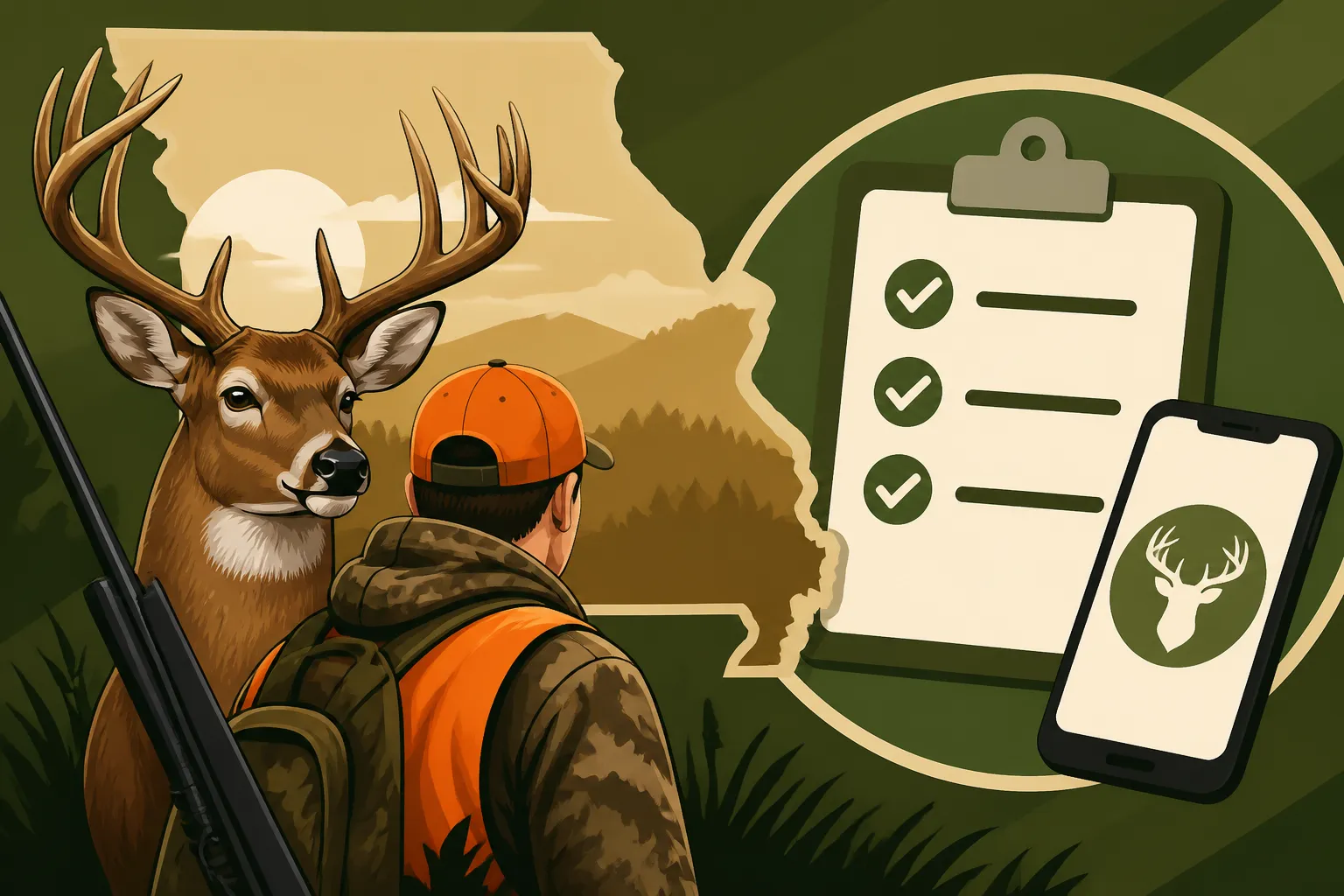
3. MO Hunting App: Perhaps the most convenient method for many modern hunters is the official MO Hunting app, available for both Apple and Android devices. This app allows you to purchase permits, view regulations, and crucially, Telecheck your harvest directly from your smartphone, often even in areas with limited cell service (though it will eventually need to sync). The app is designed to be user-friendly, guiding you step-by-step through the process. For example, after a successful deer hunt where I used my onX Layers for Missouri Land Status to confirm boundaries, I can easily switch to the MO Hunting app to report the harvest from the field. Having the permit already linked to your profile in the app can save time and reduce input errors. It’s an incredibly useful tool that puts many of the state's hunting services right in your pocket.
Regardless of the method you choose, always ensure you have your permit number, the exact date and time of harvest, the county, the sex of the animal (and antler points for deer), and the weapon used. Being prepared with this information beforehand makes the process quick and painless.
Receiving and Attaching Your Confirmation Number
This is the final, crucial step in the Telecheck process. Once you've successfully submitted your harvest information, whether by phone, online, or through the app, you will be given a unique confirmation number. This number is your proof that you've legally reported your harvest to the MDC.
Immediately after receiving it, you must write this confirmation number clearly and legibly on your permit. Then, ensure that the permit, with the confirmation number now written on it, remains securely attached to your harvested animal. This confirmation number effectively completes your legal tag. Why is this so important? Firstly, it's required for legal transport. If a conservation agent stops you, they will check for your notched permit and the Telecheck confirmation number. Secondly, if you take your deer or turkey to a commercial processor or taxidermist, they are legally required to see this permit with the confirmation number before they can accept your animal. It proves to them, and to the MDC, that the animal was legally harvested and reported. Without that number, your animal cannot be processed or mounted, potentially leading to significant headaches and even legal trouble. Think of it as the final seal of approval on your successful hunt.
Common Telecheck Questions and Troubleshooting
Even with the best intentions and careful planning, questions or unexpected situations can arise during the Telecheck process. It's completely normal to have uncertainties, especially when dealing with legal requirements after an exciting, often exhausting, hunt.
The Telecheck Deadline and Why It Matters
One of the most critical aspects of Missouri's Telecheck system is the deadline. For both deer and turkey, you are required to Telecheck your harvest by 10:00 p.m. on the same day the animal was harvested. This is a non-negotiable rule, and missing it can lead to serious consequences. Imagine a scenario: you make a successful shot on a deer late in the evening, say around 4:30 p.m., in a remote Ozark hollow. After the recovery, field dressing, and the arduous task of Getting a Deer Out of a Hollow Alone, you might not get back to your truck until after dark, perhaps around 8:30 or 9:00 p.m. You're exhausted, cold, and hungry. It would be tempting to just head home and take care of the Telecheck in the morning.
However, that would be a violation. The 10 p.m. deadline is firm. The MDC relies on this timely reporting for accurate data collection, particularly for daily harvest totals. If you harvest an animal late in the day, you must prioritize getting it Telechecked before 10 p.m., even if it means pulling over at the first place with cell service or stopping at a gas station with Wi-Fi. The penalties for failing to Telecheck by the deadline can include fines, permit revocation, and even the confiscation of your harvested animal. It's a risk simply not worth taking. This deadline is strictly enforced, and it's covered in MDC's official regulations, often highlighted as The Missouri Telecheck Deadline.
What to Do If You Make a Mistake
Mistakes happen to the best of us, especially when you're cold, tired, and trying to navigate an automated system or fill out an online form. Maybe you accidentally entered the wrong county, or miscounted antler points, or selected the wrong weapon. If you realize you've made an error during the Telecheck process, do not try to correct it by submitting a second, different Telecheck entry for the same animal. This can create more confusion and potentially flag your account for suspicious activity.
The absolute best course of action if you've made a mistake is to contact the Missouri Department of Conservation directly and immediately. Their staff can help you rectify the error. Be honest and explain what happened. They understand that honest mistakes occur, and they would much rather you call to correct an accidental misreport than have incorrect data in their system or, worse, for you to try to cover it up. You can usually find their contact information on the MDC website or in the current hunting regulations handbook. Taking proactive steps to correct an error shows good faith and responsible hunting practices.
Telecheck for Special Scenarios
While the core Telecheck process remains consistent, some specific hunting scenarios might raise questions about additional steps or different procedures.
- Landowner Permits: If you're hunting on your own land under a landowner permit, the Telecheck process is exactly the same as if you purchased a regular permit. You still need to notch the permit and Telecheck the animal by the 10 p.m. deadline. There are no exemptions from Telecheck requirements for landowners, even though Missouri Landowner Permits and Exemptions might offer other benefits.
- Youth Permits: Similarly, deer or turkeys harvested by youth hunters using a special Youth Portion Strategy in Missouri permit must also be Telechecked following the same guidelines. It's a great opportunity for young hunters to learn the full process, from harvest to reporting, under the guidance of an adult.
- Managed Hunts: Managed deer or turkey hunts on specific conservation areas or state parks often have additional requirements beyond standard Telecheck. While you will typically still need to complete the regular Telecheck, these hunts might also require an on-site check station, biological sample collection (such as for Chronic Wasting Disease in Missouri Deer monitoring), or a specific sign-out procedure at the end of your hunt. Always read the specific rules and instructions for any managed hunt you participate in very carefully, as they can vary significantly.
When in doubt about any specific scenario, the current Missouri hunting regulations are your best friend, or a quick call to the MDC can provide clarity.
Why Timely Reporting Benefits All Hunters
It's easy to view Telecheck as a bureaucratic hurdle, especially when you're tired and just want to get your animal taken care of. However, looking at the bigger picture reveals that timely and accurate reporting is one of the most fundamental contributions hunters make to wildlife conservation and the future of hunting itself. It's not just about compliance; it's about active participation in responsible resource management.
Contributing to Sound Wildlife Management
Every single Telecheck report you submit becomes a data point, a tiny but crucial piece of information that helps build a comprehensive understanding of Missouri's wildlife. This data allows MDC biologists to make science-based decisions, moving away from guesswork and relying instead on quantifiable trends. For instance, harvest numbers, combined with population surveys and habitat assessments, allow the MDC to:
- Monitor population health: Is the deer herd growing, shrinking, or stable in a particular region? Are turkey poult survival rates impacting future harvest potential? Telecheck data provides vital clues.
- Track disease outbreaks: Harvest locations can help map the spread of diseases like CWD or EHD, allowing the MDC to implement targeted management strategies and keep hunters informed about Missouri Wildlife Disease Monitoring.
- Assess season impacts: By analyzing harvest data across different portions (archery, firearms, alternative methods), the MDC can evaluate how various seasons impact herd dynamics and make adjustments to ensure sustainable hunting opportunities for years to come.
- Inform habitat management: Understanding where animals are being harvested and the types of habitats they're using can help guide habitat improvement projects on public and private lands, ensuring animals have the food, water, and cover they need.
Your Telecheck isn't just a number; it's a direct investment in the health and sustainability of the very resources we cherish. It allows the MDC to publish annual harvest reports, like the Missouri Annual Deer Harvest figures, that are transparent and accessible, showing hunters exactly how their efforts contribute to the overall picture.
Ensuring Fair Chase and Ethical Practices
Beyond scientific management, the Telecheck system plays a vital role in upholding the principles of fair chase and ethical hunting. By requiring immediate tagging and timely reporting, the system adds a layer of accountability that helps deter illegal activities such as poaching or over-harvesting.
For example, if an individual tries to harvest more animals than their permits allow, the Telecheck system creates a digital trail that can quickly expose such violations. It also helps conservation agents in the field by providing a clear, verifiable record of a hunter's harvest. This transparency helps to ensure that all hunters are playing by the same rules, creating a level playing field and fostering a sense of community based on shared ethics. When we all adhere to these requirements, we collectively safeguard the integrity of hunting in Missouri, preserving its reputation and ensuring that future generations can enjoy the same opportunities we do. It demonstrates our commitment to being responsible stewards of the land and its wildlife.
| Harvested Species | Telecheck Required | Deadline | Information Needed (Examples) | Additional Notes |
|---|---|---|---|---|
| White-tailed Deer | Yes (All deer) | 10 PM same day | Permit #, Date/Time, County, Sex, Antler Points, Weapon | Must notch permit immediately upon harvest. |
| Wild Turkey | Yes (All turkeys) | 10 PM same day | Permit #, Date/Time, County, Bearded/Beardless, Weapon | Must notch permit immediately upon harvest. |
| Missouri Elk | Yes (Special) | Specific MDC rules | Permit #, Date/Time, County, Sex, Antler Points, Specific Check Station Requirements | Requires physical check station and specific reporting beyond standard Telecheck. |
| Small Game (Rabbit, Squirrel, etc.) | No | N/A | N/A | No individual Telecheck required. |
| Furbearers (Coyote, Bobcat, etc.) | No (Some tagging) | N/A | Tagging requirements for specific species (e.g., bobcat). | Check regulations for specific species. |
| Migratory Birds (Ducks, Geese, Dove) | No | N/A | HIP certification required annually. | Federal surveys track overall harvest. |
Disclaimer
The information provided in this guide is intended for general informational purposes only and does not constitute legal advice. Hunting regulations in Missouri can change, and it is the hunter's responsibility to consult the most current Missouri Department of Conservation (MDC) hunting regulations and ordinances before participating in any hunting activity. Always confirm specific permit requirements, season dates, legal methods, and reporting procedures directly with the MDC.