Elk in the Missouri Ozarks
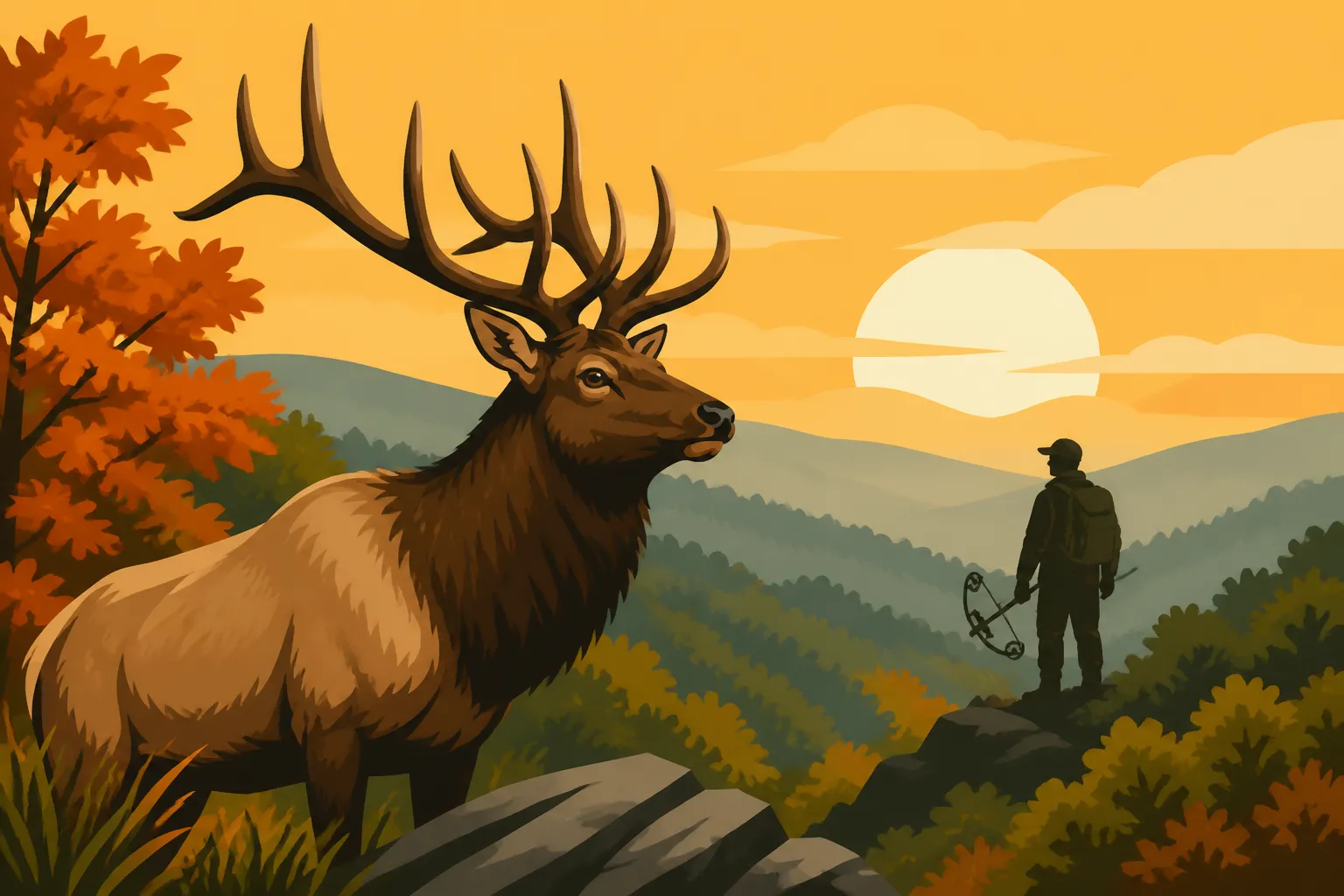
The sight of a wild elk bugling across a Missouri Ozark hollow was once relegated to the dusty pages of history books, a majestic memory from a bygone era. For generations of hunters and wildlife enthusiasts, the idea of these magnificent animals gracing our landscapes again felt like an impossible dream. But against all odds and through years of dedicated effort, Missouri has brought back its native elk, offering a truly unique and exciting chapter in our state's conservation story. This guide will walk you through the remarkable journey of elk reintroduction, where to find them, how the herd is thriving, the challenges they face, and even the slim but thrilling chance you might one day hunt one.
The Incredible Return of Elk to Missouri's Ozarks
For many of us who grew up in Missouri, the idea of elk roaming our state seemed almost foreign. It was a species associated with the American West, not the hardwood ridges and river bottoms of the Ozarks. Yet, these impressive animals once called Missouri home, their presence an integral part of the natural tapestry.
A Historical Perspective of Missouri Elk
If you've ever delved into the historical accounts of Missouri's wildlife, you'd quickly learn that elk weren't just visitors; they were residents. Back in the days before widespread settlement and industrialization, elk populations thrived across much of North America, including right here in what would become Missouri. These were likely a subspecies of eastern elk, often described as darker and larger than their western cousins. Early explorers and pioneers documented their presence, admiring their size and grace. However, the unchecked expansion of human activity in the 18th and 19th centuries proved devastating. Unregulated market hunting, driven by the demand for meat, hides, and antlers, decimated herds across the continent. Simultaneously, the conversion of vast tracts of wilderness into agricultural land shattered their habitat, removing the very spaces they needed to survive. By the late 1800s, Missouri's elk population was completely extirpated, a sad testament to human impact. The last wild elk in Missouri was believed to have been killed around 1865, leaving a void that would persist for over a century. It was a stark reminder of what can be lost when conservation isn't a priority.
The Reintroduction Efforts Begin
The dream of bringing elk back to Missouri simmered for decades within conservation circles. It wasn't just about restoring a single species; it was about mending a historical wound and enriching the state's biodiversity. The Missouri Department of Conservation (MDC), in collaboration with key partners like the Rocky Mountain Elk Foundation (RMEF), began seriously exploring reintroduction in the early 2000s. Years of careful planning, habitat assessments, and public outreach were required. It wasn't a decision made lightly; reintroducing a large ungulate like an elk comes with significant ecological and social considerations. After extensive research, a suitable release area was identified in the rugged, sparsely populated southeastern Ozarks, specifically focusing on lands within and around Peck Ranch Conservation Area. In 2011, the ambitious plan truly kicked off. Kentucky, a state with a highly successful elk reintroduction program, generously provided the initial animals. These elk, carefully trapped and health-checked, were transported to Missouri. The first release, a truly emotional moment for many involved, marked the beginning of a new era for Missouri's wildlife.
Early Challenges and Successes
No reintroduction is without its hurdles, and Missouri's elk program was no exception. The initial cohort of elk faced the immense challenge of adapting to a new landscape, albeit one that historically supported their ancestors. Survival rates were closely monitored, and biologists watched anxiously as the elk explored their new home. One of the primary concerns was ensuring the elk stayed within the designated core elk zone, minimizing conflicts with private landowners and reducing the risk of vehicle collisions on busy roads. GPS collars provided invaluable data, allowing MDC staff to track movements, identify prime habitat use, and understand dispersal patterns.
Disease was another significant worry, particularly with the ever-present threat of Chronic Wasting Disease (CWD) in the broader deer population. Thankfully, the Kentucky elk underwent rigorous testing before relocation, and continued monitoring of the herd has been a top priority. Despite these challenges, the early years were marked by significant successes. The elk quickly began to reproduce, with the first calves hitting the ground in the spring following the initial releases. These tiny, spotted bundles of hope were tangible proof that the project was working. The herd demonstrated a remarkable ability to adapt to the Ozark environment, utilizing a mosaic of forest openings, glades, and timbered hillsides. While growth was initially slow and steady, it was consistent, laying the foundation for the healthy and robust population we see today.
Where the Missouri Elk Roam Today: Understanding Their Range
If you're eager to catch a glimpse of these magnificent creatures, knowing where they prefer to hang out is key. While elk are wild animals and can turn up almost anywhere, their primary stomping grounds are concentrated in a specific region of the Missouri Ozarks.
Core Elk Zone: Peck Ranch and Surrounding Areas
The heart of Missouri's elk country remains the original release site and the surrounding public lands. The official "Elk Restoration Zone" encompasses parts of Carter, Shannon, Reynolds, and Wayne counties. Within this zone, Peck Ranch Conservation Area stands as a central pillar. This sprawling 23,000-acre conservation area, managed by the MDC, provides ideal habitat with a mix of woodlands, glades, and fields. It's truly a testament to thoughtful land management. Peck Ranch Conservation Area Hunting is a unique experience, even for those not directly pursuing elk, as the sheer wildness of the area is palpable. Nearby, the Current River Conservation Area and portions of the Roger Pryor Pioneer Backcountry also offer significant elk habitat. These areas are characterized by rugged, dissected terrain, with steep valleys, rocky outcrops, and clear spring-fed rivers. The geology and topography naturally limit human population density, providing the solitude and expansive ranges that elk require. The MDC actively manages these lands, conducting prescribed burns, timber stand improvement, and glade restoration to ensure a continued supply of high-quality forage and cover for the growing herd.
Expanding Horizons: Elk Beyond the Core
While the official elk zone is where most of the herd resides, these animals are known to be wanderers. Elk don't read maps, and their natural instinct to explore and seek new territories means they're constantly pushing the boundaries of their established range. We've seen reports and confirmed sightings of elk moving into neighboring counties, sometimes quite a distance from the core zone. This natural dispersal is a sign of a healthy and growing population, but it also presents new challenges. Elk venturing onto private land, especially agricultural fields, can lead to crop damage and, understandably, frustration for landowners. The MDC works closely with landowners in these fringe areas, offering assistance with fencing and exploring solutions to minimize conflicts. While it's exciting to hear about an elk sighting far from the core, remember that these animals are still relatively rare in most of the state, and their movements are often influenced by seasonal food availability and breeding cycles. The long-term goal is a self-sustaining population that can thrive throughout a broader, suitable range within the Ozarks.
Understanding Elk Habitat in the Ozarks
The Ozark landscape, with its unique blend of ecosystems, is surprisingly well-suited for elk. They are incredibly adaptable animals, capable of utilizing a variety of habitats. In Missouri, they thrive in areas that offer a mosaic of open woodlands, especially those with mature oak-hickory stands interspersed with pine. Crucially, glades play a vital role. These naturally open, rocky grasslands provide abundant grasses and forbs, critical forage, especially in spring and summer. The MDC’s extensive glade restoration projects in the Ozarks have not only benefited numerous native species but have directly contributed to the success of the elk reintroduction. Riparian corridors, the areas along rivers and streams, also provide important cover, water sources, and often more lush vegetation. Elk are primarily grazers, but they will also browse on shrubs and young tree growth, especially in winter when herbaceous vegetation is scarce. The active forest management and prescribed fire regimes on public lands are designed to create this diverse, dynamic habitat that offers both food and security cover, helping the herd to grow and flourish.
The Health and Growth of Missouri's Elk Herd
The ultimate measure of any reintroduction program's success lies in the health and growth of the animal population. Missouri's elk herd has shown remarkable resilience and steady expansion, a true testament to dedicated conservation efforts.
Population Trends and Estimates
Tracking the population of a large, free-ranging animal like an elk is a complex task. The Missouri Department of Conservation employs a variety of methods to get the most accurate estimate possible. These include aerial surveys, particularly useful during late winter when leaves are off the trees and elk congregate in more open areas. Biologists also rely heavily on observations from ground crews, remote camera data, and even reports from the public within the elk zone. The good news is that the herd has been growing steadily since the initial releases. While specific numbers fluctuate from year to year based on various factors, the trend has been consistently upward. In recent years, estimates have placed the herd well over 200 animals, a significant increase from the initial 100-plus released. This upward trajectory indicates that the elk are finding ample food, suitable habitat, and are successfully reproducing in the Ozarks. It's a slow burn, but a very positive one.
Calving Success and Herd Growth Factors
The true engine of herd growth is successful reproduction, and Missouri's elk have been demonstrating strong calving success. Each spring, new calves are born, adding to the population. Several factors contribute to this success. A healthy cow elk herd, with good nutritional planes, is key to producing healthy calves. The quality of the habitat, providing both abundant forage and secure calving grounds, is paramount. Calves are most vulnerable in their first few weeks of life, susceptible to predation from black bears and coyotes. However, the Ozark ecosystem provides enough cover for many calves to evade predators, allowing them to grow and eventually contribute to the breeding population themselves. MDC biologists also closely monitor for any signs of disease that could impact calf survival or overall herd health. Calving Success and Herd Growth is a critical metric that MDC tracks rigorously, understanding that healthy young animals are the future of the herd.
Managing for a Sustainable Future
The MDC's approach to elk management is rooted in creating a sustainable, long-term future for the species in Missouri. This involves a delicate balance of biological science, habitat management, and addressing socio-economic concerns. One of the primary goals is to maintain a healthy population size that is ecologically sound within the Ozark landscape. This means ensuring there's enough food and space for the elk without overgrazing or causing undue stress on the ecosystem. The MDC also works proactively to mitigate potential conflicts with private landowners, understanding that their cooperation is essential for the long-term success of the program. This can include assistance with depredation issues, offering education on elk behavior, and maintaining open lines of communication. The vision isn't just to have elk; it's to have a thriving, wild elk population that enriches Missouri's natural heritage for generations to come. This forward-thinking management ensures that the initial reintroduction wasn't just a fleeting moment but the start of a lasting legacy.
Challenges and Conservation Efforts for Missouri Elk
Bringing back a wild animal like the elk is a monumental achievement, but it's not without its ongoing challenges. Conservation is a continuous process, requiring constant vigilance and proactive management to ensure the herd's long-term health and stability.
Road Mortality and Human-Wildlife Conflict
As the elk herd grows and expands its range, the interface with human infrastructure becomes an increasing concern. Road mortality, particularly on busy highways that traverse the Ozarks, is a significant threat. A large animal like an elk can cause substantial damage in a vehicle collision, posing a danger to both the animal and human motorists. The MDC works to identify high-risk areas and has implemented strategies like signage and public awareness campaigns. Beyond roads, elk occasionally venture onto private agricultural lands, leading to crop damage. While the beautiful sight of an elk in a field is thrilling, it's less so for the farmer whose livelihood depends on that harvest. The MDC has programs in place to assist landowners with mitigation strategies, such as fencing, and to address legitimate depredation issues, helping to maintain a positive relationship between wildlife and people. Striking a balance between elk expansion and minimizing human-wildlife conflict is a perpetual challenge that requires community engagement and adaptive management.
Disease Monitoring and Management
One of the most serious long-term threats to any wild ungulate population is disease, and Missouri's elk are no exception. While elk are generally robust animals, they are susceptible to various pathogens that can impact herd health and growth. Chronic Wasting Disease in Missouri Deer has been a significant concern for the state's deer herd, and while CWD has not yet been detected in Missouri elk, continuous surveillance is critical. Every harvested elk is tested for CWD, and animals found deceased are also examined. The MDC implements strict biosecurity protocols for any potential future translocation of elk, ensuring that no diseased animals are introduced. Other diseases, such as Epizootic Hemorrhagic Disease (EHD), which primarily affects deer but can impact elk, are also monitored. Missouri Wildlife Disease Monitoring is an ongoing effort that involves close collaboration with veterinarians and wildlife health specialists to ensure early detection and response to any potential outbreaks, safeguarding the health of this precious herd.
Ensuring Habitat Connectivity and Quality
Habitat is the cornerstone of any successful wildlife population, and for elk, this means expansive, connected areas of diverse forest and glade ecosystems. While the core elk zone provides excellent habitat, ensuring connectivity across the landscape is crucial for genetic diversity and natural dispersal. Forest management practices, including prescribed fire, are vital in maintaining the open woodlands and glade habitats that elk prefer. Prescribed burns reduce dense undergrowth, promote the growth of native grasses and forbs, and create early successional habitats that provide abundant forage. The MDC also works with private landowners through various incentive programs to improve habitat on their properties, recognizing that public lands alone cannot support the entire elk population. Protecting and restoring these critical habitats is an ongoing process, crucial for the continued success and expansion of Missouri's elk.
The Excitement of Elk Hunting in Missouri
For hunters, the return of elk represents an almost unbelievable opportunity – a chance to pursue one of North America's most iconic game animals right here in Missouri. However, this isn't your average deer season; it's an incredibly limited and highly sought-after experience.
The Missouri Elk Lottery: A Dream Come True
The chance to hunt a wild elk in Missouri is a dream come true for many, but it's important to understand just how rare that opportunity is. To manage a sustainable, growing herd and provide a high-quality hunting experience, the Missouri Department of Conservation (MDC) utilizes a highly selective lottery system. Each year, a very limited number of permits are issued, often just a handful, making the draw odds incredibly low. We're talking about odds that make winning the regular deer lottery seem common. It's a true once-in-a-lifetime draw, and even entering the lottery is part of the experience for many. The application period is typically in May, and hopeful hunters can apply online. There's a small application fee, and while there aren't preference points that accumulate year over year like in some western states, every applicant has an equal chance each year they apply. If you're serious about the possibility, you'll want to stay up-to-date on Missouri Elk Permit Lottery Rules and mark your calendar for the Missouri Elk Application Dates annually. Don't miss your chance, however slim, to enter this incredible drawing.
What to Expect if You Draw a Tag
If you are one of the incredibly fortunate few to draw a Missouri elk tag, congratulations! You've just won the golden ticket to an unforgettable adventure. However, the real work begins now. This isn't a hunt you can just "wing." Elk hunting in the Ozarks is physically demanding, requiring extensive preparation. The terrain is rugged, characterized by steep hills, thick timber, and dense undergrowth. You'll need to be in excellent physical condition, capable of long hikes over challenging ground, often carrying heavy gear. Scouting is paramount. You'll need to spend significant time in the unit you draw, learning the land, identifying elk travel corridors, bedding areas, and feeding zones. This involves reading maps, using aerial imagery, and getting boots on the ground long before the season opens. This is where tools like GoHunt can be incredibly valuable. Their platform offers detailed maps with public land boundaries, topography, and even historical draw odds for various units, helping you immensely with the research phase and on-the-ground navigation once you're out there. Understanding wind currents and thermals in the Ozark hollows is also crucial. Many successful hunters choose to hire a local guide who has intimate knowledge of the area and elk behavior, significantly increasing their chances of success. It's a monumental undertaking, but the reward of harvesting a wild Missouri elk would undoubtedly be one of the greatest hunting achievements imaginable.
Ethics and Responsibility in Elk Hunting
With such a rare and prized opportunity comes immense responsibility. Ethical hunting practices are paramount, especially when pursuing a species that is still in its reintroduction phase. Fair chase principles dictate that hunters engage in a pursuit where the animal has a reasonable chance of escape. This means no pursuing animals with vehicles, respecting property boundaries, and understanding the legal shooting hours. Given the rugged Ozark terrain, shot placement is critical. Hunters must be proficient with their chosen weapon and capable of making a clean, ethical kill. Tracking a wounded elk in this dense environment can be incredibly challenging, and every effort must be made to ensure a quick and humane harvest. Furthermore, proper meat care is essential. Elk are large animals, and field dressing and cooling the meat quickly, particularly in warmer early season temperatures, is vital to preserving its quality. Whether you're quartering the animal to pack it out on a frame pack or arranging for an ATV extraction, having a plan in place for meat recovery before you even step foot in the woods is non-negotiable. These ethical considerations ensure that the hunt is not only successful but also respectful of the animal and the privilege of hunting in Missouri.
Observing Missouri's Elk: An Ozark Wildlife Treasure
Even if you don't draw an elk tag (which, let's be honest, is most of us!), the opportunity to simply observe these magnificent animals in their natural habitat is a truly special experience. For many, simply seeing a wild elk bugling in the Ozarks is a bucket-list item, a testament to conservation's power.
Best Times and Locations for Elk Viewing
If you're hoping to catch a glimpse of Missouri's elk, timing and location are everything. The core of the elk zone, particularly around Peck Ranch Conservation Area, remains your best bet. MDC staff often conduct viewing tours or provide information on recent sightings. The fall, particularly during the rut (late September into October), offers the most dramatic viewing opportunities. This is when bulls are most vocal, bugling to attract cows and challenge rivals, creating an unforgettable soundtrack to the Ozark wilderness. Early mornings and late evenings are typically the prime times for activity, as elk are often out grazing in more open areas. Dawn and dusk also provide that magical golden hour light that makes for incredible wildlife photography. While Watching Elk at Peck Ranch is a popular activity, remember these are wild animals, and there are no guarantees. Patience and persistence are key. Driving slowly on county roads within the elk zone, especially at the edges of dawn and dusk, can also yield sightings. Look for open glades, field edges, and areas where forest meets grassland.
Tips for Respectful Wildlife Watching
When observing elk or any wildlife, it's crucial to do so respectfully and responsibly to avoid disturbing them. Maintain a safe and respectful distance. Getting too close can stress the animals, alter their natural behavior, and potentially be dangerous, especially with large animals like elk, particularly during the rut or when cows have calves. Using good quality binoculars or a spotting scope allows you to get a close-up view without encroaching on their space. Avoid sudden movements or loud noises that could startle them. If you're in your vehicle, consider pulling over to a safe spot, turning off your engine, and observing quietly. Never try to "call" an elk to you or offer them food; this can habituate them to humans, which is detrimental to both the animals and people. Leave no trace behind; pack out everything you pack in. The goal is to be an unobtrusive observer, allowing the elk to behave naturally in their wild home.
Supporting Elk Conservation Efforts
Even if you're not a hunter, you can play a vital role in supporting the continued success of Missouri's elk herd. One of the most direct ways is by purchasing Missouri conservation permits, even if you don't use them for hunting or fishing. A significant portion of the revenue generated from permit sales goes directly to funding wildlife management and habitat restoration projects, including those benefiting elk. Additionally, consider supporting organizations like the Rocky Mountain Elk Foundation (RMEF), which was a key partner in the reintroduction efforts and continues to invest in habitat projects. Attending public meetings or workshops hosted by the MDC on elk management can also keep you informed and provide an opportunity to voice your support. Responsible land stewardship on private property, such as managing for native grasslands and healthy timber, can also contribute to creating a more elk-friendly landscape. Every little bit helps ensure that future generations can continue to marvel at these majestic creatures in the Missouri Ozarks.
Missouri Elk Reintroduction Timeline
| Year | Event | Significance |
|---|---|---|
| Early 1900s | Last wild elk extirpated from Missouri | End of native elk presence for over a century. |
| 2000s | MDC begins feasibility studies | Intensive research and planning for reintroduction efforts. |
| 2011 | First Kentucky elk released | 108 elk released into Peck Ranch Conservation Area, marking the start of the program. |
| 2012 | First wild calves born in Missouri | Confirmation of successful breeding in the wild. |
| 2014-2015 | Additional elk releases | Further translocations from Kentucky to bolster genetic diversity and herd size. |
| 2020 | First modern elk hunting season | Limited, highly coveted permits issued, signifying herd viability for hunting. |
| Present | Continued population growth and management | Ongoing monitoring, habitat work, and lottery hunts to ensure a sustainable herd. |
Disclaimer
This guide is intended for informational purposes only. Hunting regulations, season dates, permit requirements, and other related rules are subject to change by the Missouri Department of Conservation (MDC). Always consult the current year's MDC hunting and trapping regulations before participating in any hunting activities.