Chronic Wasting Disease in Missouri Deer
The news about Chronic Wasting Disease (CWD) can feel overwhelming, adding another layer of concern to what should be an exciting time in the Missouri woods. Many hunters feel frustrated, unsure of what CWD really means for their deer, their harvest, and even their dinner table. This comprehensive guide aims to cut through the confusion, explaining CWD in Missouri, how it impacts our cherished whitetail herd, and what you, as a responsible hunter, need to know and do to help.
Understanding Chronic Wasting Disease
CWD is a significant concern for deer managers and hunters alike. It’s a disease that, frankly, nobody wants to deal with, but understanding it is the first step in addressing its challenges effectively.
What is CWD and How Does it Affect Deer?
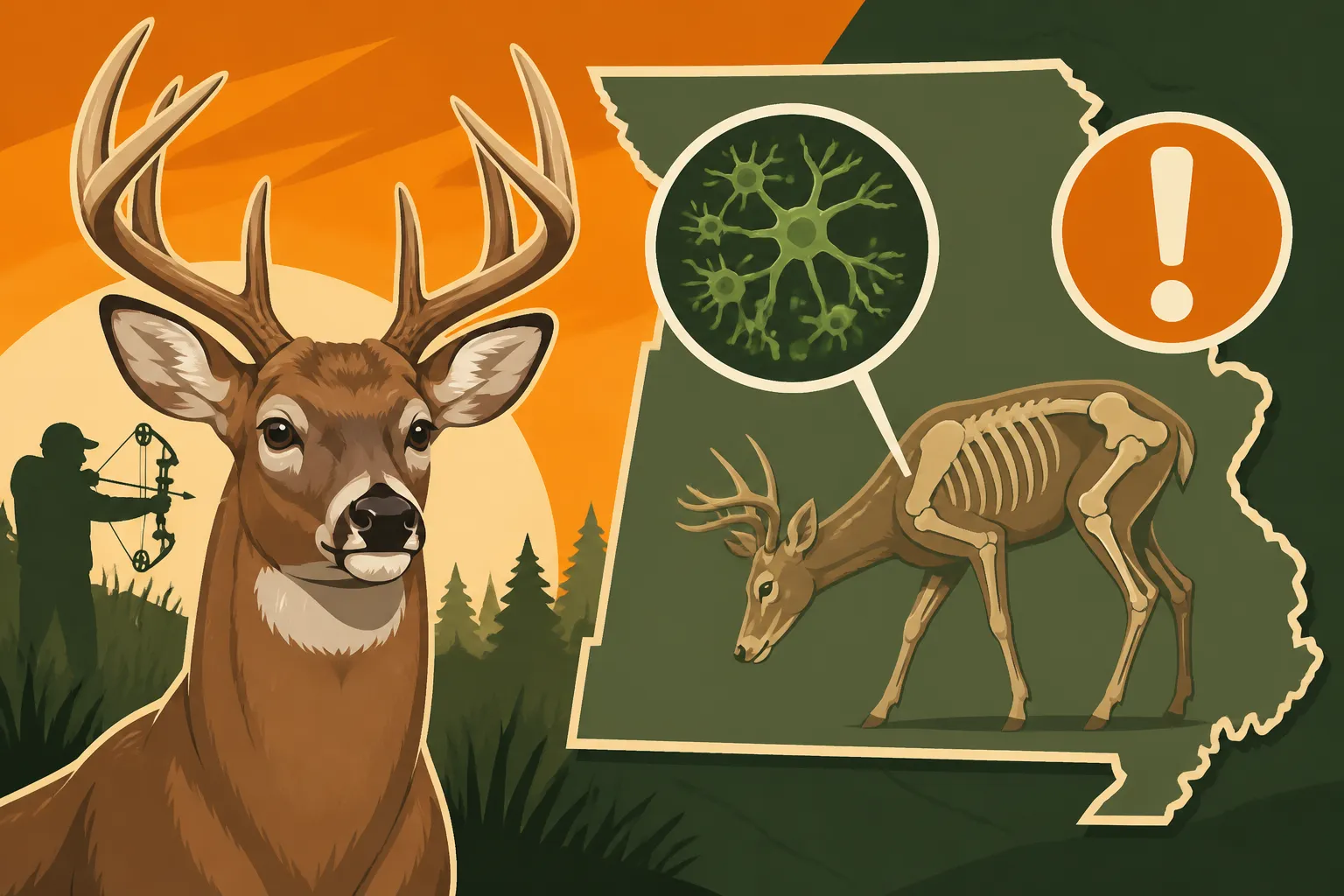
Chronic Wasting Disease is a progressive, fatal neurological disease that affects deer, elk, moose, and other cervids. It's not caused by a virus or bacteria, but by abnormal proteins called prions. These prions essentially cause normal proteins in the brain to misfold, leading to spongy holes in brain tissue, much like mad cow disease in cattle or scrapie in sheep.
The really tough part about CWD is that it has a long incubation period, often lasting 18 months or more, meaning a deer can be infected and spreading the disease for a long time before showing any visible signs. Once symptoms do appear, they are grim: severe weight loss (hence "wasting"), stumbling, lack of coordination, excessive drooling, lethargy, and a general loss of fear of humans. It’s a slow, agonizing process for the animal, and tragically, there is no known cure or vaccine. Once a deer contracts CWD, its fate is sealed. This makes the thought of Missouri Deer Herd Size being impacted a serious worry for all of us who love our whitetails.
How CWD Spreads Through Deer Populations
One of the most insidious aspects of CWD is its persistent and varied methods of transmission. It's not just about one sick deer infecting another directly. The prions are incredibly hardy and can survive in the environment for years, even decades.
Direct contact between infected and healthy deer, through saliva, urine, and feces, is a primary mode of spread. Think about deer interacting at a mineral lick, a food plot, or even just sharing a bedding area – any exchange of bodily fluids can facilitate transmission. We're talking about a disease that can literally be spread by deer just being deer.
Beyond direct contact, environmental contamination is a huge factor. Infected deer shed prions into the soil and vegetation, which can then be picked up by other deer. This means that an area where an infected deer lived or died can remain a source of infection long after the animal is gone. It's thought that this environmental persistence contributes significantly to the spread, especially in areas with high deer densities. Some studies even suggest maternal transmission, where an infected doe can pass the disease to her fawns. All these factors make CWD a truly formidable challenge to manage, pushing conservation agencies to constantly adapt their strategies. The potential for CWD to affect Missouri Deer Population Estimate in the long term is why these strategies are so crucial.
CWD's Presence and Management in Missouri
Missouri, like many states, has had its share of challenges with CWD. The Missouri Department of Conservation (MDC) has been on the front lines, working tirelessly to monitor and manage its spread.
The Discovery and Spread of CWD in Missouri
Missouri's journey with CWD began in 2010 when the disease was first detected in three captive white-tailed deer in a private facility in Macon County. This was a wake-up call, and soon after, in 2012, the first wild deer tested positive for CWD in the same county. It immediately put hunters and conservation officials on high alert. From there, the disease began to appear in other counties, slowly but surely spreading across different regions.
Initially, the MDC established CWD Management Zones, which were counties where CWD had been detected or was deemed at high risk. Within these zones, specific regulations were implemented, particularly regarding carcass transport and mandatory sampling. The spread of CWD has led to significant shifts in management over the years, including changes to where and how deer can be processed and moved. For instance, understanding How CWD Reached the Ozarks is a complex puzzle, highlighting the need for vigilance across all regions, not just the initial hot spots.
Missouri's Current CWD Management Strategy
The MDC's long-term goal for CWD management is to limit its spread, stabilize prevalence rates, and ultimately protect the health of Missouri's deer herd for future generations. It’s a monumental task, and their strategy involves several key components.
First and foremost is aggressive surveillance. This means extensive testing of harvested deer, especially in known CWD areas, and monitoring deer that appear sick. Hunters play a critical role here, as their harvested deer provide the samples necessary for MDC to track the disease. You might have seen the collection points during firearm season, or heard about specific counties requiring mandatory testing. These efforts give MDC crucial data on Missouri CWD Prevalence Rates.
Secondly, the MDC implements targeted management actions, which can include increased hunting opportunities in certain areas to reduce deer densities and reduce the chances of deer contacting infected soil or other deer. They also have strict regulations on carcass transport, especially when leaving a CWD Management Zone. These rules are designed to prevent hunters from inadvertently moving infected deer parts to new, unaffected areas. It’s a dynamic situation, and rules can change. Staying updated, perhaps even using a planning tool like GoHunt to keep track of general hunting regulations for areas you're interested in, can be helpful, though for specific CWD rules, always check the official MDC website. These comprehensive measures are all about trying to contain a very challenging disease.
The Hunter's Role in CWD Mitigation
As hunters, we're not just consumers of wildlife; we're stewards. Our actions in the field and after the harvest are incredibly important in the fight against CWD.
Mandatory Testing and Carcass Transport Regulations
If you hunt in a CWD Management Zone, you're likely familiar with mandatory CWD sampling days. During portions of the firearms season, especially the opening weekend of the November portion, hunters in specific counties are required to present their harvested deer for CWD testing. This can feel like an extra step after a successful hunt, but it's absolutely vital for MDC to gather the data needed to understand the disease's distribution and prevalence. Knowing CWD Sampling and Testing for Hunters locations and hours is critical before you head out.
Beyond testing, carcass transport rules are paramount. If you harvest a deer in a CWD Management Zone, you generally cannot transport the whole carcass out of that zone. The regulations typically allow only certain parts to be moved: deboned meat, antlers (with or without skull plate, but all brain tissue removed), capes (without skull or spinal column), and teeth. This is to prevent the physical movement of infected prions from high-risk tissues (like brain and spinal cord) to unaffected areas. The rules can be specific, so understanding Missouri Deer Transport Rules and Carcass Transport Rules Out of Missouri is crucial to avoid any violations and, more importantly, to prevent further spread of CWD. It requires a bit more planning, especially if you hunt far from home, but it's a small price to pay for herd health.
Best Practices for Hunters in CWD Areas
Hunting in CWD-affected areas demands a heightened sense of responsibility. It's about being proactive and mindful of your actions.
First, always check the current MDC regulations for the county you plan to hunt. These rules can change annually, so what was true last season might not be this season. Knowledge is your best tool here. Second, when field dressing, it's a good idea to wear latex or rubber gloves, especially when handling the brain and spinal cord. While CWD isn't known to transmit to humans, it’s always best to err on the side of caution. Try to minimize contact with these high-risk tissues.
When processing your deer, use separate tools for processing if you've harvested in a CWD zone. Avoid consuming or distributing high-risk tissues like the brain, spinal cord, eyes, spleen, and lymph nodes. Most reputable processors in CWD areas are well-versed in these practices. Finally, proper disposal of carcass parts is essential. If you're in a CWD area, it's best to leave the high-risk carcass parts (head and spinal column) at the kill site or dispose of them in a licensed landfill within the CWD Management Zone. Never just dump them where other deer might come into contact. If you happen to observe a deer exhibiting CWD-like symptoms, please, don't hesitate to contact the MDC. Reporting a Sick Animal in Missouri helps them track potential new cases and respond quickly.
Hunting Safely and Responsibly with CWD
The presence of CWD introduces valid questions and concerns about safety and how to continue enjoying hunting responsibly. It's about making informed decisions for yourself and your family.
Understanding the Risks of Consuming CWD-Positive Meat
This is often the question that weighs heaviest on a hunter's mind: Is it safe to eat? Currently, there are no confirmed cases of CWD transmission to humans. However, public health agencies, including the Centers for Disease Control and Prevention (CDC), strongly advise against consuming meat from CWD-positive animals. This is largely based on the "abundance of caution" principle, given the nature of prion diseases and the potential for cross-species transmission, even if it hasn't been observed yet in humans with CWD.
This is precisely why CWD testing is so important. If you hunt in a mandatory testing county, or even if you choose to voluntarily test your deer in other areas, getting those results back provides peace of mind. Knowing your deer tested negative allows you to confidently enjoy your venison. If a deer tests positive, the recommendation is to not consume the meat, and dispose of it properly according to MDC guidelines. It's a tough pill to swallow after a successful hunt, but it's the responsible choice for your health and the health of others.
Adapting Hunting Strategies and Gear
CWD doesn't necessarily mean you have to drastically change how you hunt, but it does mean being more strategic and informed about where and when you hunt. Scouting is always paramount, and now more than ever, paying attention to herd health and any signs of illness can be part of that process.
Using resources like the Missouri Conservation Atlas or online mapping tools can help you identify known CWD areas before you even step foot in the woods. While platforms like GoHunt are fantastic for analyzing broader hunting opportunities and success rates in other regions, for critical CWD information in Missouri, always consult the Missouri Department of Conservation's official resources. They provide the most accurate and up-to-date information on CWD zones and regulations.
Consider what you bring with you when you're deer hunting in the Ozarks or on north Missouri farm ground. While Field Dressing a Deer in Warm Weather and Getting Deer Meat Cooled Quickly are always important to preserve your harvest, in CWD areas, it’s also about having the necessary equipment to comply with transport rules. This might mean having a boning kit ready, or extra game bags if you need to debone your deer on site before transporting it. Being prepared for these extra steps will make your hunt smoother and ensure you adhere to all regulations, contributing positively to CWD mitigation efforts.
The Future of Deer Hunting with CWD in Missouri
CWD is a long-term challenge, and its presence will continue to shape deer hunting in Missouri for the foreseeable future. Understanding the ongoing efforts and what to expect can help hunters remain engaged and informed.
Ongoing Research and Management Updates
The Missouri Department of Conservation, in collaboration with universities and federal agencies, is continually conducting research into CWD. This includes studying its spread, its impact on deer populations, and developing more effective management strategies. They are also constantly refining their testing protocols to make them more efficient and accessible for hunters.
Because of this ongoing research and surveillance, CWD regulations and management zones can and do change. For instance, recent years have seen discussions around or actual implementation of changes like What Changed in Missouri Deer Rules for 2026 which are often influenced by the latest CWD data and herd health assessments. The dynamic nature of CWD means that what works today might need adjustment tomorrow, and the MDC is committed to adapting its approach based on the best available science. This vigilance helps ensure we're doing everything possible to protect our valuable wildlife resources.
What Hunters Can Expect in the Years Ahead
Unfortunately, CWD isn't going to disappear quickly. It's a persistent disease that will require ongoing management and hunter cooperation for many years to come. This means hunters should expect continued mandatory testing in certain areas, and consistent carcass transport restrictions. It might feel like a hassle sometimes, but it’s a necessary part of preserving our deer hunting heritage.
The long-term commitment from hunters is crucial. By staying informed, participating in voluntary or mandatory testing, and adhering to all regulations, you become an active partner in CWD management. Your actions directly contribute to the MDC's ability to track and, hopefully, limit the spread of the disease. Ultimately, a healthy deer herd is in everyone’s best interest, ensuring that future generations can enjoy the thrill of Bowhunting Missouri's Four-Month Archery Season or Missouri's Eleven-Day November Firearms Deer Season. The more we all work together, the better our chances of mitigating CWD's impact on the overall Missouri Deer Herd Size and maintaining robust, healthy deer populations across our beautiful state.
| Action Item | Recommended Practice in CWD Zones | Why It Matters |
|---|---|---|
| Permit & Regulations | Always check current MDC CWD regulations for your specific county. | Rules change; stay legal and informed. |
| Deer Carcass | If in a CWD zone, prepare for mandatory testing or voluntary sampling. | Critical data for MDC to track disease spread. |
| Carcass Transport | Debone meat, remove brain/spinal cord for transport outside CWD zone. | Prevents spread of prions to new areas. |
| Field Dressing | Wear gloves, minimize contact with brain/spinal cord/lymph nodes. | Reduces potential for personal exposure and environmental contamination. |
| Carcass Disposal | Leave high-risk parts at kill site or dispose in approved landfill within zone. | Keeps prions contained to known affected areas. |
| Meat Consumption | If deer tests CWD-positive, do NOT consume the meat. | Protects human health (abundance of caution). |
| Reporting Sick Deer | Contact MDC if you see deer showing CWD symptoms (wasting, drooling, lethargy). | Helps MDC identify and respond to new cases quickly. |
| Scouting | Pay attention to herd health and any unusual deer behavior. | Early detection of potential issues in your hunting area. |
Disclaimer
Please remember that wildlife regulations and disease management protocols, especially concerning Chronic Wasting Disease, are subject to change. Always consult the official Missouri Department of Conservation (MDC) website or contact them directly for the most current and accurate information before planning your hunt. The advice provided here is for informational purposes and should not be considered a substitute for official MDC guidelines.