Missouri Spring Turkey Harvest Numbers
For many of us who eagerly await the crisp mornings and thunderous gobblers of spring, one of the most talked-about topics around the campfires, besides where we heard that last bird, is "How were the numbers this year?" It's a question rooted in genuine concern for the health of Missouri's wild turkey flock and, let's be honest, a little bit of curiosity about our own success compared to others. This guide dives deep into understanding Missouri's spring turkey harvest numbers, what they truly mean, and how they can inform your approach to future seasons.
Understanding Missouri's Turkey Harvest Data
When you punch your tag and call in your gobbler via Telecheck, you're not just reporting your success; you're contributing to a massive dataset that helps wildlife biologists understand the pulse of Missouri's wild turkey population. These harvest numbers are more than just statistics; they're a vital barometer that tells a complex story about the health, distribution, and future management of our beloved birds.
Why Harvest Numbers Matter to Hunters
It's completely natural to feel a pang of concern or even frustration when you hear that the statewide harvest numbers might be down. For hunters, these figures often reflect our personal experiences in the woods. If you struggled to locate birds or fill your tags, seeing a dip in overall numbers can validate that feeling that something felt "off." Conversely, a banner year can confirm that the woods felt alive with gobbling, making your hard-earned success feel even sweeter. Beyond personal experience, these numbers help us gauge what to expect when we head out, allowing us to mentally prepare for potentially tougher hunts or to strategize for areas that might still be thriving. They paint a picture of how the flock is doing and, by extension, how our hunting opportunities might look in the coming years.
How the Missouri Department of Conservation Collects Data
The Missouri Department of Conservation (MDC) relies heavily on a mandatory Telecheck system for all harvested deer and turkeys. This is where your individual hunt data becomes part of the bigger picture. After successfully harvesting a turkey, hunters are required to report their harvest through a phone call or online portal by a specific deadline. This process records key information such as the county of harvest, the date, and whether the bird was a gobbler or a jake. This system is crucial because it provides almost real-time data, allowing the MDC to compile comprehensive reports on harvest trends shortly after the season concludes. The accuracy of this system depends entirely on every hunter doing their part. Without consistent reporting, the data becomes less reliable, making it harder for biologists to make informed management decisions that ultimately benefit hunters.
Factors Influencing Annual Harvest Fluctuations
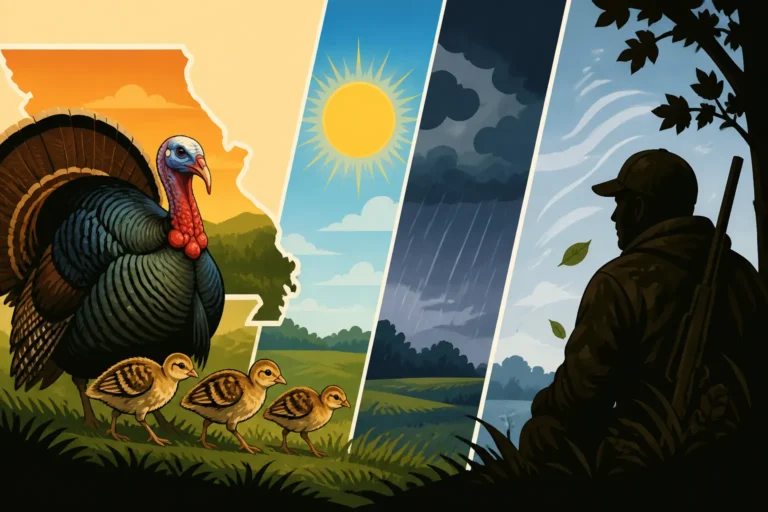
Harvest numbers are rarely static; they ebb and flow based on a multitude of environmental and biological factors. One of the most significant influences is the weather patterns during the crucial nesting and hatching periods in late spring and early summer. A cold, wet spring can drastically reduce poult (young turkey) survival rates, leading to fewer jakes and two-year-old gobblers in the hunting population a couple of years down the line. Drought conditions can also affect food sources, impacting overall flock health. Factors like disease outbreaks, habitat changes, and even the previous year's hunting pressure can also play a role. Understanding these interconnected variables helps us appreciate that a single year's harvest number is just one snapshot in a much larger, ongoing ecological narrative.
Deciphering the Trends in Missouri Spring Turkey Harvest
Missouri's wild turkey story is one of incredible restoration, a testament to dedicated conservation efforts. From a mere handful of birds in the early 20th century, the population rebounded dramatically. However, like any wild population, it experiences cycles and trends that hunters keenly observe. Understanding these broader patterns can give you a more nuanced perspective on the current state of the flock.
Historical Context: Missouri's Wild Turkey Comeback
Missouri's wild turkey flock is a monumental conservation success story. Decades ago, finding a wild turkey in many parts of the state was nearly impossible. Through tireless efforts, including trap-and-transfer programs where birds from healthy populations were relocated to suitable, vacant habitats, the MDC meticulously rebuilt the state's turkey numbers. This remarkable effort is detailed further in our article, How Missouri Restored Its Wild Turkeys. By the late 20th century, Missouri boasted one of the most robust wild turkey populations in the nation, leading to consistently strong spring harvests for many years. This period of rapid growth and high numbers set a high bar, and sometimes, the natural fluctuations that follow a peak can feel more significant than they actually are in the long-term health of the species.
Recent Trends in Harvest Numbers
While the overall long-term picture for Missouri turkeys remains positive, recent decades have seen some shifting patterns in the spring harvest. After reaching historical highs, many regions experienced a plateau, and in some areas, a gradual decline in harvest numbers has been observed. This doesn't necessarily spell doom, but it does signal a need for careful monitoring and understanding. These trends are often linked to factors such as Missouri Turkey Population Trends and particularly, shifts in Poult-to-Hen Ratios and What They Mean. If nesting success is consistently lower due to habitat changes, predation, or weather, fewer young birds enter the population, which then affects the number of available gobblers two years later. Hunters might perceive fewer "responders" in the woods, or simply fewer jakes and two-year-old birds. This requires hunters to adapt and become more skilled at locating and working birds.
Impact of Regulations on Harvest Numbers
Missouri's hunting regulations are carefully crafted to balance hunting opportunity with sustainable population management. Changes in these regulations, or even consistent application of them, can have an observable impact on harvest numbers. For instance, the structure of Missouri Spring Turkey Season Structure, including the special youth weekend, allows young hunters a valuable opportunity to pursue birds before the general season opens. This contributes to the overall harvest and provides critical experience for the next generation. The bag limit, traditionally one bearded bird during the youth portion and then an additional bearded bird during the regular season, directly influences the maximum potential harvest per hunter. For non-residents, there have been adjustments over time, such as the Why Nonresidents Now Get One Bearded Turkey rule, which can certainly affect the total statewide harvest by limiting the take from a segment of hunters. These rules are not arbitrary; they are tools the MDC uses to help manage the flock.
Breaking Down Harvest by Region and Season Portion
The statewide harvest number is a big-picture statistic, but it doesn't tell the whole story for every hunter. Missouri is a diverse state, from the sprawling farmlands of the north to the rugged Ozark hills, and turkey populations—and therefore harvest success—can vary wildly depending on where you hunt and when. Understanding these breakdowns can help you refine your hunting strategy.
Regional Harvest Distribution Across Missouri
Missouri's geography and land use patterns lead to distinct regional differences in turkey populations and subsequent harvest numbers. Generally, some of the highest turkey densities and, consequently, the highest harvest numbers, tend to come from areas with a mix of timber, agriculture, and diverse habitat, particularly in parts of northern and central Missouri, and certain river breaks. These areas often provide abundant food sources and nesting cover. The rugged Ozarks, while holding strong turkey numbers in many places, can present more challenging terrain, sometimes leading to slightly lower harvest per square mile compared to prime agricultural areas with extensive timber blocks. To get a better sense of where the action is, looking at Best Missouri Counties for Turkeys can offer valuable insights. These regional differences are driven by habitat quality, land ownership patterns, and historical stocking efforts.
Harvest Differences: Youth Weekend Versus Regular Season
The special youth turkey weekend is a beloved tradition in Missouri, offering young hunters a valuable early opportunity. This portion of the season typically sees a concentrated burst of hunting activity over a short period. While the overall harvest from the youth weekend contributes to the total, it's often a smaller percentage compared to the longer regular season. Success rates during the youth portion can be high because birds are generally less pressured, and weather conditions can be more predictable. Our article on Youth Turkey Weekend Rules provides more context. As the regular season progresses, hunting pressure increases, and gobblers become savvier, often leading to a more challenging hunt for adults.
Harvest Breakdown Within the Regular Season
The regular spring turkey season in Missouri is not a monolithic block; success often varies significantly from the opening days to the very end. The early part of the season, particularly the first week, typically accounts for a substantial portion of the total harvest. This is when gobblers are often most vocal and aggressive as they seek hens. As the season progresses and more hens become bred and begin nesting, gobblers can become "henned up" and less responsive to calling, making them harder to pull away. This can lead to a dip in daily harvest numbers towards the middle of the season. However, there's often a resurgence of activity, or a "second rut," as the remaining hens begin to nest, leaving gobblers looking for company again. This phenomenon affects When the Second Missouri Turkey Can Be Taken. Understanding these ebbs and flows can help hunters choose their best hunting days.
Here's a simplified look at potential factors influencing Missouri turkey harvest, just to illustrate how different elements can interact:
| Factor | Impact on Harvest (General) | Hunting Strategy Implication |
|---|---|---|
| Good Poult Survival | Higher number of young gobblers (jakes, 2-year-olds) in future seasons. | More responsive, less experienced birds; potentially higher overall success. |
| Poor Poult Survival | Fewer young birds; reliance on older, savvier gobblers. | Focus on patience, subtle calling, seeking isolated birds; harder overall hunt. |
| Early Season Hens | Gobblers often "henned up," less responsive to calls. | Scout for where gobblers are roosting with hens, intercept rather than call them in. |
| Late Season Hens | Hens nesting, gobblers seeking new company. | Increased gobbling activity, more responsive to calls as season progresses. |
| High Hunting Pressure | Birds become wary, move more, gobble less readily. | Focus on public land strategy, deep woods, non-traditional calling. |
| Mild Spring Weather | Good for nesting, potentially higher poult survival. | Can lead to more robust populations in coming years. |
| Wet/Cold Spring | Detrimental to poult survival, fewer birds in future. | Anticipate tougher hunts a couple of seasons later. |
What Harvest Numbers Mean for Your Hunt
It’s easy to get caught up in the raw data of turkey harvest numbers, but the real benefit for a hunter comes from interpreting those numbers and using them to become more effective in the field. Don't just absorb the information; analyze it, and let it guide your scouting and hunting decisions.
Using Harvest Data as a Scouting Tool
Harvest numbers, especially when broken down by county or conservation area, can be an invaluable scouting tool. If you see that certain counties consistently produce high numbers of birds, it's a strong indicator of robust turkey populations and good habitat. Conversely, a consistently low harvest in a particular area might suggest lower densities or significant hunting pressure, prompting you to either seek out less-pressured pockets or adjust your expectations. While the MDC provides excellent publicly available data, platforms like GoHunt can sometimes offer tools that help visualize these trends over time, allowing you to quickly spot patterns without sifting through pages of tables. This type of information can help you prioritize your scouting efforts before the season even begins, especially if you're exploring new public land or trying to find areas that might be under less pressure. Knowing where the birds are, even historically, is the first step in figuring out how to hunt them.
Adapting Your Tactics Based on Population Health and Pressure
Understanding the general health and density of the turkey population in your chosen hunting grounds can profoundly influence your in-field tactics. If Missouri Turkey Population Trends indicate a robust, growing flock, you might find birds more readily responsive to aggressive calling, and competition for hens might lead to more active gobblers. This could be a good year to try more run-and-gun tactics in areas like the Ozarks, as explored in Run-and-Gun Turkey Tactics in the Missouri Ozarks. You might be able to move frequently and call loudly, expecting a quick response.
However, if the harvest numbers or poult-to-hen ratios suggest a more subdued population, or if you know your hunting area receives heavy pressure, a more cautious approach is often warranted. This might mean setting up earlier, being exceptionally patient, and employing softer, more realistic calling sequences. You might focus more on intercepting birds rather than trying to call them long distances. For instance, understanding Calling a Missouri Gobbler Off the Roost becomes even more critical when birds are scarce or wary. Furthermore, knowing that birds in agricultural regions might behave differently than those in big timber can inform whether you're setting up on a field edge or still-hunting an old logging road. This adaptive mindset, informed by population data, is key to consistent success. For example, specific tactics for certain environments, such as Turkey Tactics for Crop Country, can become even more crucial when birds are pressured or less numerous.
Always remember that harvest numbers are a lagging indicator; they tell us what has happened. But by understanding the underlying factors and adapting our strategies, we can improve our chances for future success and continue to appreciate Missouri's incredible wild turkey resource. Don't let a "down" year in the numbers discourage you. Instead, use it as an opportunity to learn, adjust, and become an even more skilled and patient hunter.
Disclaimer
This article is for general informational purposes only and does not constitute professional advice. Laws, prices and regulations vary by location and change over time. Consult a qualified professional for guidance on your specific situation.