When Elk Came Back to Missouri
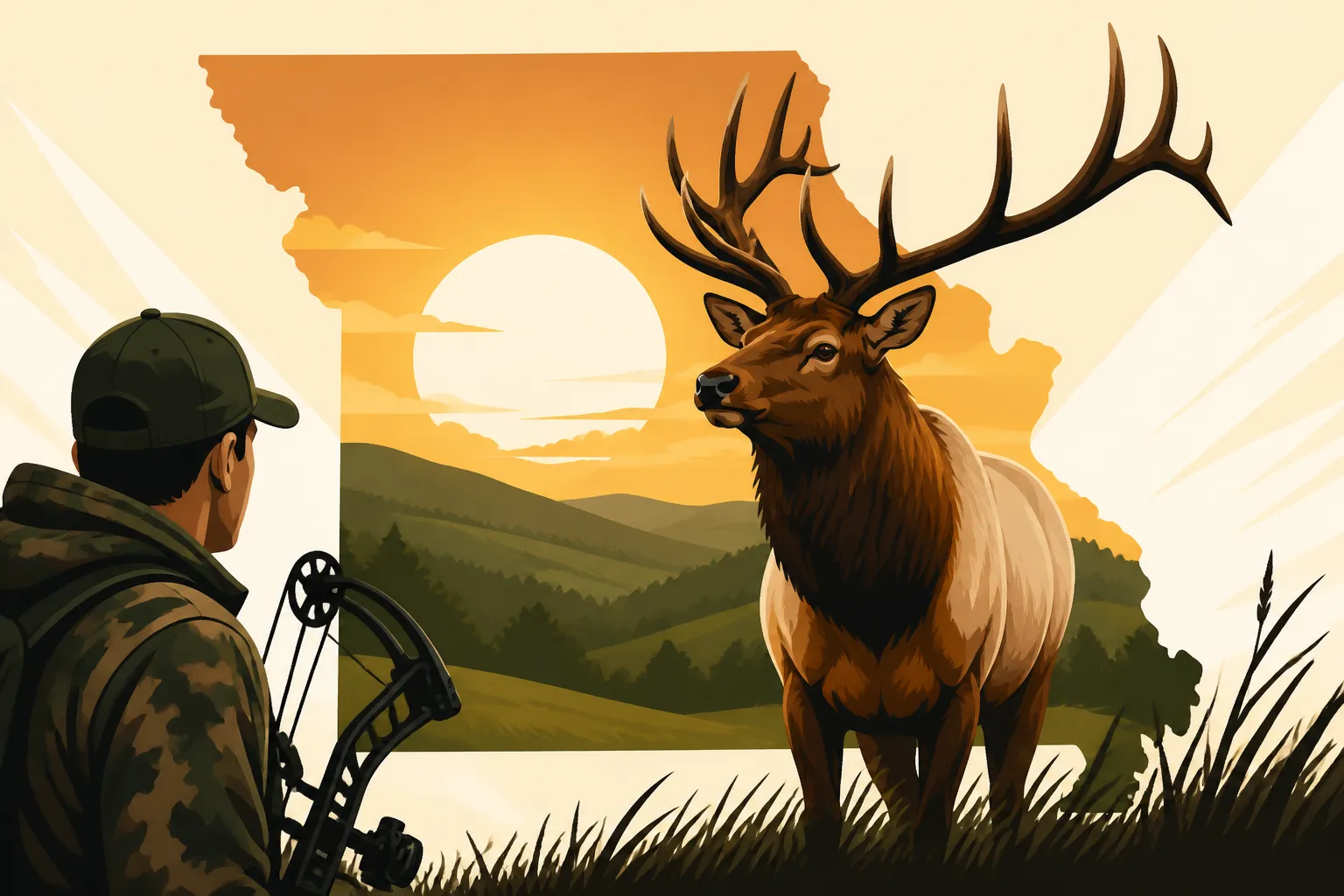
For many of us who grew up in Missouri, the idea of wild elk roaming the hills felt like something out of a history book, a distant echo from a time before our grandparents were even born. It was a common frustration, a subtle longing for a lost piece of our natural heritage, to know that these magnificent animals once roamed our state but were gone. But then, a truly incredible thing happened: elk came back. This guide will walk you through the journey of their return, detailing not just when these majestic creatures were reintroduced, but the careful planning, the initial challenges, and the incredible triumphs that brought them back to the Show-Me State.
A Vanished Majesty: Elk's Historical Presence in Missouri
It’s hard to imagine Missouri's landscape without deer or turkeys, but for a long time, it was also missing another iconic big game animal: the elk. For generations, their presence was a distant memory, a testament to how profoundly human activities can alter a natural environment.
The Original Range and Decline
Before European settlement, vast herds of elk, specifically the Eastern elk subspecies, roamed across much of Missouri. They were an integral part of the ecosystem, grazing in open woodlands and prairies, creating trails, and influencing vegetation patterns. Their range wasn't confined to a specific region but covered a significant portion of the state, likely thriving in the mosaic of forest and savanna that characterized much of the pre-settlement landscape. Historical accounts and archeological evidence confirm their widespread presence, painting a picture of a much wilder Missouri than many of us recognize today.
However, like many large game animals across the burgeoning United States, their numbers began to dwindle rapidly with the arrival of settlers. Unregulated hunting, driven by both subsistence needs and market hunting for hides and meat, took an immense toll. Simultaneously, their vital habitat was being cleared for agriculture and timber, fragmenting the remaining populations and leaving them vulnerable. The combination of intense hunting pressure and severe habitat loss proved too much for the Missouri elk herds. By the mid-1800s, it's believed that the last native wild elk had vanished from Missouri's landscape. For well over a century and a half, the Missouri woods and fields were silent to the bugle of a bull elk, a powerful symbol of what had been lost.
The Longing for Their Return
Even as time passed and generations came and went, the idea of elk returning to Missouri never truly faded for many conservationists and wildlife enthusiasts. There was a profound recognition that their absence left a void in the state's natural heritage. Ecologically, elk are considered a "keystone species" in many environments, meaning their presence can have a disproportionately large effect on their ecosystem. Their grazing habits can help maintain open woodlands and glades, increasing biodiversity for other species. Their sheer size and presence add a unique dynamic to the wild spaces they inhabit.
Beyond the ecological benefits, there was also a cultural and recreational longing. The thought of seeing a wild elk, hearing a bull bugle across an Ozark hollow, or even the possibility of a future hunting opportunity, was a powerful motivator. People understood that bringing back such a large, charismatic species would not only restore a piece of Missouri's past but also enhance its future as a destination for wildlife viewing and outdoor recreation. The dream was alive, even if it took a lot of dedicated effort and patience to turn it into a reality.
The Resurgence: Missouri's Elk Reintroduction Program Takes Shape
Bringing a large, extirpated species like elk back to a state is no small feat. It requires meticulous planning, extensive scientific research, and substantial public and political support. The Missouri Department of Conservation (MDC) took on this monumental task, turning a long-held dream into a tangible conservation effort.
Planning and Preparation: Decades in the Making
The idea of elk reintroduction wasn't a spur-of-the-moment decision; it was the result of decades of discussion, feasibility studies, and careful assessment. The MDC began seriously exploring the possibility in the late 1990s and early 2000s. Key questions had to be answered: Was there enough suitable habitat left in Missouri to support a viable elk population? Would the public support such an effort? What were the potential risks, such as disease transmission to livestock or vehicle collisions? Missouri Black Bear Population efforts had taught us a lot about managing large, returning species.
Extensive habitat analyses identified areas in the Missouri Ozarks, particularly around Peck Ranch Conservation Area, as having the best combination of forested cover, open glades, and limited human population density to minimize potential conflicts. These areas provided the necessary forage, water, and seclusion that elk require. Once the habitat was deemed suitable, the next challenge was finding a source herd. MDC partnered with the state of Kentucky, which had a robust and healthy elk population that had also been successfully reintroduced. This partnership was crucial, ensuring that the animals brought to Missouri were healthy and genetically diverse, giving them the best chance for survival and reproduction in their new home. Securing these animals involved navigating complex logistics and health protocols to ensure no diseases were introduced with the new herd.
The First Hooves Hit Missouri Soil: The Reintroduction Timeline
After years of meticulous planning and preparation, the moment finally arrived. The official reintroduction program began in 2011. This was the year that marked a true turning point, signaling the return of elk to Missouri's wild landscapes after a 150-year absence.
The process involved capturing wild elk from Kentucky, transporting them in specially designed trailers, and bringing them to Missouri. Upon arrival, the elk underwent thorough health screenings and were fitted with tracking collars. Instead of immediately releasing them into the vast wilderness, many of the first animals were held in "soft release" pens at Peck Ranch. These large enclosures allowed the elk to acclimate to their new surroundings, recover from the stress of transport, and form social bonds before being set free. This strategy helped reduce the initial shock and dispersed release, encouraging them to stay within the designated core restoration zone. The first release from these pens occurred in the spring of 2011, primarily onto Peck Ranch Conservation Area and the surrounding parts of Carter, Shannon, and Reynolds counties. Subsequent releases continued over the next few years, bolstering the initial herd and ensuring a strong genetic foundation. Each release was a moment of quiet celebration, a testament to the dedication of countless individuals and organizations working together. The journey of these first few elk crossing state lines and stepping onto Missouri soil was not just a biological event but a profound symbol of hope and conservation success. If you're looking to explore these areas today, tools like GoHunt's mapping features can be incredibly useful for understanding the landscape around Peck Ranch Conservation Area Hunting.
Building a Herd: Early Challenges and Triumphs
The excitement of seeing elk back in Missouri was palpable, but the real work had just begun. Establishing a self-sustaining population takes time, resilience, and ongoing dedication from wildlife managers and the public alike.
Acclimatization and Initial Monitoring
Once released, the elk faced the natural challenges of adapting to a new environment. While the habitat was deemed suitable, the specific food sources, water patterns, and predator dynamics were still new to them. The MDC’s intensive monitoring efforts immediately kicked into high gear. The tracking collars fitted on many of the initial animals allowed biologists to follow their movements, observe their behavior, and understand how they were utilizing the landscape. This data was invaluable in assessing their survival rates, identifying preferred habitats, and understanding their dispersal patterns.
Challenges, as expected, arose. Poaching, though actively combated by conservation agents, was a concern, particularly with a limited and high-value population. Disease monitoring remained a constant priority, not just for the elk themselves but also to ensure they weren't carrying anything that could impact local livestock. Vehicle collisions, a common issue with large animals, also occurred as the elk began to expand their range. Each setback was a learning experience, prompting adjustments in management strategies to better protect and support the growing herd. It was a delicate balance of observation and intervention, allowing nature to take its course while providing critical support where needed.
Growth and Expansion: The Herd Takes Hold
Despite the initial hurdles, the Missouri elk herd began to thrive. The proof was in the successful calving seasons. Biologists observed increasing numbers of elk calves, indicating that the animals were reproducing successfully and that the population was slowly but steadily growing. Each new calf represented a step forward in the long journey of restoration. Calving Success and Herd Growth became a crucial metric, showing that the foundational efforts were paying off.
The herd, while initially concentrated around the release zone, gradually began to expand its range. While they largely remained within the core counties, individual elk, particularly young bulls, would sometimes wander further afield, exploring new territories. This natural dispersal is vital for genetic diversity and overall herd health. From the initial few dozen animals, the population steadily climbed into the hundreds, a truly remarkable achievement that many once thought impossible. The sight of a herd of elk grazing in a glade or moving through a timber stand became a reality, no longer just a historical anecdote. This success demonstrates the power of dedicated conservation and the resilience of wildlife when given a chance. Hunters interested in the future of the Missouri elk herd might even use platforms like GoHunt to keep an eye on population trends and expansion, giving them a leg up when permit applications open up.
Looking Forward: Managing Missouri's Elk Population
The reintroduction of elk was a monumental success, but the work of conservation is never truly finished. As the herd continues to grow and establish itself, the focus shifts to long-term management, ensuring a healthy population for generations to come while also addressing the needs of both the animals and the people who share their landscape.
Population Management and Future Hunts
One of the long-term goals of the reintroduction program was to establish a population robust enough to support regulated hunting, much like the successful White-Tailed Deer Across Missouri program. This not only provides a recreational opportunity but also serves as a vital management tool to control herd numbers, maintain health, and mitigate potential conflicts with human interests. After years of allowing the herd to grow and stabilize, the MDC eventually initiated a limited, highly regulated hunting season.
This hunting opportunity is typically managed through a lottery system, reflecting the highly sought-after nature of elk permits and the limited number of animals available for harvest. Missouri Elk Permit Lottery Rules are meticulously designed to ensure fairness and to manage harvest levels carefully. The number of permits issued is very small, a testament to the fact that this is still a growing herd and conservation remains the top priority. The hunters drawn for these permits often have a once-in-a-lifetime chance to pursue an animal that was absent from the state for over a century. The focus of these hunts is typically on mature bull elk, though specific regulations can change based on herd demographics and management needs. These controlled harvests ensure that the population remains healthy and within the carrying capacity of its habitat. Knowing the Missouri Elk Season Dates is crucial for anyone hoping to participate in this unique hunt.
Continued Conservation Efforts and Challenges
While hunting is an important management tool, ongoing conservation efforts are critical to the long-term success of Missouri's elk population. Habitat management, particularly in the core elk restoration zone, continues to be a priority. This involves prescribed burns to maintain glades, managing forest density, and ensuring adequate food and water sources. These efforts benefit not just elk but a host of other wildlife, creating a richer, more diverse ecosystem.
Challenges will always be part of the equation. As the elk population expands, so too does the potential for human-elk conflicts. Elk Crop Damage in Missouri can become a concern for landowners, and vehicle collisions with elk, while rare, are a serious safety issue. The MDC actively works with landowners to mitigate these issues, offering assistance and advice. Disease monitoring also remains a constant vigil, ensuring the herd stays healthy. The continued success of Missouri's elk program relies on a delicate balance: managing the animals, managing their habitat, and managing the expectations and concerns of the public. It’s a collective effort, demonstrating that with dedication, patience, and sound science, incredible conservation victories can be achieved.
| Year/Period | Key Event | Significance |
|---|---|---|
| Mid-1800s | Last native wild elk disappear | Extirpation of elk from Missouri's landscape. |
| Late 1990s | MDC begins feasibility studies | Initial research into habitat, public support, and risks. |
| 2010 | Public support for reintroduction confirmed | Crucial step for moving forward with the program. |
| 2011 | First elk released from Kentucky | Official start of reintroduction at Peck Ranch CA. |
| 2012-2013 | Additional releases | Bolstering initial herd numbers and genetic diversity. |
| Ongoing | Calving success, population growth | Herd establishes and grows, spreading cautiously. |
| Later Years | First regulated hunting season | Milestone for herd health and sustainable management. |
Disclaimer
This article is for general informational purposes only and does not constitute professional advice. Laws, prices and regulations vary by location and change over time. Consult a qualified professional for guidance on your specific situation.