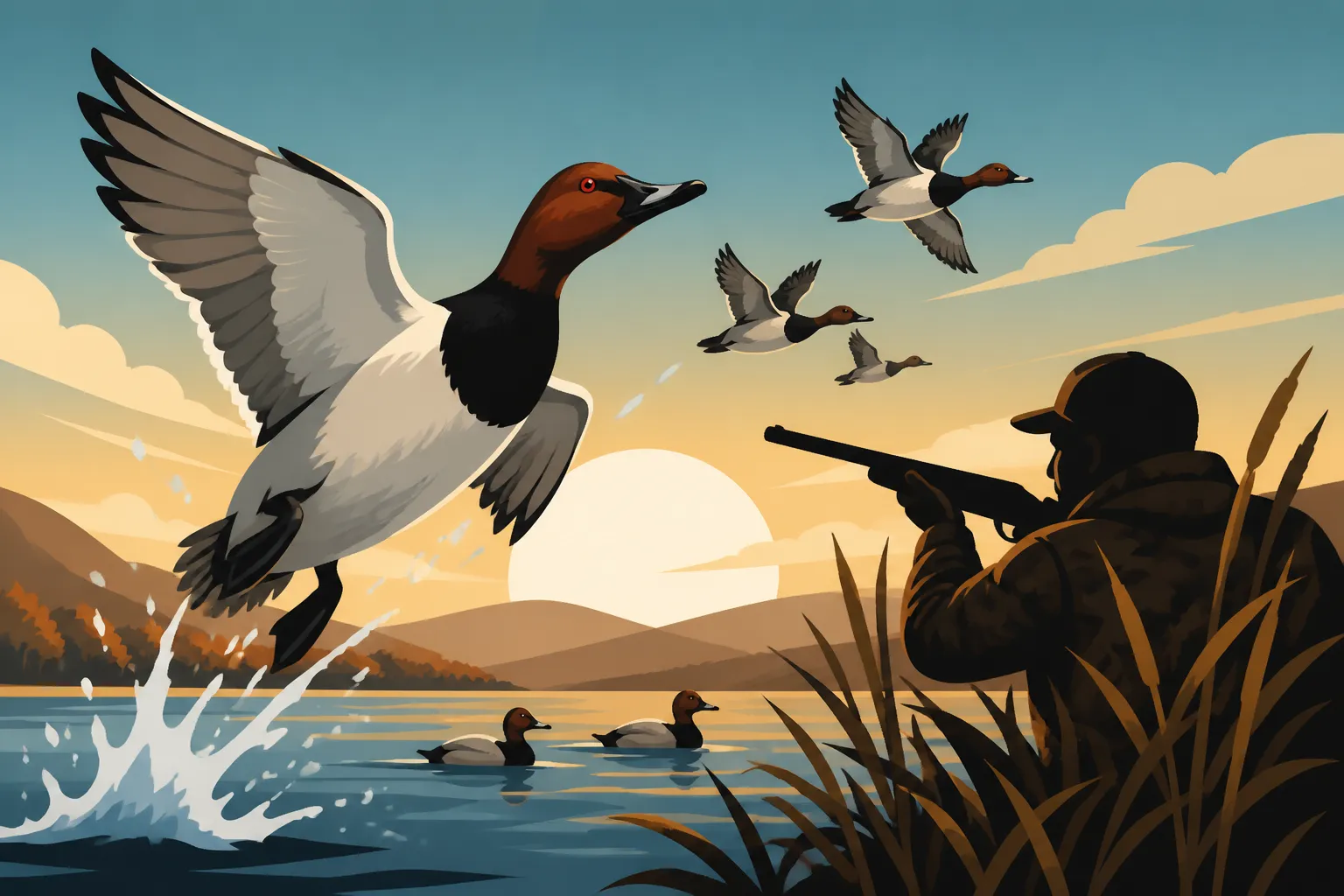
Diver Ducks on Missouri Reservoirs
Hunting diver ducks on Missouri's expansive reservoirs is a completely different ball game than sneaking into a flooded timber hole or setting up on a small slough. It’s a pursuit that often feels more like big-water sea duck hunting than traditional puddle duck strategies, and it comes with its own set of challenges, from navigating vast open spaces to understanding the unique habits of these deep-diving birds. This guide will help you unravel the mysteries of diver ducks in Missouri, offering insights into where to find them and how to approach hunting these formidable waters.
Understanding Diver Ducks and Their Habits
When most folks think about duck hunting in Missouri, their minds often go straight to mallards cupped in the timber or teal buzzing over a shallow marsh. But there's a whole other world of waterfowl out there, and that's the realm of the diver duck. These birds are built differently and behave differently, making them a distinct and exciting challenge for any waterfowl hunter looking to expand their horizons.
What Makes a Diver Duck Unique?
Diver ducks, as their name suggests, are masters of underwater propulsion. Unlike puddle ducks, which tip up to feed in shallow water, divers plunge deep, often reaching impressive depths to forage for aquatic vegetation, mollusks, and small fish. This specialized feeding habit means they prefer large, open bodies of water—exactly what Missouri's major reservoirs provide. Their bodies are built like submarines, with legs set further back on their bodies, making them agile underwater but a bit awkward on land. This anatomical difference is a dead giveaway when trying to identify them, even from a distance. Their flight is also typically fast and low over the water, often in tight formations.
You'll quickly notice their streamlined profile and often chunky build, a testament to their powerful swimming muscles. When they take off, it's usually with a long, splashing run across the water, a stark contrast to the almost vertical ascent of a mallard or wood duck. Recognizing these subtle differences in behavior and appearance is crucial for successful scouting and identification once you're out on the big water. They are also incredibly resilient to harsh weather, often thriving in conditions that would send puddle ducks scrambling for cover, making them excellent targets for those late-season, bone-chilling hunts.
Common Diver Species on Missouri Reservoirs
Missouri's reservoirs host several species of diver ducks throughout the migration season. The most commonly encountered are Lesser Scaup, often called "bluebills," and Ring-necked Ducks. Bluebills are numerous and provide a lot of hunting opportunities, typically arriving in good numbers when colder weather pushes them south. Ring-necks, with their distinctive white ring on the bill (though the ring on their neck is harder to spot), are another common sight, often found in mixed flocks with scaup.
Beyond these two, you might also encounter the majestic Canvasback, a prized trophy for many waterfowlers due to its striking appearance and delicious meat. Redheads, with their vibrant cinnamon-colored heads, are another beautiful diver that makes an appearance. While less common, Goldeneyes and Buffleheads can also be found, adding a diverse mix to your diver bag. Each species has its own subtle preferences, but generally, they're looking for vast, deep, open water where they can dive for their food source. Understanding the nuances of each species' migration timing and dietary preferences can give you a real edge, and resources like Missouri Waterfowl on the Mississippi Flyway can shed more light on the broader migration patterns that bring these birds to our state.
Prime Missouri Reservoirs for Diver Action
Missouri is blessed with a number of large reservoirs, many of which become critical wintering or staging grounds for diver ducks as they push south on the Mississippi Flyway. These vast bodies of water offer the deep, open environments that divers crave, but they also present unique challenges for hunters accustomed to smaller, more sheltered waters.
Why Reservoirs Attract Diver Ducks
Large reservoirs are essentially inland seas for diver ducks. They provide extensive areas of deep water, often with abundant aquatic vegetation, mussels, and other invertebrates that divers feed on. The sheer size of these lakes also offers security, allowing large rafts of birds to congregate without feeling overly pressured. Unlike rivers or smaller wetlands, these reservoirs tend to be less prone to freezing solid during milder cold snaps, offering a reliable food source and refuge when other waters lock up. This makes them particularly attractive during the late fall and early winter portions of the season.
Furthermore, many of these reservoirs, like those managed by the Corps of Engineers, are vast and sprawling, providing countless points, coves, and large open basins that can hold thousands of birds. The dynamics of wind and weather play a huge role here, as divers will often shift their locations on these massive lakes to find calmer water or optimal feeding grounds. Learning to read these movements, often using tools like aerial maps or the GoHunt app, is absolutely critical to consistent success.
Key Reservoirs to Target
When it comes to diver duck hunting, certain Missouri reservoirs stand out. Truman Lake is a prime example, with its sprawling arms, deep channels, and abundant forage. Its sheer size means you'll need to cover a lot of water, but the rewards can be incredible. Similarly, Stockton Lake offers excellent diver habitat, particularly in its larger, open sections. These lakes, being Missouri Corps of Engineers Lakes, often have large tracts of public land surrounding them, providing access points for launching boats and setting up.
Further south, Table Rock Lake and the Lake of the Ozarks also draw good numbers of divers, especially during the colder months. These lakes, with their deep, clear waters and sometimes extensive rocky structure, can hold impressive rafts of scaup and ring-necks. However, hunting these high-traffic recreational lakes requires extra vigilance regarding other boaters and property lines. Always consult area maps and know the specific regulations for the body of water you intend to hunt. Success on any of these big waters demands a robust understanding of Hunting Around Stockton Lake or Table Rock and Truman Lake Hunting specifics, as well as general strategies for open water.
| Reservoir | Primary Diver Species | Key Features | Hunting Considerations |
|---|---|---|---|
| Harry S. Truman Lake | Scaup, Ring-neck | Vast, many arms, variable water levels | Requires large boat, wind can be severe, distant runs |
| Stockton Lake | Scaup, Ring-neck | Deep, clear, good aquatic vegetation | Similar to Truman, can get choppy, remote access points |
| Table Rock Lake | Ring-neck, Goldeneye | Very deep, clear, popular recreational lake | Watch for boat traffic, steeper banks, limited access |
| Lake of the Ozarks | Ring-neck, Scaup | Long, winding, good food sources in certain areas | Heavy boat traffic, numerous docks, challenging access |
Tactics for Hunting Diver Ducks on Open Water
Hunting divers on big water requires a shift in mindset and tactics compared to the more intimate settings of a timber hole or slough. You're dealing with vast expanses, powerful winds, and birds that are often less willing to commit to small, conservative decoy spreads. It’s about being bold, staying safe, and understanding the specific nuances of open-water hunting.
Decoy Spreads for Diver Ducks
When hunting diver ducks, the general rule is more is better. Divers are social birds and respond well to large spreads that mimic the massive rafts they often form on open water. A spread of 50-100 decoys isn't uncommon, and many hardcore diver hunters will run even more. Mix in different species—scaup, ring-necks, canvasbacks—to create a natural-looking flock. Long lines, sometimes called "gang rigs" or "mother lines," are incredibly effective for diver hunting. These rigs allow you to string multiple decoys off a single main line, making deployment and retrieval much more efficient in deep water.
Placement is key. Divers often land "upwind" of a spread and swim into it, so thinking about the prevailing wind direction is crucial. Set your spread to create a landing zone that forces birds to approach from a direction that offers you the best shot. Remember that these birds are typically flying fast and low, so having your decoys visible from a distance is paramount. Look for any subtle points or subtle current breaks that might naturally concentrate birds, and focus your setup there. The GoHunt app can be invaluable for identifying structure and depth contours that divers might favor.
Blind Setups and Concealment
On big water, your blind setup needs to be robust and adaptable. Often, hunters use specialized boat blinds that offer both concealment and mobility. These can be elaborate pop-up blinds integrated into your boat's structure, or simpler grassed-up designs. The key is to break up the boat's outline and blend it into the surrounding shoreline or open water. If you're hunting near a point or a subtle shoal, setting up a temporary layout blind on a small piece of exposed bank or an artificial platform can also be effective.
However, many successful diver hunts happen from simple concealment within the boat, using natural cover along the shoreline if possible. Be mindful of your silhouette against the horizon, especially on clear, sunny days. Painting your boat a drab, natural color and using camo netting can make a huge difference. Divers have excellent eyesight, and anything out of place on a wide-open lake will get picked off immediately. Being still and allowing the birds to commit is far more effective than trying to "force" them in.
Scouting and Weather Impacts
Scouting for divers on large reservoirs is a commitment. It often involves covering significant distances by boat, using high-powered binoculars and spotting scopes to locate rafts of birds. Look for areas where birds are actively feeding or resting in large groups. Pay close attention to current, wind, and water depth. Divers love subtle underwater structure, so features like submerged humps, old creek channels, or sharp drop-offs can be magnets. Using detailed contour maps is a must.
Weather, especially wind, plays a massive role. Divers will typically seek out calmer, more protected water during heavy winds, but they also use the wind to their advantage when flying and landing. A strong, steady wind can actually help funnel birds along certain flight paths. Conversely, on dead-calm days, divers can be incredibly wary and might raft far out from any potential hunting spots. Always keep an eye on the forecast, as a sudden change in conditions can completely alter duck behavior. Understanding things like Duck Migration Timing Through the Flyway can also help predict when certain species will be most prevalent.
Essential Gear for the Open-Water Hunter
Diver duck hunting isn't for the faint of heart, or for the unprepared. The gear you need is often more specialized and robust than what's required for a small marsh hunt. Safety, as always, is paramount when dealing with large bodies of water and unpredictable weather.
Boats and Motors for Big Water
A reliable, stable boat is non-negotiable for diver hunting on Missouri's reservoirs. A 16 to 18-foot Jon boat with a wider beam, or a similar V-hull aluminum boat, is a popular choice. These boats offer stability in choppy water and enough space for decoys, gear, and hunters. A strong, dependable outboard motor is equally critical. You'll often be running long distances, potentially in adverse conditions, so a motor that's well-maintained and adequately powered for your boat is essential. You don't want to be stranded on a vast lake when the weather turns.
Beyond the main motor, consider a reliable trolling motor, especially for fine-tuning your decoy spread or making quiet adjustments. A sturdy anchor system, preferably two, with plenty of rope, is also crucial for holding your position in strong winds and currents. Remember, you're not just dealing with the ducks; you're dealing with the lake itself. Boats need to be equipped with all required safety gear, including navigation lights, a horn, and plenty of life vests. Navigating the expansive waters of Missouri Corps Land at Truman Lake requires careful planning and a vessel you can trust.
Cold Weather and Safety Gear
Open water means exposure, and exposure often means cold. Dressing in layers is essential for diver hunting. Start with good base layers, add insulating mid-layers, and top it off with waterproof and windproof outerwear. Neoprene or insulated breathable waders are standard, but often a full set of rain gear worn over warm clothes is preferred, especially if you plan to hunt from a boat blind rather than getting out into the water. Warm gloves, a good hat, and face protection are also key. Hypothermia is a real threat on these large, cold lakes.
Safety gear extends beyond just personal clothing. Always carry a fully charged cell phone (in a waterproof case), and consider a marine radio for communication. A GPS unit or a reliable mapping app like GoHunt is vital for navigation, especially if fog or low light rolls in. Flares, a first-aid kit, and an emergency blanket should always be in your boat. Remember, you're often far from help on these big lakes, and self-reliance is critical.
Shotguns and Nontoxic Loads
For diver ducks, a 12-gauge shotgun is the standard, though some hunters prefer a 10-gauge for its increased payload. A 3-inch or 3.5-inch magnum chamber is ideal to handle the heavier nontoxic loads required. Modified or Improved Cylinder chokes are common choices, as divers often come in fast and can be tough, requiring a dense pattern.
When it comes to ammunition, Waterfowl Loads for Missouri Ducks must be nontoxic. Steel shot is widely used, but heavier-than-lead alternatives like bismuth or tungsten-iron can offer superior performance, especially for longer shots on tough birds like canvasbacks. It's crucial to be aware of Where Nontoxic Shot Is Required in Missouri, which is essentially all waterfowl hunting. Always pattern your shotgun with your chosen load and choke combination before the season to ensure you're putting enough pellets on target. These birds are resilient, and a clean kill is always the goal.
Disclaimer
This article is for general informational purposes only and does not constitute professional advice. Laws, prices and regulations vary by location and change over time. Consult a qualified professional for guidance on your specific situation.