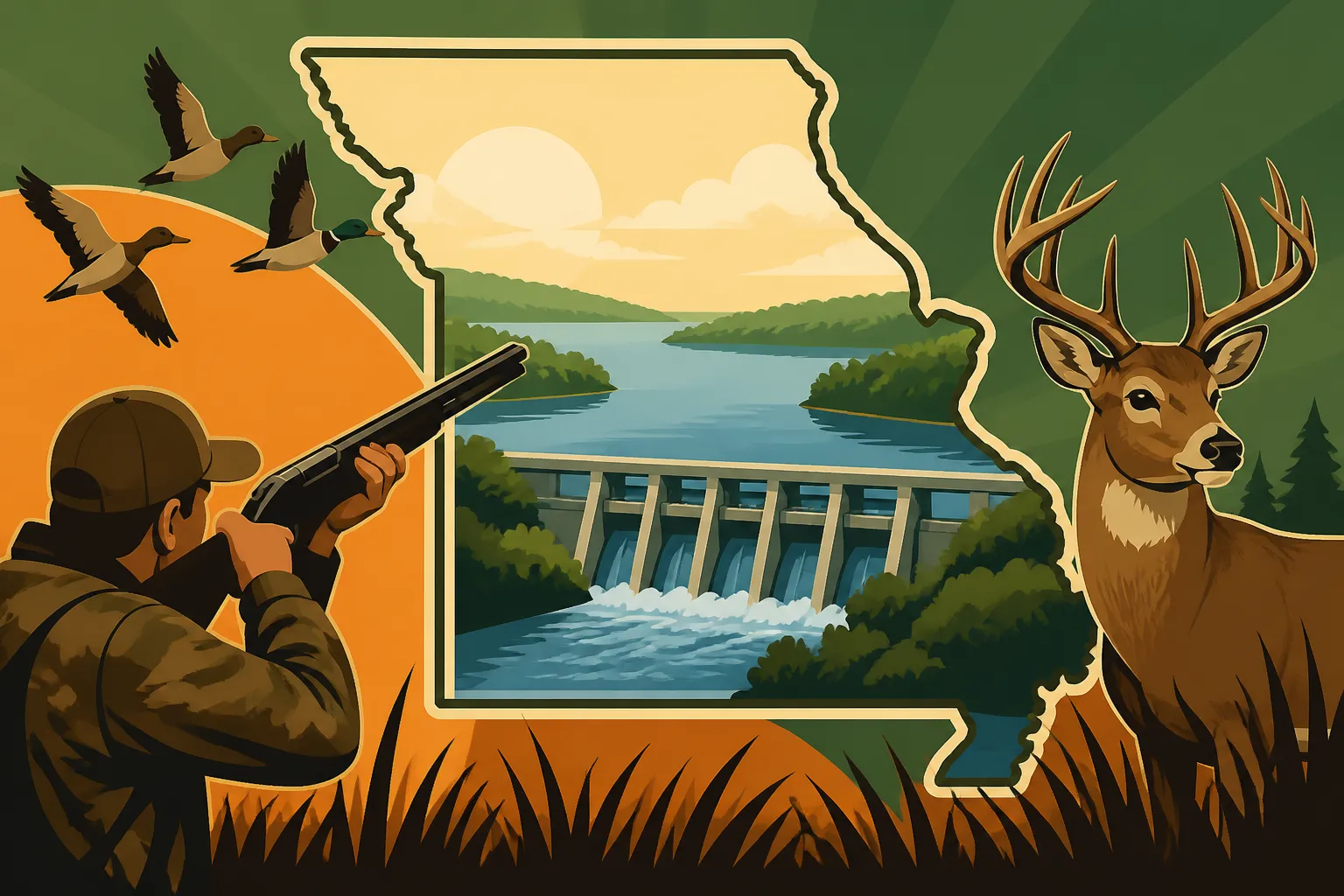
Missouri Corps of Engineers Lakes
Hunting on public land in Missouri can often feel like a puzzle, with different agencies managing different tracts, each with its own set of rules and access quirks. One area that frequently brings up questions for hunters is the vast network of lands surrounding the U.S. Army Corps of Engineers (USACE) lakes scattered across our state. This guide is dedicated to untangling the specifics of hunting these unique areas, helping you understand their regulations, identify prime locations, and equip you with the knowledge to make your next hunt a success.
Understanding Corps of Engineers Lands in Missouri
The U.S. Army Corps of Engineers manages hundreds of thousands of acres of land around major reservoirs in Missouri, from the expansive Truman Lake to the rugged shores of Table Rock. These lands often represent a fantastic, yet sometimes overlooked, opportunity for public land hunters. However, they operate under a different set of rules than what you might be accustomed to on state-managed Conservation Areas or even national forests. Getting to grips with this distinction is your first step toward effectively hunting these waterside properties.
What is the Corps of Engineers Role?
The Corps of Engineers' primary mission for these reservoirs isn't just recreation; it's flood control, hydropower generation, and navigation. Because of this, the management of the surrounding lands often takes on a multi-faceted approach, balancing habitat, public access, and resource protection. They oversee the shorelines, buffer zones, and sometimes larger tracts of timber or fields adjacent to the reservoirs. Unlike state agencies like the Missouri Department of Conservation (MDC), which focuses almost exclusively on wildlife and conservation, the Corps has a broader mandate. This can mean varying management practices, different permitting requirements (though often minimal for hunting itself), and sometimes, unique challenges for hunters trying to understand where they can and cannot go. It’s not uncommon to find areas designated for camping, picnicking, or other activities right alongside areas open to hunting, necessitating a keen understanding of boundaries and restrictions.
How These Lands Differ from State Conservation Areas
When you hunt a Missouri Conservation Area, you're usually dealing with a single, clear set of rules laid out by the MDC. They have specific regulations regarding everything from vehicle use to stand placement to baiting. Corps lands, however, can be a bit more complex. While the state's hunting regulations for seasons, bag limits, and legal methods still apply universally, the access rules, vehicle restrictions, and sometimes even local area-specific rules on Corps properties can vary. For instance, some Corps areas might have timber management plans that look very different from an MDC area, leading to different habitat types and deer movements.
Another key difference is management partnership. Often, the Corps will lease tracts of their land to the Missouri Department of Conservation or other entities for wildlife management. When this happens, those specific tracts usually fall under the MDC's area-specific regulations, which can be found in the Missouri Conservation Atlas or on individual area brochures. It's crucial to identify if a particular Corps tract you're interested in is managed solely by the Corps or in partnership with MDC, as this dictates the local rules you need to follow. Always check the signage at access points and consult the Corps' local office for clarification.
Navigating Access and Regulations
Accessing Corps lands is often straightforward, but always requires attention to detail. Many areas will have designated parking lots and access roads, while others might be walk-in only. Some parcels might even be best accessed by boat, especially on larger lakes like Truman or Stockton where timbered points and islands are plentiful. Before you even set foot on the ground, your most important tool will be a detailed map – either a physical map from the Corps office or a digital app like onX Hunt or GoHunt. These mapping tools are invaluable for identifying property boundaries, distinguishing Corps land from private property or state-managed parcels, and finding potential access points.
It’s not enough to just know you're on Corps land; you need to know the specific regulations for that particular unit. Vehicle use is a common point of variation; some areas allow vehicles on designated trails, while others are strictly foot traffic. Stand and blind placement rules can also differ, with some Corps properties prohibiting permanent stands or requiring them to be removed daily. Always look for signage at entrances, check the Corps of Engineers website for the specific lake project, and don't hesitate to call the local Corps office. They are usually very helpful and would rather answer a question than deal with a violation. Understanding Missouri Trespass and Permission Law is also critical, especially where Corps lands abut private property, to ensure you're always on legal ground.
Prime Corps Lakes for Hunting in Missouri
Missouri is blessed with several large Corps of Engineers lakes, each offering unique hunting opportunities ranging from dense timber to agricultural fringes. Knowing which lakes are most accessible and productive can help focus your scouting efforts.
Truman Lake: A Vast Opportunity
Harry S. Truman Reservoir, often simply called Truman Lake, is perhaps one of Missouri's most iconic Corps lakes for hunting. Sprawling across parts of four counties in west-central Missouri, Truman boasts an immense amount of public land, particularly timbered hills and draws surrounding its highly convoluted shoreline. This is big woods country, and it’s an excellent place for deer, turkey, and small game. The sheer size means you can find remote areas away from the crowds, especially if you're willing to walk a considerable distance or use a boat for access.
Deer hunting here can be fantastic, but it's not always easy. The dense timber means deer often live by different rules than those found in agricultural areas. Scouting for Hunting Missouri Ridge Saddles and Benches is a great tactic, as these natural funnels can concentrate deer movement. Turkeys also thrive in the timbered hills around Truman, and with persistent effort, you can find birds. Small game like squirrels and rabbits are abundant in the diverse habitat. Waterfowl hunting can be decent in the upper reaches and smaller arms of the lake, especially during migration, but it tends to be less consistent than dedicated wetland areas. When hunting Truman, be prepared for significant elevation changes and sometimes challenging terrain; sturdy Boots and Packs for Ozark Country are a must.
Stockton Lake: Ozark Hills and Clear Waters
Further south, Stockton Lake offers a different flavor of Corps hunting. Known for its clear waters and rugged Ozark topography, Stockton's surrounding Corps lands are characterized by steep, timbered bluffs and hollows. This terrain can be physically demanding but often rewards the hunter willing to put in the effort. The habitat around Stockton is classic Ozark forest, dominated by oaks and hickories, which makes for excellent mast crops in good years.
Deer here are plentiful, though perhaps not as large-bodied as those found in richer agricultural areas. Success often comes from understanding Wind and Thermals in Ozark Hills and how they influence deer movement along the ridges and creek bottoms. Still-Hunting a Missouri Ozark Hollow is a particularly effective method in this type of country. Turkey hunting can be phenomenal, especially in the spring, with gobblers echoing across the valleys. Hunting Turkeys in Ozark Hollows requires good woodsmanship and a willingness to cover ground. Small game like squirrels are very common in the mature timber. Access is often via county roads or boat, and knowing how to read topographical maps will be immensely helpful for finding those hidden gems.
Table Rock Lake: Southern Missouri's Gem
In the southwestern corner of the state, Table Rock Lake presents another stunning Corps hunting opportunity. Similar to Stockton, Table Rock is nestled in the Ozarks, offering steep, timbered terrain. While parts of the shoreline are heavily developed, there are still extensive tracts of Corps land open to public hunting, particularly on the northern and eastern arms of the lake. These areas are wild and scenic, demanding a patient approach.
Deer hunting around Table Rock often involves focusing on secondary ridges, draws, and secluded coves that offer both cover and food. Don't overlook the potential of hunting small points and islands if you have boat access. Turkey populations are strong, and the challenging terrain can make for some exciting hunts. The steep hills and deep hollows make for good hunting if you can get away from the more accessible areas. Hunters here often find success by putting in miles on foot, exploring the rugged landscape. Be aware that the proximity to urban areas and tourist destinations can sometimes mean increased pressure in easily accessible spots, so finding those out-of-the-way pockets is key.
Mark Twain Lake: Northeastern Missouri's Hunting Hub
Moving north, Mark Twain Lake, near Florida, Missouri, is a major Corps project in a different ecological region. This lake is surrounded by a mix of timber, agricultural fields, and brushy habitat, characteristic of northeastern Missouri's rolling farm country. The Corps manages a substantial amount of land here, much of which is leased to the MDC, creating a seamless blend of public hunting opportunities.
Mark Twain Lake is renowned for its excellent deer hunting. The combination of timbered bedding areas, nearby agricultural fields for food, and good deer genetics makes this a highly productive area. Focusing on areas where timber meets fields, or where draws funnel deer movement between food and cover, can be very effective. Hunting a Missouri Fencerow Between Fields or utilizing a Ground Blinds on Crop Field Edges are common and successful tactics. Turkey hunting is also strong, with birds often roosting in the timber along the lake and feeding in adjacent fields. The terrain is generally less severe than the Ozark lakes, making for easier walking, but still offers plenty of cover. Waterfowl can also be found on the lake, particularly during migration, with some dedicated managed hunting opportunities in certain areas.
Common Game Species on Corps Lands
While specific populations will vary by lake and habitat, Corps of Engineers lands across Missouri generally offer excellent hunting for the state's most popular game species. Understanding how to approach each species in these unique environments is crucial.
Deer Hunting Strategies
Deer are without a doubt the most sought-after game on Corps lands. The habitat diversity, from mature timber to brushy transition zones and agricultural interfaces, creates prime whitetail country. Success often hinges on understanding how deer utilize the landscape, especially the thick cover and water features these lakes provide.
In the timbered Ozark lakes like Stockton and Table Rock, deer will often travel ridge lines, use benches as feeding and travel corridors, and stick to the thickest cover in the hollows. Focusing your scouting on finding fresh sign along these features is vital. Consider strategies like Reading an Ozark Hollow for Deer Movement or setting up a Treestand Setups in Hardwood Timber on a key oak ridge. For lakes with more agricultural influence, like Mark Twain or the northern arms of Truman, deer will key heavily on food sources. Look for trails leading from thick timber to crop fields, or areas where deer cross between different cover types. A well-placed ground blind can be incredibly effective when hunting these edges. Regardless of the lake, scouting thoroughly before the season using tools like onX Hunt to identify funnels, bedding areas, and potential food sources is paramount. Remember, deer on public land often become wary very quickly, so minimizing your pressure and using smart entry/exit routes are key.
Turkey Hunting Challenges
Missouri's wild turkeys thrive on Corps lands, particularly in the extensive timber around the Ozark lakes. Spring turkey hunting offers some of the most exciting action, but it comes with its own set of challenges. The rugged terrain and dense foliage can make locating and calling birds difficult.
Successful turkey hunters on Corps lands often employ a run-and-gun strategy, covering a lot of ground to locate gobblers. Calling from ridges or points that allow your sound to travel across hollows can be effective for locating birds off the roost. Once a bird is located, stealthy movement to get into position is crucial. Identifying good setup spots, like against large trees or at the base of ridges where you can see incoming birds, is vital. Remember that other hunters will likely be out, so being aware of your surroundings and hunting safely is paramount. Fall turkey hunting is also an option, though it requires different tactics, often involving breaking up flocks and calling them back in.
Small Game Opportunities
Don't overlook the small game potential on Corps lands! Squirrels, rabbits, and sometimes even quail can be found in abundance, offering fantastic hunting opportunities outside of big game seasons. The mix of mature timber, brushy edges, and open fields is ideal for these species.
Squirrel hunting is especially productive in the oak-hickory forests surrounding many of these lakes. You can spend a quiet morning Squirrel Hunting in Hickories, listening for the chatter and cuttings of busy bushytails. Rabbits will often be found in brushy clearings, along field edges, or in thickets near water sources. Walking these areas with a shotgun can provide plenty of action. While quail populations can be spotty, some areas with good habitat management might hold coveys. These hunts offer a chance to explore different areas, hone your shooting skills, and enjoy a different pace of hunting. These hunts also offer a great way to introduce new or young hunters to the outdoors. Many Corps areas also permit Predator and Furbearer Hunting in Missouri during the appropriate seasons, adding another layer of opportunity.
Waterfowl Potential
While not typically known as primary waterfowl destinations compared to the state's dedicated managed wetlands, Corps lakes can offer surprisingly good duck and goose hunting, especially during migration peaks. The large bodies of water provide resting areas for migratory birds, and smaller coves, flooded timber pockets, and riverine sections can concentrate feeding birds.
Hunting waterfowl on these large lakes often requires scouting to identify key areas. Look for concentrations of birds during non-hunting hours, areas with natural food sources like acorns or smartweed, or small, sheltered coves. Using a boat is often essential for accessing prime spots. Decoy spreads can be effective, particularly for mallards and other dabblers in shallow, timbered areas. Goose hunting can also be productive in open fields adjacent to the lakes, especially cut grain fields. Be sure to check all local regulations regarding non-toxic shot, motor restrictions, and blind placement, as these can vary significantly on Corps properties. Understanding Missouri Waterfowl Seasons and Duck Zones is crucial, as is having the proper permits like the Federal Duck Stamp and HIP registration.
Essential Gear and Scouting for Corps Lakes
Hunting Corps of Engineers lands effectively requires not just understanding the rules, but also having the right tools and strategies for navigating and scouting these often expansive and rugged properties.
Topographic Maps and Digital Scouting
Gone are the days when a paper map and compass were your only tools (though they're still excellent backups!). Modern technology has revolutionized how we scout and navigate public land. For Corps lakes, a detailed topographic map or, even better, a mapping application like onX Hunt or GoHunt, is indispensable. These apps allow you to:
- Identify Public vs. Private Land: This is the single most important feature. Corps boundaries can be irregular, and private property often abuts public land without clear fencing. These apps clearly delineate property lines, preventing accidental trespass.
- Locate Access Points: See existing roads, trails, and parking areas.
- Understand Topography: Contour lines show you elevation changes, allowing you to identify ridges, hollows, saddles, and benches even before you step foot in the woods. This is critical for predicting deer movement and planning your approach.
- Mark Waypoints: Drop pins for sign, potential stand locations, historical observations, or even where you parked your truck.
- Satellite Imagery: View the actual terrain, identifying timber types, clearings, water features, and potential food sources. Reading Aerial Photos for Ozark Deer will give you a huge advantage.
Before you even drive to the lake, spend hours digitally scouting. Look for areas with diverse habitat, pinch points, and cover that looks less accessible to others. These hidden gems are often where mature animals find refuge.
Foot Power and Watercraft Access
One of the defining characteristics of hunting Corps lands, especially the large Ozark lakes, is the need for physical fitness and a willingness to explore. Many of the best hunting spots are not directly off a paved road. You should be prepared to:
- Walk Miles: Don't expect to pull up and immediately be in prime hunting ground. The more you walk, the more you get away from other hunters, and the higher your chances of finding undisturbed game. A good pair of comfortable, supportive boots is non-negotiable, especially on the rocky, uneven terrain of the Ozarks.
- Navigate Rough Terrain: Expect steep climbs, dense brush, and stream crossings. Having a pack that carries all your essentials comfortably is crucial.
- Utilize Watercraft: For lakes like Truman, Stockton, or Table Rock, a boat, kayak, or even a canoe can open up vast amounts of otherwise inaccessible public land. You can reach islands, remote points, or the backs of coves where other hunters might not venture. This strategy can be particularly effective for deer hunting, allowing you to bypass dense shorelines and get deep into timbered areas. Ensure your watercraft is properly registered and equipped with safety gear.
Stand and Blind Considerations
The type of stand or blind you choose for Corps land hunting should be dictated by the specific regulations of the area and the hunting style you intend to employ.
- Portable Treestands and Saddles: These are often the most versatile choice for timbered Corps lands. They allow you to adapt to changing conditions and new sign. Always check if stands must be removed daily. If so, a lightweight climber or a saddle hunting setup is ideal. For long-term placements (where permitted), ensure your stand is clearly marked with your name and address, as required by Missouri regulations on public land. Learning Hanging a Stand on a Ridge Saddle can be a game-changer for deer movement.
- Ground Blinds: While less common in heavily timbered areas, ground blinds can be excellent on Corps properties with agricultural interfaces or thick brushy cover. They are especially useful if you're hunting with a youth, during inclement weather, or if you prefer to be at ground level. Remember that most Corps lands will prohibit permanent structures, so a pop-up blind that you set up and take down, or at least brush in well, is usually the way to go. Consider Brushing In a Blind on a Field Edge for maximum concealment. Always check for specific rules on Using a Ground Blind on Missouri Public Land.
- Mobile Hunting: Sometimes the best "stand" is no stand at all. Still-hunting or spot-and-stalk can be incredibly effective on Corps lands, particularly for turkeys or when deer are on the move during the rut. This requires stealth, patience, and a deep understanding of the terrain and animal behavior.
Respecting the Resource and Other Users
Hunting on Corps of Engineers lands means sharing the resource with a diverse group of outdoor enthusiasts. These areas are not just for hunters; they're for hikers, anglers, boaters, birdwatchers, and campers. Being a responsible and respectful hunter ensures a positive experience for everyone and helps maintain public access for future generations.
Understanding Multi-Use Regulations
The Corps manages these lands for multiple uses, and sometimes those uses can conflict. For example, a popular hiking trail might run through an area that also holds deer. A camping area might be adjacent to good turkey woods. It's incumbent upon the hunter to be aware of these other uses and to conduct themselves safely and ethically.
- Know the Zones: Many Corps areas will have designated zones for specific activities. A "no hunting" zone around a recreation area is common and must be respected. Use your mapping tools to identify these areas.
- Be Visible: During firearms seasons, remember to wear the required blaze orange. Even during archery or turkey seasons, wearing a patch of orange while walking in or out can make you more visible to other users.
- Respect Others' Space: If you encounter other users, a friendly nod or greeting goes a long way. Avoid setting up too close to established trails or recreation areas, not only for safety but also to avoid disturbing others. Your objective is to enjoy the outdoors, and so is theirs.
Leave No Trace Principles
Public land is a shared resource, and it's up to all of us to keep it pristine. Practicing Leave No Trace principles is fundamental for hunters on Corps lands.
- Pack It In, Pack It Out: This is the golden rule. Every piece of trash, every shell casing, every food wrapper you bring in, must leave with you. This includes anything you might use at a campsite or for field dressing.
- Minimize Impact: Stay on designated trails or roads where possible. If off-trail, avoid creating new, unnecessary paths. Be mindful of fragile vegetation. When placing a tree stand, use methods that don't damage the tree, and remove all straps and hardware when you leave.
- Dispose of Waste Properly: If nature calls, bury human waste at least 6-8 inches deep and 200 feet from water sources or trails.
- Respect Wildlife: Hunt ethically and know your limits. Avoid disturbing non-target species.
- Leave What You Find: Leave natural objects and cultural artifacts as you find them. Don't deface trees or rocks.
Safety Considerations
Hunting, especially on expansive public lands, carries inherent risks. Being prepared and prioritizing safety is critical.
- Tell Someone Your Plans: Always let a friend or family member know where you're going, when you expect to return, and what your specific hunting area is. This is especially important if you're hunting alone in remote areas.
- Carry a First-Aid Kit: Minor injuries can quickly become serious in the backcountry. A basic first-aid kit with bandages, antiseptic wipes, pain relievers, and any personal medications is essential.
- Stay Hydrated and Fuelled: Long walks and strenuous activity, particularly in early or late season, require proper hydration and nutrition. Carry enough water and snacks.
- Weather Preparedness: Missouri weather can change rapidly. Dress in layers and carry rain gear, even if the forecast looks clear. Staying Dry Through an Ozark Rain can be the difference between a successful hunt and a miserable one.
- Firearms Safety: Always follow the four fundamental rules of firearm safety. Be absolutely certain of your target and what is beyond it, especially in areas with other users.
- Game Recovery: Plan for game recovery, particularly in rugged terrain or warm weather. Have a plan for how you will get your animal out, especially if you're alone. Having a game cart or a friend to help can make a huge difference, especially when Getting a Deer Out of a Hollow Alone or Recovering a Deer in Steep Ozark Ground.
Hunting on Missouri's Corps of Engineers lakes offers some of the most challenging and rewarding public land experiences in the state. With proper planning, diligent scouting, the right gear, and a commitment to responsible outdoor ethics, you can unlock incredible hunting opportunities on these magnificent waterways.
| Corps Lake | Primary Hunting Opportunities | Typical Terrain | Access Considerations |
|---|---|---|---|
| Truman Lake | Deer, Turkey, Small Game, Waterfowl | Rolling timbered hills, deep draws, extensive shoreline | Extensive roads, boat access preferred for remote areas |
| Stockton Lake | Deer, Turkey, Small Game | Steep Ozark bluffs, timbered hollows, clear water | County roads, boat access for secluded coves |
| Table Rock Lake | Deer, Turkey, Small Game | Rugged Ozark hills, dense timber, developed shores | Mix of roads and boat access; some areas require significant walking |
| Mark Twain Lake | Deer, Turkey, Waterfowl, Small Game | Rolling farm country, timbered blocks, agricultural fields | Good road access, field edges, some boat access for lake features |
Disclaimer
This article is for general informational purposes only and does not constitute professional advice. Laws, prices and regulations vary by location and change over time. Consult a qualified professional for guidance on your specific situation.