Eagle Bluffs Conservation Area
For many Missouri hunters, the idea of finding truly great public hunting ground that isn't completely hammered by pressure can feel like chasing a phantom. You spend hours poring over maps, driving gravel roads, only to find packed parking lots or spots that just don't produce. Eagle Bluffs Conservation Area, nestled just west of Columbia, often comes up as a gem for waterfowl, deer, and small game, but knowing how to unlock its potential requires more than just showing up. This guide aims to pull back the curtain on hunting this unique and often misunderstood piece of public land.
An Overview of Eagle Bluffs Conservation Area
Eagle Bluffs Conservation Area is not your typical timber tract or rolling farm ground. It’s a truly distinctive landscape, primarily shaped by its location along the Missouri River and its extensive system of managed wetlands. This isn't just a place to hunt; it's an active ecosystem managed specifically for migratory birds and other wildlife, which means hunters need to understand its unique character before even setting foot in the field.
Location and Unique Landscape Features
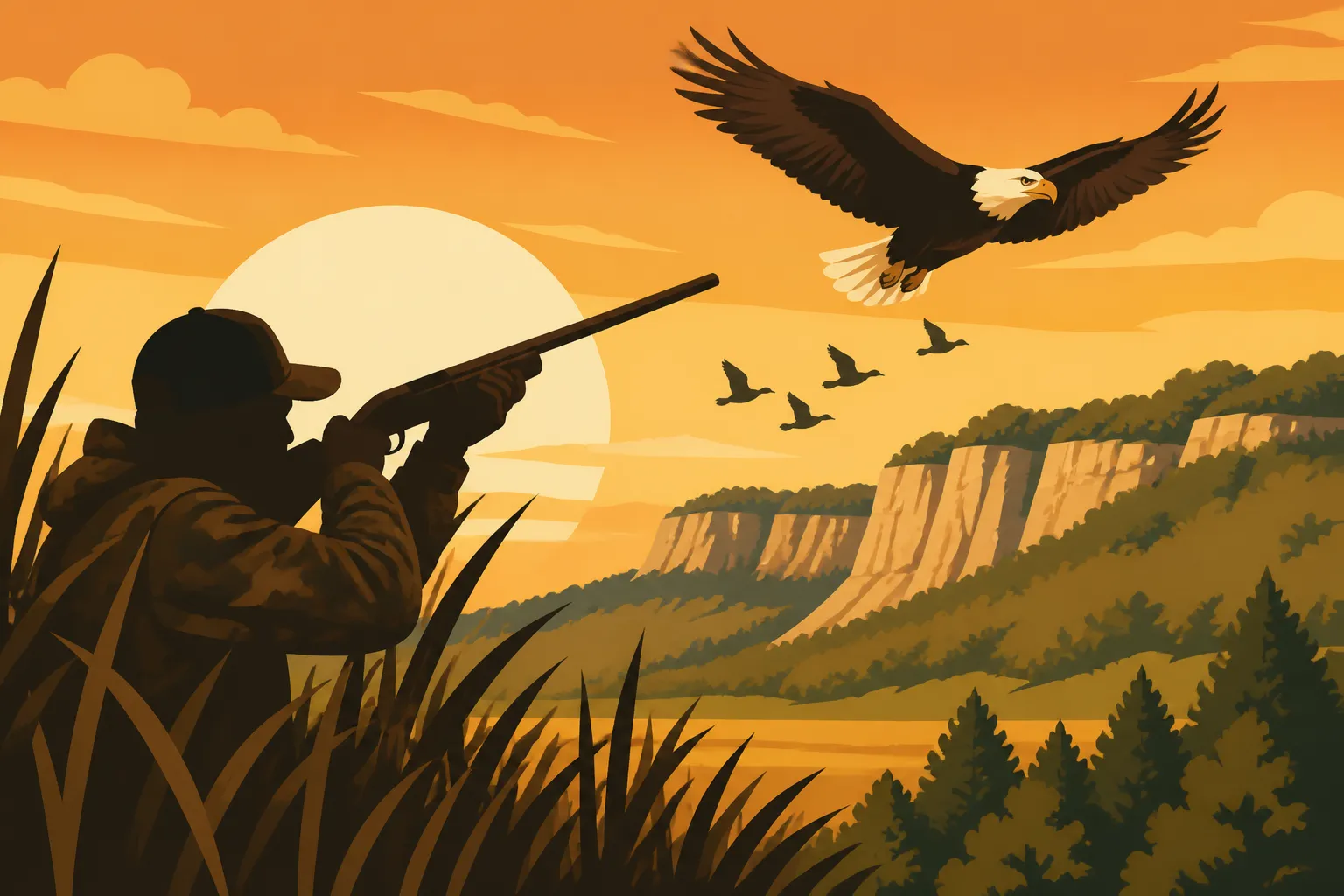
Situated directly adjacent to the Missouri River, about six miles southwest of Columbia, Eagle Bluffs spans thousands of acres that include bottomland forest, agricultural fields, and most notably, an intricate network of wetland pools. This close proximity to the "Big Muddy" means the area is a critical stopover for waterfowl on the Mississippi Flyway, drawing in ducks and geese in incredible numbers during migration. But it's not just ducks; the bottomland hardwoods and brushy areas also hold deer, turkey, and a variety of small game. Understanding that this isn't just a flat, open field but a dynamic mix of water, timber, and field edges is key to approaching it effectively. The landscape can feel overwhelming at first glance, with its levees, control structures, and various units, which can certainly be a source of frustration for hunters who are used to simpler terrain.
Management Objectives and Impact on Hunters
The primary objective of Eagle Bluffs is habitat management for migratory birds, particularly waterfowl. This means water levels are meticulously controlled in the wetland pools, crops are planted for wildlife forage, and certain areas are designated as refuges where hunting is restricted or prohibited. These management practices, while excellent for wildlife, directly influence how, when, and where hunters can pursue game. For instance, specific units might be flooded or drawn down at different times, or entire sections might be closed to all access during critical periods. It's a system designed to maximize ecological benefit, and hunters need to be diligent about checking current regulations and area maps. This constant flux can be a bit of a headache, especially for those who don't hunt the area regularly. The Missouri Department of Conservation puts out detailed information, but it's up to us as hunters to stay informed.
Hunting Opportunities at Eagle Bluffs
Eagle Bluffs offers a diverse range of hunting opportunities, but each comes with its own set of challenges and specific regulations. Knowing what to expect and how to prepare can make all the difference in turning a frustrating day into a successful one.
Waterfowl Hunting: Draws, Blinds, and Decoys
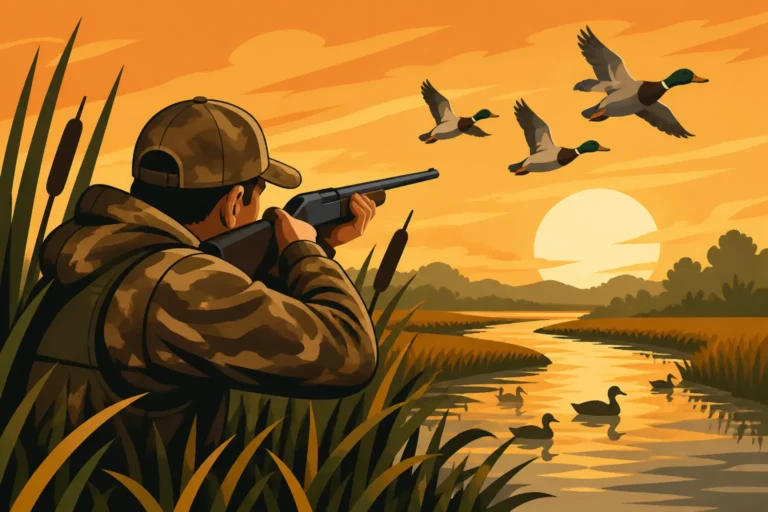
Waterfowl hunting is arguably what Eagle Bluffs is most famous for. During the season, the area transforms into a vibrant hub for duck and goose hunters. However, gaining access to the prime wetland units isn't as simple as walking in. Many of the most productive pools are managed via a Missouri Managed Wetland Draw System. This means you typically apply or show up for a daily drawing, where successful applicants are assigned specific hunting locations or "pools." It can be a disheartening experience to wake up before dawn, drive a long way, and then draw a high number or no slot at all. But for those who draw a good spot, the hunting can be phenomenal.
Hunters often bring their own decoys, calls, and blind materials. Some areas might have existing blinds or pits, while others require you to set up a portable blind or use natural cover. It's crucial to understand the rules for each specific unit drawn. For instance, Duck Calling in Timber Versus Open Water requires different approaches, and Eagle Bluffs offers both types of environments. Prepare for cold, wet conditions, and invest in quality Waders for Missouri Flooded Timber. The competition can be fierce, and birds can become decoy-shy quickly, so being adaptable and having a diverse spread can really pay off.
Deer Hunting: Bottomland Bucks and Archery Challenges
While waterfowl often steal the spotlight, Eagle Bluffs also holds a healthy population of white-tailed deer. These aren't necessarily the giant farm country bucks you hear about in northern Missouri, but the bottomland environment can produce some solid deer, especially if you're willing to put in the legwork away from the most trafficked waterfowl areas. Archery season is particularly popular, offering long stretches of hunting opportunity. Bowhunting Missouri's Four-Month Archery Season provides ample time to scout and hunt the area.
Deer in this area often rely on the dense cover of the bottomland timber, brushy edges, and the agricultural fields planted within the area. Identifying travel corridors between bedding areas in the thickets and food sources in the fields is critical. During firearm portions, remember that hunter orange requirements apply, even for archers hunting alongside those using firearms. Orange Requirements for Missouri Archers are specific, so be sure you're compliant. The challenges here include the sheer amount of cover, the potential for other hunters, and sometimes, navigating flooded sections if water levels are high. Knowing how to read the terrain and adapt to changing conditions is vital.
Small Game and Other Opportunities
Beyond deer and ducks, Eagle Bluffs offers chances for rabbit, squirrel, and even turkey hunting in certain designated areas, though turkey opportunities might be limited compared to more traditional timber tracts. Squirrel Hunting in Oak Hickory Timber is a classic Missouri pursuit, and while Eagle Bluffs is primarily bottomland, some oak stands can be found. Rabbit hunting along field edges and brush piles can be productive, particularly after the leaves drop.
Hunters pursuing small game will find similar challenges to deer hunters: navigating dense cover, understanding property boundaries, and dealing with other recreational users. Always check the area-specific regulations for the specific season and species you're targeting. The diversity of game can be a real draw, offering a chance to fill multiple tags if you're willing to explore different tactics and cover types.
Navigating and Accessing Eagle Bluffs
Getting around Eagle Bluffs can be tricky. It's a large area with specific access points, and relying solely on what you see from the main roads will leave you missing a huge chunk of its potential. This is where modern tools really shine.
Using Digital Mapping Tools
Traditional paper maps have their place, but for an area as dynamic and complex as Eagle Bluffs, digital mapping tools are an absolute game-changer. Services like onX Hunt provide detailed satellite imagery, property boundaries (including Conservation Area borders), and even water depth overlays in some areas. This is invaluable for scouting from home, planning your approach, and staying found in the field. Before you even head out, you can pinpoint potential access points, identify travel corridors for deer, or locate specific wetland units for waterfowl. When you're standing on the edge of a vast marsh, knowing exactly where you are and what lies ahead through an app like onX Hunt can dramatically reduce frustration and improve safety.
Many hunters find the ability to drop waypoints, measure distances, and track their movements directly on their phone or GPS unit indispensable. It takes the guesswork out of navigating intricate trail systems or finding your way back to your vehicle after a long walk in unfamiliar territory. You can even download maps for offline use, which is critical in areas with spotty cell service. This level of detail isn't just a convenience; it's a strategic advantage.
Access Points and Parking Considerations
Eagle Bluffs has several designated parking areas and access points, but it's crucial to consult the official Downloading Missouri Area Maps or the detailed brochures provided by the Missouri Department of Conservation. Some access points might be limited to walk-in traffic only, while others allow vehicles on certain gravel roads during specific times of the year. During peak seasons, particularly waterfowl draws or the November firearms deer portion, parking lots can fill up fast.
Early arrival is often necessary, not just for the daily draw but also to secure a parking spot that puts you close to your intended hunting area. Be prepared for potentially long walks, especially if you're trying to get away from the immediate pressure around popular entry points. Consider the gear you'll need to haul and how far you're willing to carry it. For those trying to get into deeper sections, a cart or specialized pack can be a lifesaver. Keep an eye out for signs indicating restricted areas or specific rules for vehicle access, as these can change seasonally.
Understanding Area-Specific Regulations
Every Conservation Area in Missouri has general rules, but many, like Eagle Bluffs, also have specific regulations tailored to their unique habitat and management goals. Ignorance of these rules is never an excuse. Always check the current Missouri Conservation Area Rules and the specific area brochure for Eagle Bluffs before you hunt.
These regulations can cover everything from hunting methods allowed in certain units, to restrictions on tree stands or ground blinds, to specific shooting hours, and even rules about non-toxic shot for waterfowl. For example, some wetland units may be entirely closed during portions of the waterfowl season to provide a sanctuary for birds. Others might have specific check-in and check-out procedures for hunters. Not only is this vital for legal compliance, but it also helps ensure a safe and enjoyable experience for everyone using the area. Taking the time to read through these details can save you a lot of hassle and potential fines.
Tips for a Successful Hunt at Eagle Bluffs
Hunting at Eagle Bluffs, like any challenging public land, often comes down to preparation, persistence, and a willingness to adapt. Don't go in expecting an easy hunt; rather, embrace the challenge and the unique environment.
Pre-Season Scouting and Observation
You've heard it a thousand times, but it bears repeating: Scouting Missouri Public Land Before Season is absolutely paramount at Eagle Bluffs. This isn't just about finding game sign; it's about understanding the lay of the land, identifying access routes, and getting a feel for where pressure might be concentrated. Walk the levees, explore the timber, and identify potential bedding and feeding areas. Look for pinch points where deer might be funneled, or observe bird movements if waterfowl is your target.
During the off-season, pay attention to water levels in the various wetland units. What's flooded in October might be dry in November, and vice-versa. Use your mapping apps like onX Hunt or GoHunt to mark potential stand locations, hidden pockets of cover, or points of interest. Even a simple drive through the area during different seasons can reveal valuable insights into wildlife patterns and where hunters typically congregate. The more you know before opening day, the better your chances of finding unpressured game.
Adapting to Hunting Pressure
Eagle Bluffs, especially for waterfowl and during the early firearms deer portion, can see significant hunting pressure. It's a known spot, easily accessible from Columbia, so expect company. The key isn't to avoid all pressure, but to adapt to it. This might mean walking further than most, hunting mid-week when crowds are thinner, or using tactics that account for educated game. Hunting Pressure on Missouri Public Ground is a reality we all face.
For deer, this could mean still-hunting slowly through dense cover, or setting up on escape routes that deer might use when pushed by other hunters. For waterfowl, it might involve being extra meticulous with your hide, using confidence decoys, or calling less to avoid spooking birds that have seen it all. Don't be afraid to try less conventional approaches or explore areas that look less appealing on the surface but might hold a hidden gem away from the main thoroughfares. Sometimes, the nastiest, hardest-to-reach spots are exactly where the game will be.
Weather and Water Level Considerations
The weather, particularly rain and cold, dramatically influences conditions at Eagle Bluffs. Water levels are constantly managed, but significant rainfall or drought can alter access and hunting opportunities in an instant. A sudden cold snap can freeze shallow pools, making them unhuntable for ducks but potentially pushing deer into thicker cover.
Always check the local forecast and the Missouri Department of Conservation's website for any specific area closures or water level updates before heading out. For waterfowl hunters, understanding the implications of freezing temperatures on decoys and waders is critical. For deer hunters, muddy conditions can make navigating the bottomland a slog, but also quiet your footfalls. Be prepared for anything, from scorching early-season heat to bitter late-season cold, and everything in between. Layering clothing is essential, as temperatures can fluctuate wildly during a single day in Missouri.
Comparative Overview of Hunting Opportunities at Eagle Bluffs
To give you a quick snapshot of what to expect, here's a brief comparison of the most popular hunting types at Eagle Bluffs:
| Game Species | Typical Seasons | Primary Hunting Method | Key Challenges |
|---|---|---|---|
| Waterfowl | Fall/Winter (specific zones/portions) | Decoying, calling, managed draws | High pressure, draw odds, weather, water levels, access |
| White-tailed Deer | Archery (Fall/Early Winter), Firearms (Nov), Alternative Methods | Still-hunting, stand hunting, scouting | Dense cover, hunter pressure, finding unpressured areas |
| Small Game | Fall/Winter (rabbit, squirrel) | Walking, flushing, still-hunting | Thick cover, general hunter activity |
| Wild Turkey | Spring (limited areas), Fall (limited areas) | Calling, run-and-gun (if suitable terrain) | Limited optimal habitat, high hunter density in some spots |
This table provides a general idea, but remember, detailed regulations for Missouri Deer Season Portions Explained, Missouri Spring Turkey Permits and Limits, and Missouri Waterfowl Seasons and Duck Zones are constantly updated and must be checked before you head afield.
Disclaimer
This article is for general informational purposes only and does not constitute professional advice. Laws, prices and regulations vary by location and change over time. Consult a qualified professional for guidance on your specific situation.