Layout Blinds for Missouri Fields
There's nothing quite like the wide-open expanse of a Missouri agricultural field or a sprawling prairie, full of promise for a hunt. But let's be real, finding a good place to hide when you're out there can feel like trying to disappear in a gymnasium. You've got birds circling high or deer scanning the horizons, and every little bump or shadow seems to stick out. This guide is all about mastering the art of invisibility in these open environments, specifically by using layout blinds, so you can hunt those wary animals effectively.
Why Layout Blinds Are a Game-Changer in Open Country
Hunting in vast, open landscapes in Missouri presents a unique set of challenges that can leave even the most seasoned hunter scratching their head. You've scouted, you know the birds are landing here or the deer are crossing there, but how do you actually get close enough to make a shot without being spotted? This is where the sheer brilliance of a layout blind truly shines, transforming you from a conspicuous figure into just another part of the landscape.
The Challenge of Concealment in Missouri Fields
Think about it: whether you're chasing geese in a vast cut cornfield in northern Missouri or trying to intercept deer moving across a soybean stubble field in the late season, there's just nowhere to hide naturally. Trees are often far away, brush lines might be too thin or in the wrong spot, and digging a pit blind isn't always feasible or permitted, especially on public ground. You try draping a camo net over yourself, or maybe just lying prone in the dirt, but the silhouette of your head, the bulk of your shoulders, or the glint of your firearm often gives you away. Waterfowl have incredible eyesight, spotting anomalies from hundreds of feet up, and mature whitetail bucks are legendary for their ability to pick out even the slightest movement or unnatural shape. It's frustrating to know the game is there, only to have them flare off because they saw you before you even had a chance to react. The wind might be perfect, the decoys spread just right, but if your hide is blown, the hunt is over before it begins.
How Layout Blinds Provide Unrivaled Low-Profile Hiding
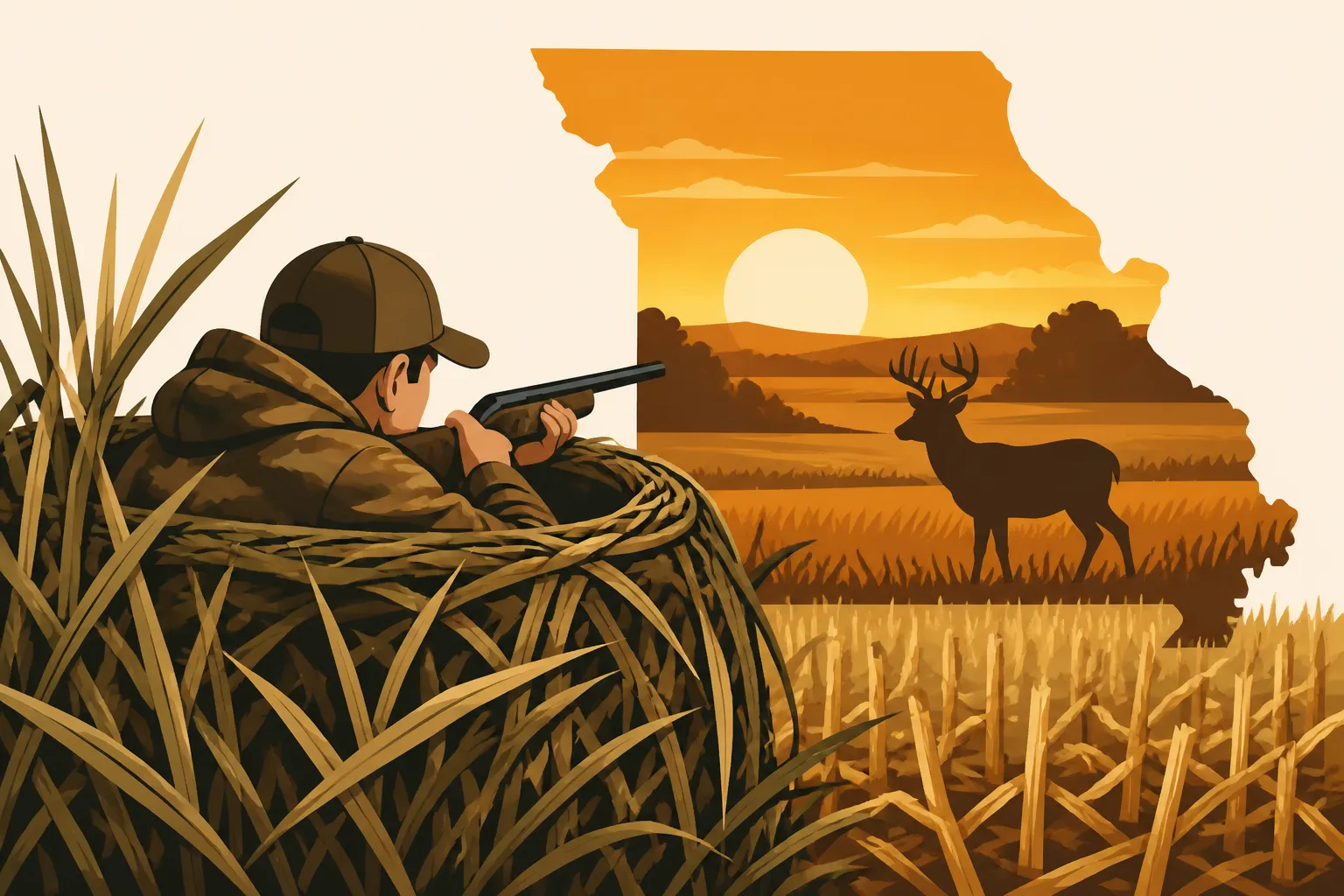
This is precisely why layout blinds were invented, and why they've become an indispensable tool for open-country hunting. A quality layout blind is designed to hug the contours of the ground, effectively making you disappear into the field. You're lying down, often in a comfortable reclined position, which not only keeps you incredibly low to the ground but also reduces the amount of movement you need to make to get ready for a shot. The blind acts as a shell, breaking up your human form into an indistinguishable lump of grass, stubble, or dirt. Most modern blinds come with stubble straps or pockets where you can weave in natural vegetation from the immediate area – think corn stalks, wheat stubble, or even dried weeds. This "brushing in" process is absolutely critical and turns your blind into an extension of the field itself. When a flock of geese cups their wings over your decoys or a wary buck finally steps into range, they won't be looking at a hunter; they'll be looking at what appears to be just another random clump of vegetation, allowing you those crucial extra seconds to raise your gun or bow and make the shot. It's a game of deception, and the layout blind is your ultimate camouflage.
Choosing the Right Layout Blind for Missouri Conditions
Once you've decided a layout blind is the way to go for your open-field pursuits, the next step is picking one that will actually serve you well here in Missouri. Not all blinds are created equal, and what works perfectly for one hunter or one type of terrain might be a frustrating flop for another. Considering Missouri's varied landscape and often unpredictable weather is key to making a smart investment.
Key Features to Look For
When you're sifting through the options, several features stand out as non-negotiable for Missouri hunting. First, durability is paramount. Our fields can be rough – rocky, muddy, frozen, or full of abrasive stubble. You need a blind built with tough, weather-resistant fabric and a robust frame that can withstand being set up, taken down, and transported repeatedly. Think about the zippers, buckles, and hinges; these are often the first points of failure, so inspect them closely. Second, concealment features are crucial. Look for plenty of stubble straps or pockets that make brushing in easy and effective. The material itself should have a good camouflage pattern that blends with typical Missouri agricultural fields or prairie grasses. Consider how well the blind breaks up your silhouette – some designs are more streamlined, while others have a more irregular, natural shape. Third, comfort might seem like a luxury, but it's vital for those long, cold sits. Look for adequate padding, a comfortable headrest, and enough interior space to move slightly, store your gear, and get into shooting position without feeling cramped. Finally, consider ease of transport and setup. If it takes too long to set up or is a pain to carry across a mile of muddy field, you'll be less likely to use it. A lightweight design with good shoulder straps or a carrying handle is a huge bonus.
Different Types of Blinds and Their Applications
Layout blinds come in a few main styles, each with its own advantages, and understanding them will help you choose what's best for your particular Missouri hunting scenario.
-
Full-Frame Blinds: These are the most common and offer the most robust concealment and comfort. They have a full metal frame that supports the fabric, keeping it off your body and providing ample room. They usually feature a hinged lid that pops open for shooting. Brands like Avery, Final Approach, and GoHunt often offer excellent full-frame options. They're ideal for waterfowl hunting in cut corn or soybean fields, where you're often lying for extended periods in potentially harsh weather. They offer the best protection from wind and cold and the most effective way to disappear. You can fit quite a bit of gear inside with you, keeping it dry and out of sight.
-
Wedge or Low-Profile Blinds: These are a step down in size and weight from full-frame blinds, designed to be even lower to the ground. They often have a minimal frame or rely more on internal poles to create a wedge shape. While they offer less room and sometimes less weather protection, their ultra-low profile makes them incredibly hard to spot, especially in shorter stubble or sparse cover. They can be excellent for early-season goose or dove hunts where the vegetation isn't as tall, or if you need to be exceptionally well hidden from wary birds. They're also generally lighter and quicker to deploy.
-
Panel Blinds: These are the simplest, often consisting of just a few hinged panels of fabric and minimal framing. You essentially lie down and pull the panels around and over you. They offer the least comfort and weather protection but are incredibly lightweight, highly portable, and incredibly quick to set up. They are best suited for situations where you need to move frequently, or when the weather is mild, and the cover is truly minimal. They are a good choice if you're trying to Jump Shooting Small Creeks or if you're Still-Hunting After a Fresh Snow and need a quick hide.
Here's a quick comparison:
| Feature | Full-Frame Blind | Wedge/Low-Profile Blind | Panel Blind |
|---|---|---|---|
| Concealment | Excellent (full coverage) | Very Good (ultra-low) | Good (minimal structure) |
| Comfort | High (padded, roomy) | Moderate (less room) | Low (minimal padding) |
| Weather Prot. | High (blocks wind/rain) | Moderate (some protection) | Low (minimal protection) |
| Portability | Moderate (heavier, bulkier) | High (lighter, more compact) | Very High (lightest, flattest) |
| Setup Speed | Moderate | Fast | Very Fast |
| Ideal Use | Waterfowl in cut fields, long sits, cold weather | Wary birds, shorter stubble, milder temps | Quick hides, mobile hunts, warm weather |
Strategic Placement and Brushing for Maximum Effectiveness
Having the best layout blind money can buy won't do you a bit of good if you don't know where to put it and how to make it vanish. This isn't just about throwing it down anywhere; it's about understanding the nuances of the landscape and the behavior of the game you're pursuing. In Missouri, whether it's the rolling hills of the north or the more subtle undulations of the central plains, placement and brushing are paramount to success.
Reading the Landscape and Understanding Bird/Deer Behavior
Before you even think about unzipping your blind bag, you need to understand the lay of the land. For waterfowl, this means identifying the "X" – the exact spot where ducks or geese want to be. This could be where they've been feeding heavily, a high spot in a field that offers a good vantage point, or along a predictable Reading Roost-to-Field Flight Lines. Look for subtle depressions, fencerows that offer a bit of natural cover, or areas where the stubble is slightly taller. For deer, you're often looking for travel corridors, pinch points, or preferred feeding areas within a field. They might hug a treeline, cross at the narrowest point of a field, or work a particular kind of browse. Hunting a Missouri Fencerow Between Fields can be a great place to tuck a blind, or along a creek bottom winding through agricultural ground.
Once you've identified your general area, pinpoint the precise spot for your blind. Aim for a slightly elevated position if possible, but one that still offers a low profile. This helps you see incoming game better and can prevent your blind from getting swamped if it rains. However, don't put yourself on the highest point in the field where you'll be silhouetted. Instead, find a small rise or a subtle dip just behind it. Pay attention to the wind direction – you want to be downwind or crosswind from where you expect the game to approach, allowing your scent to carry away (for deer) or to have the birds finish directly into your face over the decoys. A little time spent observing and really understanding why animals use certain parts of the field will pay off immensely.
Mastering the Art of Blending In
Now for the fun part: making your blind disappear. This is where most hunters either excel or fail. The first rule of brushing in is simple: use what's around you. If you're in a cut cornfield, use corn stalks. If it's a soybean field, use soybean stubble and weeds. Don't bring grass from your lawn if you're hunting a wheat field; it will stick out like a sore thumb. Collect plenty of natural vegetation that matches the color and texture of the surrounding environment.
Start by stuffing the stubble straps or pockets on your blind liberally. Don't be afraid to overdo it – you can always remove some. The goal isn't just to cover the blind, but to break up its perfect geometric shape. Toss loose stubble or dirt over the blind. Pay extra attention to the edges where the blind meets the ground; this is a common giveaway. If you can, dig out a shallow trench for the edges of the blind to sit in, making it flush with the ground. Create natural-looking shadows by arranging vegetation strategically.
Consider the sun's angle throughout the hunt. Will your blind cast a harsh, unnatural shadow that will be visible from above or afar? Try to place your blind so that any shadows it casts are obscured by other vegetation or blend into the natural shadows of the terrain. If you're Setting a Goose Spread in Cut Corn, ensure your blind matches the height and density of the surrounding stalks. Remember, the game animals spend their entire lives looking at these fields; they know what belongs and what doesn't. Your job is to convince them that your blind is just another patch of undisturbed earth. Take a few steps back, even use your binoculars, to check your work from different angles. If it looks natural to you, it has a much better chance of looking natural to a wary bird or deer.
Field Prep and Setup Techniques for a Successful Hunt
You've done your scouting, chosen your blind, and now it's time to put it all into action. A successful hunt in Missouri's open fields starts long before you pull the trigger. It begins with meticulous preparation at home and smart, efficient setup when you arrive at your hunting spot. Cutting corners here can lead to a frustrating experience and, more importantly, a blown opportunity.
Before You Go: Scouting and Gear Prep
Preparation is key, especially when you're heading to open country where cover is minimal. First, scouting cannot be emphasized enough. You need to know exactly where the birds are feeding, where the deer are traveling, and what the prevailing wind conditions are expected to be. This isn't just about finding the "X" for waterfowl; it's also about identifying the specific types of vegetation, soil color, and topography of that chosen spot so you can gather appropriate brushing material. Using mapping tools is invaluable here. Services like GoHunt often integrate detailed aerial imagery with property lines and topographic features, allowing you to study potential blind placements, access routes, and natural cover from your couch. You can overlay weather predictions, mark waypoints for your setup, and even identify Entry Routes on Rolling Farm Ground that minimize disturbance.
Once you know where you're going and what it looks like, gather your brushing material. Don't wait until you're in the field to scramble for cover. If you know you're hunting a cornfield, try to acquire some dry corn stalks beforehand. If it's a wheat stubble field, bundle some similar-looking grasses. Bring enough to completely cover your blind, and then some. A small pair of clippers or shears can be handy for harvesting brushing material at the site.
Next, check your blind itself. Is it clean? Are all the zippers and buckles working smoothly? Does the frame operate correctly? Make sure your decoy spread is ready, whether it's a flock of full-body goose decoys or a handful of deer decoys. For waterfowl, a good call, a sturdy flag, and appropriate Waterfowl Loads for Missouri Ducks are essential. For deer, your firearm or bow should be sighted in, and your scent control regimen applied. Don't forget essentials like a good headlamp (for pre-dawn setups), extra layers for changing Missouri weather, and a thermos of coffee or water. Having everything organized and prepped minimizes fumbling and noise when it matters most.
On-Site Setup: Quick and Efficient Deployment
When you arrive at your spot, especially in the pre-dawn darkness, efficiency is crucial. First, approach quietly and with minimal disturbance. Drive or walk to your designated drop-off point, then move your gear to the precise blind location. Remember, early morning sounds carry far in still, open air. For waterfowl, you'll want to deploy your decoys first, establishing your spread before setting up your blind. This helps mask any commotion you might make setting up. If you're Setting a Goose Spread in Cut Corn, position your full-body decoys to look natural and inviting, ensuring they're visible from a distance.
Once the decoys are out, position your layout blind. For waterfowl, face your blind into the wind or slightly quartering into it. This allows birds to finish into the wind, presenting the best shot opportunities. For deer, consider prevailing winds and the direction you expect them to approach. Orient the shooting flap or opening of your blind towards your primary target area. Unfold the blind quickly and smoothly, taking care not to make unnecessary noise.
Immediately begin brushing in. This isn't an afterthought; it's part of the setup. Work quickly but meticulously, weaving your pre-gathered or on-site vegetation into the stubble straps. Pay special attention to the areas around your head and shoulders, as these are often the highest points and most likely to create an unnatural silhouette. Brushing In a Blind on a Field Edge requires careful attention to blending with the transition from field to timber. Once your blind is brushed, hop inside and do a quick check. Can you see your surroundings clearly? Can you get into shooting position comfortably and quietly? Are there any obvious gaps or bright spots on the blind that need more cover? Ensure your shotgun or bow is within easy reach and positioned for a smooth, swift draw or mount. The more streamlined and practiced your setup, the less likely you are to spook game and the more focused you'll be on the hunt itself.
Maintaining Your Layout Blind for Longevity and Performance
A layout blind is an investment, both in money and in your hunting success. Just like any other piece of critical gear, proper care and maintenance will significantly extend its lifespan and ensure it performs flawlessly season after season. Neglecting your blind can lead to premature wear, mildew, and functionality issues that can quickly turn a productive hunt into a frustrating ordeal. In Missouri's varied and sometimes harsh conditions, from muddy fields to frosty mornings, taking care of your blind is essential.
Post-Hunt Care and Cleaning
The moment you finish a hunt, even if you're exhausted and shivering, don't just toss your blind in the truck and forget about it. Mud, moisture, and debris are the enemies of longevity. First, remove all the brushing material. This might seem obvious, but leaving wet corn stalks or muddy weeds in the stubble straps can promote mildew growth and attract pests. Shake out any loose dirt, mud, or water from the interior and exterior of the blind.
If the blind is particularly muddy, rinse it thoroughly with a hose. Don't use harsh detergents or a power washer, as these can damage the fabric's waterproofing and camouflage pattern. A gentle spray and perhaps a soft brush to remove stubborn grime is usually all you need. Pay attention to zippers and buckles, ensuring they are free of grit that could cause them to seize up or break. After rinsing, and this is the crucial step, ensure the blind is completely dry before folding and storing it. Lay it out in the sun, hang it in a garage, or let it air dry for a day or two. Even a slightly damp blind can develop mildew, which not only smells terrible but also degrades the fabric over time. This is especially important after a hunt in Flooding and Access on Missouri Rivers areas where moisture is pervasive.
Beyond cleaning, inspect your blind for any minor damage. Are there small tears in the fabric from thorns or sharp stubble? Are any stitches coming loose? Addressing these minor issues promptly with a patch kit or heavy-duty thread can prevent them from becoming major problems later. Taking care of your gear after each hunt means it's ready for the next adventure, whether you're hunting Missouri Flooded Timber Duck Tactics or Field Hunting Geese in North Missouri.
Storage and Off-Season Maintenance
Once the season wraps up, your layout blind deserves a bit more attention before it goes into hibernation. After a final thorough cleaning and drying, consider applying a waterproofing spray to the fabric, especially if your blind is several seasons old. The sun and repeated exposure to moisture can reduce the factory waterproofing over time, and a fresh application can revitalize its water resistance.
Next, focus on the frame and mechanical components. If your blind has a metal frame, check for any signs of rust. Lightly lubricate any hinges or pivot points to ensure they operate smoothly next season. Inspect all the buckles, straps, and zippers for wear and tear. If a buckle is cracked or a zipper is sticky, consider repairing or replacing it now, rather than discovering the issue on a freezing pre-dawn hunt next fall. Gear & optics is only as good as its weakest link, so proactively fixing things is always smart.
Finally, store your blind properly. Fold it neatly to prevent excessive creasing, and place it in its original carry bag or a breathable storage bag. Avoid storing it in a tightly sealed container where moisture could be trapped. Choose a cool, dry, dark place, away from direct sunlight (which can fade camouflage patterns and degrade fabric) and away from rodents or pests that might chew through the material. A corner of your garage, a spare closet, or an attic space are all good options, as long as they stay dry and relatively stable in temperature. By dedicating a little time to proper post-hunt and off-season care, your layout blind will be a reliable hunting partner for years to come, ready to help you disappear into Missouri's open fields whenever the season calls.
Disclaimer
This article is for general informational purposes only and does not constitute professional advice. Laws, prices and regulations vary by location and change over time. Consult a qualified professional for guidance on your specific situation.