Upland Vests and Quail Gear
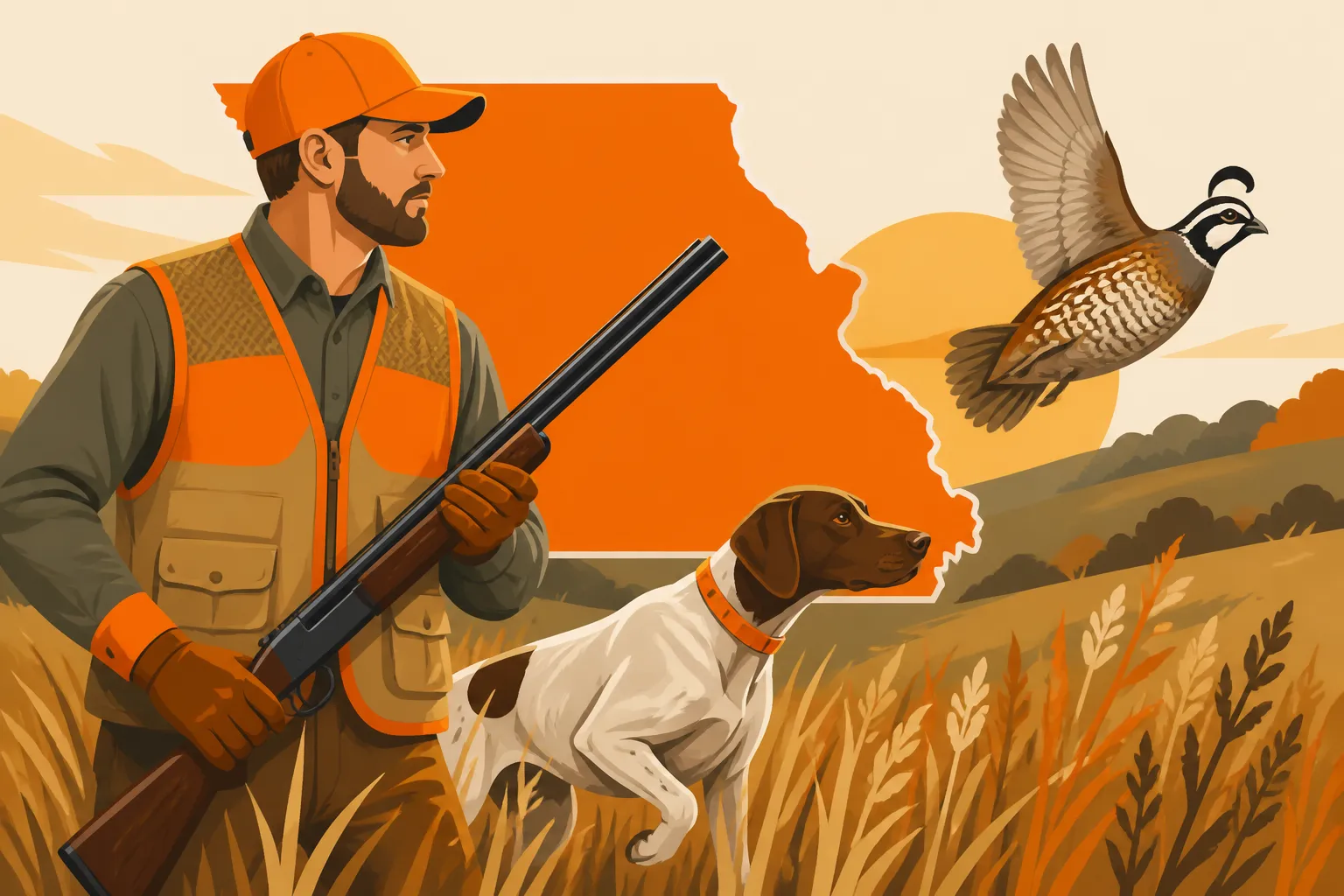
There’s a unique kind of joy that comes with walking through a Missouri prairie or timber edge, dog working ahead, the crisp autumn air hinting at the scent of bobwhite quail. But let’s be real for a moment: that idyllic picture can quickly turn into a sweaty, tangled mess if you don't have the right gear. Carrying shells, water, and eventually, those hard-earned birds, all while navigating dense briar patches and rocky terrain, demands specific equipment designed for the task. This guide is all about helping you sort through the options to build an upland setup that keeps you comfortable, efficient, and ready for whatever Missouri’s quail country throws your way.
The Essential Upland Vest: More Than Just a Pouch
When you’re spending hours on your feet, covering miles of diverse habitat, the right upland vest isn't just a convenience; it's a critical piece of your system. You might think any old fishing vest or backpack will do, but I promise you, after a few covey flushes and a couple of birds in the bag, you’ll quickly understand why a dedicated upland vest is a hunter's best friend.
Why a Dedicated Upland Vest is a Game-Changer
Think about the unique challenges of upland hunting, especially for quail in Missouri. You're not sitting in a treestand or blind. You're moving, constantly, through brush, across fields, up and down small hills. Your gear needs to stay secure, accessible, and comfortable. A regular backpack might hold your water and some snacks, but where do those birds go once you've harvested them? Stuffing them into a backpack against your sweaty back isn't ideal for cooling, nor is it easy to access. And fumbling for shells when a covey explodes around you is a recipe for missed opportunities.
Upland vests are purpose-built. They integrate features like large, blood-proof game bags that allow for air circulation, helping to cool your birds properly. Shell loops or dedicated pockets keep your ammunition right where you need it for quick reloading. Hydration systems are often built-in or easily added, so you and your dog stay watered. The weight distribution is designed to keep the load balanced and prevent shoulder fatigue, which is a huge deal when you're still Walking Missouri Quail Cover With a Dog in the afternoon heat. Trust me, trying to make do with less will only lead to discomfort and frustration.
Key Features to Look for in a Quality Vest
So, what makes a good upland vest? First and foremost, a spacious and easily accessible game bag. This is where your birds go, and it needs to be big enough to hold a limit of quail (and maybe a rabbit or two if you're multi-species hunting) without feeling cramped. Look for linings that are easy to clean and resist bloodstains. A "wrap-around" style game bag is often preferred as it distributes weight more evenly across your lower back and hips, rather than letting it sag from your shoulders.
Next, ample shell storage. Whether you prefer individual shell loops or larger dump pockets that can hold a box of shells, having your ammunition readily available is crucial. Some vests offer both, giving you flexibility. Beyond shells, consider pockets for other essentials: a GPS or phone, dog whistle, dog treats, a small first-aid kit, and perhaps a knife or multi-tool.
Comfort and durability are non-negotiable. Padded shoulder straps and a robust waist belt are key for distributing weight, especially if you carry a water bladder. The material itself needs to be tough enough to withstand briars, thorns, and general abuse from thick cover. Look for rip-stop fabrics or canvas with reinforced stitching. Finally, blaze orange integration is important. While not always a legal requirement for small game, having visible orange panels on your vest is a smart safety choice, especially when others might be deer hunting nearby. Some vests have bright orange built into the design, while others offer external orange panels or flags you can deploy.
Vest Styles: Traditional vs. Backpack-Hybrid
The world of upland vests has evolved beyond the classic strap vest, offering options to suit different preferences and hunting styles.
Traditional Strap Vests: These are often the lightest and most minimalist option. They typically consist of a system of straps over the shoulders, a game bag, and some front pockets for shells and essentials. Their main advantages are breathability and freedom of movement. Because there's less fabric, they can be a great choice for warmer early-season hunts, allowing air to circulate and preventing overheating. They're excellent for hunters who prioritize being nimble and don't carry a lot of extra gear. However, they might not offer as much padding or weight distribution as their hybrid counterparts, which can be a factor on longer hunts with heavier loads. Think of them as the classic choice for a quick afternoon hunt through a Hunting a Missouri Fencerow Between Fields.
Backpack-Hybrid Vests: These are the modern workhorses, blending the functionality of a vest with the carrying capacity and weight distribution of a small backpack. They feature a more substantial harness system, often with a padded waist belt that truly bears the load on your hips, sparing your shoulders. The "backpack" portion behind the game bag provides additional storage for water bladders, extra layers, lunch, or more extensive dog first aid. Many hunters find these much more comfortable for all-day hunts or when they need to carry significant water, which is often the case when Hunting Missouri Quail Without a Dog and carrying extra for yourself. They can be a bit warmer due to more material, but many designs incorporate breathable mesh panels to mitigate this. Brands like Filson, Orvis, and various specialized gear makers offer excellent hybrid options. When you’re looking to invest in a piece of gear that will last for years, taking the time to research these options through reviews or sites like GoHunt can really pay off, ensuring you pick a vest that truly fits your needs and body type for those long days Working Field Edges and Draws for Quail.
Shells, Shots, and Chokes: Optimizing Your Scattergun
The sound of a covey exploding from cover is pure adrenaline, and when it happens, you need to be ready. Having the right ammunition and choke combination for your shotgun is just as important as your vest for consistently bringing birds to hand.
Best Shotgun Gauge for Missouri Quail
For quail, the name of the game is often quick, instinctive shooting at fast-moving targets that present themselves at relatively close range. This means you want a shotgun that swings easily, points naturally, and doesn't beat you up with recoil after a long day of shooting.
The 20 gauge is widely considered the sweet spot for quail hunting, and for good reason. It offers a fantastic balance of light recoil, sufficient stopping power, and a lighter gun that's a joy to carry all day. A typical 20 gauge load carries enough shot to create a dense pattern for quail, yet the overall weight of the gun is less fatiguing over miles of walking. Ammo is readily available, and a well-placed shot with a 20 gauge is incredibly effective on bobwhites.
The 12 gauge is also a popular choice, especially if it's your primary hunting shotgun for other species like pheasant or even Missouri spring turkey seasons. While it can deliver a heavier shot payload, many hunters find a 12 gauge to be a bit heavier and deliver more recoil than necessary for quail, potentially slowing down follow-up shots on a bursting covey. However, if you shoot a lighter 12 gauge load (like a 2 ¾ dram equivalent) and an open choke, it can still be very effective.
Then there's the 28 gauge, which is experiencing a resurgence in popularity among upland enthusiasts. It's an incredibly light, delightful-to-carry gun with minimal recoil, making it perfect for those who want a truly classic quail hunting experience. The patterns, despite the smaller payload, can be surprisingly effective at typical quail ranges. The main drawback is often the higher cost and slightly less common availability of ammunition compared to 12 or 20 gauge. For a new hunter or a youth hunter, the 28 gauge is a fantastic option due to its low recoil and pleasant shooting experience, making it easier to focus on the bird.
Ultimately, the "best" gauge is the one you shoot most accurately and comfortably. But for dedicated quail hunting, the 20 gauge is tough to beat.
Shot Size for Missouri Bobwhites
Once you've picked your gauge, choosing the right shot size is crucial. For Missouri bobwhite quail, you're generally looking at smaller shot sizes that produce dense patterns, ideal for putting enough pellets on a small, fast-flying target.
The most common and highly recommended shot sizes are #7.5 and #6.
- #7.5 shot is probably the most popular choice for quail. It provides an excellent balance of pellet count and individual pellet energy. You get a very dense pattern, which increases your chances of hitting the bird, and the pellets are heavy enough to deliver a clean, ethical kill at typical flushing ranges (15-30 yards). This size is particularly good for dense cover where shot strings can be compressed.
- #6 shot offers slightly fewer pellets per shell but each pellet carries more energy. This can be beneficial later in the season when birds might be flushing a little further out, or if you anticipate shots on slightly larger birds like pheasants if you're hunting mixed bags. Some hunters prefer #6 for the added confidence in its knock-down power.
Avoid anything larger than #6, as the pellet count drops significantly, making it harder to get a dense enough pattern on a small quail. Conversely, anything smaller than #7.5 (like #8 or #9) might deliver an incredibly dense pattern but individual pellets may lack the energy for a consistently clean kill, especially if the bird is at the outer edges of effective range. Always pattern your shotgun with your chosen load to see how it performs at different distances. This will give you a real-world understanding of your effective range and help build confidence in your setup.
Choke Choice for Covey Rises
Quail hunting is all about close-range, rapidly developing action. When a covey flushes, birds are typically going from 0 to 60 in a split second, often within 15-25 yards of your muzzle. This scenario demands wide, forgiving patterns, which means you'll want to lean towards more open chokes.
Here’s a breakdown of common chokes and their suitability for quail:
- Cylinder (C): This is the most open choke, providing the widest pattern. It's excellent for very close-range flushes, particularly in dense cover where birds explode right at your feet. The pattern spreads quickly, giving you a larger margin for error.
- Improved Cylinder (IC): This is arguably the most popular all-around choke for quail. It's slightly tighter than cylinder but still produces a broad, forgiving pattern that's highly effective at typical quail ranges. Most hunters start with an IC and often stick with it.
- Skeet (SK): Similar to Improved Cylinder, the Skeet choke (often designated as SK1 or SK2) is designed for close-range, fast-moving targets. It throws a very wide pattern, making it ideal for the kind of immediate shots you get on a covey flush.
- Light Modified (LM): This choke offers a slightly tighter pattern than IC but is still fairly open. Some hunters might use this as their second choke in a double-barreled gun, expecting a slightly longer shot if the first shot is missed or if birds fly further after the initial flush.
What to avoid: Full or Modified chokes. These chokes are designed for longer-range shots and produce much tighter patterns. While they might be great for late-season pheasants or ducks, they create a "hole" in your pattern at close range, making it incredibly easy to miss a quail entirely or blow it up if you hit it dead center. Over-choking is a common mistake that leads to frustration.
For a single-barrel shotgun, an Improved Cylinder or Skeet choke is a solid choice. If you're shooting a double-barrel, a common setup is an Improved Cylinder in the first barrel and a Light Modified or a slightly tighter Improved Cylinder in the second barrel, giving you options for the varying distances within a covey rise. Always remember to Choke Choice for Covey Rises by patterning your gun with your chosen loads at realistic distances to truly understand how your setup performs.
Boots and Apparel: Conquering Missouri's Diverse Terrain
Missouri’s quail country is a patchwork of landscapes: rocky Ozark hills, thick timber edges, expansive prairie grasses, and sometimes muddy river bottoms. Your choice of boots and clothing needs to be versatile enough to handle it all while protecting you from thorns, ticks, and the ever-present threat of overheating or getting soaked.
Boots for Walking Ozark Rock and Prairie Grass
Your feet are your most important tool in upland hunting. Investing in quality boots that fit well and are suited to the terrain is paramount.
When you're Boots for Walking Ozark Rock, you need excellent ankle support and a stiff sole. The Ozarks are notorious for loose rock, uneven terrain, and hidden crevices that can easily lead to a twisted ankle. A boot with a higher cut and strong lacing system will provide that crucial stability. A durable, aggressive outsole (like a Vibram sole) is essential for traction on slippery leaves, wet rocks, and loose dirt. Look for boots that are waterproof but breathable, often achieved with Gore-Tex or similar membranes. You'll likely encounter dewy grass, small creek crossings, or unexpected rain, but your feet will also sweat from all the walking, so breathability prevents discomfort and blisters.
For expansive prairie grasses or flatter farm country, ankle support might be slightly less critical, but comfort and waterproofing remain key. You'll be pushing through tall, often wet grass and stubble, so good waterproofing is still a must. Lighter boots might be appealing for the mileage, but ensure they still offer enough protection from thorns and burrs. Regardless of terrain, always break in new boots before hitting the field for an all-day hunt. Nothing ruins a hunt faster than blisters. Consider carrying moleskin or blister patches as a preventative measure.
Brush Pants for Missouri Cover
If there’s one piece of clothing that screams "upland hunter" in Missouri, it’s a good pair of brush pants. Briars, multiflora rose, osage orange thorns, and thick sumac are par for the course when Finding Coveys on a Restoration Landscape, and your legs will take a beating without proper protection.
Durability is the absolute top priority. Look for pants made from heavy-duty canvas, dense nylon, or specialized briar-proof materials. Many upland pants feature reinforced facings on the front of the legs, often with a second layer of tough fabric that extends from the knee down or even covers the entire front of the leg. This extra layer is what stands up to the punishment of thorns and sharp sticks.
While durability is key, mobility and breathability are equally important. You’ll be walking, bending, and stepping over obstacles for hours. Pants that are too stiff or restrictive will hinder your movement and quickly become uncomfortable. Look for articulated knees or a fit that allows for a full range of motion. Breathability helps prevent overheating, especially during the warmer early parts of Missouri's quail season. Some pants achieve this through cotton/nylon blends, while others use strategic vents. Remember that these pants are not just for briars; they also offer a significant barrier against ticks, which are plentiful in Missouri's brushy habitats. Make sure the fit allows for easy tucking into boots or gaiters to prevent ticks from crawling up your legs.
Blaze Orange Caps and Vests in Missouri
Safety in the field is paramount, and while Missouri's hunter orange requirements typically apply to deer and turkey firearms seasons, it's always a smart idea to incorporate blaze orange into your upland hunting attire, even if it's not legally mandated for small game.
During the concurrent seasons, especially the Missouri's November Firearms Portion when quail season is in full swing, you might encounter other hunters pursuing deer. Wearing highly visible orange drastically increases your visibility to others, significantly reducing the risk of an accident. Even on public land where deer hunting isn't active, it's a good practice to be visible to other upland hunters, hikers, or landowners.
Many upland vests and jackets come with integrated blaze orange panels or full orange backs. If your vest doesn't have enough, a simple blaze orange cap or a separate orange vest worn over your outer layers can easily fulfill this safety measure. The Missouri Department of Conservation (MDC) generally recommends wearing orange whenever you're in the woods during hunting season, regardless of the species you're pursuing. It's a small concession for a huge gain in peace of mind and safety for everyone in the field. Think of it as part of your overall Missouri Hunter Orange Rules that apply beyond just deer.
Dog Gear and Hydration: Keeping Your Best Friend Ready
For many, upland hunting isn't complete without a good bird dog. These incredible animals are our partners in the field, and their well-being is just as important as our own. Ensuring they are properly equipped and hydrated is non-negotiable for a successful and safe hunt in Missouri.
Essential Dog Gear for the Field
Your dog needs more than just a collar and leash for a day in the Missouri uplands. A few key pieces of gear can make a huge difference for their safety, performance, and comfort.
First up, an e-collar. This isn't a tool for punishment, but rather a vital communication device for remote training and control. It allows you to give commands like "whoa" or "here" from a distance, crucial for keeping your dog safe around roads, other hunters, or in heavy cover where voice commands won't carry. Proper training with an e-collar is essential before using it in the field. Brands like SportDOG and Garmin offer reliable e-collars with features like GPS tracking, which can be invaluable when your dog ranges far out of sight in thick cover.
Bells are another simple but effective tool. A small bell attached to your dog's collar or vest allows you to keep track of their whereabouts, even when they're working through dense brush or tall grass. The sound stops when they go on point, alerting you to the bird.
Protective vests for dogs are a game-changer, especially in Missouri's thorny environments. These vests, often made from durable Cordura or similar rip-stop fabrics, protect your dog's chest and belly from briars, sharp sticks, and barbed wire. They can prevent painful cuts and scrapes, keeping your dog in the hunt longer. Many also come in bright orange or yellow for added visibility, making it easier to spot your dog in dense cover and keeping them safer from other hunters.
Finally, a dog first aid kit is non-negotiable. Cuts, scrapes, torn pads, and even snake bites can happen quickly. Your kit should include antiseptic wipes, vet wrap, gauze, paw balm, tweezers for burrs, a tick removal tool, and perhaps even an anti-inflammatory or pain reliever specifically for dogs (consult your vet first). Being able to address minor injuries quickly can prevent them from becoming major problems.
Water Carriers for Dogs in Heat and Long Walks
Missouri’s quail season often starts in November, but early season hunts can still feature surprisingly warm days. Regardless of the temperature, your dog will be working hard, covering many times the ground you do, and will need constant hydration. Failing to provide enough water can lead to heatstroke, especially in breeds that are prone to overheating.
Many modern upland vests, particularly the backpack-hybrid styles, come with integrated water bladders and hose systems that are perfect for sharing with your dog. You can easily squeeze water into a collapsible bowl or directly into their mouth. If your vest doesn't have this, or if you prefer a separate system, there are excellent portable dog water bottles with attached bowls that flip out, or simply carry extra water bottles for yourself and a collapsible fabric bowl for your dog.
Always carry more water than you think you'll need. If you're planning a long day, consider stashing extra water bottles in your vehicle for a mid-day refill. Remember, a well-hydrated dog is a happy and effective hunting partner. Don't underestimate the need for water, especially when you're hitting those Missouri Quail Restoration Landscapes where natural water sources might be scarce or contaminated.
E-Collar Use on Public Ground
The use of e-collars on public ground in Missouri is generally permissible for training and hunting purposes, but it’s crucial to understand the nuances and ethical considerations. An e-collar is a powerful tool, and its responsible use is key to both your dog's welfare and maintaining a positive image for hunters.
First, training is paramount. An e-collar is not a substitute for basic obedience training. It should only be used after your dog understands verbal commands, serving as a reinforcement tool rather than a primary teaching method. Always introduce the e-collar in a controlled environment, starting with low stimulation levels and associating it with known commands. Never use it for punishment or out of anger.
When using an e-collar on public land, be mindful of other users. Hikers, bird watchers, or other hunters may not understand the purpose of an e-collar and might view it negatively. Maintaining control of your dog and ensuring they are not bothering other users is your responsibility. The e-collar helps you do this effectively, preventing your dog from ranging into undesirable areas or harassing wildlife unnecessarily. Many public areas also have specific rules about dogs, such as leash requirements in certain zones or during certain times. Always check the specific regulations for the Missouri Conservation Area or public land you are hunting on. For a deeper dive into the legalities and best practices, check out the article on E-Collar Use on Public Ground. Responsible use of an e-collar helps ensure your dog’s safety and compliance, allowing you both to enjoy the hunt.
Beyond the Basics: Important Accessories
Beyond your vest, shotgun, and dog gear, there are a few other accessories that can significantly enhance your upland hunting experience in Missouri. These tools can improve navigation, ensure safety, and make post-harvest tasks easier, letting you focus more on the hunt itself.
GPS Units Versus Phone Apps for Navigation
Missouri's quail habitat, whether it’s sprawling public land or patchwork private tracts, can be disorienting, especially when you're focused on working a dog or following a flush. Reliable navigation is crucial to staying found and efficient.
Dedicated GPS units are rugged, often waterproof, and have excellent battery life, sometimes lasting for days on a single set of batteries. They excel in areas with poor cell service, which can be common in remote parts of the Ozarks. Devices from brands like Garmin are built to withstand abuse and are generally very reliable for tracking your movement, marking points of interest (like covey finds or your vehicle), and navigating back to where you started. Their physical buttons can also be easier to operate with cold or gloved hands.
Phone apps, such as onX Hunt or HuntStand, have revolutionized hunting navigation for many. They offer incredibly detailed satellite imagery, topographic maps, and crucially, property boundary lines, which are invaluable for Finding Missouri Property Lines and ensuring you stay on accessible ground. These apps can mark waypoints, track your path, and integrate weather information. The convenience of having these features on a device you already carry is a huge plus. However, phone battery life can be a major concern, especially in cold weather or with heavy usage. Always carry a portable power bank if relying on your phone. Furthermore, cell service can be spotty, so ensure you download offline maps for your hunting area before you head out. Ultimately, many hunters use a combination: a phone app for its detailed maps and property lines, and a dedicated GPS as a backup, especially on very long or remote hunts. For more on how to leverage these tools, especially when scouting, consider reading Scouting With the Missouri Conservation Atlas and onX Layers for Missouri Land Status.
First Aid Kits for Remote Ozark Ground
Upland hunting can be physically demanding, and accidents, both minor and serious, can happen far from help. Carrying a well-stocked first aid kit for both yourself and your dog is not just recommended; it's essential when you're hunting in remote Missouri country.
For yourself, your kit should include essentials like various sizes of bandages, antiseptic wipes, pain relievers, athletic tape for sprains, moleskin for blisters, and an emergency blanket. Tick removers are a must-have for Missouri, as are any personal medications you might need. Consider adding items for snake bite treatment (though prevention and getting to medical help are always paramount). A whistle for signaling can also be a lifesaver if you become disoriented or injured.
For your canine partner, a separate or combined kit should have vet wrap, paw balm for cracked pads, a pet-specific antiseptic, a sturdy muzzle (even a well-behaved dog can bite when injured), and hydrogen peroxide (to induce vomiting in certain poisoning cases, only under vet guidance). A small pair of trauma shears can be useful for cutting through thick fur or clothing. Knowing basic canine first aid, such as how to control bleeding or check for heatstroke, is incredibly important. Pack your kit in a waterproof bag and know how to use everything in it. Being prepared could make all the difference in an emergency, especially when you're deep in the Deer Hunting the Missouri Ozarks.
Bird Straps, Game Shears, and Other Post-Harvest Tools
Once you've made a successful shot, having the right tools for handling your birds efficiently and hygienically is important.
A bird strap (or game carrier) is a simple, effective tool for carrying harvested quail. Instead of stuffing birds into pockets, a strap allows you to hang them by their heads or feet, promoting air circulation and helping them cool down quickly. This is crucial for preserving meat quality, especially on warmer days. Many come with multiple loops, allowing you to carry a full limit of birds comfortably. They often attach easily to your vest or belt.
Game shears are incredibly handy for field dressing. While many hunters might simply pluck and clean birds at home, shears allow for quick and easy removal of wings and legs if you prefer to quarter birds or rough-dress them in the field to reduce weight. They are also useful for opening the body cavity if you want to quickly cool the bird's internal organs.
Finally, consider your cooler setup. After a successful hunt, you'll want to get your birds on ice as quickly as possible. Have a cooler packed with ice in your vehicle. If you're hunting in particularly warm weather, you might even consider bringing a small, soft-sided cooler with an ice pack for your vest's game bag to help cool birds while you're still hunting. Proper cooling is paramount to ensuring your hard-earned quail taste as good as they should.
When you pack for your next Missouri quail adventure, remember that every piece of gear plays a role. From the comfort of your vest to the precision of your shotgun, and the safety of your canine companion, being well-prepared means more enjoyable, successful, and safer days in the field.
Upland Vest Comparison
To help you choose, here's a quick comparison of common upland vest types:
| Feature | Traditional Strap Vest | Backpack-Hybrid Vest |
|---|---|---|
| Primary Advantage | Lightweight, breathable, freedom of movement | Superior weight distribution, more storage |
| Weight | Lighter | Heavier |
| Capacity (Water/Gear) | Minimal | Ample (often includes hydration sleeve) |
| Game Bag Design | Often sits higher, can sag | Wrap-around, better hip support, larger |
| Comfort for Long Hikes | Good for short hikes, can fatigue shoulders on long ones | Excellent, especially with heavy loads |
| Briar Protection | Minimal | Can offer more lower back protection |
| Cost | Generally lower | Generally higher |
| Ideal Use | Quick hunts, warm weather, minimalist hunters | All-day hunts, varied conditions, carrying more gear |
Disclaimer
This article is for general informational purposes only and does not constitute professional advice. Laws, prices and regulations vary by location and change over time. Consult a qualified professional for guidance on your specific situation.