Boots for Walking Ozark Rock
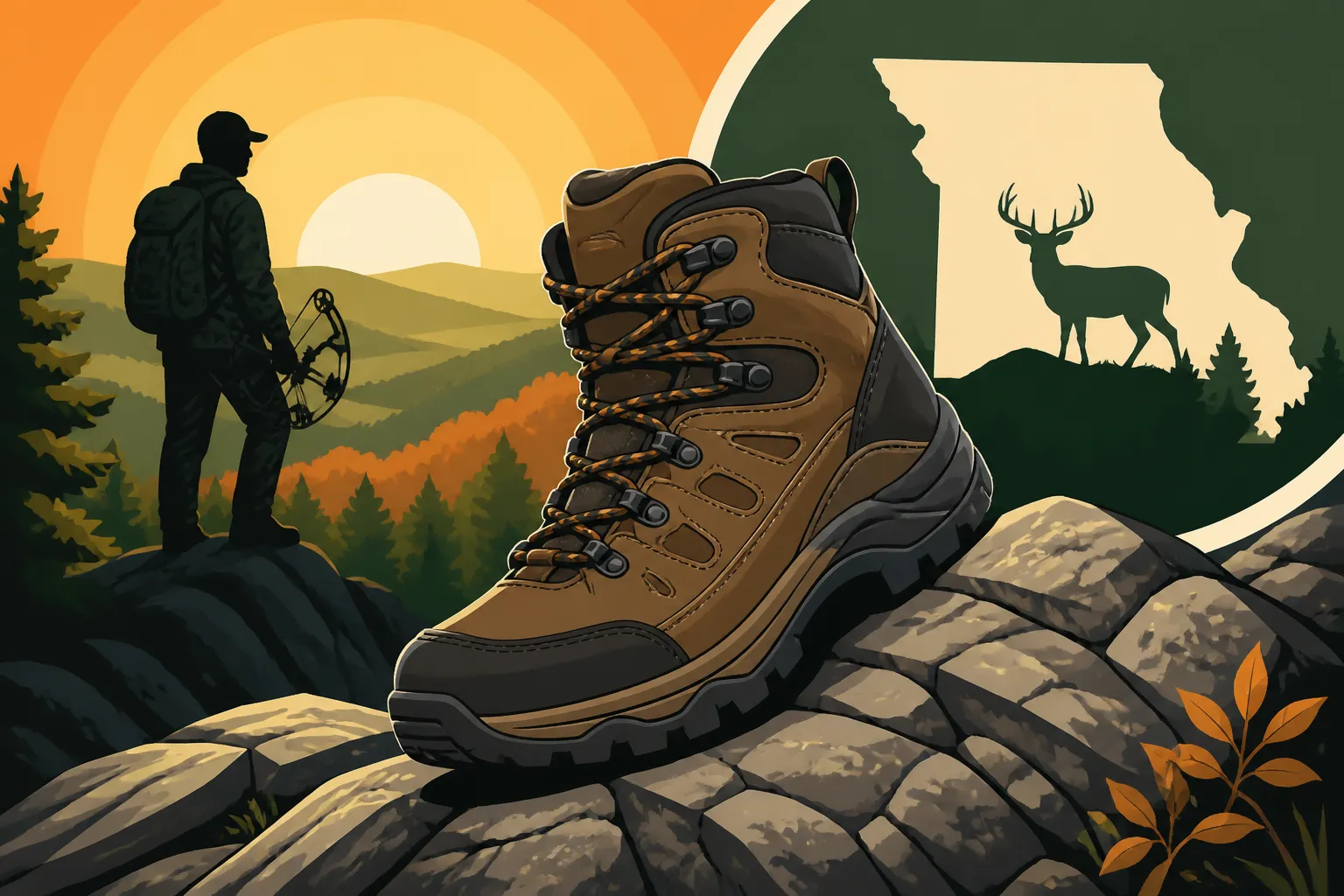
If you've ever spent a long day hiking the rugged hills of the Missouri Ozarks, chasing a gobbler across a rocky ridge, or still-hunting for deer through a steep hollow, you know the unique misery a poor pair of boots can inflict. That unforgiving, sharp, and constantly shifting terrain isn't just tough on your ankles and knees; it can absolutely destroy your feet and ruin an otherwise perfect day in the woods. This guide is all about helping you find the right hunting boots to conquer that iconic Ozark rock, ensuring comfort, stability, and durability on every adventure.
The Unique Challenges of Ozark Terrain
The Missouri Ozarks are a special place, beautiful and wild, but they demand a lot from a hunter. We're not talking about flat prairie walks or soft marsh muck here. We're talking about a landscape that's designed to test your gear and your grit. Understanding these specific challenges is the first step in choosing boots that won't let you down.
The Relentless Rocky Landscape
Picture this: you're cresting a ridge, trying to move silently, and every other step lands on a loose chunk of chert, a sharp edge of limestone, or a patch of gravel that wants to roll your ankle. That's the Ozarks for you. The ground here is notoriously stony, a mix of ancient sedimentary rocks that have been weathered into every conceivable shape and size. There are vast stretches of what we affectionately call "Ozark pudding stone," where the ground is a jumble of fist-sized rocks, making solid footing a rare luxury.
This constant impact and uneven surface demand a boot sole that can absorb shock, protect your feet from bruising, and offer a firm platform against rocks that seem intent on poking through your arch. Moreover, the sharp edges of exposed rock can quickly abrade lesser materials, tearing through stitching and wearing down rubber in no time. You need something built to withstand a beating, day in and day out. It's a completely different experience than, say, Hunting North Missouri's Big-Buck Farm Country where you might be walking through soft fields more often.
Unpredictable Weather and Water Crossings
One minute it's crisp and clear, the next a typical Ozark pop-up shower rolls in, turning dry creek beds into rushing torrents and coating every rock with a slick film. The weather in Missouri, especially in the hill country, can be incredibly volatile. A boot that might be fine on a dry, sunny day can become a liability when a light rain turns a moss-covered boulder into an ice rink. You'll often find yourself needing to cross small creeks or navigate boggy low spots, even on seemingly dry days, especially if you're trying to Still-Hunting a Missouri Ozark Hollow where water often flows.
This means waterproofing isn't just a luxury; it's a necessity. Nobody wants wet feet miles from the truck, especially when temperatures drop. But it's a balance, too. You don't want your feet stewing in their own sweat inside an impermeable shell. There has to be a way for moisture to escape, otherwise, you're looking at blisters and discomfort.
Long Walks and Steep Climbs
Whether you're exploring the vastness of the Mark Twain National Forest Hunting or picking your way through a remote Conservation Area, you're going to put in miles. And those miles aren't flat. You'll be climbing steep grades, descending into deep hollows, and traversing side-hills where your ankles work overtime to keep you upright. The physical demands of hunting the Ozarks are significant, and your boots are your primary interface with that environment.
A good boot needs to support your entire foot and ankle through these contortions, preventing twists and fatigue. The wrong boot can lead to painful hot spots, bruised soles, or even a rolled ankle that ends your hunt prematurely. When you're trying to Recovering a Deer in Steep Ozark Ground or Getting a Deer Out of a Hollow Alone, every ounce of stability and comfort counts.
Essential Features for Ozark Hunting Boots
Okay, so we've established why Ozark rock is such a beast. Now, let's talk about what your boots need to tame it. These aren't just suggestions; they're essential requirements for boots that will truly perform in this unique landscape.
Prioritizing Ankle Support and Stability
This is, arguably, the most critical feature for Ozark hunting. The constant unevenness of the terrain, with loose rocks and hidden ruts, makes ankle stability paramount. You'll be side-hilling, stepping over downed timber, and navigating rocky inclines and declines where a low-cut boot offers about as much support as a wet noodle.
Look for boots that are at least 8 inches high, with a stiff, well-padded collar that wraps securely around your ankle. The lacing system should allow you to cinch the boot tightly, especially around the ankle, without creating pressure points. A strong, rigid shank within the sole is also crucial. This internal structure prevents your foot from flexing excessively over sharp rocks and provides a stable platform, reducing strain on your arch and minimizing the risk of a sprain. Trying to get by with less will eventually lead to a painful mishap, often when you least expect it.
Aggressive Traction for Slippery Surfaces
The Ozark ground can be notoriously slick, whether it's wet leaves on a steep slope, mud after a rain, or a moss-covered rock in a creek crossing. Your boot's outsole is your only contact with that surface, so it needs to be up to the task.
Opt for boots with deep, multi-directional lugs on the sole. These aren't just for looks; they bite into soft earth, shed mud effectively, and provide grip on various angles. The rubber compound used in the outsole also matters. Softer rubber tends to grip better on wet rock but wears faster, while harder compounds are more durable but can be slicker. Many quality hunting boots will use a dual-compound rubber, or a specific design like a "rock climbing zone" under the arch, to offer a balance of grip and longevity. Think about the tread on a good off-road tire – that's the kind of performance you need underfoot. Sometimes, it helps to read reviews from fellow hunters on platforms like GoHunt to see which models excel in similar conditions.
Waterproofing and Breathability
As mentioned earlier, wet feet are miserable feet. A reliable waterproof membrane is a non-negotiable feature for Ozark hunting. Brands like Gore-Tex are well-known, but many manufacturers use proprietary membranes that offer similar performance. This barrier prevents external water from entering the boot, keeping your socks and feet dry when crossing streams or walking through dew-laden grass.
However, waterproofing alone isn't enough. Your feet generate sweat, especially when you're exerting yourself Hunting Missouri Ridge Saddles and Benches or climbing those steep Ozark hills. If that sweat can't escape, it builds up inside the boot, leading to the same clammy, uncomfortable feeling as external water, often resulting in blisters. A good membrane is breathable, allowing moisture vapor (sweat) to escape while blocking liquid water. This keeps your feet as dry as possible from the inside out. Consider layering your socks too – a thin liner sock to wick moisture, and a thicker wool blend over top for cushioning and warmth.
Durable Uppers and Rand Protection
The Ozarks are not kind to boot materials. Scrapes against rocks, snags on briars, and constant abrasion from gravel can quickly shred flimsy uppers. You need a boot built tough. Full-grain leather is a classic choice, known for its durability and ability to mold to your foot over time. Modern synthetic materials, often blended with leather, can also offer excellent abrasion resistance and lighter weight.
A critical feature for rock country is a full rubber rand. This is a strip of rubber that wraps around the entire base of the boot, from the toe to the heel, protecting the leather or synthetic upper from impacts and abrasion. Without it, the lower stitching and materials of your boot will be the first things to fail. This rand essentially creates an armor plate around the most vulnerable part of your boot, significantly extending its lifespan in rocky environments. When researching options, GoHunt often provides detailed specifications on material composition and protective features, which can be incredibly helpful.
Finding Your Perfect Fit and Comfort
Even the most technologically advanced boot is useless if it doesn't fit correctly. Comfort is king, especially when you're putting in long hours on challenging terrain. A poor fit can lead to blisters, pain, and a ruined hunting trip.
Understanding Boot Sizing and Widths
Here's the hard truth: boot sizes aren't always consistent across brands. Your street shoe size is a starting point, but it's not the final answer. The best advice? Try boots on in person, ideally at the end of the day when your feet are slightly swollen, and with the kind of socks you'll actually wear hunting.
You should have about a thumb's width of space between your longest toe and the end of the boot when your heel is firmly seated. Your heel should feel secure, with minimal lift, but not so tight that it rubs or creates pressure points. Pay close attention to the width. Many brands offer different widths, and a boot that's too narrow will cause agonizing pressure, while one that's too wide can lead to excessive foot movement and blisters. Walk around the store, find an incline if possible, and really pay attention to how your foot feels inside the boot. Don't rush this process; it's an investment in your comfort and success in the field.
Lacing Techniques for Ozark Trails
Believe it or not, how you lace your boots can make a huge difference in comfort and stability, especially on varied terrain. A common trick for steep ascents is to lace the bottom section of your boot snugly, but leave the top portion slightly looser. This allows your ankle more flexibility for climbing, while still providing stability to the lower foot.
For descents, you want to do the opposite: keep the lower laces a bit looser to prevent your toes from jamming into the front of the boot, and then cinch the ankle and upper laces tightly. This locks your heel in place, preventing forward slide and protecting your toes from impact. Experiment with different lacing patterns and tensions to find what works best for your foot shape and the specific demands of the terrain you're tackling, whether it's a gradual slope or a serious climb through a rocky Ozark holler when Hunting the Missouri Rut in Early November.
Break-In Period and Maintenance
No matter how comfortable a new pair of boots feels in the store, they will need a break-in period. This is when the materials, especially leather, conform to the unique contours of your foot. Start with shorter walks, gradually increasing the distance and difficulty of the terrain. Don't plan to take a brand-new pair of boots straight to a multi-day Deer Hunting the Missouri Ozarks trip; you'll regret it.
Proper maintenance is also key to extending the life of your boots. After each hunt, clean off mud and debris. Allow them to air dry completely, away from direct heat sources. For leather boots, regularly apply a conditioner or waterproofing treatment to keep the leather supple and prevent cracking. Check the outsoles for excessive wear and address any loose stitching promptly. A little care goes a long way in ensuring your boots last through many seasons of Ozark adventures.
Recommended Boot Types and Considerations
Given the varied conditions in the Ozarks, there isn't one single "perfect" boot. Your choice will depend on the specific type of hunting you do, the season, and your personal preferences for weight and support.
Backpacking Boots vs. Lightweight Hikers
When you're dealing with the relentless challenge of Ozark rock, you're essentially looking at two main categories: heavy-duty backpacking boots or robust lightweight hiking boots.
- Heavy-Duty Backpacking Boots: These are the tanks of the boot world. They offer maximum ankle support, rigid soles with strong shanks, excellent durability, and often a full rubber rand. They tend to be heavier and require a longer break-in period, but they provide unparalleled protection and stability on truly rugged, off-trail terrain. If you're consistently doing multi-day hunts, covering long distances over exceptionally rocky and steep ground, or carrying heavy loads, these are your best bet. Brands known for serious backpacking boots are often excellent choices for the Ozarks.
- Lightweight Hiking Boots: Many modern lightweight hiking boots offer a surprising amount of support and durability, often using advanced synthetic materials to shed weight without sacrificing too much performance. They'll typically be more flexible, require less break-in, and feel nimbler on your feet. These are a great option for day hunts where you're still covering significant ground and navigating rocky terrain, but perhaps not carrying a heavy pack or venturing into the most extreme wilderness areas. They're a good compromise if you value agility and reduced fatigue. The key is to ensure they still have excellent ankle support and a robust sole for rock protection.
Here's a quick comparison of general boot characteristics for Ozark hunting:
| Feature | Backpacking Boots | Lightweight Hiking Boots |
|---|---|---|
| Ankle Support | Excellent (High-cut, rigid collar) | Good to Very Good (Mid to High-cut, often more flexible) |
| Sole Stiffness | Very Stiff (Full shank for protection and stability) | Moderate to Stiff (Often a half-shank or less rigid) |
| Durability | Excellent (Thick leather, full rand, heavy-duty build) | Good (Mix of synthetics/leather, may have partial rand) |
| Weight | Heavier | Lighter |
| Break-in Time | Longer | Shorter |
| Best For | Multi-day hunts, heavy packs, extreme rocky terrain | Day hunts, faster movement, less extreme terrain |
Insulated vs. Non-Insulated: Matching Boots to the Season
Missouri offers a long hunting season, spanning warm early archery days to frigid late-season sits. Your boot insulation needs to match the weather.
- Non-Insulated Boots: For early archery season or during the Missouri Early Antlerless Portion Tactics in the heat, non-insulated boots are the way to go. They allow your feet to breathe, preventing overheating and excessive sweating, which are prime causes of blisters. Pair them with moisture-wicking socks, and you'll be comfortable even when temperatures are unseasonably warm. These are also great for active hunting styles like Walking Missouri Quail Cover With a Dog where you're constantly moving.
- Insulated Boots: Once rifle season hits, especially during Missouri's November firearms deer season or colder late-season hunts, insulation becomes crucial. Insulation is measured in grams (e.g., 200g, 400g, 800g, 1000g). For most active hunting in Missouri's fall, 200-400 grams is a good all-around choice. If you're planning long sits in a treestand during bitter cold, or Hunting Missouri Deer in Deep Snow, you might consider 600 grams or more, remembering that heavier insulation can sometimes reduce breathability.
Specific Brands Known for Durability
While I can't endorse specific models or guarantee performance for every foot, several brands have earned a reputation among hunters for producing boots capable of handling rough terrain. Companies like Schnee's, Kenetrek, Lowa, and Crispi are often mentioned in hunting circles for their rugged construction, excellent support, and durable materials. For those looking for slightly more budget-friendly options that still offer solid performance, brands like Irish Setter or Danner often have models that punch above their weight class.
When you're doing your research, don't just look at the brand name. Dive into specific boot models, read user reviews, and cross-reference features. Hunting forums and community sites, or even resources found through a platform like GoHunt, can provide valuable insights from other hunters who have put these boots to the test in conditions similar to the Missouri Ozarks. Ultimately, the best boot for you is the one that fits your foot, supports your body, and stands up to the unique challenges of our beautiful, but demanding, Ozark landscape.
Disclaimer
This article is for general informational purposes only and does not constitute professional advice. Laws, prices and regulations vary by location and change over time. Consult a qualified professional for guidance on your specific situation.