Walking Missouri Quail Restoration Landscapes
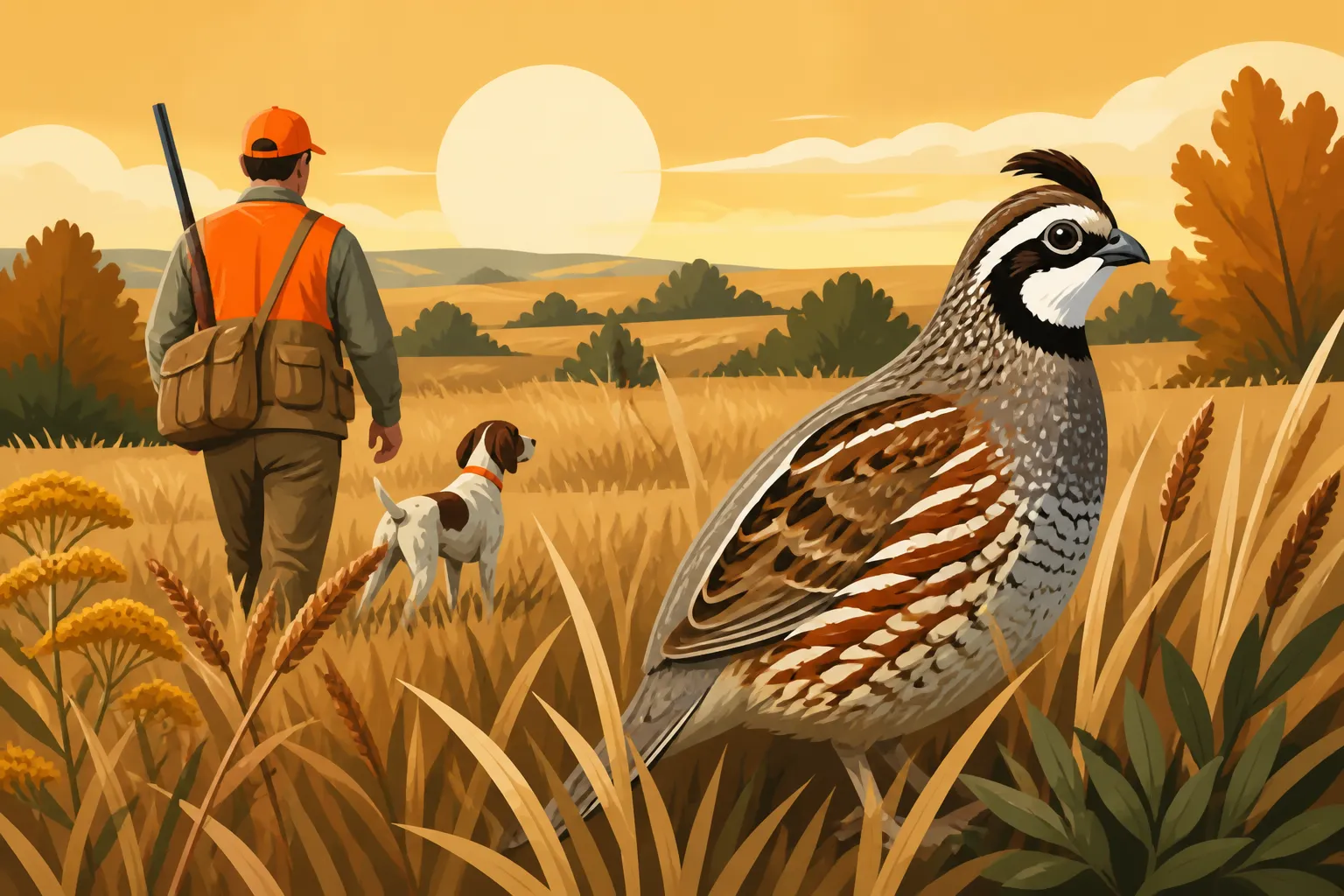
For many of us who cherish the tradition of chasing bobwhite quail, the last few decades have been a real struggle. It can be incredibly disheartening to walk miles of seemingly perfect cover with a good dog, only to find nothing but empty fields. This guide is dedicated to helping you navigate the unique challenges and incredible opportunities presented by Missouri's quail restoration landscapes, offering practical strategies to put more birds in the bag and more joy back into your hunts.
Understanding Missouri's Quail Restoration Landscapes
Hunting quail in Missouri these days isn't like it was in our grandparents' time. The landscape has changed dramatically, and with it, the quail populations. But thankfully, a lot of dedicated folks are working hard to bring them back, and that's where "restoration landscapes" come in. These aren't just random patches of cover; they are intentionally managed areas designed to be prime real estate for bobwhites.
The "Why" Behind Restoration
The decline of northern bobwhite quail in Missouri, and across much of the Midwest, is a complex tale of habitat loss. For generations, small farms with diverse crops, brushy fencerows, and unkempt field edges created a mosaic of perfect quail habitat. However, as agriculture industrialized, fields grew larger, fencerows were bulldozed to maximize planting area, and the varied cover that quail needed for nesting, brooding, and escape simply vanished. Monoculture farming, where vast acres are dedicated to a single crop like corn or soybeans, offers little in the way of year-round sustenance or protection for these ground-dwelling birds. The lack of suitable habitat, coupled with increased predation due to fewer escape routes, really took its toll.
The Missouri Department of Conservation (MDC), along with private landowners and conservation groups, recognized this critical need. Their efforts focus on reversing this trend by actively restoring and managing land to provide the specific components quail require. This isn't a quick fix, but a long-term commitment to ecological health that benefits not just quail but a host of other grassland and savanna species.
What Defines a Restoration Landscape
So, what exactly makes a piece of ground a "quail restoration landscape?" It’s all about diversity and structure. These areas are meticulously managed to provide a rich tapestry of different habitat types, often mimicking the pre-settlement savannas and prairies that once defined Missouri. You'll typically find native warm-season grasses (NWSG) like big bluestem, switchgrass, and indiangrass, which provide crucial nesting and brooding cover, as well as seeds for winter food. Interspersed within these grasses are native forbs – wildflowers that attract insects, a vital protein source for growing quail chicks.
Beyond the grasses, look for significant amounts of "edge feathering" – brushy transitions between timber and open fields – which provide escape cover from aerial predators and thermal protection from harsh weather. Plum thickets, blackberry brambles, and clumps of young oak and cedar saplings are classic examples. These areas are often managed with prescribed burns, timber stand improvement, and disking to maintain early successional habitat, preventing it from becoming too dense or transitioning into mature timber that quail avoid. This dynamic management creates a patchwork of cover that is constantly regenerating, offering everything a quail covey needs within a relatively small area.
Finding These Unique Areas
The first step to hunting these gems is knowing where to find them. The MDC is your best friend here. Their online resources, particularly the Scouting With the Missouri Conservation Atlas, are invaluable. You can literally overlay different habitat types and management efforts onto maps of conservation areas. Look for terms like "quail habitat improvement," "early successional habitat," "prescribed burn units," or "native warm-season grass plantings." Many areas will have detailed brochures specific to their management goals, often highlighting recent efforts.
Don't be afraid to utilize mapping applications like GoHunt. These apps often allow you to download public land boundaries and even satellite imagery that can help you identify blocks of NWSG, brushy draws, and timber edges that look promising. Before you even set foot on the ground, you can use these tools to create a game plan, marking potential covey locations and travel corridors. Look for areas adjacent to agricultural fields, as coveys will often move between dense cover on public land and food sources on private ground. Sometimes, a quick call to the area manager can also provide priceless insight into recent habitat work or covey observations.
Key Habitat Features to Look For
Once you've identified a promising restoration area, it's time to put boots on the ground and learn to read the landscape like a bobwhite quail. Not all cover is created equal, and knowing what to focus on can save you miles of unproductive walking.
Native Warm-Season Grasses (NWSG) and Forbs
These tall, clumping grasses are the backbone of good quail habitat. Unlike cool-season grasses (like fescue) that grow densely and mat down, NWSG stands erect, even under snow, providing crucial overhead cover while leaving bare ground underneath. This bare ground is vital for quail to move freely, forage for insects and seeds, and dust bathe. In restoration landscapes, you'll see large blocks of these grasses, often managed in rotation to ensure varying stages of growth and density. The best NWSG stands are not monolithic but interspersed with broadleaf plants, known as forbs.
Forbs like ragweed, partridge pea, and various wildflowers are absolute magnets for quail. They provide a rich source of seeds, but even more importantly, they support a vibrant insect population. Young quail chicks, barely the size of a golf ball, feed almost exclusively on insects for the first few weeks of their lives, requiring high-protein diets for rapid growth. A diverse mix of NWSG and forbs ensures both protective cover and a year-round pantry, making these areas prime for holding coveys. When you're walking, pay attention to where these diverse patches intersect; they are often hotspots.
Edge Feathering and Shrub Thickets
Quail are masters of using edges. They thrive where different habitat types meet, and restoration landscapes prioritize these transitions. Edge feathering is a fancy term for creating a gradual, brushy transition from timbered areas into open fields or grasslands. Instead of a sharp line of mature trees, you'll see a band of cut-down trees with regrowth, blackberry brambles, plum thickets, and young saplings. This dense, low-growing cover provides impenetrable escape routes from aerial predators like hawks and owls, and ground predators like coyotes and bobcats. It also offers crucial thermal cover, protecting birds from biting winter winds and extreme summer heat.
These shrub thickets, whether natural or created through management, act as living fortresses for coveys. They offer a safe haven where birds can roost, loaf, and seek refuge when disturbed. When a covey flushes, they'll almost always make a beeline for the nearest thicket. Learning to identify these distinct, brushy transitions and focusing your efforts along them will significantly increase your chances of flushing birds. They are the arteries of a quail's home range, connecting food sources to safety.
Food Plots and Bare Ground
While native seeds and insects are the primary diet, strategically placed food plots can supplement natural food sources, especially during lean times of the year. In restoration areas, you might find plots of sorghum, millet, or even sunflowers that provide high-energy seeds and additional cover. These plots are often small and irregularly shaped, designed to blend seamlessly into the surrounding natural habitat rather than standing out as a monoculture. They act as "grocery stores" for quail, drawing them in, especially as winter approaches and natural food becomes scarcer.
Equally important to food plots is the presence of bare ground. This might seem counterintuitive, but quail need open spaces to move, forage efficiently, and dust bathe. Heavy, matted cover is a barrier to their movement. Prescribed burns are a common tool in restoration landscapes to reduce thatch buildup, expose bare soil, and encourage forb growth. Disking also achieves a similar result, creating strips of exposed earth that allow easy travel and access to fallen seeds. When scouting, look for these patches of bare or sparsely vegetated ground, particularly along the edges of thicker cover. They indicate actively managed habitat and are often frequented by coveys.
| Habitat Feature | Primary Function | Example Plants/Features |
|---|---|---|
| Native Warm-Season Grasses | Nesting, brooding, escape cover, seed food | Big Bluestem, Indiangrass, Switchgrass |
| Forbs (Wildflowers) | Insect production (chick food), seed food | Ragweed, Partridge Pea, Sunflowers |
| Edge Feathering/Shrubs | Thermal cover, escape cover, roosting | Plum thickets, Blackberry brambles, Young saplings |
| Food Plots | Supplemental food source, winter cover | Sorghum, Millet, Native seed mixes |
| Bare Ground / Light Thatch | Movement, foraging access, dust bathing | Recently burned areas, disked strips, sparse NWSG |
Essential Gear and Dog Work for Success
Hunting quail on restoration landscapes is an active, demanding sport. You'll be covering a lot of ground, often through dense cover, so having the right gear and, most importantly, a well-prepared dog is absolutely critical.
Footwear and Clothing for Tough Walking
Forget your deer hunting stand clothes; quail hunting demands rugged, flexible attire. You'll be walking, and often running, for miles. Start with sturdy, waterproof boots that offer good ankle support, as you'll encounter uneven terrain, hidden holes, and potentially wet ground. Look for boots that are comfortable enough for long treks. Brands like Danner or Irish Setter offer excellent options designed for upland hunting. Layering is also key, as Missouri weather can be notoriously fickle, with crisp mornings giving way to warm afternoons, even in late fall. A moisture-wicking base layer, an insulating mid-layer, and a durable, briar-resistant outer shell are ideal.
Perhaps the most crucial piece of clothing is a good pair of brush pants or chaps. The dense cover that quail love will tear up regular pants in no time. Look for pants with reinforced fronts or chaps made from tough materials like Cordura or waxed canvas. They'll protect your legs from thorns, briars, and sharp grass, allowing you to focus on the hunt, not on discomfort. Remember your blaze orange, too. While Missouri doesn't have a specific square-inch requirement for upland hunting, it's always wise to wear a bright orange vest or hat, especially when hunting public land that might see other users.
Shotguns and Loads for Fast Action
Quail hunting is all about quick, instinctive shooting. When a covey erupts, you'll have mere seconds to pick a bird and pull the trigger. For this reason, a fast-handling shotgun is preferred. Many hunters opt for 20-gauge shotguns because they are lighter to carry all day and offer a sufficient pattern for bobwhites. However, a 12-gauge can also be effective, especially if you prefer a bit more payload. Regardless of gauge, an open choke, like Improved Cylinder or Modified, is generally best. This allows for a wider pattern at the close ranges typical of covey flushes in dense cover.
For shot selection, smaller shot sizes work wonders on quail. #7.5 or #8 shot in lead, or #6 or #7 for steel/bismuth where nontoxic shot is required (though less common for upland, always check area regulations), are excellent choices. The goal isn't penetration, but a dense pattern of small pellets to ensure multiple hits on a fast-moving, relatively small bird. You want a broad, forgiving pattern that increases your chances of connecting when birds explode from cover. We delve deeper into this in our guide on Shot Size for Missouri Bobwhites. Practice mounting your shotgun quickly and swinging smoothly; those covey rises happen in a blink!
The Indispensable Bird Dog
While it's certainly possible to walk up quail without a dog (we cover Hunting Quail Without a Dog in another article), a well-trained bird dog is truly indispensable on restoration landscapes. These dogs are specifically bred and trained to find birds, point them, and often retrieve them. Their superior nose and ability to cover ground make them exponentially more efficient than a human hunter alone. A good pointer or setter will methodically work the cover, lock up on a covey, allowing you to walk in for the flush. Retrievers, like Labs or Goldens, can also be effective, often flushing birds and then bringing them back.
However, a dog is a partner, and requires care. Conditioning is paramount; these dogs will run for miles, so ensure they are in peak physical shape before the season starts. Hydration is also critical, especially on warmer early-season days. Carry plenty of water for your dog, and consider a portable bowl. Paw protection, like dog boots, can be a lifesaver on rough, rocky, or frozen ground, preventing cuts and abrasions. An e-collar is also a vital training and communication tool, allowing you to manage your dog's range and keep them safe. Our guide on Bird Dog Gear for Missouri Heat provides more in-depth advice on keeping your canine companion in top form. The bond you share with a good bird dog, watching them work the cover, is one of the most rewarding aspects of quail hunting.
Strategic Hunting Approaches on Restoration Areas
Hunting a quail restoration landscape isn't just about aimlessly walking. It's about understanding quail behavior, reading the cover, and employing smart tactics to maximize your chances of finding coveys.
Working Field Edges and Draws
As we discussed, edges are critical to quail. These transition zones, where dense cover meets more open ground, are prime areas for coveys to feed, loaf, and seek refuge. When you approach a field edge on a restoration area, don't just walk along the open field side. Instead, work the brushy edge meticulously. A common strategy is to have your dog work parallel to the edge, weaving in and out of the thicker brush, while you walk a few yards into the more open cover, ready for a flush.
Draws, especially those with good brush and tall grass, are also excellent targets. These natural depressions often funnel deer and other wildlife, but they also provide sheltered corridors for quail. Think of them as natural highways with built-in hiding spots. Working Field Edges and Draws for Quail is a detailed resource on how to methodically hunt these areas. Zigzagging through the draw, paying close attention to any changes in cover density or moisture, can often surprise a hidden covey. Remember, quail are masters of camouflage, so your dog's nose is your best asset in these situations.
Zigzagging Through NWSG
Those expansive fields of native warm-season grasses can look daunting, but they are often teeming with birds. The key is to cover them efficiently. Instead of walking in a straight line, adopt a zigzag pattern. This allows your dog to quarter effectively into the wind, covering wide swaths of scent cone and ensuring no covey is missed. Your path should create a series of overlapping searches for your dog, allowing them to pick up scent from multiple angles.
Walk at a steady, deliberate pace. Quail often hold tight in these grasses, so rushing through will result in birds flushing wild, often out of range. Let your dog work. When they get "birdy" – a change in their pace, tail action, or head carriage – be prepared. Often, they'll lock on point, allowing you to approach slowly and purposefully. Sometimes, after a period of intense searching, a covey will simply get nervous and flush before the dog points. Being ready for these "walk-up" flushes is part of the game. Pay close attention to your dog's body language; they're telling you where the birds are, even if you can't see them yet.
Approaching the Covey Rise
This is the moment of truth, and it's often a chaotic one. When your dog locks on point, approach slowly and deliberately, keeping your shotgun ready. Walk past your dog, positioning yourself to cover the most likely escape routes, usually towards the densest cover. As you near the point, the covey will explode. It's a moment of pure adrenaline – a cacophony of wings, chirps, and fluttering feathers. The crucial thing is to remain calm.
Pick a single bird, swing through it, and pull the trigger. Don't spray and pray into the entire covey. Your focus should be on cleanly taking one bird. After the shot, or if you miss, mark where the covey scattered. This is absolutely critical for potential follow-up shots on singles. If you have multiple hunters, communicate and ensure everyone is aware of where the birds went. Our guide on Covey Rise Shooting Discipline offers more tips on how to manage this exciting but often overwhelming moment. Recovering your bird quickly is also important, so a good retrieving dog is invaluable here.
Seasonal Considerations and Best Practices
The dynamics of quail hunting change significantly as the season progresses. Understanding how birds adapt to weather and changing cover will allow you to adjust your tactics and improve your success.
Early Season (November) Tactics
Missouri's quail season typically opens in November, and these early weeks can present unique challenges and opportunities. The cover is still quite dense in many restoration areas, especially the taller native grasses. This means birds can hold incredibly tight, sometimes flushing right at your feet. For your dog, dense cover can make scenting more challenging, and the still-warm temperatures can lead to faster fatigue. Focus your hunts during the cooler parts of the day – early morning and late afternoon – to minimize strain on your dog.
Water sources, even small ones, can be key in the early season. Quail need to drink, and these spots can draw birds in, especially if natural moisture is lacking. Look for areas where dense cover converges on a spring, a small creek, or even a depression that holds water after a rain. Because cover is so thick, shots will often be close and fast. An open choke and quick reflexes are your best friends. It’s also a good time to focus on the edges and lighter patches of cover, as birds might not be buried deep in the densest stuff yet.
Mid-Season (December) Adjustments
As December rolls around, the Missouri landscape undergoes a significant transformation. Hard frosts will kill back many forbs and annual weeds, and deciduous leaves will have fallen. This results in much thinner cover, especially in less dense areas. Quail will begin to "tighten up," seeking out the most robust and protective cover available. This is when those dense plum thickets, brushy draws, and thick stands of edge feathering become even more vital. Birds will stick to these areas for thermal protection and escape.
For hunters, this means focusing your efforts more narrowly on the heaviest cover. Dogs will often scent birds from further away due to reduced foliage, but the birds themselves may be more prone to running on the ground before flushing, or flushing from deeper within a thicket. You might also find coveys loafing in sunny, south-facing brushy slopes on colder days, trying to catch some warmth. Adjust your walking patterns to meticulously comb these dense patches. Remember that a bit of snow on the ground can help with tracking and identifying fresh sign, but it can also make birds more visible to predators, driving them into even thicker cover.
Late Season (January) Strategies
By January, winter has usually settled in for good. Temperatures are consistently cold, and snow is more common. This is the time for truly dedicated quail hunters. The cover is at its thinnest, making birds more vulnerable, but also making them incredibly hard to find if they don't have good protection. Quail will rely heavily on evergreen cover like cedar thickets, dense brush piles, and any standing agricultural crops that haven't been harvested yet. These areas provide the best thermal protection from harsh winds and extreme cold.
Hunting in deep snow requires different tactics. Quail will often move less, conserving energy, and may be found concentrated in the warmest, most protected pockets of habitat. Dogs can have an easier time scenting in cold, moist air, but deep snow can be physically taxing for them. Expect Late-Season Quail and Longer Flushes as birds are warier and may flush wilder. Focus on southern slopes with dense cover, as these get the most sun and offer some respite from the cold. A good strategy is to hunt in shorter bursts, allowing your dog ample rest and opportunities to warm up. Filling a limit in January is a testament to perseverance and understanding winter quail behavior.
Respecting the Resource and Other Hunters
Hunting these fragile restoration landscapes comes with a responsibility to be a good steward of the resource and a courteous fellow hunter. Always know the current Missouri Quail Daily Bag Limit and ensure you are correctly identifying birds before you shoot. Avoid over-harvesting a single covey; if you scatter a covey, try to take one or two singles, then leave the rest to regroup. The goal is sustainable hunting, not depleting a local population.
When hunting public lands, remember you're often sharing the space. Be mindful of other hunters, hikers, or even other dog walkers. A friendly wave and a brief chat can go a long way in ensuring a positive experience for everyone. Be aware of your surroundings, shoot safely, and always pick up your spent shells. These small actions contribute to the overall health of the hunting community and the continued public access to these valuable restoration areas.
Overcoming Challenges and Maximizing Your Hunt
Even on the best restoration landscapes, quail hunting can be tough. There are always variables at play, but with a bit of foresight and flexibility, you can turn potential frustrations into successful outings.
Dealing with Hunting Pressure
Public land, especially highly managed restoration areas, can attract other hunters. It’s a common frustration to pull into a parking lot only to see several other vehicles. But don't despair! While early morning on opening weekend might be busy, sustained pressure often pushes birds into harder-to-reach pockets. This is where your scouting and understanding of the area truly pay off.
Instead of hunting the obvious edges near parking lots, consult your maps (like those from GoHunt or the MDC Conservation Atlas) and look for areas that require a longer walk. Identify blocks of cover that are separated by natural barriers like thick creek bottoms, steep hillsides, or dense, unmanaged timber that most hunters might avoid. Often, walking an extra half-mile can put you into untouched quail country. Birds will learn to avoid areas with heavy human and dog scent, so finding ground others walk past becomes a key strategy. Remember, quail are small, and they don't need huge areas to hide; a dense, overlooked thicket can hold a covey all season long.
Weather Variables
Missouri weather is nothing if not unpredictable, and it plays a huge role in quail hunting. Wind, rain, and extreme cold all impact both the birds and your hunting efforts. Strong winds can make scenting incredibly difficult for dogs, as covey scent is dispersed quickly. On windy days, focus on protected draws and leeward sides of hills where birds might seek refuge, and work your dog more tightly. Rain can also wash away scent, making finding birds harder, but a light drizzle can sometimes improve scenting conditions by keeping vegetation moist. Always carry good rain gear to stay comfortable.
Extreme cold or heavy snow can concentrate birds in the densest thermal cover available, making them easier to pinpoint if you know where to look. However, it also demands proper layering and insulated boots for hunters and extra care for your dog. Pay attention to forecasts, and don't be afraid to adjust your plans. Sometimes, waiting for a break in the weather, or changing your hunting spot to account for conditions, is the smartest move. Quail are sensitive to sudden weather changes, so understanding their likely reactions is a huge advantage.
Post-Hunt Analysis
The hunt doesn't end when you put your birds in the vest. The most successful quail hunters are those who constantly learn and adapt. After each outing, take some time to review your hunt. Look at the maps you used, note where you found birds (or didn't), and consider the specific type of cover they were in. Were they in dense NWSG, a plum thicket, or along a brushy fencerow? What was the weather like? How did your dog work?
Keeping a simple hunting journal can be incredibly helpful. Jot down notes about covey sizes, dog performance, and areas that proved productive or unproductive. This information builds a valuable database over time, helping you refine your strategies and better predict where birds will be on future hunts. Reflect on your Walking Missouri Quail Country experience. Understanding why you succeeded or failed on a particular day will significantly improve your intuition and make you a more effective hunter on Missouri's vital quail restoration landscapes.
Disclaimer
Always consult the current Missouri Department of Conservation (MDC) regulations before hunting. Hunting laws and regulations can change annually. This guide is for informational purposes only and does not supersede official MDC guidelines.