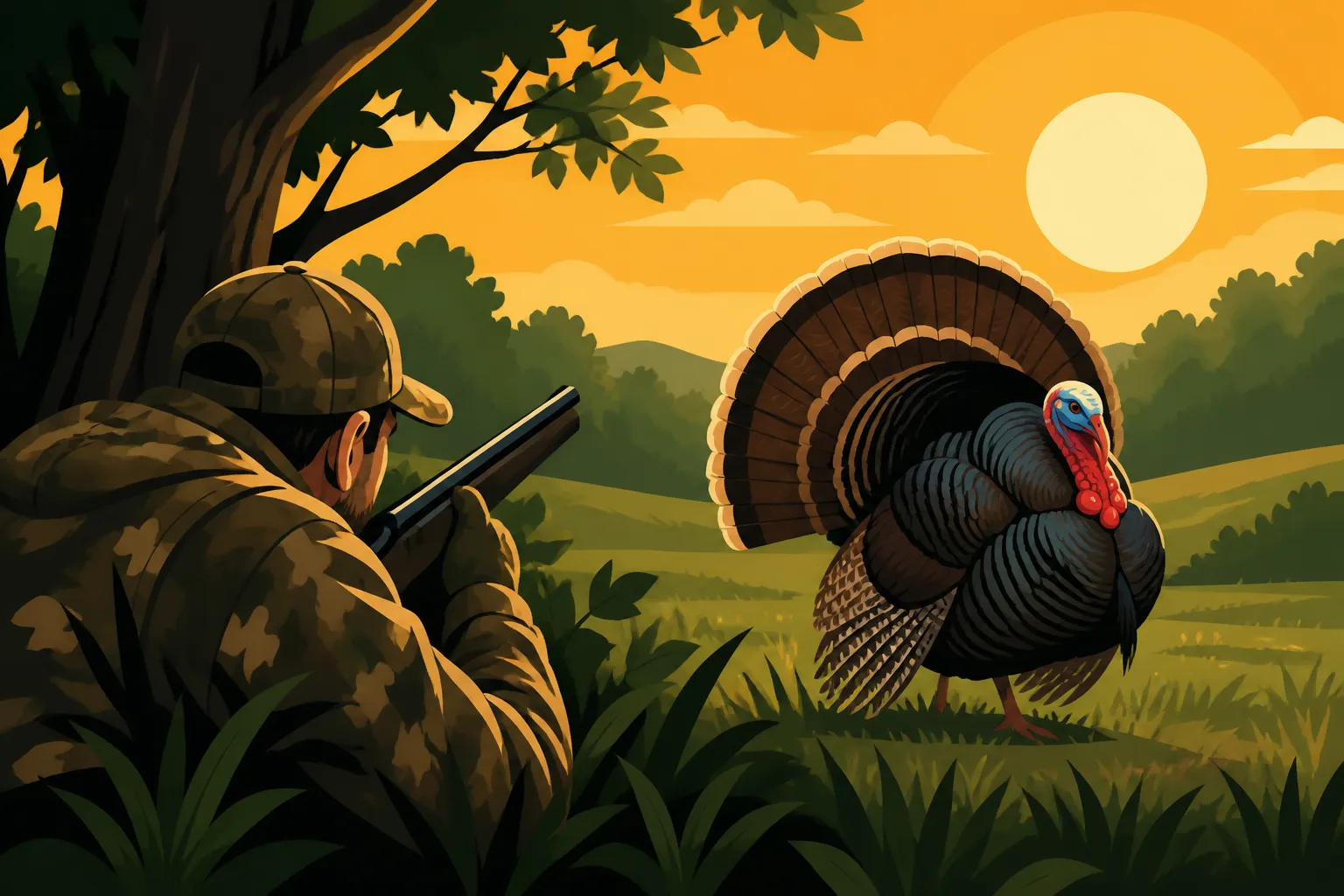
Hunting Gobblers in the Afternoon
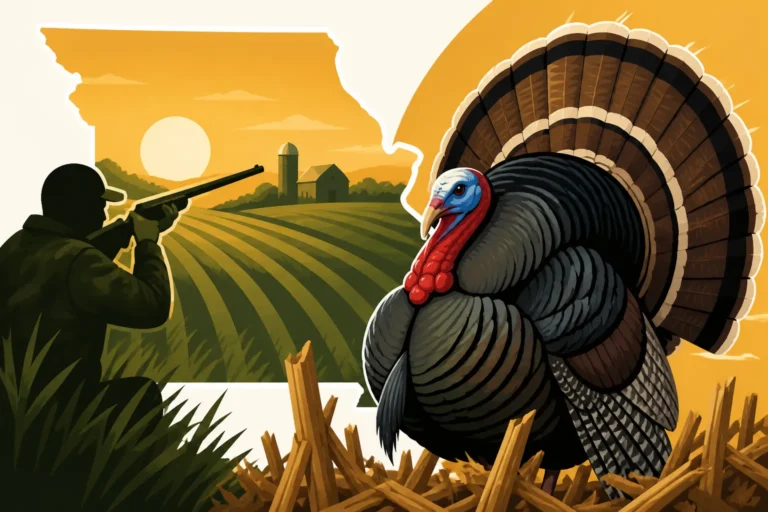
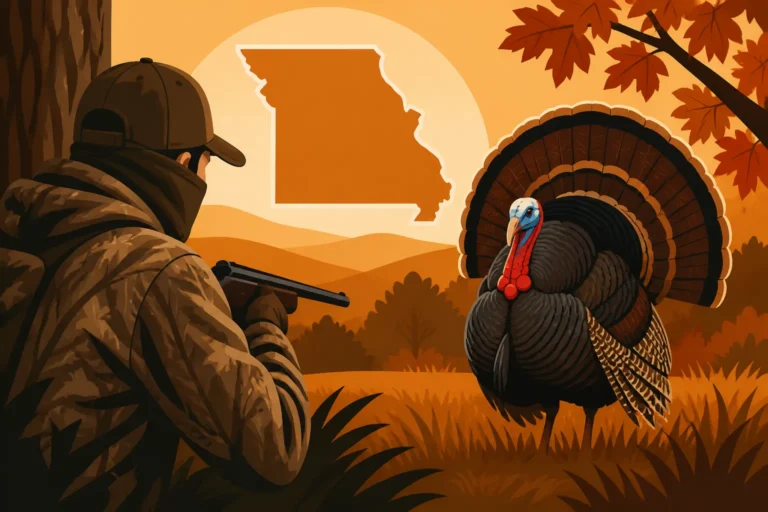
Ever had a Missouri spring turkey morning go perfectly silent after the initial fly-down excitement, leaving you wondering where all the gobblers went? It’s a common frustration in our timber and fields, but it doesn't mean your day is over. This comprehensive guide will dive deep into the often-overlooked art of hunting gobblers in the afternoon, revealing strategies to turn those quiet, post-lunch hours into genuinely successful ones.
The Afternoon Advantage: Why Gobblers Change Their Tune
Many turkey hunters pack it in by noon, convinced that the best action is over once the morning roost breaks. And while those pre-dawn yelps and fly-down drumming certainly offer a thrill, writing off the afternoon is a mistake. Gobblers, much like us, have daily routines that extend beyond breakfast, and understanding these patterns can give you a significant edge when most other hunters are heading home for a sandwich. The woods become quieter, the pressure drops, and turkeys often become more predictable.
Navigating the Post-Morning Lull
After the morning hustle, where gobblers are focused on finding hens right off the roost, there's often a period of quiet. Hens are bred and go off to nest, leaving the gobblers feeling, well, a little lonely and confused. They might follow a few hens around for a bit, but eventually, those hens will slip away. This is when many hunters lose heart, but it’s actually a critical transition time. Instead of giving up, think about what a gobbler is likely to do next. He's not just going to vanish; he's going to shift his focus from breeding to other essential needs like feeding, watering, or finding a new strut zone to advertise his presence. The key is to be patient and observant, letting the woods settle down and the birds transition into their afternoon rhythms.
Capitalizing on Increased Predictability
One of the biggest advantages of afternoon hunting is that a gobbler's movements can become surprisingly predictable. Unlike the chaotic fly-down period where they might go anywhere, afternoon turkeys often gravitate towards specific areas. They've spent the morning chasing hens, now they're likely going to hit a food source, find water, or move to a more open area to strut and display, hoping to attract any late-morning or early-afternoon hens, or even just to assert dominance. If you've done your scouting, these predictable locations — a green field, a ridge saddle, or a creek bottom — become prime real estate for an ambush. This shift from random searching to focused activity makes your job as a hunter a bit more strategic and less about pure luck.
Less Competition, More Opportunity
Let's face it, public hunting land in Missouri can feel pretty crowded during the opening hours of Missouri Spring Turkey Season Dates. Everyone wants to be there for the morning fly-down. But by 10 or 11 AM, and certainly after noon, many hunters have either tagged out or given up. This dramatically reduces pressure on the birds. A gobbler that might have been henned-up or shy from continuous calling in the morning could become more receptive later in the day when he's not hearing a dozen different calls from every direction. This quieter environment often makes turkeys feel safer and more willing to respond, creating a fantastic opportunity for the persistent hunter.
Deciphering Afternoon Turkey Behavior and Hotspots
To consistently succeed with afternoon gobblers, you need to think like a turkey that’s already been through the morning. Their priorities shift, and so should your strategy. Understanding where they're going and what they're doing is paramount. This isn't about blind luck; it's about connecting the dots of their daily cycle.
Identifying Afternoon Feeding Patterns
After the breeding frenzy of the morning, gobblers need to refuel. Their energy expenditure chasing hens is substantial. This means food sources become incredibly attractive. Think about what's available and what turkeys prefer.
- Green Fields: Clover, alfalfa, or even freshly sprouted winter wheat fields are magnets. Turkeys love to pick insects and tender greens. If you have access to agricultural ground, focusing on these areas can be highly productive. This is especially true when applying Turkey Tactics for Crop Country.
- Oak Ridges: While acorns are typically a fall food, turkeys will still scratch around for any remaining nuts from the previous season, especially in areas with recent rainfall that might have softened them. Look for fresh scratchings under mature oak trees.
- Bugging Areas: Grassy edges, old logging roads, or even recently burned timber areas can be full of insects. Turkeys will often work these areas slowly, systematically foraging for protein.
Knowing these patterns and scouting for fresh sign in these areas is crucial.
Locating Watering Holes and Strut Zones
Just like feeding, gobblers also need to drink, especially on warmer spring days. Small puddles, creek edges, or even damp depressions can attract birds. Couple this with strut zones, and you've got a potent combination.
- Creek Bottoms and Seeps: Turkeys frequently travel along creek beds, which often provide both water and easy travel corridors. These areas are also naturally funnel points where you might intercept a bird moving between feeding and roosting areas. If you're Hunting Turkeys in Ozark Hollows, focusing on these low-lying areas can be very effective.
- Open Ridge Tops and Field Edges: These are prime locations for a gobbler to strut and display. He wants to be seen and heard. If no hens are around, he might still go through the motions, hoping to catch the eye of a lone hen or even just to feel out his territory. Look for tracks, wing-drag marks, and even droppings in these open areas. Using a good mapping app like GoHunt can help you pinpoint these elevated, open areas or natural funnels that gobblers might use for strutting.
Following Travel Corridors
Turkeys aren't just randomly wandering. They move with purpose, and they often use the path of least resistance. Identifying these travel corridors is like finding the turkey highway.
- Logging Roads and Two-Tracks: Old roads offer easy walking and good visibility. Turkeys will often feed along the edges of these roads, looking for bugs or grit. They also provide natural linear features to funnel birds.
- Ridge Saddles and Benches: These topographical features act as natural crossings between different drainages or feeding areas. A saddle is a low point on a ridge connecting two higher points, while a bench is a flat, shelf-like area along a hillside. Both are excellent ambush points, especially as turkeys move from lower feeding grounds to higher roosting timber.
- Creek and River Bottoms: As mentioned, these can be both feeding and travel areas. They provide cover, water, and often connect various habitat types. Studying these on a detailed map, perhaps using the terrain features available through GoHunt, can highlight potential travel routes.
| Turkey Behavior | Morning Strategy (Pre-Noon) | Afternoon Strategy (Post-Noon) |
|---|---|---|
| Primary Focus | Breeding, locating hens | Feeding, watering, strutting |
| Response to Call | Aggressive, often come to roost | Softer, curious, sometimes hang up |
| Typical Movement | From roost to hens/breeding areas | To food, water, open strut zones |
| Hunting Pressure | High, multiple hunters | Low, fewer hunters in the woods |
| Best Locations | Roosts, fly-down areas, hen flocks | Feeding fields, water sources, travel corridors, open ridges |
| Calling Volume | Louder, excited yelps & cuts | Softer, contented clucks & purrs |
| Hunter Role | Aggressive locator/caller | Patient ambusher/still-hunter |
Strategic Approaches for Afternoon Gobblers
Hunting afternoon gobblers requires a mental shift. You're no longer trying to intercept a bird charging off the roost. Instead, you're trying to outsmart a bird going about its daily business in a more relaxed, less urgent manner. Patience, stealth, and a keen understanding of their likely movements are your best friends.
Aggressive Scouting and Still-Hunting
Don't just sit in the same spot all day. Afternoon hunting often benefits from covering ground. This is where the Run-and-Gun Turkey Tactics in the Missouri Ozarks really come into play.
- Cover Ground Systematically: Walk old logging roads, creek bottoms, or the edges of fields. Stop frequently to call softly and listen intently.
- Look for Fresh Sign: Keep your eyes peeled for tracks, droppings, and fresh scratchings. These telltale signs confirm that turkeys are in the area and actively feeding. Even if you've been out all morning, a quick check of aerial photos on GoHunt can reveal new access points or areas of fresh growth that might be attracting birds.
- Listen, Listen, Listen: In the quieter afternoon, you might hear subtle turkey sounds that would be masked by morning activity. A distant gobble, a hen cluck, or even the rustle of leaves as they scratch for food can give away their position. Use locator calls sparingly, maybe a crow or owl call every 15-20 minutes, to try and shock a gobble without educating the birds too much. Remember, When Missouri Gobblers Go Quiet, it's often a sign they're relaxed, not gone.
The Art of the Ambush Setup
Once you've identified a likely afternoon hotspot – a feeding field, a water source, or a prominent strutting ridge – setting up an ambush can be incredibly effective.
- Patience is Key: Get to your chosen spot early and settle in. Turkeys move slowly in the afternoon. You might have to wait an hour or more for them to show up.
- Concealment is Critical: Afternoon light can be harsh, making shadows long and contrasty. Choose a setup that offers excellent cover. Getting your back to a wide tree, such as Setting Up Against a White Oak, helps break up your silhouette and gives you a natural blind. Use natural brush, ground blinds, or anything to blend into your surroundings.
- Shot Lanes: Ensure you have clear shot lanes in the direction you expect the turkeys to approach. Clear away any small twigs or leaves that could interfere with your swing or shot.
- Wind Direction: While not as critical as for deer, still consider the wind. Turkeys have excellent eyesight and hearing, but a shifting breeze can help mask your movement or scent.
Calling Strategies for Late-Day Success
Afternoon calling should be different from your aggressive morning approach. Think subtle, calm, and inviting.
- Softer, More Contented Calls: Forget the loud cutting and aggressive yelping. Focus on soft tree yelps, clucks, and purrs. You're trying to sound like a contented hen, perhaps one that got separated from the flock and is just moving around, feeding. This is often when a nuanced Spring Turkey Calling in Missouri Timber approach pays off.
- Less Frequent Calling: Don't overcall. Call a few times, then wait 15-20 minutes. If you get a response, a soft, reassuring cluck might be all it takes. Let the gobbler feel like he's looking for you, rather than being called directly to you.
- Mimic Feeding Sounds: Use a scratch box or even your hand on leaves to simulate a turkey scratching for food. This can be a very natural and enticing sound to a lone gobbler.
- Locator Calls: If you're still-hunting, a crow or owl call can be used every so often to try and shock a gobble, but use them sparingly to avoid educating the birds in areas of high pressure. For specific scenarios, understanding when and how to use Locator Calls for Missouri Gobblers can be a game-changer.
The Role of Decoys
Decoys can be effective in the afternoon, but their placement and type are crucial, especially if you're dealing with Decoy Setups for Pressured Gobblers.
- Subtle Setups: A single hen decoy, or a hen and a jake, can be very convincing. A full strut gobbler decoy can work, but it also might intimidate birds that have been pressured.
- Placement: Place your decoy where it's visible but not exposed. It should appear natural, perhaps feeding or slightly strutting. Remember to position it to draw the gobbler into your preferred shot range.
- Read the Situation: If you're in a heavily hunted area, a decoy might be counterproductive. Sometimes, just stealth and subtle calling are enough. On private land or less pressured public land, decoys can be incredibly effective.
Essential Gear and Preparation for Late-Day Success
Being prepared for an afternoon turkey hunt means having the right gear and mind-set. It’s not just about what you carry, but how you use it and how you approach the hunt itself.
Optics and Digital Mapping Tools
Don't underestimate the value of good optics and digital maps in the afternoon.
- Binoculars and Rangefinders: A good pair of binoculars (8×42 or 10×42) is invaluable for spotting turkeys at a distance, especially in open fields or on distant ridges. A rangefinder will help you accurately gauge distances, which is critical for making a clean shot.
- Mapping Apps (like GoHunt): Before heading out, spend some time on your GoHunt app or other digital mapping software. Mark potential feeding areas, water sources, ridge saddles, and creek bottoms. These maps are fantastic for planning your still-hunting routes and identifying ambush points. They can also show property lines, which is vital if you're close to private land. The detailed satellite imagery and topographical maps provided by GoHunt can pinpoint subtle terrain features that might funnel turkeys, allowing you to effectively plan your routes and setups.
Comfortable Setup Gear
You might be sitting for a long time, so comfort is key to staying focused and still.
- Turkey Vest with a Seat: A quality turkey vest offers organized storage for calls, shells, and snacks, but most importantly, it should have a comfortable, fold-down seat cushion. Sitting directly on the cold, damp ground for hours is a quick way to get fidgety and uncomfortable.
- Hydration and Snacks: Carry plenty of water and a few high-energy snacks. Dehydration and hunger are distractions you don't need when a gobbler is approaching.
- Thermacell/Insect Repellent: Depending on the time of year, biting insects can be a major nuisance. A Thermacell or good insect repellent can make a huge difference in your comfort and ability to sit still.
Specialized Calls and Decoys
While your morning calls might work, having specific calls for afternoon situations is beneficial.
- Soft Calling Devices: A slate call, a glass call, or even a soft-sounding box call are excellent for producing subtle clucks and purrs. Keep your mouth calls handy, but sometimes the friction calls can offer a more nuanced, realistic sound for close-in work.
- Subtle Decoys: Consider carrying a compact, lightweight hen decoy, or a jake decoy. They are easy to pack and can add a visual element that sometimes seals the deal. Avoid large, bulky decoys unless you're confident in your setup location and know you won't be moving much.
Time Management and Safety Considerations
The afternoon hunt runs closer to sundown, so vigilance is critical.
- Know Your Missouri Turkey Shooting Hours: Legal shooting hours generally extend to sunset. Always consult the current Missouri Department of Conservation regulations for precise times. Make sure you are well aware of when you need to be packed up and headed out of the woods. You don't want to be caught in the dark, much less making a dangerous mistake.
- Plan Your Exit: Know how you're getting out of the woods before you even head in. Dark timber can look very different in fading light. Use your GoHunt app's tracking feature or a handheld GPS to mark your vehicle's location and plan a safe, quiet route out.
- Safety: Always be aware of your surroundings, especially during the low light of late afternoon. Assume every sound is another hunter until proven otherwise. Identify your target beyond all doubt.
Hunting gobblers in the afternoon isn't just a fallback; it's a legitimate, often highly effective strategy for persistent and patient hunters. By understanding the turkey's post-morning behavior and adjusting your tactics accordingly, you can transform those quiet, overlooked hours into some of the most rewarding hunts of the spring season.
Disclaimer
Please note: Hunting regulations and seasons in Missouri are subject to change. Always consult the latest regulations from the Missouri Department of Conservation (MDC) before planning any hunting trip. This content is for informational purposes only and does not constitute legal advice or an endorsement of any specific product or brand mentioned.