Missouri South Duck Zone Dates
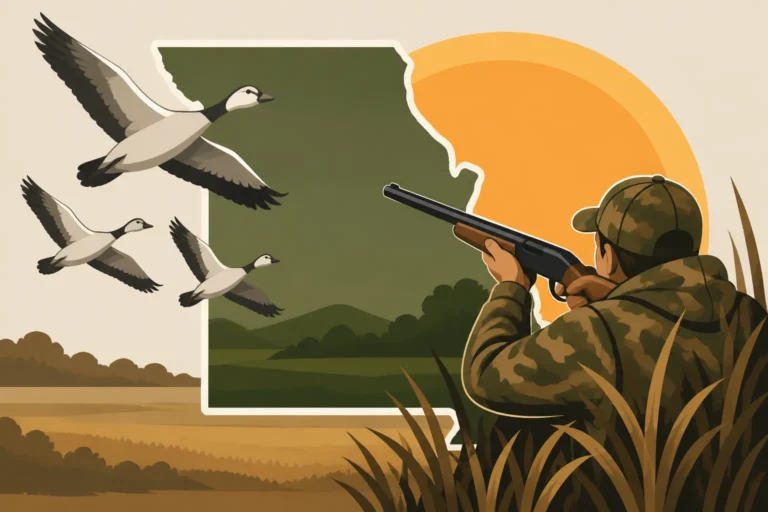
Trying to keep track of all the different duck hunting season dates across Missouri can feel like trying to hit a fast-flying teal in a crosswind – confusing and frustrating! Many hunters find themselves scratching their heads, wondering exactly when they can be in the blind, especially with the state's different zones. This comprehensive guide is here to untangle the specifics, focusing on the Missouri South Duck Zone dates so you can plan your hunts with confidence and maximize your time in the field.
Understanding Missouri's Duck Zones for Waterfowlers
Missouri, a vital part of the Mississippi Flyway, is strategically divided into three distinct duck hunting zones: the North Zone, Middle Zone, and South Zone. This isn't just for kicks; these zones are carefully crafted by the Missouri Department of Conservation (MDC) and the U.S. Fish and Wildlife Service to align with the migratory patterns of waterfowl as they push south from their northern breeding grounds. Each zone's opening and closing dates are staggered, aiming to give hunters the best possible opportunity to intercept different waves of ducks throughout the fall and winter, while also managing harvest pressure effectively. It acknowledges that migration doesn't happen uniformly across the entire state.
Why Zones Matter for Waterfowlers
Imagine ducks arriving in northern Missouri when southern Missouri is still basking in warm, early autumn weather. If the entire state had the same season, hunters in the north would be finished long before the bulk of the birds even reached the southern part of the state, or vice versa, southern hunters would be waiting forever. That's why these zones are so crucial. They allow for tailored hunting periods that ideally coincide with the peak migration windows for each region. For us waterfowlers, understanding these zone boundaries and their specific dates isn't just a matter of following the rules; it's about optimizing our chances of being out there when the birds are. It helps you decide whether to focus on your local spots or perhaps consider a trip further north or south depending on the bird activity and current weather.
Pinpointing the South Zone Boundary
The South Zone is, as you might guess, the southernmost portion of Missouri for waterfowl hunting purposes. It’s defined by a specific line that carves across the state, and knowing this line is absolutely critical to ensure you're hunting within the correct dates. The northern boundary of the Missouri South Duck Zone follows a specific route. It starts on the western side of the state, running east along Highway 54 from the Kansas state line to Highway 65. Then it proceeds north along Highway 65 to Highway 32, before heading east along Highway 32 to Highway 51. Finally, it continues north along Highway 51 to the Illinois state line. Any area south of this established line falls within the South Zone. This means places like the Bootheel, parts of the Ozarks, and counties bordering Arkansas are generally included. Always double-check the current year's Missouri Duck Zone Boundaries published by the MDC, because while generally consistent, slight adjustments can occur. It’s a good idea to mark this line on your maps or hunting apps like GoHunt before the season to avoid any accidental infractions.
Current Missouri South Duck Zone Dates
Alright, let's get down to the nitty-gritty: the actual dates! For the 2024-2025 waterfowl season, the Missouri South Duck Zone will run its main season from November 9, 2024, to January 7, 2025. This provides a substantial window for duck hunters, spanning a good portion of the late fall and early winter. It’s important to note that youth hunting opportunities often have separate, earlier dates, which we’ll cover, but the main season is where most adult hunters will spend their time. These dates are subject to slight changes year-to-year based on federal frameworks and state conservation objectives, so always confirm with the official MDC regulations each season.
Early Season Opportunities in the South Zone
While the main duck season in the South Zone starts in November, there are earlier opportunities that often get overlooked, specifically for teal. Missouri offers a special September Teal Season that typically runs for about two weeks, usually in the first half of September, statewide. For 2024, the September Teal Season dates are September 7-22, 2024. This is a fantastic chance to get out and enjoy some fast-paced action before the larger ducks arrive and the weather turns cold. These early season hunts are generally characterized by warmer temperatures and locally hatched birds, along with the first pushes of migrating blue-winged teal. You'll often find these birds on smaller ponds, creeks, and flooded agricultural fields. Additionally, the MDC typically holds a Youth Portion Strategy in Missouri for waterfowl, which usually precedes the regular season and offers young hunters an exclusive chance to harvest birds. For the South Zone, the Youth Waterfowl Weekend is set for October 26-27, 2024. This is a great way to introduce new hunters to the sport in a less crowded, more focused environment.
Late Season Strategies in the South Zone
As the main season progresses from November into December and January, the character of the hunt in the South Zone often shifts dramatically. The landscape transforms, local waters might freeze, and the true migration from the north begins to funnel down. This late season period is when hunters in the South Zone often see the largest concentrations of birds, including those big mallards and other puddle ducks that have been pushed out of the North and Middle Zones by freezing temperatures. You’ll also likely encounter more diver ducks on larger bodies of water.
Successful late-season hunting often means adapting your tactics. Food sources become paramount, so focusing on cut cornfields, flooded bean fields, or natural wetlands with remaining submerged vegetation is key. Hunters might need to brave colder weather, heavier ice, and even snow, making proper Waterfowl Gear for Missouri Flooded Timber or layout blind setups crucial. Decoys need to be realistic, and calling techniques might need to be more aggressive to entice wary, pressured birds. Don't forget, these late-season birds have often seen it all, so meticulous scouting and camouflage are more important than ever. Being ready for diverse species, not just mallards, will help fill your strap.
Important Considerations for South Zone Hunters
Beyond just knowing the dates, there are several other critical aspects to consider when planning your South Zone duck hunts. Being prepared and compliant with all regulations ensures a smooth, enjoyable, and legal hunting experience.
Key Permit and Stamp Requirements
Before you even think about setting out decoys, you need to ensure you have all the necessary permits and stamps. Every waterfowl hunter in Missouri, regardless of age, must possess a valid Missouri Small Game Hunting Permit, or a Missouri Combination Hunting and Fishing Permit. For migratory birds like ducks, you also need to ensure you are registered with the Harvest Information Program (HIP). This is a free, but mandatory, federal requirement. You can get your Missouri HIP Registration for Migratory Birds at the same time you buy your permit. Perhaps most critically for duck hunters, anyone 16 years of age or older must purchase a Federal Duck Stamp. These stamps, issued by the U.S. Fish and Wildlife Service, fund crucial wetland conservation efforts across the nation. Without these, your hunting trip could quickly turn into a costly violation. Many hunters often carry their permits, HIP confirmation, and Federal Duck Stamp with them, either physically or electronically via the MO Hunting app, a convenient way to manage your licenses.
Daily Bag and Possession Limits
Knowing how many ducks you can legally harvest is just as important as knowing when you can hunt them. The daily bag limit for ducks in Missouri is typically 6 birds. However, this isn't a simple "any 6 ducks" rule. There are specific species-specific restrictions within that 6-bird limit. For example, within your daily bag, you might only be allowed 4 mallards (with specific rules on hens), 3 wood ducks, 2 redheads, 2 pintails, 2 black ducks, 1 canvasback, and 1 mottled duck. There are also specific limits for mergansers and coots. The possession limit, which is the maximum number of birds you can have in your possession at home or in transit, is usually three times the daily bag limit. Always check the current Missouri Duck Daily Bag Limit published by the MDC, as these numbers can fluctuate based on population surveys and federal guidelines. For example, recent years have seen adjustments to the Missouri Mallard Limit Within the Bag based on population assessments.
Telecheck and Reporting Harvests
Missouri has a mandatory Telecheck system for all deer and turkey harvests, and while ducks aren't subject to the exact same system, understanding reporting is still vital. However, for migratory birds, the Harvest Information Program (HIP) collects crucial data through surveys after the season. Your accurate participation in HIP surveys, if selected, directly impacts future season structures and bag limits. It's how wildlife managers get a snapshot of overall harvest numbers and trends. Being a responsible hunter means participating honestly in these surveys when requested. This data helps the MDC and USFWS make informed decisions that benefit duck populations and hunting opportunities for everyone.
Scout, Scout, Scout
No matter how well you know the dates and regulations, consistent success in duck hunting boils down to one thing: scouting. This is especially true for the South Zone, which can have diverse habitat from large rivers and reservoirs to smaller flooded timber tracts and agricultural fields. Before the season, and certainly before each hunt, spend time observing bird movements, identifying active feeding areas, and locating roosting spots. Platforms like GoHunt can be invaluable here, allowing you to study aerial maps to pinpoint potential water sources, access points, and likely flyways. Pay attention to weather patterns, as cold fronts can push new birds south, changing activity almost overnight. For public land hunters, consider areas like Duck Creek Conservation Area or Ten Mile Pond Conservation Area in the Bootheel, but understand these popular spots often require careful scouting and potentially a managed hunt draw. Don't be afraid to put boots on the ground (or waders in the water) to find those hidden gems and understand how birds are using the landscape. Whether it's finding a hole for Duck Calling in Timber Versus Open Water or discovering a new field the ducks are hitting, scouting is the ultimate difference-maker.
Missouri South Duck Zone Season Overview
To help you keep track, here's a quick reference for the 2024-2025 Missouri South Duck Zone dates, along with some key general regulations. Remember, these are general guidelines, and it's always best to consult the official MDC regulations for the most up-to-date and complete information.
| Season Type | South Zone Dates (2024-2025) | Daily Bag Limit (Ducks) | Key Requirements |
|---|---|---|---|
| September Teal Season | September 7 – September 22, 2024 | 6 Teal | Small Game Permit, HIP Registration, (Federal Stamp for 16+) |
| Youth Waterfowl Weekend | October 26 – October 27, 2024 | 6 Ducks | Youth Permit, HIP Registration |
| Regular Duck Season | November 9, 2024 – January 7, 2025 | 6 Ducks* | Small Game Permit, HIP Registration, Federal Duck Stamp |
| *Species Restrictions Apply | (e.g., 4 Mallards, 3 Wood Ducks, 2 Pintails) |
This table provides a quick snapshot, but remember that specific species restrictions within the 6-duck daily bag limit are critical. For instance, the Missouri Mallard Limit Within the Bag is usually stricter for hens than drakes.
Navigating the Missouri South Duck Zone dates doesn't have to be a headache. By understanding the rationale behind the zones, pinpointing the boundaries, knowing the specific season dates, and staying on top of all the legal requirements, you're well on your way to a successful and enjoyable waterfowl season. Always keep your permits current, study the regulations, and most importantly, get out there and scout! The ducks are waiting.
Disclaimer
The information provided in this guide is for general informational purposes only and is subject to change. Hunters are solely responsible for checking and complying with the most current Missouri Department of Conservation (MDC) hunting regulations and federal laws before participating in any hunting activities. Always refer to the official MDC website or regulatory pamphlets for the definitive rules and dates for the current season.