Bobwhite Quail Decline in Missouri
For many of us who grew up in Missouri, the rapid decline of the northern bobwhite quail is more than just an ecological concern; it's a deeply personal loss. The memory of a covey rise, that explosive burst of wings, and the distinctive "bob-white!" whistle echoing across a crisp autumn field, feels increasingly like a ghost from the past. This guide aims to shed light on why these cherished game birds have become so scarce, delving into the historical context, the multifaceted causes of their struggle, and the tireless efforts being made to restore their numbers across the Show-Me State.
The Golden Age: A Look Back at Missouri's Quail Abundance
It’s easy to romanticize the past, but for quail in Missouri, there truly was a golden age, a time when their populations seemed almost limitless. For generations, the bobwhite was the king of small game, a bird that could be found in nearly every county, from the northern farm fields to the rugged Ozark hills. Hunters didn’t have to work nearly as hard as they do today to find robust coveys, and the sheer volume of birds was astounding.
Farm Practices and Habitat Richness
Think back to the early to mid-20th century, even stretching into the 70s and 80s in some areas. Missouri’s landscape was a mosaic of small, diversified farms. These farms often had fencerows that weren't just lines in the dirt; they were thick, tangled bands of briars, small trees, and native grasses that served as perfect travel corridors and escape cover for quail. There were small patches of crops, often left standing through winter, providing crucial food. Hayfields of native grasses offered nesting cover, and pastures were diverse with forbs and insects. This wasn't intentionally managed quail habitat; it was simply the byproduct of a different era of agriculture.
Everywhere you looked, there was "edge" habitat – the meeting point of woods and fields, crops and native vegetation. Quail thrive on these edges, needing a mix of cover for nesting, brood-rearing, foraging, and protection from predators. The patchwork nature of farming back then provided exactly this, unintentionally creating an ideal environment. It wasn't uncommon to walk a creek bottom or the edge of a timber block and flush multiple coveys in a single afternoon.
Cultural Significance and Hunting Heritage
The abundance of quail wasn't just good for the birds; it deeply wove itself into Missouri's hunting culture. Quail hunting was a social event, often involving families, friends, and well-trained bird dogs. The season was long, and the limits were generous, reflecting the sheer numbers of birds available. It was an accessible hunt, requiring less specialized gear than deer or turkey, and offering fast-paced action and plenty of camaraderie.
For many hunters, pursuing quail was an annual ritual, a time to reconnect with the land and with each other. Grandfathers taught grandchildren the finer points of reading cover, watching a dog work, and taking a quick shot on a flushing covey. The memory of those hunts, the anticipation, the joy of a good dog on point, and the taste of a harvested bird, are powerful reminders of what we’ve lost. The lament about the "good old days" isn't just nostalgia; it's a genuine yearning for a wildlife resource that was once a cornerstone of Missouri’s outdoor tradition.
The Unsettling Silence: Documenting the Decline
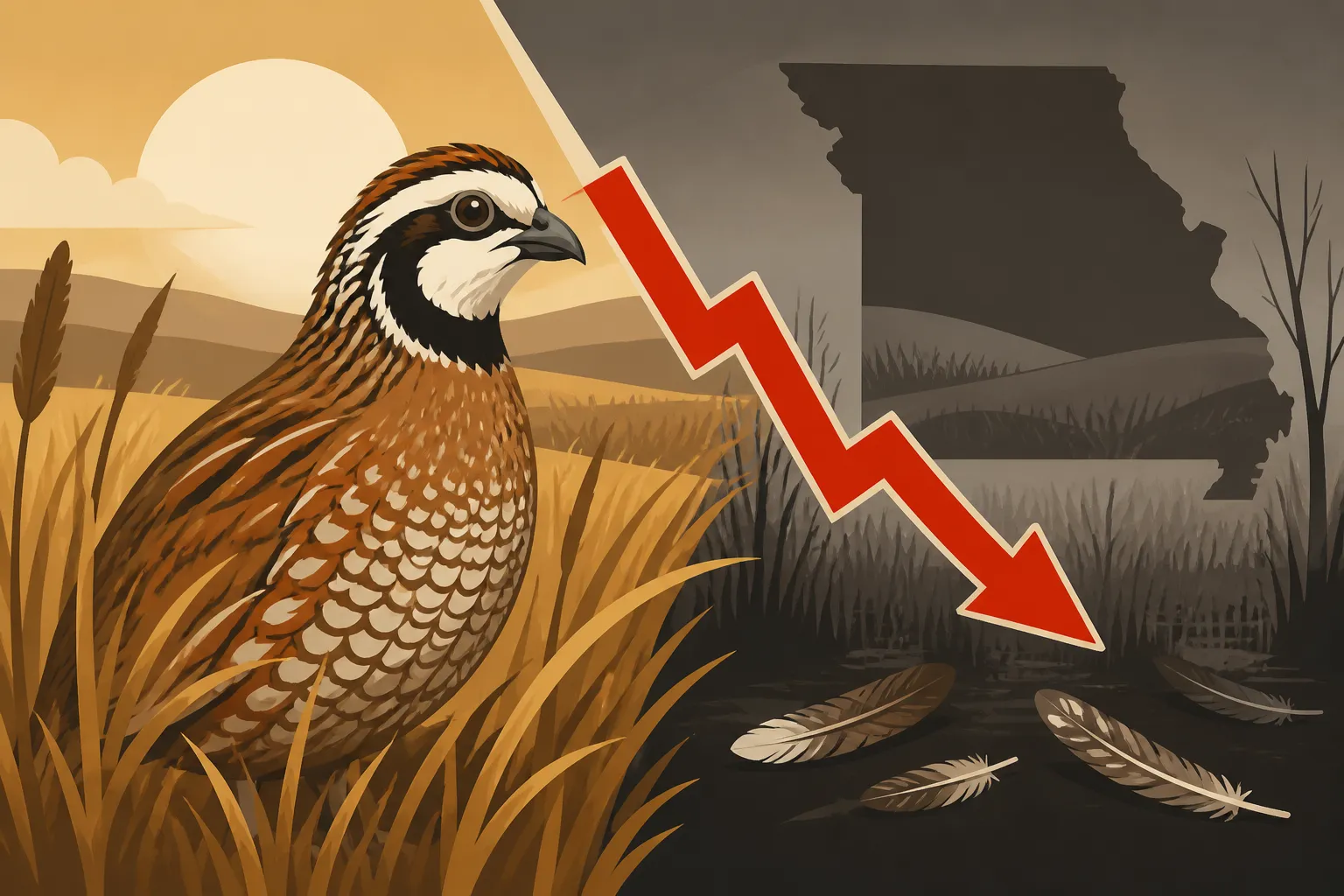
The shift from abundance to scarcity for Missouri's bobwhite quail wasn't an overnight collapse, but a gradual, insidious erosion that began decades ago and, for many, became undeniably evident in the late 1980s and early 1990s. The quietude on once-bustling fields and fencerows has become almost deafening, marking a profound change in our natural soundscape.
Shifting Baselines and Disappearing Birds
For older hunters, the change is stark. They recall flushing half a dozen coveys in a single outing, whereas today, finding even one can feel like striking gold. Younger hunters, sadly, may never have experienced what a truly healthy Missouri quail population looks like. This "shifting baseline syndrome" means that what's considered "normal" changes with each generation, making it harder for new hunters to grasp the true extent of the decline. Surveys by the Missouri Department of Conservation (MDC) have consistently shown a long-term downward trend in quail numbers, with some regional fluctuations but no significant, sustained recovery across the state.
The disappearance of the bobwhite is particularly noticeable in areas that were once quail strongholds, like many parts of northern and central Missouri's farm country. These regions, characterized by vast expanses of row crops today, now offer little more than fragmented islands of marginal cover, incapable of supporting viable covey populations. It's not just the numbers that have dwindled; it's the very presence of the bird itself that has become rare, turning what was once common into a treasured, fleeting encounter.
Monitoring Quail Populations in Missouri
The MDC uses several methods to track quail populations and understand these trends, though the results are often sobering. Breeding bird surveys, roadside whistle counts, and hunter harvest data all paint a consistent picture of decline. Whistle counts, where trained observers listen for calling bobwhites along established routes, are a crucial indicator of breeding male abundance. While these counts provide valuable data, they also starkly illustrate how much quieter our rural landscapes have become.
Hunter harvest surveys, compiled from mandatory Telecheck reports and voluntary hunter opinion surveys, also reflect the downward spiral. Fewer hunters are pursuing quail, and those who do are reporting drastically lower success rates and fewer birds harvested per effort. This reduction in hunting pressure isn't necessarily a good sign; it's often a symptom of dwindling resources, as hunters simply give up on a pursuit that yields so little reward. Understanding these trends is critical, and the MDC compiles reports like the Missouri Quail Harvest Numbers to help us see the data, as grim as it often is. This information helps conservationists and biologists target their efforts, but reversing such a pervasive trend is a monumental task.
Root Causes of the Bobwhite's Retreat
Attributing the quail's decline to a single cause would be an oversimplification. The reality is a complex interplay of factors, each contributing to the bobwhite’s struggle for survival in our modern landscape. These challenges range from changes in how we farm our land to shifts in weather patterns and increased predation pressure.
Habitat Fragmentation and Agricultural Shift
Without a doubt, the most significant driver of the bobwhite's decline in Missouri, and across much of its range, is habitat loss and fragmentation. The small, diverse farms of yesteryear have largely given way to large-scale, monoculture agriculture. Hedgerows and fencerows, once brimming with life, have been torn out to make way for larger equipment and maximize tillable acreage. Vast fields of corn and soybeans, while productive for commodity crops, offer little to no year-round cover or food for quail.
The shift to fescue pastures also dealt a massive blow. Tall, dense fescue forms a thick, nearly impenetrable mat that chokes out native forbs and grasses. Quail hens cannot easily navigate or nest in fescue, and quail chicks struggle to move through it to find insects, which are vital for their growth. Fescue also heats up significantly in the sun, creating an inhospitable environment for young birds. The few remaining patches of habitat that do exist are often isolated, making it difficult for coveys to move between them, limiting genetic diversity and increasing their vulnerability. This directly impacts the ability for Habitat Loss and Missouri Quail to recover effectively.
Predation Pressure and Environmental Factors
While habitat loss is the primary culprit, increased predation also plays a significant role, particularly when quail numbers are already low and cover is sparse. Predators like raccoons, opossums, skunks, coyotes, and various raptors are always present, but their impact intensifies when quail have nowhere safe to hide, nest, or raise their broods. Without dense, complex cover, nests are easily found, and adult birds have little escape from aerial or ground predators.
Weather, too, can be a cruel mistress for quail. Severe winters with prolonged ice and snow can lead to high mortality, especially if food and thermal cover are scarce. More frequent extreme weather events, such as prolonged droughts or excessively wet springs, can devastate nesting success and chick survival. A cold, wet spring can chill young chicks to death and reduce insect availability, while a severe drought can dry up vital water sources and hinder plant growth critical for food and cover. These environmental stressors compound the issues created by poor habitat, making it incredibly challenging for quail populations to rebound naturally.
Pesticides and Changing Land Management
The widespread use of herbicides and insecticides in modern agriculture further exacerbates the quail's plight. Herbicides eliminate broadleaf plants that produce seeds and provide critical cover, while insecticides decimate the insect populations that quail chicks rely on for protein during their crucial first weeks of life. Without this essential food source, chicks simply cannot grow and thrive, leading to poor survival rates and ultimately, fewer adult birds.
Beyond large-scale farming, general changes in land management practices on both private and public lands have also contributed. Fire suppression, for example, has allowed woody vegetation to encroach on open grasslands, reducing vital quail habitat. Even on some public lands, a lack of active management for early successional habitat, which quail desperately need, can be a factor. The cumulative effect of these changes—from the removal of buffer strips to the homogenization of landscapes—has created a world where the bobwhite struggles to find the diverse, dense cover and food sources it needs to survive and reproduce. Tools like GoHunt can sometimes help hunters identify areas that might still hold some habitat potential, but the overall trend is clear: our land use practices have fundamentally altered the environment against the quail.
On the Front Lines: Missouri's Quail Restoration Efforts
Recognizing the dire situation of the bobwhite quail, the Missouri Department of Conservation (MDC), along with numerous private landowners and conservation organizations, has been working tirelessly to implement strategies aimed at reversing the decline. These efforts are often long-term, expensive, and require significant dedication, but they represent the best hope for the future of these iconic birds.
Collaborative Conservation Programs
One of the most impactful approaches has been through collaborative conservation programs. The MDC partners with private landowners to establish and enhance quail habitat on their properties. Programs like the Missouri Private Land Services offer technical guidance and sometimes financial incentives to encourage practices beneficial to quail, such as establishing native warm-season grass fields, creating diverse food plots, and restoring woody cover in strategic locations. These efforts often involve a significant amount of earth-moving, planting, and prescribed burning.
Additionally, organizations like Quail Forever have been instrumental. They employ dedicated Farm Bill wildlife biologists who work directly with landowners to enroll them in federal conservation programs, such as the Conservation Reserve Program (CRP), which can pay landowners to convert marginal crop ground into wildlife habitat. This grassroots, boots-on-the-ground approach is vital, as the vast majority of Missouri's land is privately owned. Educating and empowering landowners to make habitat-friendly decisions is paramount to creating large, interconnected areas of suitable habitat.
Restoring and Managing Quail Habitat
The core of any quail restoration effort is, unsurprisingly, habitat. This isn't just about planting a few shrubs; it's about creating complex, diverse landscapes that meet all of the quail's needs throughout its life cycle. This includes establishing native warm-season grasses (like switchgrass, big bluestem, and Indiangrass) for nesting and roosting cover, alongside diverse forb patches that provide insects for chicks and seeds for adults. Brushy cover, such as blackberry thickets, plum patches, and small saplings, is critical for escape from predators and thermal protection in winter.
Prescribed fire is a powerful tool in this arsenal, used to manage vegetation, set back woody encroachment, and stimulate the growth of desirable native plants. Fire helps create the "patchwork" habitat that quail thrive in, providing open ground for foraging and new growth for food. We also see significant efforts on public lands, creating Missouri Quail Restoration Landscapes designed specifically to showcase what effective habitat management looks like. These public areas serve as models and learning grounds, demonstrating how targeted management can turn around localized quail populations. Often, the challenge is maintaining this habitat, as it requires ongoing effort and resources.
Successes and Ongoing Challenges
While the overall statewide trend remains challenging, there are localized success stories that offer glimmers of hope. On specific tracts of intensively managed land, where habitat work has been consistent and comprehensive for many years, quail populations have seen significant rebounds. These areas demonstrate that when the right habitat is present, quail can and will respond. The MDC's focus on these "quail restoration landscapes" is beginning to show some positive results, even if they are still relatively small in scope compared to the state's total land area.
However, the challenges are immense. The sheer scale of habitat needed is staggering, and convincing enough landowners to adopt these practices on a large scale remains a hurdle. Economic pressures often favor agricultural practices that are detrimental to quail. Furthermore, external factors like severe weather events can quickly undo years of habitat work. Despite these difficulties, the dedication to bring back the bobwhite remains strong among conservationists and hunters alike, many of whom closely follow resources like the Covey Counts and What They Show to understand local and regional trends.
| Factor Contributing to Decline | Description | Impact on Quail |
|---|---|---|
| Habitat Loss | Removal of fencerows, small fields, shrubby cover for large-scale monoculture. | Eliminates nesting, brooding, foraging, and escape cover. |
| Habitat Fragmentation | Remaining habitat patches become isolated, difficult for birds to traverse. | Limits genetic flow, increases predation risk during movement, prevents population expansion. |
| Fescue Domination | Conversion to dense, invasive tall fescue for pastures. | Impedes movement for chicks, suppresses native plants, creates poor thermal cover, reduces insect availability. |
| Pesticide Use | Herbicides kill essential food plants (forbs), insecticides kill insect prey. | Reduces adult food sources, starves chicks (who need insects for protein), reduces plant diversity. |
| Predation | Increased pressure from natural predators, especially in sparse cover. | Higher mortality rates for eggs, chicks, and adult birds due to lack of adequate hiding spots. |
| Adverse Weather | Prolonged cold/wet springs, severe winters, drought conditions. | Direct mortality of chicks, reduced nesting success, stress on adults, reduced food availability. |
| Lack of Management | Fire suppression, neglect of early successional habitats on public/private land. | Allows woody succession, reduces open ground, homogenizes habitat. |
The Hunter's Role and Future Prospects for Quail
Hunters have always been—and continue to be—the backbone of wildlife conservation in Missouri. Their passion for the pursuit of game birds like the bobwhite, coupled with their financial contributions through license and permit sales, directly fuels the conservation efforts needed to bring quail back. Despite the current low numbers, the dedicated quail hunter plays a vital role in advocacy, stewardship, and the continued funding of restoration projects.
Hunters as Advocates and Conservationists
Many quail hunters are among the most vocal advocates for habitat restoration. They see the landscape changes firsthand and understand the urgency of the situation. This advocacy translates into supporting conservation initiatives, contacting legislators, and volunteering for habitat workdays on public and private lands. Their deep connection to the bird and its habitat makes them powerful voices for change. The sale of Missouri Resident Small Game Permit Cost and other permits directly funds the MDC's wildlife programs, including those dedicated to quail research and habitat work.
Furthermore, many hunters actively engage in management practices on their own land or through partnerships with landowners. They might plant food plots, conduct prescribed burns, or clear invasive species, all with the goal of creating better habitat. This hands-on involvement is critical, as conservation is not just the responsibility of government agencies; it's a shared endeavor. Hunters often use mapping tools, some provided by platforms like GoHunt, to identify potential areas for habitat work, scouting for cover types and food sources that could be enhanced.
Hunting in the Current Landscape
Let’s be realistic: hunting quail in Missouri today is tough. It’s no longer a numbers game; it’s a dedicated effort to find and work specific, often small, patches of high-quality habitat. Many hunters have switched their focus to other species due to the low probability of success. However, for those who remain passionate, it's about the experience, the dog work, and the rare thrill of a covey rise. These dedicated individuals are often the ones who seek out the Counties Where Quail Hold On and explore the Missouri Quail Restoration Landscapes to find what birds are left.
Success often comes from meticulous scouting and focusing on areas that have undergone specific habitat improvements, whether on public land or private properties where landowners are actively managing for quail. It's about understanding the specific habitat needs of the bobwhite and knowing how to read the landscape for those crucial elements, such as dense, thorny cover adjacent to good foraging grounds. While the days of unlimited coveys might be gone for now, the pursuit still holds a special place for many, even if it means Walking Missouri Quail Country for hours for a single flush.
The Long Road Ahead
The future of the bobwhite quail in Missouri is a long and challenging road, but not one without hope. Significant progress is being made on the scientific understanding of quail ecology and habitat management. The localized successes on intensively managed properties demonstrate that, given the right conditions, quail can rebound. The key is scaling these successes to a much larger, landscape level.
This means continued investment in habitat programs, sustained efforts in landowner education, and innovative approaches to integrating wildlife-friendly practices into agricultural landscapes. It also means advocating for policies that support these efforts. While we may never see the quail numbers of the "golden age" again, the goal is to ensure robust, huntable populations across larger areas of the state. It will require patience, persistence, and a collective commitment from conservation agencies, landowners, and hunters alike to once again hear the familiar "bob-white!" whistle echo across more of Missouri's fields. Knowing Why Missouri Quail Numbers Fell is the first step, and rebuilding will take a concerted effort from all of us.
Disclaimer
This article is intended for informational purposes only and does not constitute legal advice. Hunting regulations and wildlife management practices can change, so always consult the most current Missouri Department of Conservation regulations and guidelines before planning any hunting activities or land management practices.