Best Missouri Counties for Turkeys
Trying to figure out where to focus your spring or fall turkey hunting efforts in Missouri can feel like a real wild goose chase. You hear whispers of certain counties holding more birds, or "prime" areas where the gobblers are always vocal, and it's easy to get overwhelmed trying to pinpoint that perfect spot. This guide isn't just going to list names on a map; we're going to dive deep into why certain Missouri counties consistently produce good turkey numbers and how you can leverage that knowledge to find your own success, whether you're chasing longbeards in the timber or looking for fall flocks.
Understanding Missouri's Turkey Population Dynamics
It’s easy to just look at a harvest report and pick the county with the highest numbers, but that doesn't tell the whole story. Turkey populations are incredibly dynamic, influenced by a complex web of environmental factors, habitat quality, and even human activity. A banner year in one county might be followed by a dip, while another, often overlooked area, could be quietly building its numbers. Understanding these underlying dynamics is crucial for anyone hoping to consistently find turkeys in Missouri.
Factors Influencing Turkey Abundance
Several key factors play into why certain areas are turkey strongholds. First and foremost, weather during the nesting and brooding season is huge. A cold, wet spring when poults are hatching can devastate a year's recruitment, regardless of how good the adult population is. Conversely, mild, dry conditions often lead to booming poult survival, and you’ll see the benefits of that a year or two down the road. Predation also plays a significant role. Areas with high populations of raccoons, opossums, and coyotes can put a lot of pressure on nests and young poults. While the state manages furbearer populations, it’s an ongoing challenge in many areas.
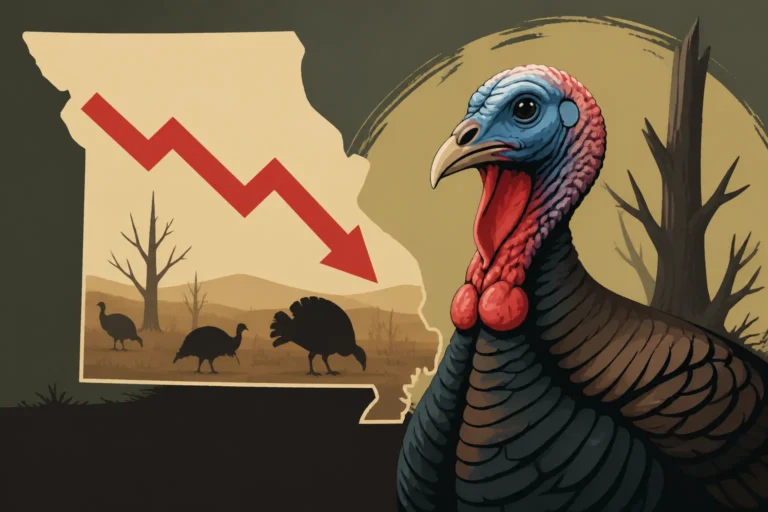
Another often-overlooked factor is disease. Avian diseases can periodically impact localized turkey populations, though widespread outbreaks are less common for wild turkeys compared to some other species. Food availability throughout the year is also critical. Turkeys need a consistent food source, from insects and greens in the spring and summer to acorns, berries, and waste grain in the fall and winter. Areas with a diverse food base will naturally support more birds. If you're seeing fewer birds in an area you used to hunt, it's worth considering if any of these factors have changed. You might notice changes in the Missouri Turkey Population Trends directly correlating to these conditions.
The Role of Habitat in Turkey Hotspots
Habitat is, without a doubt, the single most important element in sustaining healthy turkey populations. Turkeys need a mix of mature timber for roosting, open woodlands and fields for feeding and strutting, and dense cover for nesting and escape. Think about a mosaic landscape rather than vast, uniform tracts of land. Hardwood forests, particularly those dominated by oak and hickory, provide critical mast crops for fall and winter sustenance. These large, mature trees also offer excellent roosting sites, high above potential predators.
Beyond the trees, turkeys need good nesting cover – think taller grasses, briar thickets, and brushy edges along fields or timber lines. These areas offer concealment for hens incubating eggs and for poults trying to avoid predators during their vulnerable early weeks. Finally, open areas like pastures, hayfields, and agricultural fields provide excellent feeding opportunities, especially for insects, which are vital for growing poults. Areas where these different habitat types converge, creating an "edge effect," are almost always prime turkey country. When you're scouting, whether in person or using tools like GoHunt, look for these transitions.
Identifying Top Turkey Counties in Missouri
While no single list can be perfectly definitive year after year, some regions and counties in Missouri consistently stand out for their turkey populations and harvest numbers. These areas generally boast excellent habitat diversity, a history of good poult production, and often a good mix of public and private land access. We'll break them down by general region, as turkey habitat often follows broader geographic patterns.
Ozark Highland Strongholds
The Missouri Ozarks are classic turkey country, and for good reason. The rolling hills, extensive hardwood forests, and numerous hollows provide ideal conditions. Counties like Texas, Howell, Oregon, Carter, and Reynolds frequently appear at the top of harvest lists. These areas are characterized by vast stretches of oak-hickory timber, deep drainages, and interspersed glades and small fields. The sheer amount of timber, much of it within the Mark Twain National Forest, means plenty of roosting cover and mast crops.
What makes the Ozarks particularly appealing is the challenge and reward. You'll often be dealing with rugged terrain, which can deter some hunters, but for those willing to put in the work, the rewards can be significant. Understanding Wind and Thermals in Ozark Hills is absolutely crucial here, as gobblers will often use elevation to their advantage. The vastness of the public land allows for hunters to spread out, finding birds that haven't been pressured as heavily. These areas often require a more run-and-gun approach, covering ground until you locate a vocal bird, as detailed in Run-and-Gun Turkey Tactics in the Missouri Ozarks.
Northern Missouri's Timbered Pockets
While the Ozarks are famous for their continuous timber, northern Missouri, often considered prime deer country, also holds some fantastic turkey populations, particularly in counties that retain significant timbered pockets and river breaks. Counties like Knox, Macon, Shelby, Adair, and Schuyler often produce strong turkey numbers. Here, the habitat is often a mix of agricultural fields, fescue pastures, and timbered draws and river corridors. The key is finding those areas where timber blocks are large enough to support healthy flocks.
These northern counties might not have the extensive public land of the Ozarks, but where timber meets agriculture, you often find excellent turkey sign. Birds will roost in the timber and then pitch down into fields to feed, especially on waste grain or insects. This dynamic often means a different style of hunting, focusing on field edges and smaller woodlots, or scouting carefully to understand Entry Routes on Rolling Farm Ground for deer, which often apply to turkeys as well. Private land access becomes more critical here, but persistence can pay off with less pressured birds.
River Bottoms and Transitional Zones
River bottoms and areas where different habitat types transition are often turkey magnets, providing all the necessities in close proximity. The Missouri River corridor itself, and its major tributaries, can be exceptional. Counties such as Callaway, Cooper, Saline, and Howard, which straddle the river, often feature rich bottomland timber that turkeys love for roosting and feeding, particularly with abundant soft mast and insect life. The transition zones between these river bottoms and the upland agricultural fields are especially productive.
These areas provide a diverse food source throughout the year and excellent travel corridors. Turkeys in these transitional areas tend to be highly responsive to calls, especially during the spring mating season. You'll find a blend of hunting styles here, from setting up along field edges to working timbered ridges and creek bottoms. Utilizing tools like the Missouri Conservation Atlas or online mapping services can help you pinpoint these critical transition areas, especially when looking for Public Hunting Ground Near Columbia or other major river towns.
| Region | Key Counties (Examples) | Primary Habitat | Hunting Style Tendency | Typical Challenges |
|---|---|---|---|---|
| Ozark Highlands | Texas, Howell, Oregon, Carter | Extensive Oak-Hickory Timber, Glades, Hollows | Run-and-Gun, Public Land Focused | Rugged Terrain, Steep Climbs |
| North Missouri | Knox, Macon, Shelby, Adair | Timbered Draws, Crop Fields, Pastures | Field Edge Setups, Private Land Focused | Limited Public Land, More Fragmented Habitat |
| River Bottoms | Callaway, Cooper, Saline, Howard | Mature Bottomland Timber, Crop Fields, Transition | Call-and-Stalk, Strategic Setup | Flooding, Dense Undergrowth, Often Private Land |
Strategies for Hunting Missouri's Best Turkey Counties
Finding the "best" county is only half the battle; knowing how to hunt it effectively is the other. Turkeys are creatures of habit but also incredibly wary, especially in areas that see consistent hunting pressure. Adapting your strategy to the specific terrain and the behavior of local birds is paramount.
Pre-Season Scouting and E-Scouting Tools
Before you even step foot in the woods, thorough pre-season scouting is non-negotiable for turkey hunting success. This is where you identify roosting areas, strut zones, feeding patterns, and potential travel routes. Look for tracks, droppings, feather piles, and dusting bowls. In the Ozarks, for instance, you'll want to find those mature ridge lines or hollows where birds like to roost. For more specific insights, reading an article like Scouting Missouri Public Land Before Season can provide excellent guidance.
Modern technology has revolutionized this process with "e-scouting." Platforms like GoHunt allow you to pore over aerial imagery, topographic maps, and public land overlays from the comfort of your home. You can identify potential roosting trees on high points, pinpoint dense escape cover, and mark potential strut zones in fields or open timber. Pay attention to contour lines for terrain breaks, water sources, and changes in timber density. Using these tools, you can formulate a detailed plan of attack, marking entry and exit routes, and potential setup locations before you even hit the dirt.
Adapting Tactics to Local Terrain
Once you’ve done your homework, it’s time to apply tactics that fit the specific environment. In the sprawling Ozark timber, you might need to embrace a more mobile, aggressive approach. Start with Roost Hunting Missouri Gobblers, listening for their morning calls to pinpoint their location, then quickly and quietly move to set up before they hit the ground. If they're tight-lipped, cover ground, calling periodically, until you get a response. Often, these birds are very willing to come to a call if they haven't been pressured. You may find yourself reading an Ozark Hollow for Deer Movement, which can also give you clues to turkey travel patterns.
In northern Missouri's more fragmented landscape, or along river bottoms, your focus might shift to setting up on field edges or near known travel corridors between timber blocks. Decoys, especially a jake and hen setup, can be incredibly effective here, pulling a gobbler across an open field. Understanding Decoy Placement for Pressured Birds can make all the difference. Patience can be key, as birds might take their time to commit to an open-country setup. Remember, turkeys in different regions often respond differently; a soft tree call might work wonders in one area, while aggressive cutting and yelping are needed in another.
Beyond the "Best": Finding Your Own Honey Hole
While knowing the top-producing counties is a great starting point, the true joy of turkey hunting often comes from finding your own hidden gems. Consistent success usually isn't about chasing the highest numbers on a report, but about putting in the work to understand the land and the birds in specific, often smaller, areas.
Utilizing Public Land Opportunities
Missouri boasts an incredible amount of public hunting land, from expansive Conservation Areas to parts of the Mark Twain National Forest. Even in counties that aren't "top-ranked," there are usually pockets of public ground that hold birds. Don't be afraid to explore areas that might seem less obvious on a map. Look for walk-in access areas, or sections of larger public tracts that are a significant distance from parking lots. Often, the farther you're willing to walk, the less pressure the birds have seen. Checking out resources like Missouri Conservation Areas Explained can help you understand the vast network of opportunities available.
When scouting public land, pay close attention to recent timber management activities. Logging or prescribed burns can initially displace birds, but often create incredible new habitat a year or two later, as new growth provides better nesting and bugging areas. Always consult the specific area regulations, as rules can vary regarding blinds, stands, and vehicle access. Websites like GoHunt or the Missouri Department of Conservation's online atlas are invaluable for this research. Remember, public land success often comes down to effort and persistence.
Seeking Private Land Access
For many Missouri hunters, securing private land access is the holy grail, especially in those northern farm country counties where public land is scarcer. But getting permission isn't just about knocking on a door the week before season opens. It's about building relationships. Start early, long before hunting season, by offering to help landowners with chores, fence mending, or other tasks. Be respectful, polite, and always leave the property better than you found it. A personalized letter introducing yourself and your intentions can go a long way.
When you do get permission, clarify boundaries, parking spots, and any specific rules the landowner might have. Ask about areas they've seen turkeys, or where they might not want you to hunt. Offer to share some of your harvest, if successful. Treating the landowner and their property with the utmost respect is key to not only retaining your access but potentially opening doors to other opportunities. More detailed tips can be found in Getting Private Land Permission in Missouri. Even if a county isn't famous for its turkeys, a landowner with a few hundred acres of timber and fields might have a fantastic, unpressured flock you can call your own.
Disclaimer
This article is for general informational purposes only and does not constitute professional advice. Laws, prices and regulations vary by location and change over time. Consult a qualified professional for guidance on your specific situation.