Elk Crop Damage in Missouri
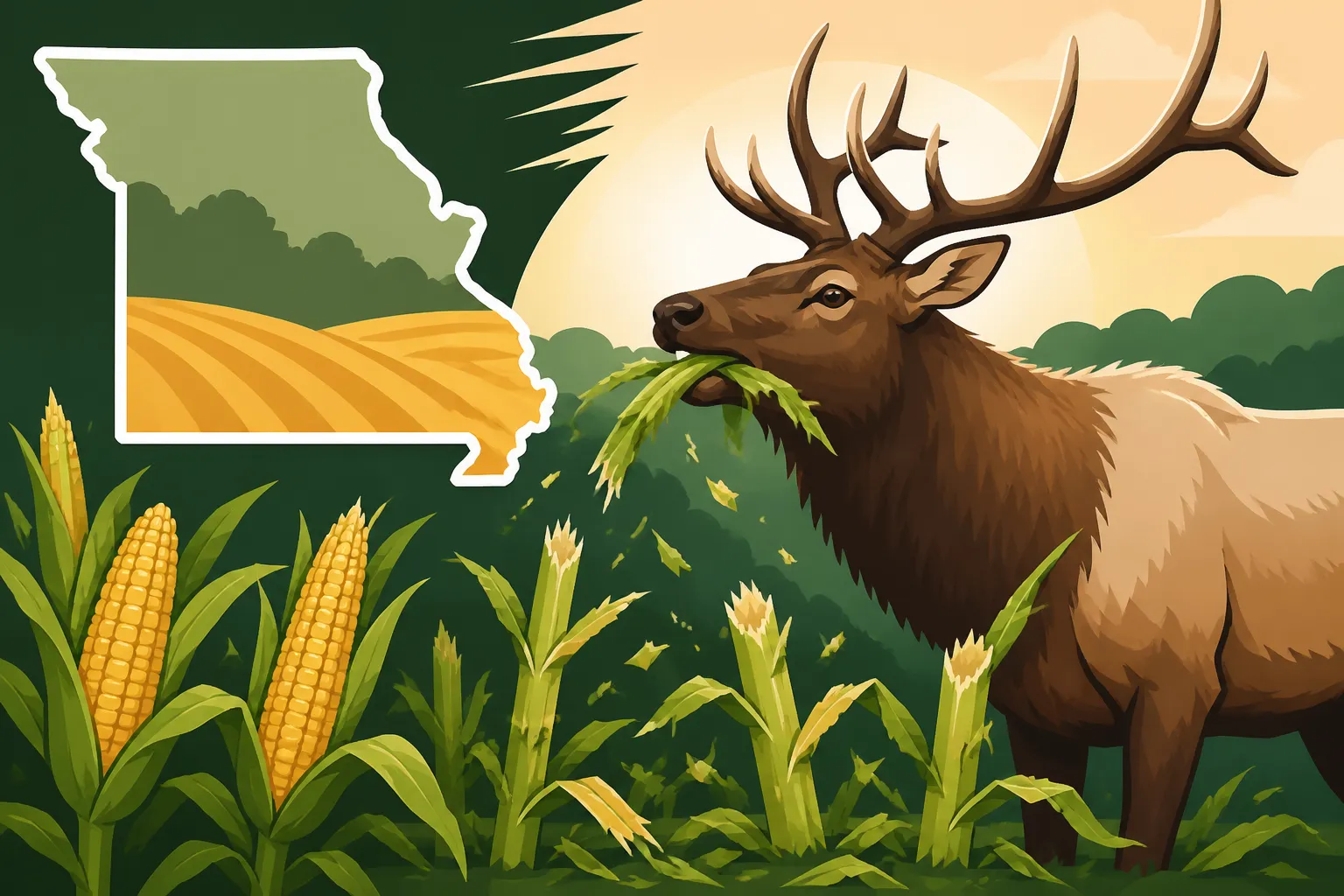
The reintroduction of elk to Missouri has been a monumental conservation success, but with any thriving wildlife population, there can be growing pains, especially for landowners sharing their property with these majestic animals. One of the most significant challenges that can arise is crop damage, which can hit farmers and land managers hard. This guide aims to thoroughly explain the issue of elk crop damage in Missouri, from understanding its causes and characteristics to exploring various mitigation strategies available to those impacted.
The Return of Missouri Elk and Emerging Conflicts
Missouri's elk herd is a testament to dedicated conservation efforts, bringing a large, charismatic ungulate back to the Ozarks. However, as the population expands and disperses, encounters between elk and agricultural operations become more frequent, sometimes leading to costly damage.
A Success Story with Growing Pains
The story of elk in Missouri is one of perseverance. After being extirpated from the state for over a century, the Missouri Department of Conservation (MDC) embarked on a reintroduction program, bringing elk from Kentucky to the Peck Ranch Conservation Area in southeastern Missouri. This initiative, starting over a decade ago, aimed to establish a self-sustaining population, and it has undeniably succeeded. The herd has grown steadily, and while this is fantastic news for wildlife enthusiasts and hunters, it also means more elk are venturing beyond the core restoration zone and onto private lands.
These animals, naturally, seek out the best forage, and often that means looking beyond the dense timber of the Missouri Ozark Public Land Worth Walking and finding lush agricultural fields. What seems like a minor snack to an elk can be a significant loss for a farmer. The MDC works closely with landowners, but understanding the dynamics and available solutions is critical for anyone in the elk range.
The Landscape of Elk Range in Missouri
Currently, Missouri's primary elk zone encompasses parts of Shannon, Carter, Reynolds, and a portion of Wayne County. However, as the herd expands and individual animals disperse, sightings and even established groups can occur outside these core areas. This expansion brings new challenges as elk encounter active farms, pastures, and timber operations. When you consider How Many Elk Missouri Has and the growth rate, it's clear that this interaction isn't going away.
For landowners in these regions, understanding the habits and movements of elk is crucial. Tools like advanced mapping software or platforms like GoHunt can provide valuable insights into landscape features, food sources, and travel corridors that elk might use, even if the primary focus of such tools is often hunting. This knowledge can empower landowners to anticipate potential conflict areas and implement preventative measures before significant damage occurs. The MDC also closely monitors Where Missouri Elk Range Today and provides updates on their movements and population distribution, which is a vital resource for local communities.
Understanding the Nature of Elk Damage
When elk interact with agricultural operations, the damage they inflict can be substantial and, at times, more severe than that caused by smaller game animals like deer. It's important for landowners to recognize the specific patterns of elk damage to address the issue effectively.
How Elk Impact Agricultural Fields
Elk are large, powerful animals, and their foraging habits can be devastating to crops. Unlike deer, which tend to browse selectively and leave smaller, more precise bites, elk can consume large quantities of forage in a short period. Their sheer body weight, often exceeding 600 pounds for a mature bull, also means significant trampling damage, especially in wet conditions.
Common forms of elk damage include:
- Grazing: Elk love lush green forage, making hayfields, pastures, and young crops like corn and soybeans prime targets. They can quickly decimate an entire section of a field.
- Trampling: Their heavy hooves compact soil and flatten plants, rendering them unusable or severely reducing yield, even if they aren't directly eaten. This is particularly problematic in row crops or newly planted fields.
- Wallowing: Elk often create wallows – muddy depressions where they roll to coat themselves in mud, likely to help with insect control or temperature regulation. These wallows can destroy several square yards of pasture or crops and can also introduce disease or parasites to livestock.
- Fence Damage: Being large and powerful, elk can break through fences, whether by pushing them down, jumping over them, or getting tangled. This not only allows them access to crops but also compromises the integrity of enclosures for livestock.
This type of damage is often more extensive than that caused by deer, which are generally lighter and less destructive to fences. While a group of deer can certainly do damage, a herd of elk can lay waste to a field much more quickly.
Distinguishing Elk Damage from Other Wildlife
It's one thing to see damage in a field, but another to confidently attribute it to elk. Knowing the specific signs can help landowners accurately assess the problem and seek appropriate solutions.
Here's how to distinguish elk damage:
- Tracks: Elk tracks are considerably larger than deer tracks, typically measuring 4-5 inches long, and are more rounded. Deer tracks are usually 2-3 inches and more heart-shaped. Look for distinct cloven hooves with a blunt, wide appearance.
- Droppings: Elk droppings are larger than deer pellets, usually cylindrical and about an inch or more in length. They are typically found in piles or scattered, depending on their diet.
- Browse Height: Elk are much taller than deer. They will browse vegetation at a higher level than deer typically can reach. If you see branches or crops eaten cleanly at 4-6 feet off the ground, it's a strong indicator of elk activity. Deer typically browse below 4 feet.
- Rubbing: Male elk (bulls) will rub their antlers on trees, leaving larger, more extensive rub marks than deer. These rubs can damage young trees in orchards or timber stands.
- Size of Damage: Whole sections of fields flattened or eaten, particularly large areas of flattened grass from wallows, are more indicative of elk.
If you're unsure, gathering photographic evidence and consulting with MDC staff can help confirm the culprit. Understanding game movements, especially if you use mapping resources like those found on GoHunt, can also help you predict which areas might be prone to damage based on known elk travel patterns.
| Feature | White-tailed Deer Damage | Elk Damage |
|---|---|---|
| Animal Size | Smaller (100-300 lbs), more agile | Much larger (400-900 lbs), powerful |
| Primary Damage | Selective browsing, nibbling, small rubs, some trampling | Extensive grazing, heavy trampling, large rubs, wallowing, fence destruction |
| Tracks | 2-3 inches long, heart-shaped, pointed | 4-5 inches long, rounded, blunt |
| Droppings | Smaller pellets, often in clumps or scattered | Larger, cylindrical pellets (1+ inch), in piles or scattered |
| Browse Height | Typically up to 4 feet | Up to 6-7 feet or higher |
| Fence Impact | May jump over fences, rarely break strong ones | Can easily push through, jump over, or break fences |
| Crop Preference | Broadleaf plants, young trees, soybeans, corn | Hay, pasture, corn, soybeans, broadleaf plants, young trees |
| Field Impact | Grazing often localized, distinct browse lines | Large areas flattened, extensive grazing, wallows evident |
Strategies for Mitigating Elk Crop Damage
Addressing elk crop damage often requires a multi-faceted approach, combining prevention, deterrence, and working with wildlife management agencies. There's no single magic bullet, but a combination of methods can significantly reduce losses.
Non-Lethal Deterrents and Exclusion
The first line of defense often involves preventing elk from accessing your fields in the first place, or making the area less appealing.
- Fencing: This is arguably the most effective, albeit often the most expensive, solution.
- Permanent Fencing: A robust, woven wire or high-tensile electric fence can be highly effective. Elk can jump, so fences often need to be 8 feet tall. Multi-strand electric fences (7-9 strands) can also be effective if properly maintained and charged. The initial investment is significant, but for high-value crops or chronic problem areas, it might be worthwhile.
- Temporary Fencing: For seasonal crops, portable electric fencing can be a cost-effective option. These are easier to install and remove but require consistent monitoring to ensure they remain charged and intact.
- Repellents: While effective for deer in some cases, repellents are generally less successful with large, persistent animals like elk. Scent-based or taste-based repellents may offer short-term relief but often need frequent reapplication and lose effectiveness over time, especially with changing weather conditions. Their cost-benefit for elk can be questionable.
- Hazing and Harassment: Making an area uncomfortable for elk can sometimes deter them. This can involve:
- Noise Makers: Propane cannons, air horns, or other loud noises can scare elk away, but they can quickly habituate to these sounds if not varied.
- Visual Deterrents: Flags, Mylar streamers, or even predator effigies might work temporarily, but like noise, elk learn quickly.
- Active Hazing: Regularly driving elk out of fields using vehicles or dogs (where allowed and safe) can teach them to avoid certain areas. This requires consistent effort.
The key with deterrents is variety and consistency. Elk are intelligent animals and can learn to ignore predictable deterrents. Changing tactics and intensity can help keep them guessing.
Habitat Management and Diversionary Tactics
Instead of fighting elk off your fields, another approach is to give them what they want elsewhere, diverting their attention from your valuable crops.
- Sacrificial Crops: Planting small plots of highly palatable crops, such as clover, alfalfa, or oats, specifically for elk in areas away from your main agricultural fields can draw them in. This strategy works best if these plots are located near natural cover or travel corridors. The idea is to give them an easier, more appealing meal that isn't your cash crop.
- Creating Alternative Forage Areas: On properties with extensive timber or pasture, enhancing natural forage can also reduce pressure on crops. This might involve selective thinning to promote understory growth, planting native browse species, or managing existing forest openings. Think about the overall habitat quality on your land and how you can make non-crop areas more attractive to elk.
- Water Sources: Ensuring access to water in non-crop areas, especially during dry periods, can also keep elk away from seeking moisture in fields.
These tactics require planning and investment, but they can provide a more harmonious long-term solution by integrating wildlife needs into the land management plan. Understanding the ecology and needs of White-Tailed Deer Across Missouri and elk can help tailor these strategies effectively.
Official Programs and Landowner Options
Missouri's elk herd is managed by the MDC, which recognizes the potential for conflicts. They often have programs and personnel dedicated to assisting landowners.
- MDC Assistance: If you're experiencing damage, contacting the MDC is a crucial step. They may offer technical advice, provide materials for certain deterrents, or work directly with you to assess the situation. They track Elk Crop Damage in Missouri and use this data to inform their management decisions.
- Landowner Permits: The MDC may issue specialized permits to landowners experiencing significant, persistent damage, allowing for the lethal removal of problem animals outside of regular hunting seasons. This is typically a last resort, after all other mitigation efforts have failed, and is managed very carefully to protect the growing elk herd. These permits are distinct from the annual Missouri Landowner Elk Permits allocated through the lottery system, which are part of a broader harvest strategy rather than direct damage control.
- Hunting Opportunities: As the elk population grows, managed hunting seasons become a vital tool for population control and distribution. While permits are very limited, hunting helps manage the herd size and can condition elk to be warier of human presence, potentially reducing bold foraging in fields. Knowing the Missouri Elk Hunting Counties can help understand regional pressures. For landowners seeking to learn more about drawing these permits, resources like GoHunt often offer detailed analytics and application strategies for states with limited draws.
Reporting Damage and Working with Wildlife Agencies
Effective management of elk damage relies heavily on good communication and cooperation between landowners and the Missouri Department of Conservation. Documenting damage and understanding the reporting process are key.
The Importance of Documenting Damage
When you discover crop damage, your first step should be thorough documentation. This isn't just for official reports; it helps you understand the extent and nature of the problem yourself.
- Photos and Videos: Take clear, dated photographs and videos of the damage. Include wide shots showing the overall impact on the field, as well as close-ups of specific plant damage, tracks, droppings, and any broken fences. If you can, place an object (like a ruler or a familiar item) for scale.
- Damage Estimates: Try to estimate the area affected and the potential yield loss. This can be challenging, but even a rough estimate helps convey the severity.
- Date and Time: Note when you first observed the damage and, if possible, any patterns of elk presence (e.g., "elk seen in field at dusk three nights this week").
- Keep a Log: A simple notebook detailing incidents, dates, observations, and any mitigation attempts can be invaluable when discussing the issue with MDC staff.
This detailed documentation strengthens your case when seeking assistance and helps MDC biologists understand the specific challenges on your property. It’s also important if you are trying to understand patterns of elk movement, which can be scouted using advanced mapping features found on platforms like GoHunt that help visualize terrain, cover, and water sources.
Navigating Official Channels
Once you have documented the damage, contacting the Missouri Department of Conservation is the next crucial step.
- Contact Your Local MDC Biologist or Conservation Agent: These individuals are your primary point of contact. They are knowledgeable about local wildlife populations and can provide guidance specific to your situation. You can find their contact information through the MDC website or by calling a regional office.
- The Assessment Process: MDC staff will likely visit your property to verify the damage, assess its extent, and confirm that elk are indeed the cause. They will review your documentation and discuss potential solutions.
- Collaborative Solutions: The MDC aims to work with landowners to find mutually beneficial solutions. This might involve providing advice on deterrents, discussing options for landowner permits, or exploring habitat modifications. It's a partnership, and your input as the landowner is vital. They understand the complexities of managing a reintroduced species like elk, balancing conservation goals with the needs of the agricultural community. This kind of collaboration is essential for the long-term success of both the elk herd and the rural economies of areas like the Missouri Ozarks.
Remember, early communication and clear documentation are key to a successful outcome when dealing with elk crop damage.
Disclaimer
This article is for general informational purposes only and does not constitute professional advice. Laws, prices and regulations vary by location and change over time. Consult a qualified professional for guidance on your specific situation.