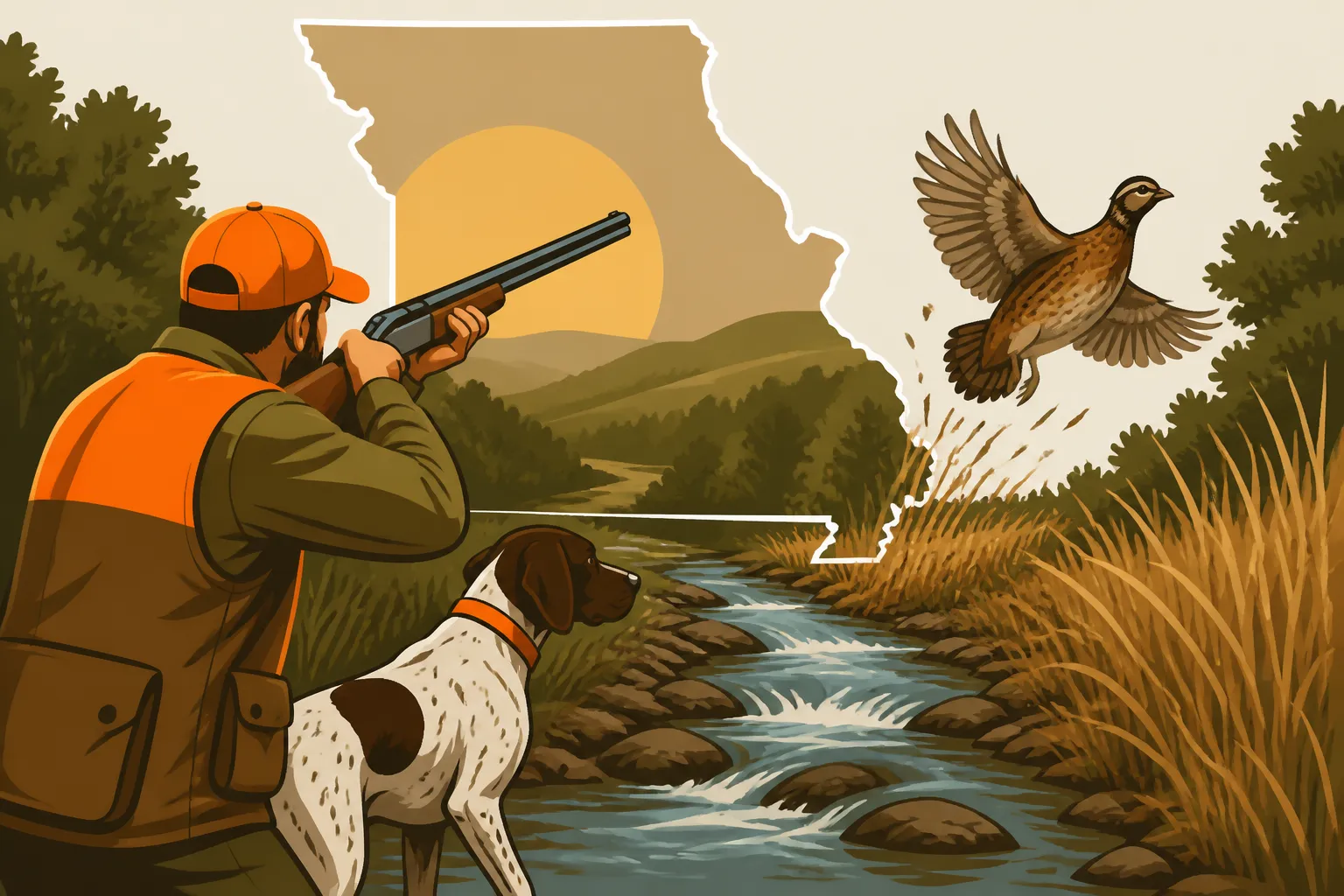
Jump Shooting Small Creeks
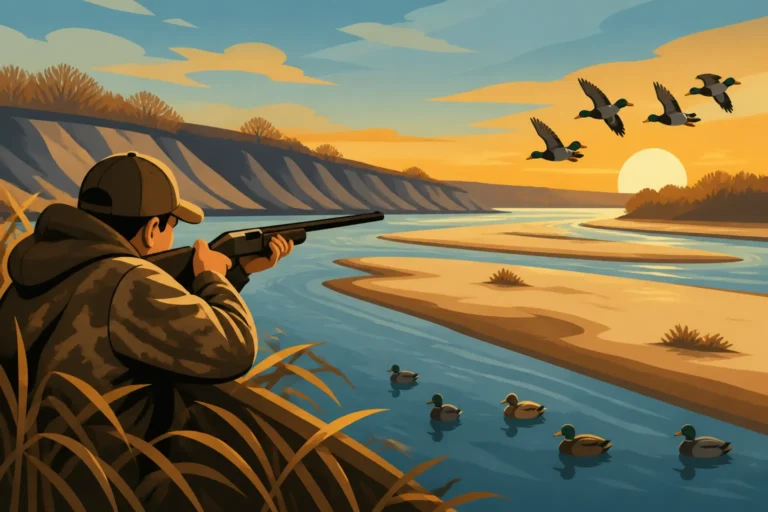
It’s easy to feel disheartened when you hear about all the incredible duck hunting opportunities across Missouri—the big impoundments, the managed wetlands, the legendary flooded timber. For many hunters, getting a spot on those prime locations feels impossible, either due to exclusive private leases or the sheer competition on public land. But what if I told you there’s a whole other world of waterfowl hunting right under your nose, often overlooked and under-pressured? Jump shooting small creeks in Missouri is an incredibly rewarding, albeit challenging, way to fill your strap, offering solitude and a genuine hunting experience far removed from the crowds. This guide is your key to unlocking those hidden opportunities, showing you how to scout, gear up, and effectively hunt these intimate waterways.
The Appeal and Reality of Jump Shooting Small Creeks
For generations, duck hunters have focused on the major waterways and large bodies of water. And for good reason—ducks congregate there in large numbers. But the truth is, not everyone has access to a grand wetland or can afford a timber lease. That’s where small creeks come into their own, providing a fantastic alternative for those willing to put in the legwork and embrace a more active hunting style.
Why Small Creeks are Overlooked Goldmines
Let's be honest, the thought of trying to compete for a spot on a well-known conservation area can be exhausting. You're up at 3 AM, driving for hours, only to draw a bad number or find your preferred spot already taken. Small creeks, on the other hand, offer a refreshing escape from the hustle and bustle. They often run through remote areas, both public and private, providing a level of solitude that's increasingly rare in today's hunting world. You might not see thousands of ducks, but the ducks you do encounter are often less pressured and more catchable.
Ducks, especially dabblers like mallards and wood ducks, utilize these smaller waterways for a variety of reasons. They're seeking refuge from high-pressure areas, looking for secluded spots to loaf, or actively feeding on the abundant submerged vegetation, seeds, and aquatic invertebrates found in these shallow ecosystems. During bitter cold snaps, when larger lakes and rivers begin to freeze over, these smaller, often spring-fed creeks can remain open, becoming vital havens for ducks seeking open water and food. Many of these creeks also act as crucial travel corridors, connecting larger bodies of water or agricultural fields, making them key highways for migrating birds. You'd be surprised how many ducks use these narrow routes.
The accessibility factor is another huge draw. While major rivers like the Missouri and Mississippi offer certain public hunting opportunities that you can learn more about by reading about Hunting Missouri River Sandbars for Ducks, many smaller creeks, particularly those that aren't deemed "navigable" by state law, wind through publicly accessible tracts of land managed by the Missouri Department of Conservation (MDC) or other entities. Exploring the Missouri Public Hunting Land in Missouri resources can reveal countless hidden gems. Even those creeks that crisscross private property often present opportunities for hunters who are willing to knock on a few doors and respectfully ask for permission. Landowners who might be hesitant to allow deer hunting might be more agreeable to allowing duck hunting on a small, out-of-the-way creek, especially if you promise to be respectful and clean.
Understanding the Challenges of Creek Hunting
Now, let's be realistic. Jump shooting small creeks isn't always easy. It's a completely different animal than sitting in a blind over a spread of decoys. This style of hunting demands a high level of physical fitness, stealth, and quick reflexes. You’ll be walking, often wading, for extended periods, frequently through thick brush and uneven terrain. Unlike waiting for ducks to come to you, you are actively seeking them out, and that requires constant vigilance and preparedness for an unexpected flush.
One of the biggest variables, and arguably the most challenging, is water level. Small creeks are incredibly sensitive to rainfall and drought. Too little rain, and the creek might become a mere trickle, too shallow to hold ducks or even to navigate by foot. Too much rain, and you're dealing with a raging torrent, strong currents, and ducks dispersed into newly flooded areas, making them impossible to find. Keeping an eye on local stream gauges and understanding how different rainfall amounts affect specific creeks is crucial. This is similar to the challenges faced when Checking Water Levels on a Wetland, but on a much more localized and dynamic scale.
The terrain itself can also be a significant obstacle. Banks can be steep, eroded, and slick with mud or ice. You'll often be pushing through dense thickets of willow, multiflora rose, or briars, which can make a quiet approach incredibly difficult. Getting a clear shot can be tricky, as ducks might flush in unexpected directions or only offer a brief window of opportunity between tree branches. And once a bird is down, recovery can be a real headache. A strong current can quickly carry a bird downstream, or it might fall into impenetrable cover on the opposite bank. This is where investing in quality gear, like the right kind of Waders for Missouri Flooded Timber or sturdy, waterproof boots, becomes less of a luxury and more of a necessity.
Scouting and Identifying Prime Creek Sections
Success in jump shooting often boils down to diligent scouting. You can't just pick any random creek and expect to find ducks. You need to know where the birds are likely to be, how to approach those spots, and what conditions make a particular creek segment attractive to waterfowl.
Reading the Water and the Landscape
When you're looking at a creek, you need to think like a duck. What makes one section more appealing than another? Ducks generally prefer calm, protected water where they can rest and feed without expending too much energy fighting a current. Look for those slow-moving sections, natural oxbows, and secluded backwaters that are off the main flow. Areas with plenty of emergent vegetation—like smartweed, sedges, or even cattails—provide both food and cover, making them prime duck hangouts.
Also, pay close attention to the bends in the creek and any natural pinch points. These features often funnel ducks into predictable areas. Overhead cover, such as low-hanging willow branches, brush, or even mature trees along the bank, provides shelter from predators and the elements, making these spots irresistible to loafing birds. These are the places where you can often surprise a group of ducks. Thinking about how deer use topographical features, as discussed in Reading an Ozark Hollow for Deer Movement, can give you a similar mindset for how ducks utilize creek features for movement and security.
Finally, always be on the lookout for food sources. Dabbling ducks will actively feed on submerged aquatic plants, seeds that have fallen from bankside vegetation (like acorns from oaks), and grains from nearby agricultural fields. Exposed mud flats can be excellent feeding grounds, especially for pintails and teal. If you see signs of abundant food, you've likely found a promising stretch of water.
Utilizing Technology for Pre-Season Intel
In this day and age, technology is your best friend for initial scouting. Before you even set foot near a creek, fire up your aerial mapping apps like Google Earth, onX Hunt, or a subscription service like GoHunt. These tools are invaluable for identifying potential access points, tracing property lines, and visualizing water features. You can quickly spot bends, oxbows, and areas with dense vegetation that might hold birds. GoHunt, for example, offers detailed satellite imagery and property owner information, which can save you a tremendous amount of time and ensure you're not inadvertently trespassing.
Don't just look at current satellite images; utilize historical imagery if available. This can show you how water levels fluctuate throughout the year, reveal areas that consistently hold water even during dry spells, or highlight changes in vegetation over time. A creek that looks dry in a summer satellite photo might be a robust duck highway in the late fall or winter. The Missouri Conservation Atlas is another powerful resource, providing detailed maps of MDC-managed public lands, many of which contain excellent creek hunting opportunities. You can often download specific area maps directly from the MDC website.
Beyond visual maps, always check real-time water flow data. The U.S. Geological Survey (USGS) operates stream gauges across Missouri, providing current and historical water levels for many rivers and larger creeks. While smaller creeks might not have their own gauges, observing trends on nearby larger waterways can give you a good indication of general conditions. This is absolutely crucial for planning your hunt, as both too high and too low water can make a creek unfishable for ducks. Services like GoHunt often integrate weather and flow data directly into their platform, making it even easier to monitor conditions.
On-the-Ground Reconnaissance
As helpful as technology is, nothing beats putting boots on the ground. A pre-season walk (or even a walk a few days before your planned hunt) is invaluable. Do this quietly and discreetly, ideally in the early morning or late evening when ducks are most active. This allows you to observe actual duck activity, identify their preferred loafing and feeding spots, and confirm the choke points you saw on your map. You’ll also be able to pinpoint safe entry and exit points, which can be surprisingly difficult in thick creek bottoms.
While you're out there, look for fresh duck sign: droppings along the bank, feathers caught on brush, distinct tracks in the mud, or disturbed vegetation where ducks have been feeding. This tells you that birds are actively using that section of the creek. Don't be afraid to walk an extra mile or two; sometimes the best spots are the ones farthest from any easy access point, simply because they see less human pressure.
Finally, use these scouting trips to assess the cover and terrain for your actual hunt. Where can you hide effectively as you approach a bend? Are there any unexpected obstacles, like fallen trees or deep holes, that could impede your progress or make bird recovery difficult? How will you get to a downed bird quickly and safely? Thinking through these logistics beforehand, especially on public ground, can save you a lot of grief and ensure a more successful and safer hunt.
Essential Gear and Tactics for Success
Jump shooting small creeks is a dynamic form of hunting that requires specific gear and a strategic approach. It's not about volume shooting; it's about making the most of every opportunity.
Stealth and Approach
When jump shooting, stealth is absolutely paramount. You are essentially stalking your prey, and any sudden movement, loud noise, or even an exposed outline can send ducks rocketing out of range. Move slowly, deliberately, and above all, quietly. Keep your body low, utilizing natural cover like brush, tall grasses, and the bank itself to conceal your approach. Ducking behind a tree or a thicket of willows as you round a bend can make all the difference.
Always try to walk upstream. Ducks generally face into the current, which means their heads are oriented upstream. Approaching from downstream makes it far less likely for them to see you coming, giving you a crucial advantage in getting within shooting range before they flush. If the wind allows, try to move against it as well, minimizing the spread of your scent and muffling any sounds you might make.
Anticipation is key. Every bend in the creek, every log jam, every patch of thick overhead cover could be hiding ducks. Keep your shotgun ready, safety on, but mounted and pointed in a safe direction. The moment you spot a duck or hear wings, you'll need to react instantly. Often, the best tactic is to slowly peek around a bend, using just your eyes to scan the water ahead before exposing your body. Take your time. A rushed approach often results in a missed opportunity as ducks flush just out of range. If you spot birds far off, pause, assess, and then try to use the terrain to close the distance.
Weapon and Ammunition Choices
For jump shooting small creeks, a reliable shotgun is, of course, your primary tool. While a 12-gauge is the standard workhorse for most waterfowl hunting, a lighter 20-gauge can also be an excellent choice, especially if you anticipate a lot of walking and quick, close-range shots in tight cover. The lighter weight and quicker handling of a 20-gauge can be a real advantage when maneuvering through dense brush. Barrel length is also something to consider; a shorter barrel (26 inches or less) is typically easier to swing and navigate through thickets without getting hung up.
When it comes to ammunition, non-toxic shot is a legal requirement for all waterfowl hunting in Missouri, regardless of whether you're on a managed wetland or a small creek. Steel shot is the most common and economical choice, and it performs perfectly fine for the relatively close-range shots typical of jump shooting. However, if you're looking for an edge, bismuth or tungsten-iron blends offer superior performance due to their higher density, meaning more energy and better penetration on birds, though they come at a higher cost. For ducks, common shot sizes range from #2 to #4 steel, or #4 to #6 bismuth/tungsten. Make sure you're familiar with Nontoxic Shot Rules on Missouri Wetlands as these rules apply across the state.
Choke selection is also important for the type of shooting you'll be doing. Since most jump shooting encounters involve ducks flushing at close to medium range (think 15-35 yards), an Improved Cylinder or Modified choke is usually ideal. These chokes provide a wider pattern that's more forgiving on fast-flushing birds, increasing your chances of a clean hit. A Full choke, while great for longer shots over decoys, can be too tight for the quick, close-quarters action of creek hunting.
The Importance of Retriever or Quick Recovery
There’s nothing more frustrating, or more unethical, than wounding a duck and being unable to recover it. In the challenging environment of a small creek, recovery can be incredibly difficult. Ducks often fall into thick, impenetrable brush along the banks, or they might get caught in a strong current and be swept downstream rapidly. This is where a well-trained retriever truly shines; a good dog is arguably the single most important piece of gear for jump shooting. They can navigate difficult terrain, swim through current, and locate birds that would be otherwise lost, ensuring an ethical hunt and minimizing wasted game.
If you don't hunt with a dog, you need a plan for quick recovery. A long retrieving stick or a grappling hook can be useful for reaching birds that fall into the water or thick vegetation. The moment a bird drops, mark its location precisely with a visual reference point on the opposite bank (like a specific tree or rock). Then, move quickly and safely to the downed bird. This is especially critical in colder weather, as a bird can stiffen up and become harder to find, or be carried away by the current.
Always assume you might need to wade across the creek at some point to retrieve a bird. This means that quality waders are an absolute non-negotiable. Whether you opt for neoprene for warmth in colder weather or breathable waders for more mobility and comfort on warmer days, make sure they are durable and properly fitted. Advice on Waders for Missouri Flooded Timber is equally applicable here, as you'll be dealing with similar water conditions and obstacles. Don’t skimp on your waders; a leak can quickly turn a fun hunt into a miserable, and potentially dangerous, experience.
Safety, Regulations, and Ethical Considerations
Like all hunting, jump shooting small creeks comes with responsibilities. Understanding and adhering to safety protocols, Missouri hunting regulations, and ethical practices is paramount.
Water Safety and Awareness
Small creeks, despite their size, can present significant hazards. The current, especially after recent rainfall, can be surprisingly strong and swift. Be acutely aware of submerged obstacles like fallen trees, rocks, and unexpected deep holes that can quickly lead to a stumble or a dunking. Banks can be treacherous, slick with mud, ice, or loose rock. Always test your footing and never take unnecessary risks, especially if you're hunting alone.
Dressing appropriately for the water is crucial. If you slip and fall into cold creek water, hypothermia can set in rapidly. Layer your clothing, ensuring you have a waterproof outer shell, and consider carrying a dry bag with an extra set of clothes, a fire starter, and some emergency food. While not always comfortable for active walking, wearing a personal flotation device (PFD) is never a bad idea, particularly if you're in unfamiliar territory or dealing with swift currents.
Before you head out, always tell someone your exact hunting plan. Let a friend or family member know where you're going, the specific creek you'll be on, and when you expect to return. Cell phone service can be notoriously spotty in many Missouri creek bottoms and rural areas, so don't rely on it for communication in an emergency. Being prepared for the unexpected is a hallmark of responsible hunting.
Navigating Property Lines and Access
This is perhaps the most critical aspect of hunting small creeks in Missouri. Many smaller creeks meander through a patchwork of private land. You must know exactly where you are at all times and respect private property boundaries. Apps like GoHunt and onX Hunt are indispensable here, providing detailed public/private land overlays that show you precisely where property lines lie. Without these tools, you're essentially guessing, and guessing can quickly lead to trespassing charges. Missouri's Missouri Trespass and Permission Law is clear and strictly enforced.
If a creek runs through private land, you absolutely must obtain explicit permission from the landowner before you even consider stepping onto their property. A polite knock on the door, a friendly conversation, and demonstrating respect for their land and livestock can often open up fantastic hunting opportunities. Offer to share some of your game, clean up any trash, or even help with a small chore. Building a good relationship with a landowner can secure hunting access for years to come.
It's also important to understand the concept of navigable versus non-navigable waters. While major rivers like the Missouri and Mississippi are generally considered public access for navigation (and by extension, hunting from a boat or wading within the normal high-water mark), most smaller creeks in Missouri are not legally considered navigable by the public. This means that if the streambed or banks are privately owned, you do not have an inherent right to wade or float through, even if you could access it from a public bridge. Always err on the side of caution: assume a creek is private unless you have explicit permission or have confirmed it is on public hunting land, such as those found on Missouri Conservation Areas Explained.
Ethical Shooting and Recovery
As with all hunting, ethical conduct is paramount. Only take shots at ducks that are within your effective range, where you can confidently make a clean kill. In the tight quarters of a creek, this often means very close-range shots. A wounded bird that falls into a swift current or dense cover is often a lost bird, which is both unethical and a waste of the resource. Know your limits and practice your swinging and quick shooting before the season.
Always adhere to the legal bag limits. Know the Missouri Duck Daily Bag Limit for each species and the overall aggregate limit. Respecting these limits ensures the sustainability of the waterfowl population for future generations. Additionally, be sure you're hunting within the designated Missouri Duck Season Dates by Zone for your specific area.
Finally, proper identification of your target is critical. While jump shooting, ducks can burst out of cover quickly, sometimes making identification challenging. Take an extra second to confirm it's a legal species and within your bag limit. After harvest, remember to telecheck any migratory birds as required by the Missouri Department of Conservation. This data is vital for wildlife management.
Comparing Creek Characteristics for Jump Shooting
Not all creeks are created equal for jump shooting. Understanding the characteristics of different creek types can help you target your efforts more effectively.
| Creek Feature | Best For | Considerations |
|---|---|---|
| Wide, Slow Bends | Dabbling ducks (Mallards, Wood Ducks, Teal) | Excellent loafing and feeding areas due to reduced current. Often hold more ducks. Approach very slowly and use all available bank cover. Ducks often flush from the inside corner of the bend. |
| Narrow, Brushy Channels | Wood Ducks, Green-winged Teal, Buffleheads | These are often overlooked but can be goldmines for wood ducks seeking tight, secluded cover. Shots are often close and quick. Requires precision and quick reflexes. Can be physically challenging to navigate due to dense vegetation. |
| Oxbows/Backwaters | All dabblers, occasional divers | Secluded, still-water areas off the main current. Prime for loafing and resting. May require more wading or bushwhacking to access, but often hold less-pressured birds. Pay attention to overhead cover and vegetation density. This is similar to Hunting Sloughs Late in the Season. |
| Rock-Bottom/Clear Water | Less ideal for typical dabblers, more for divers/mergansers | Ducks can see you much easier in clear water. Requires extreme stealth and often longer approaches. Dabblers might be less common here unless there's abundant aquatic vegetation for food. Might be better for less wary diving ducks or common mergansers. |
| Muddy Bottom/Heavy Vegetation | Ideal for dabblers, especially Mallards, Teal | Excellent food source in muddy bottoms. Heavy vegetation provides superb cover for both ducks and hunters, making a stealthy approach easier. Can be physically demanding to walk through deep mud and dense plant growth, and bird recovery can be difficult without a dog. |
| Timber-Lined Banks | Wood Ducks, Mallards | If the creek banks are lined with mature timber, especially oaks that drop acorns, this can be a huge draw for ducks. The overhanging branches provide canopy cover and often create shaded, calm spots. This can be a mini version of Missouri Flooded Timber Duck Tactics on a much smaller scale. |
Disclaimer
Hunting is an inherently risky activity. The information provided in this guide is for informational purposes only and should not be taken as a substitute for professional instruction, adherence to all applicable laws and regulations, or sound personal judgment. Always prioritize safety, respect wildlife and property, and be aware of your surroundings. Before participating in any hunting activity, ensure you possess the necessary permits, licenses, and have completed all required hunter education courses. Always consult the most current Missouri Department of Conservation regulations for up-to-date information on seasons, limits, and legal requirements.