EHD Outbreaks in Missouri Deer
It's absolutely heartbreaking to stumble upon a dead deer in the woods, especially when you weren't expecting it. Your mind races – was it a car? A hunter? Or something worse? Many Missouri deer hunters have faced the grim reality of Epizootic Hemorrhagic Disease (EHD), a viral illness that can devastate local deer populations, leaving behind a trail of unanswered questions and profound concern. This guide will walk you through what EHD is, how to identify it, its impact on our beloved Missouri whitetails, and what you, as a hunter, can do when an outbreak occurs.
Understanding Epizootic Hemorrhagic Disease
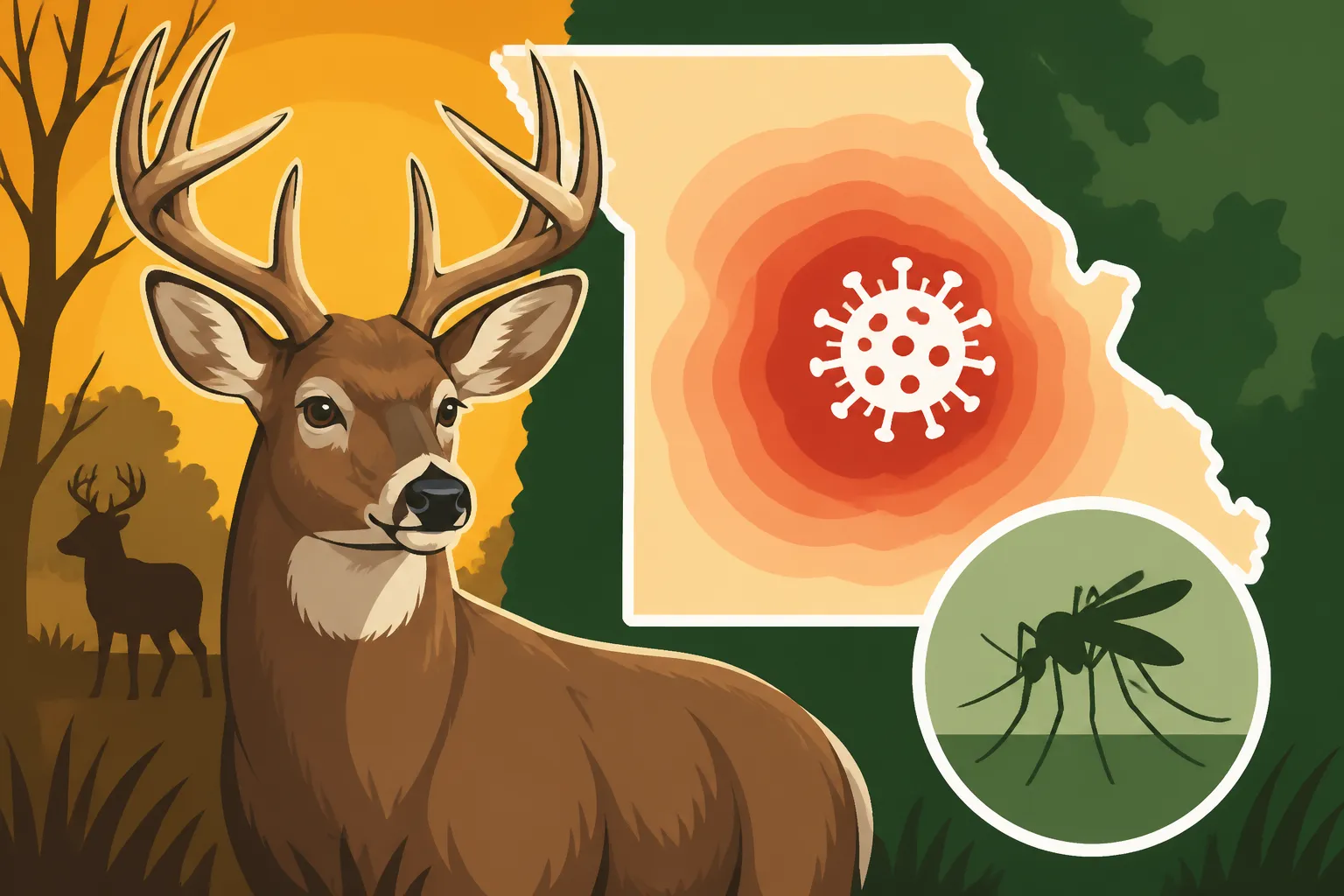
EHD, often simply called "blue tongue" by many hunters, is a nasty viral disease that primarily affects white-tailed deer. It’s caused by a virus transmitted by biting midges, those tiny, almost invisible insects often referred to as "no-see-ums" or "gnats." It’s not something deer can give to each other directly, nor is it contagious to humans. However, its impact on deer can be severe and rapid, often leaving a significant mark on a local herd.
The Culprit: Midges and the EHD Virus
The EHD virus itself is a member of the Orbivirus genus, and while there are different serotypes, they all generally cause similar symptoms in deer. The critical link in the chain is the biting midge, specifically from the Culicoides genus. These aren't your typical mosquitoes; they're much smaller, but their bite carries the punch. When a midge bites an infected deer, it picks up the virus. Then, when that same midge bites another deer, it can transmit the virus, spreading the disease through the local population.
It's a cyclical process, and the conditions have to be just right for a significant outbreak. The midges thrive in warm, wet conditions that lead to stagnant water sources, like drying streambeds, mud flats, and shallow ponds. This is why EHD outbreaks often coincide with late summer and early fall, particularly during periods of drought followed by rain that creates ideal midge breeding habitat. A place that was once a flowing creek might dry down to a series of isolated, muddy pools, becoming a perfect nursery for these disease-carrying insects.
When EHD Strikes: Seasonal Patterns
EHD outbreaks in Missouri typically follow a distinct seasonal pattern. We usually start to see the first cases reported in late summer, often July or August, and the disease continues to run its course through September and into October. This timing aligns perfectly with when midge populations are at their peak and when water sources might be stressed due to summer heat, creating those ideal breeding grounds.
As the first hard frosts of the fall arrive, usually in late October or November, the midge populations quickly die off. This is the natural stopping point for an EHD outbreak. The transmission cycle breaks, and new infections cease. While the disease might rage for a few intense weeks, the onset of cold weather usually signals the end of its active spread for the year. This annual cycle means that even if a herd is hit hard, the population has a chance to begin recovery once winter settles in. Hunters will often notice the most severe impacts during the early archery season or even into the early firearms portions, which can be incredibly disheartening.
Recognizing EHD in Missouri Deer
Identifying EHD can be crucial for hunters, not just for understanding herd health, but also for distinguishing it from other diseases like Chronic Wasting Disease (CWD). The signs of EHD can be quite dramatic, and unfortunately, often lead to the death of the infected animal.
Visible Symptoms of Infected Deer
When a deer contracts EHD, the virus causes damage to its blood vessels, leading to hemorrhages, swelling, and internal bleeding. The most common symptoms you might observe include:
- Fever: Infected deer develop a high fever, which drives them to seek out water. This is why you often find EHD-killed deer near streams, ponds, or even cattle tanks.
- Swelling: You might see swelling of the head, neck, tongue, and eyelids. The tongue can sometimes appear bluish or purplish, giving rise to the "blue tongue" nickname.
- Lameness: The deer can become very weak and lame, struggling to walk due to swollen joints and hooves. They might appear disoriented or lethargic.
- Hemorrhages: Internally, there will be widespread hemorrhaging, especially in the heart, lungs, and intestines. While you might not see this externally, it's the underlying cause of death.
- Mucosal lesions: Sometimes, lesions or ulcers can be found on the mouth, tongue, or rumen.
It's a tough sight, watching an animal suffer, and seeing these symptoms in the field tells you immediately something serious is happening within the herd. When Scouting Missouri Public Land Before Season, keep an eye out for any deer exhibiting these behaviors, or for carcasses near water.
Distinguishing EHD from Other Diseases
It’s easy to confuse EHD with other deer illnesses, especially CWD, but there are key differences that hunters need to understand. Chronic Wasting Disease in Missouri Deer is a much different threat, being a progressive, fatal neurological disease caused by prions.
EHD vs. CWD Comparison
| Feature | Epizootic Hemorrhagic Disease (EHD) | Chronic Wasting Disease (CWD) |
|---|---|---|
| Cause | Virus, transmitted by biting midges | Prion (abnormal protein), transmitted through bodily fluids |
| Onset | Acute (sudden), rapid progression | Chronic (slow), gradual progression over months/years |
| Seasonality | Late summer to early fall; stops with hard frost | Year-round; no seasonal pattern |
| Symptoms | High fever, swelling of head/neck/tongue, lameness, hemorrhages, seeking water, often found dead near water. | Weight loss (emaciation), drooling, stumbling, listlessness, altered behavior, excessive thirst/urination. |
| Transmission | Indirect, via midge bites | Direct (deer-to-deer) and indirect (environmental contamination) |
| Human Risk | No known risk to humans | Not definitively linked to human disease, but consumption of infected meat is discouraged. |
| Carcass Proximity | Often found near water sources due to fever | Can be found anywhere, no specific seeking of water due to fever |
| Population Impact | Can cause rapid, localized die-offs; herd recovers over time | Long-term, insidious population decline; always fatal once infected |
As you can see from the table, the distinctions are clear. CWD deer often appear emaciated and behave strangely over an extended period, while EHD deer show rapid, acute symptoms and are often found deceased near water. If you observe a deer exhibiting CWD-like symptoms, it’s imperative to Reporting a Sick Animal in Missouri to the Missouri Department of Conservation (MDC) immediately.
EHD Outbreaks in Missouri
Missouri is no stranger to EHD. Our climate, diverse landscapes, and agricultural practices often create conditions ripe for outbreaks, making it a recurring concern for deer hunters and wildlife managers alike.
Historical Perspective and Prevalence
EHD has been documented in Missouri for decades, with varying levels of severity year to year. Some years, it’s a minor blip, affecting only a handful of deer in isolated pockets. Other years, however, can see widespread outbreaks that dramatically reduce deer numbers in affected areas. For instance, the drought years of 2012 and 2018 were particularly rough, with significant EHD die-offs reported across many counties. During these severe outbreaks, it's not uncommon for hunters to find dozens of dead deer in a relatively small area, making you wonder what impact it will have on Missouri Deer Population Estimate and subsequent Missouri Annual Deer Harvest numbers.
The central and northern parts of the state, with their rolling farmlands and numerous ponds and creek bottoms, sometimes seem to be hit harder, but no region is immune. Even the rugged Ozarks can experience outbreaks when conditions are right, particularly in valleys where water sources might dry up to stagnant pools.
Environmental Factors Driving Outbreaks
Several environmental conditions converge to create the perfect storm for EHD outbreaks in Missouri:
- Drought Conditions: Prolonged periods of summer drought are a major precursor. As creeks and rivers recede, they leave behind shallow, stagnant pools and mudflats. These isolated pockets of water become prime breeding habitats for the biting midges. Deer, driven by thirst, also congregate more heavily around these dwindling water sources, increasing their exposure to the infected midges.
- Warm Temperatures: The midges thrive in warm weather. A hot summer ensures multiple generations of these insects, increasing their overall population and, consequently, the potential for disease transmission.
- Rainfall Patterns: While drought sets the stage, a sudden return of rain after a dry spell can exacerbate the problem. The rain fills the newly exposed mud flats, creating even more perfect midge breeding habitat, leading to an explosion in their numbers just as deer are still concentrated around these areas.
- Deer Density: Areas with higher deer densities can experience more rapid and widespread outbreaks. When there are more deer in a smaller area, the midges have an easier time finding new hosts, and the disease can spread more quickly through the population.
These interconnected factors make EHD a complex issue. Hunters who regularly use tools like GoHunt to track local conditions and historic harvest data might notice patterns between dry summers and subsequent dips in deer sightings or harvest numbers. It's a somber reminder of how interconnected wildlife health is with environmental conditions.
Impact on Deer Populations and Hunting
EHD outbreaks, especially severe ones, can have a noticeable and often devastating impact on local deer populations, which naturally trickles down to affect hunting opportunities and strategies.
Short-Term Die-Offs and Localized Effects
The most immediate and striking effect of EHD is the sudden, localized die-off of deer. In areas hit hard, you might find multiple carcasses near water sources or along creek beds. These die-offs can quickly reduce the deer population in a specific area by 30% to 50% or even higher in severe cases. This can lead to a drastic reduction in deer sightings during the early archery season. Hunters accustomed to seeing a certain number of deer on their property or public land might suddenly find the woods eerily quiet.
This localized impact means that while EHD might be severe in one county or even one drainage, the next county over might be completely unaffected. It’s a patchy disease, making it difficult to predict statewide impacts but very clear in its local devastation. It can be incredibly frustrating to have spent months preparing for Bowhunting Missouri's Four-Month Archery Season, only to find the deer herd you've been watching has been decimated.
Long-Term Recovery and Herd Dynamics
While EHD can cause acute, significant losses, it's important to remember that deer populations are resilient. EHD rarely causes long-term, irreversible damage to entire state herds, primarily because the midges die off with the first hard frost, halting the disease's spread. Recovery typically begins the following spring with new fawns.
However, a severe outbreak can alter herd dynamics for a few years:
- Age Structure: Outbreaks often disproportionately affect mature bucks, as they've been exposed to the virus more times and might have less immunity, or simply have a higher metabolism that makes the fever more debilitating. This can lead to a temporary reduction in older bucks for a year or two.
- Deer Density: It takes time for the population to rebound. While does will still produce fawns, the numbers won't return to pre-EHD levels overnight. This means hunters might experience lower deer numbers for a couple of seasons.
- Immunity: Deer that survive EHD develop immunity, making them less susceptible to future infections from the same serotype of the virus. This leads to a gradual building of herd immunity over time, though new serotypes can still cause issues.
For hunters, this means adjusting expectations. After a severe outbreak, you might need to reconsider your approach to filling How Many Deer You Can Take in Missouri or focus more heavily on Hunting Missouri's Early Antlerless Days to help balance the herd if antlered deer numbers seem particularly low.
What Hunters Can Do
As deer hunters, we are often the first line of defense and observation when it comes to wildlife health. Our actions can provide valuable data and help mitigate potential issues.
Reporting Sick or Dead Deer
If you encounter a deer exhibiting EHD symptoms or find a freshly dead deer without obvious signs of injury from a vehicle or another hunter, it is absolutely critical to report it to the Missouri Department of Conservation (MDC). This isn't just a suggestion; it's a vital part of Missouri Wildlife Disease Monitoring.
To report:
- Note the exact location: GPS coordinates are best, but a clear description of the nearest road or landmark is helpful.
- Describe the animal: Note if it was alive or dead, and any symptoms you observed.
- Contact MDC: You can call your local conservation agent or the nearest MDC office. Often, the easiest way is to use the MDC’s online reporting tool or the MO Hunting app, which many hunters use anyway for buying permits or Telechecking a Missouri Deer. This data helps the MDC track the spread and severity of outbreaks, informing their management decisions.
Even if you're not sure, it's better to report than to ignore. Your observation could be a crucial piece of the puzzle for wildlife managers.
Carcass Handling and Safety
For hunters, coming across EHD-affected deer raises questions about handling and safety. Here's what you need to know:
- No Human Health Risk: There is currently no evidence that EHD can be transmitted to humans. You cannot contract the disease by handling an infected deer or by consuming its meat.
- Meat Quality: While not a health risk, the meat from an EHD-affected deer can be poor quality. Deer that die directly from the disease or are harvested in the acute stages of illness often have extensive hemorrhages in the muscle tissue, making the meat unappetizing or simply not suitable for consumption. If you harvest a deer that appears sick or lethargic, even if it's not showing overt EHD symptoms, exercise caution.
- Disposal: If you find a dead deer that isn't suitable for consumption, and you've reported it, the MDC may advise on proper disposal. Generally, leaving it to decompose naturally in the woods is fine, as long as it's not near a public area or water source. Deer Meat Yield From a Missouri Buck is usually excellent, but with EHD, that yield can be severely compromised.
- Field Dressing a Deer in Warm Weather: If you do harvest a deer in an area affected by EHD, and the weather is still warm, remember that prompt field dressing and cooling are always critical for meat quality, regardless of disease status.
Adjusting Hunting Strategies Post-Outbreak
After a significant EHD outbreak, you might need to adjust your hunting strategies for a season or two. This isn't about giving up, but rather adapting to the changed landscape.
- Scouting is Key: Spend more time scouting. Look for fresh sign, tracks, and droppings. Utilize trail cameras to get an accurate picture of current deer activity. Don't rely on historical knowledge alone, as herd numbers might have shifted dramatically. Tools like GoHunt can help you overlay public land boundaries with satellite imagery, assisting you in finding new, potentially less-affected areas.
- Focus on Unaffected Areas: If an area you typically hunt was hit hard, consider shifting your focus to adjacent areas that might have been less affected. Deer populations often filter in from surrounding healthier areas over time.
- Be Patient: Deer numbers will rebound, but it takes time. Focus on the experience of being in the woods and the challenge of finding deer, rather than solely on filling a tag.
- Adapt to Late Season: Sometimes, deer that survived the initial outbreak might be more visible later in the season as they recover and seek Late-Season Food Sources for Whitetails in preparation for winter. The Hunting the Pre-Rut in Late October might be slower in an affected area, but don't give up entirely.
EHD is a natural, albeit often tragic, part of deer population dynamics. By understanding it, reporting observations, and adapting our strategies, we can continue to be responsible stewards of Missouri's incredible deer resource.
Disclaimer
The information provided in this guide is for general educational purposes only and is not intended as veterinary advice or a substitute for professional guidance from the Missouri Department of Conservation (MDC). Always refer to current MDC regulations and recommendations for specific actions regarding wildlife diseases.