The Missouri Monarch Buck
Every Missouri hunter dreams of the day they might cross paths with a truly legendary whitetail. It's easy to get caught up in the numbers and the hype, feeling like those giants only exist in magazines or on TV, but the truth is, the Show-Me State has a history of growing incredible deer. This guide isn't just about one famous buck; it's about understanding the factors that create such trophies and how those insights can help you pursue your own Missouri dream buck.
The Legend of the Missouri Monarch Buck
For many of us who hunt deer in Missouri, the idea of a true monster buck is almost mythical. We hear whispers and see blurry photos, but seldom do we truly understand the full story behind a deer of record-setting proportions. The "Missouri Monarch" isn't just a name; it represents one of those rare, almost unbelievable instances where a buck defied the odds to become an absolute legend in the hunting world. This incredible animal captured the imagination of hunters, not just for its sheer size, but for the story of how it was discovered and what it meant for Missouri's deer herd.
Unveiling a True Giant
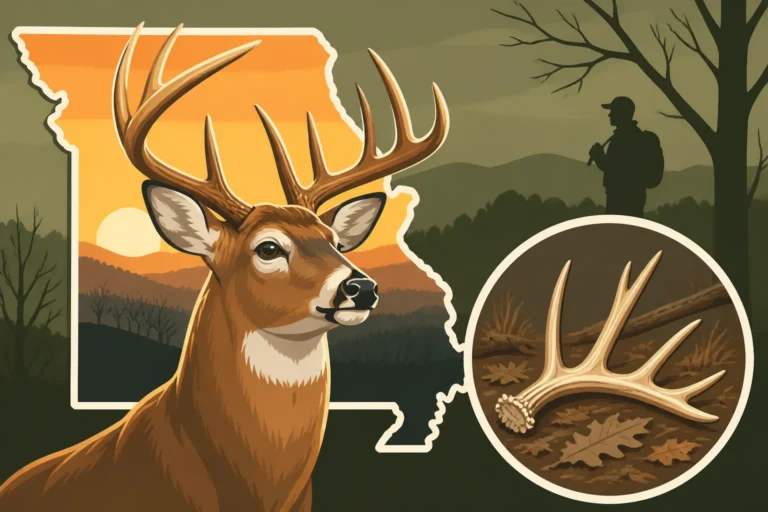
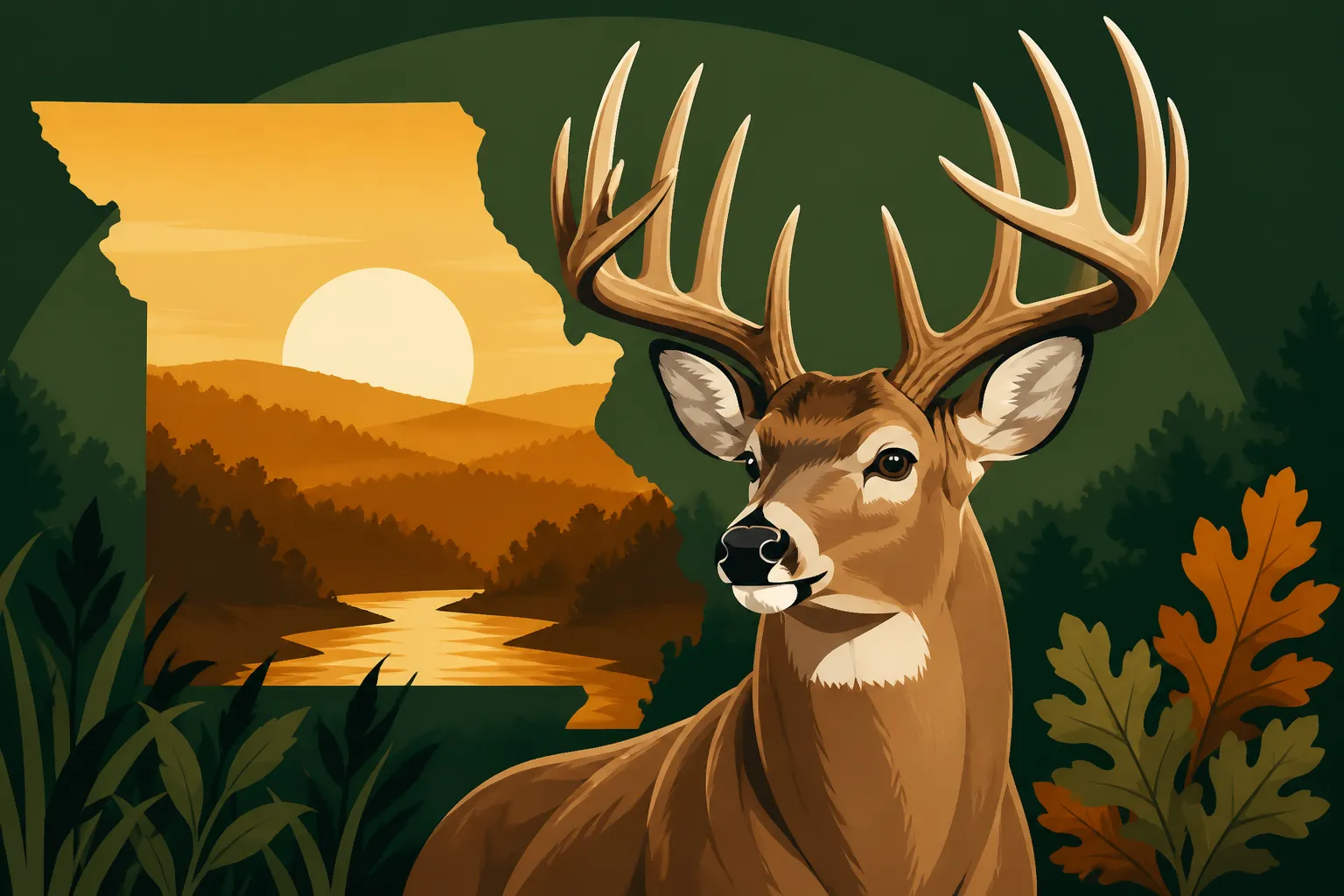
The Missouri Monarch buck, found deceased in St. Louis County back in 1981, wasn't just a big deer; it was a non-typical whitetail with an antler score that shattered previous records. Imagine stumbling upon something like that in the wild — a moment that would etch itself into your memory forever. This deer wasn't taken by a hunter in the traditional sense; it was discovered, which only added to its mystique and fueled conversations across the state about the potential of Missouri's whitetails.
The sheer mass and number of points on the Monarch's rack were astounding, making it a benchmark against which all other monster non-typical bucks are often measured. It became a symbol of what's possible when a buck reaches its full genetic potential in a suitable environment, and it definitely put Missouri on the map for serious antler fanatics. It also highlighted the incredible genetics present even in areas that might seem unlikely to produce such a trophy.
Placing the Monarch in Missouri's Record Books
The Monarch buck's discovery naturally led to its entry into the official record books, specifically the Boone and Crockett Club. For decades, it stood as the world record non-typical whitetail, a testament to its unparalleled antler growth. When you look at the scoring sheet, the numbers almost seem fabricated, but seeing the rack itself confirms the reality. Its story is a core part of the rich history documented by the Missouri Record Book Program.
This kind of recognition doesn't just celebrate a single animal; it also draws attention to the state's deer management practices and the quality of habitat available. Hunters across Missouri, from the river bottoms to the Ozark hills, took immense pride in knowing that such an animal called their state home. It instilled a sense of hope and reinforced the idea that persistence and smart hunting could eventually pay off with a truly exceptional deer. The Monarch wasn't just a set of antlers; it was a source of collective pride for every Missouri deer hunter.
The Pillars of Antler Growth: What Made the Monarch Possible?
You might wonder, how does a buck get that big? It's not just luck, though luck certainly plays a role in any trophy hunt. A buck like the Missouri Monarch is the result of a perfect storm of biological and environmental factors. Understanding these elements is key to appreciating not just the Monarch, but any large-antlered deer you might encounter in the field.
Age, Nutrition, and Genetics: The Golden Triangle
At the heart of any truly massive antler growth lies a combination of three critical factors: age, nutrition, and genetics. A buck simply needs to live long enough to express its full antler potential. Young bucks, while often sporting decent racks, rarely show the mass, tine length, and point numbers seen in mature animals. For a buck to become a "monarch," it needs to survive multiple hunting seasons and reach at least 4.5 to 6.5 years old, sometimes even older. This means avoiding hunters, predators, and disease.
Alongside age, exceptional nutrition is non-negotiable. Growing bone takes a tremendous amount of energy and specific minerals. Bucks need access to high-quality forage throughout the year, especially during antler development season. This means a rich habitat with abundant food sources like acorns, persimmons, forbs, and agricultural crops. Think about the fertile soils of northern Missouri, for example, which contribute to Why North Missouri Grows Bigger Bucks. Without a consistent, nutrient-dense diet, a buck's body simply can't allocate the resources necessary for those record-book antlers.
Finally, genetics tie it all together. Some bucks are simply predisposed to growing larger, more complex racks than others. This isn't something you can easily control in a wild herd, but certain bloodlines consistently produce larger antlers. The Monarch buck undoubtedly carried exceptional genes that, when combined with plenty of years and excellent food, allowed it to become what it was. It's a fascinating interplay of these three factors, where a weakness in any one can limit a buck's ultimate antler size.
The Role of Habitat and Environment
Beyond the individual buck's biology, the environment it lives in plays a massive role. The Missouri Monarch was found in St. Louis County, an area that, while not typically thought of as a big-buck haven in the same way some rural regions are, likely provided a unique set of circumstances. Urban and suburban areas often offer pockets of refuge with minimal hunting pressure, allowing bucks to age. They can also have a surprising abundance of diverse food sources, from garden plantings to golf course foliage, all contributing to superior nutrition.
Think about the shelter and security provided by dense suburban coverts or large undeveloped tracts of land. These sanctuaries are crucial. While you might associate trophy bucks with vast wilderness, sometimes these smaller, less-pressured pockets can be the key. Of course, extensive rural habitats, like those found when Hunting North Missouri's Big-Buck Farm Country or even in portions of the Deer Hunting the Missouri Ozarks, can also provide the space and resources for bucks to mature. The key is balance: enough food, enough cover, and enough time without encountering a hunter.
This combination of factors—age, nutrition, genetics, and a secure environment—creates the blueprint for a potential world-class whitetail. It's why hunters spend so much time studying maps, planting food plots, and understanding deer movement patterns, hoping to find that sweet spot where all these elements align.
Hunting the Next Missouri Monarch: Lessons for Today's Hunter
While the actual Missouri Monarch buck was a truly unique find, its existence offers valuable lessons for hunters across the state today. You might not find another world record lying dead in the woods, but understanding what contributed to that buck's size can inform your own strategies for pursuing mature deer.
Strategic Scouting and Area Selection
The first lesson from the Monarch is that big bucks can turn up anywhere, even in unexpected places. However, statistically, some areas of Missouri are more likely to produce trophy animals. When planning your hunts, focus on counties known for their healthy deer populations and a history of producing larger bucks. GoHunt and similar digital scouting tools can be invaluable here. Using resources like Scouting With the Missouri Conservation Atlas and combining it with aerial imagery, you can identify remote pockets of cover, diverse food sources, and areas with minimal human disturbance.
When you're out there, look for signs of mature deer. Not just any rub or scrape, but those large, dominant rubs on bigger trees, wide track measurements, and large clusters of droppings. These indicate a buck with significant body mass, which often correlates with antler size. Pay attention to bedding areas that offer security and easy access to diverse food. Utilize tools like GoHunt to mark potential travel corridors between these areas. Remember, deer will often take the path of least resistance when traveling between bedding and feeding, especially under the cover of darkness.
Understanding Deer Behavior and Habitat Management
A key takeaway from the Monarch's story is the importance of a deer being able to age gracefully. For today's hunter, this means being selective. Passing on younger bucks, even those with promising racks, allows them to mature into truly exceptional animals. This is a personal decision, of course, but it's one that contributes to the overall quality of the deer herd. Understanding The Missouri Rut in Early November and other seasonal patterns also helps, as it allows you to target mature bucks when they are most active and vulnerable.
For those with private land, thoughtful habitat management can significantly increase the chances of growing and holding mature deer. This includes planting diverse food plots, managing timber for cover and browse, and creating water sources. Even on public ground, understanding how game managers utilize prescribed burns or selective timber cuts can give you an edge in finding prime habitat. Look for areas with a mosaic of thick cover, open feeding areas, and diverse plant life that provides year-round nutrition. Even natural food sources like acorns in oak-hickory timber or Late-Season Food Sources for Whitetails can be critical.
The Role of Technology and Persistence
Modern hunting has been revolutionized by technology. Satellite imagery, GPS mapping apps, and even weather forecasting tools can help you predict deer movement and pinpoint likely locations for trophy bucks. Services like GoHunt allow you to layer different data points – property boundaries, topographical maps, historical weather – to create a highly detailed scouting plan. This digital recon, combined with on-the-ground scouting, helps bridge the gap between dreaming of a Monarch and finding one. Reading Aerial Photos for Ozark Deer can reveal subtle terrain features that influence deer movement.
But technology is just a tool; persistence is the hunter's most valuable asset. The Monarch buck likely lived a long, elusive life, a testament to its survival skills. Finding a truly mature buck often requires countless hours in the stand, meticulous scouting, and the willingness to learn from every sit. It means embracing the challenge, understanding that failure is part of the process, and celebrating every small victory along the way. Your own "Monarch" might not be a world record, but it will be a personal trophy earned through dedication.
Factors Influencing Trophy Buck Potential in Missouri
Growing a truly massive buck isn't a simple equation. It's a complex interplay of several factors, some within a hunter's control, most not. However, understanding these elements can help you identify areas and strategies most likely to produce the kind of deer we all dream about.
| Factor | Description | Impact on Antler Size |
|---|---|---|
| Age | The number of years a buck has lived. Younger bucks devote energy to body growth; older bucks allocate more resources to antler development. | Crucial. Bucks typically show their best antler growth between 4.5 and 7.5 years old. The older they get, the more mass, tine length, and points they can develop, assuming other factors are optimal. |
| Nutrition | The quantity and quality of food available year-round, especially during antler growth (spring/summer). Includes natural forage, agricultural crops, and supplemental feeding (where legal and ethical). | Extremely High. Good nutrition provides the protein, vitamins, and minerals (especially calcium and phosphorus) needed for dense bone growth. Poor nutrition stunts antler development, regardless of age or genetics. |
| Genetics | Inherited traits passed down from parents that dictate potential for antler size, shape, and unique characteristics (e.g., non-typical points). | High. Some bucks are simply predisposed to grow larger racks. While you can't control wild genetics, managing for age and nutrition allows the best genetic potential in the herd to express itself. The Missouri Monarch undoubtedly possessed superior genetic material for antler growth. |
| Habitat Quality | The overall environment, including food, water, and cover. This encompasses forest composition, agricultural fields, bedding areas, and water sources. | High. A diverse, secure habitat ensures consistent access to all necessary resources. Areas with fragmented but secure cover (like the suburban fringe where the Monarch was found) can also produce giants due to reduced pressure and abundant food sources. |
| Hunting Pressure | The level of disturbance from hunters in a given area. High pressure can force deer into nocturnal patterns, reduce daylight activity, and lead to younger bucks being harvested before reaching maturity. | Significant. Low hunting pressure allows bucks to live longer and feel more secure, increasing their chances of reaching peak antler-producing age. Pockets of minimal pressure are often where the largest bucks are found, as seen in the Monarch's story. |
| Health & Stress | A buck's overall physical condition, including disease presence, injury, and environmental stressors like drought or harsh winters. | Moderate to High. Sickness or injury can redirect energy away from antler growth, sometimes causing deformed or smaller racks. Severe environmental stress can also lead to poor antler development in a given year. |
| Mineral Availability | Presence of key minerals like calcium, phosphorus, and zinc in the soil and plants. | Moderate. While often tied into overall nutrition and habitat quality, areas with naturally rich soils tend to produce larger-antlered deer. However, proper diet is more critical than direct mineral supplementation, as deer obtain most minerals from plants. |
Beyond the Numbers: The Legacy of a Legendary Buck
The Missouri Monarch buck, like other famed animals such as the "Hole-in-the-Horn Buck" or the "Jordan Buck," represents more than just a massive set of antlers. These animals become touchstones, inspiring hunters and fueling conservation efforts. Their stories remind us of the incredible potential of wild whitetails and the importance of responsible management.
Inspiring Conservation and Ethical Hunting
The existence of bucks like the Monarch reinforces the idea that robust conservation programs are vital. The Missouri Department of Conservation (MDC) has a long history of effective deer management, contributing to a healthy and thriving deer population across the state. This includes regulating harvest, managing habitat on public lands, and providing guidance to private landowners. The Monarch buck's legacy is a quiet testament to the success of such efforts, showcasing what's possible when a herd is given the opportunity to flourish.
Moreover, the allure of a giant buck can inspire ethical hunting practices. When hunters understand what it takes for a deer to grow such a rack, they often develop a deeper appreciation for the animal and the hunting experience itself. This can lead to more selective harvesting, a greater commitment to fair chase principles, and a willingness to contribute to conservation through license purchases and participation in programs like Share the Harvest. Every hunter who dreams of a Monarch plays a part in preserving the hunting heritage and the health of Missouri's deer herd.
The Ever-Present Dream
While the Missouri Monarch was found decades ago, the dream of encountering a similar buck lives on. Each year, hunters across the state head to their stands, blinds, and favorite timber edges with that spark of hope. Whether they're hunting Standing Corn Before Harvest in northern Missouri, or traversing the steep terrain of the Ozarks, the possibility of a truly giant whitetail is what keeps many of us coming back. It’s a testament to the fact that while some records might stand for decades, nature always holds the potential for new surprises.
The Monarch's story is a reminder that the wild is full of wonders, and sometimes, those wonders appear in the most unexpected places. It pushes us to scout harder, learn more, and appreciate the journey as much as the potential destination. And who knows? With the right combination of age, nutrition, genetics, and a little bit of Missouri luck, maybe the next legendary buck will emerge from your hunting grounds.
Disclaimer
This article is for general informational purposes only and does not constitute professional advice. Laws, prices and regulations vary by location and change over time. Consult a qualified professional for guidance on your specific situation.