Missouri Boone and Crockett Whitetails
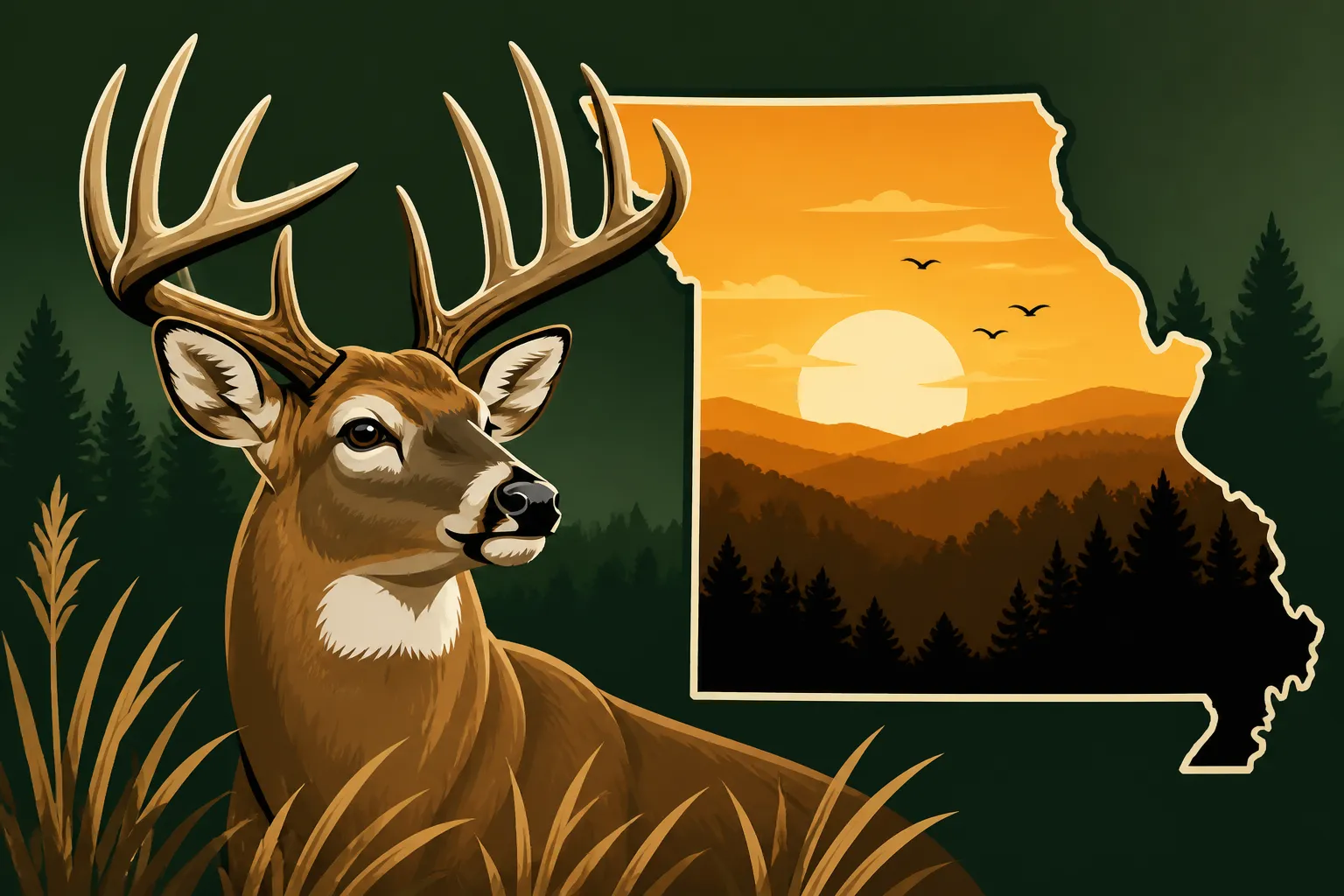
The dream of wrapping your hands around the massive antlers of a Boone and Crockett whitetail is one that fuels countless hours in the stand, scouting missions, and shed hunts across Missouri. It's a tough goal, no doubt, and many hunters feel the sting of seeing only young bucks or decent deer that just don't quite make the cut. This guide is here to unravel the mystery of what it takes to find and hunt those truly exceptional Missouri whitetails, giving you a roadmap to understanding their habits and habitats.
Understanding Missouri's Potential for Trophy Whitetails
Missouri, often overshadowed by some of its neighbors in the big-buck narrative, actually boasts a remarkable history of producing world-class whitetails. It’s not just luck; it’s a confluence of genetics, nutrition, and, crucially, age structure within the deer herd. Many hunters tend to focus solely on one aspect, perhaps obsessing over genetics, when the truth is a more holistic approach yields better results. Our state has the ingredients, but finding where and how they come together for a Boone and Crockett buck is the real challenge.
Think about the fertile agricultural lands of North Missouri. These areas are veritable buffets for deer, offering protein-rich crops like corn and soybeans that are essential for antler development. When deer have access to abundant, high-quality food sources year-round, their bodies can put more resources into growing impressive headgear once they reach maturity. This is why many conversations about where to find giant deer inevitably lead to discussions about areas with prime agriculture. It’s a stark contrast to some of the more rugged, timbered regions where nutrition can be scarcer. You might want to read our article on Where Missouri's Biggest Bucks Come From to delve deeper into this regional difference.
However, it's not just about the northern farm country. Even in the more timbered, rocky Ozarks, where deer density might be lower and nutrition more spread out, truly mature bucks can grow impressive antlers if they reach an older age class. The key here is often escapism – finding those remote, hard-to-reach pockets where a buck can live out his years relatively undisturbed. While the sheer number of huge bucks might favor the north, the Ozarks can produce giants that are often even more coveted due to the difficulty of hunting them in such terrain. Understanding North Missouri Versus Ozark Deer Density can provide more context on these regional differences.
Ultimately, the potential for a Missouri Boone and Crockett whitetail isn't a secret, but rather a combination of factors working in harmony. The state's diverse landscape, from rich river bottoms to expansive timber, provides varied opportunities. What defines a true trophy often comes down to the individual deer having everything it needs to reach its genetic potential, most notably several years of undisturbed growth.
The Elements of a Boone and Crockett Buck
When we talk about a "Boone and Crockett buck," we're referring to a deer whose antlers meet specific minimum scoring requirements set by the Boone and Crockett Club, a conservation organization that maintains North American big game records. This isn't just about how big the antlers look to the naked eye; it's a precise measurement system that accounts for mass, length, spread, and symmetry, all contributing to a final score. Hunters often overlook the nuances of this scoring, thinking simply "wide and tall" is enough, but it's much more intricate.
There are two main categories for scoring whitetails: typical and non-typical. A typical antler configuration is one where the points grow in a relatively symmetrical pattern, with few or no abnormal points. The goal in scoring a typical rack is to penalize any differences between the two sides, rewarding symmetry. A truly symmetrical 10-pointer with long tines and good mass can score incredibly high. On the other hand, a non-typical rack embraces the character of abnormal points, drop tines, kickers, and other unique antler growths. While symmetry is still considered, non-typical scores get a boost from all that extra bone, which can sometimes allow a deer with a less symmetrical main frame to still achieve a high score due to sheer antler mass and uniqueness. Understanding these distinctions is crucial for appreciating the deer you harvest.
The single most critical factor in a buck reaching Boone and Crockett proportions is age. A whitetail buck typically doesn't hit its peak antler growth until it's 4.5, 5.5, or even 6.5 years old. Younger bucks might have wide racks or decent tines, but they simply haven't had enough seasons to put all their energy into maximizing antler growth. This is where quality habitat and low hunting pressure play a huge role. If bucks are harvested too young, they never get the chance to express their full genetic potential. Imagine a 2.5-year-old buck with a respectable 8-point rack; if given two more years, that deer could transform into a true giant. Our discussion on Buck Age Structure After APR Removal offers interesting insights into how management philosophies affect this.
Beyond age, excellent nutrition and good genetics are the other legs of the trophy buck stool. A buck can have the genes to be a giant, but if he's constantly stressed, battling disease, or living in an area with poor food sources, he'll never reach his potential. Conversely, a buck with average genetics in a prime nutritional environment might still grow a very respectable rack. Missouri has a healthy deer population, as evidenced by the Missouri Deer Population Estimate, and within that population, there are certainly bucks with the genetic potential to grow B&C antlers, provided they receive the proper nourishment and, most importantly, enough time.
Strategies for Chasing a Missouri Giant
Hunting a Boone and Crockett caliber whitetail in Missouri is not just about luck; it's about meticulous planning, relentless scouting, and often, an understanding of deer behavior that comes from years in the field. It requires a different mindset than simply filling a tag. Many hunters get frustrated because they hunt the same way year after year and expect different results. To target a truly exceptional buck, you need to think differently.
One of the most vital components is year-round scouting. This isn't just a week before the season opener. It starts immediately after the previous season closes. Shed hunting can tell you what kind of bucks survived and what their potential might be for the coming year. As spring turns to summer, trail cameras become your best friends. Placing cameras on mineral licks, travel corridors, and around food plots can give you a photographic inventory of the local deer herd and, hopefully, reveal that giant you're after. Pay close attention to patterns of movement, specifically during legal shooting light. Tools like the GoHunt platform can be incredibly useful here, offering robust mapping features that allow you to mark stand locations, observe terrain changes, and track deer movements over time, creating a detailed digital scouting report. Their layered maps, showing property boundaries, habitat types, and topographical features, can literally open your eyes to hidden deer sanctuaries you might otherwise overlook. For more on pre-season prep, consider reading Scouting Missouri Public Land Before Season.
The debate between public and private land for trophy potential is ongoing. Private land, especially those tracts with careful management plans, often offers higher odds due to controlled hunting pressure and dedicated food sources. However, don't discount Missouri's vast public lands. The key to public land giants is often finding those areas that most hunters walk past. These are usually remote, difficult to access, or have challenging terrain. You might have to walk farther, cross a creek, or climb a steep ridge to get away from the crowds, but that's often where the biggest, oldest bucks find sanctuary. Think about the thick cover along major river systems or the rugged draws of the Mark Twain National Forest. Reading Aerial Photos for Ozark Deer can give you an edge in identifying these hidden gems.
Hunting pressure is the enemy of big bucks. When deer are constantly pushed and disturbed, they become nocturnal, making them incredibly difficult to hunt during daylight hours. This is why understanding wind directions, entry and exit routes, and how your presence impacts the area is paramount. A single careless hunt can turn a mature buck nocturnal for weeks. Try to find areas where deer feel secure, whether that's a thick bedding area adjacent to a food source or a dense timber block that rarely sees human intrusion. Finding fresh sign, like large tracks or rub lines from mature bucks, can indicate where these giants are moving, as discussed in Finding Sign in Big Timber. When you finally get a shot, ensure you know the Telecheck Requirements After a Harvest to properly report your successful hunt.
Patience, Persistence, and the Missouri Record Book
Hunting Boone and Crockett whitetails is truly a long game, a marathon, not a sprint. It demands an extraordinary amount of patience and persistence. You might spend seasons pursuing a specific buck, or even years just trying to locate an area that consistently holds mature deer. The gratification, when it comes, is often amplified by the effort and dedication poured into the pursuit. This isn't just about bagging a trophy; it's about the journey, the knowledge gained, and the respect for the animal and its habitat.
Deer management principles play a significant role in creating and sustaining populations that can produce record-book animals. This includes managing doe numbers to keep the herd in balance with the available habitat, allowing bucks to reach older age classes, and providing high-quality food and cover. On private land, landowners can implement specific strategies like creating food plots, hinge-cutting timber for cover, and strictly enforcing age-class harvest criteria. For those hunting public land, understanding broader state management goals, like those outlined in the Missouri Department of Conservation's harvest reports, can help inform your expectations and strategies. It's often a collaborative effort, with many hunters contributing to the health of the herd by making responsible harvest decisions.
When you do finally connect with a Missouri Boone and Crockett whitetail, the journey isn't quite over. The process of getting your deer officially scored and entered into the record books is an exciting final step. After you've taken care of field dressing and cooling, which is vital especially during warmer early seasons (see Aging Venison Before Cutting for more on meat care), you'll need to allow a drying period for the antlers before official measurement. There are specific rules and steps for official measurement by a certified scorer. The Missouri Department of Conservation has its own fantastic Missouri Record Book Program which recognizes incredible deer taken within the state, even those that might not quite meet the higher Boone and Crockett minimums but are still exceptional. It’s a wonderful way to immortalize your experience and contribute to the rich hunting heritage of Missouri. Many hunters find that the chase itself is the reward, but seeing your hard-earned trophy recognized is the cherry on top. Don't forget to use resources like GoHunt for post-hunt analysis of your hunt area, helping you to refine your strategy for next season and continue your quest for Missouri giants.
Disclaimer
This article is for general informational purposes only and does not constitute professional advice. Laws, prices and regulations vary by location and change over time. Consult a qualified professional for guidance on your specific situation.