How Many Elk Missouri Has
For many years, the idea of wild elk roaming Missouri’s timbered hills felt like something from a history book, a chapter long closed. For generations, hunters and wildlife enthusiasts could only dream of seeing these majestic animals outside of a zoo. But that’s all changed, and if you’re wondering just how far Missouri's elk reintroduction has come and what the current status of the herd is, you're in the right place. This guide will walk you through the incredible journey of elk back to the Show-Me State, from their historic absence to their thriving presence today, and help you understand where these magnificent creatures call home.
The Remarkable Return of Missouri Elk
It’s hard to imagine, but once upon a time, elk were a natural part of Missouri’s landscape, thundering through prairies and navigating the dense Ozark forests. European settlement, however, brought unchecked market hunting and significant habitat loss, leading to the complete extirpation of elk from Missouri by the mid-1800s. For nearly two centuries, the state's wild places were silent to the bugle of a bull elk.
From Extinction to Reintroduction
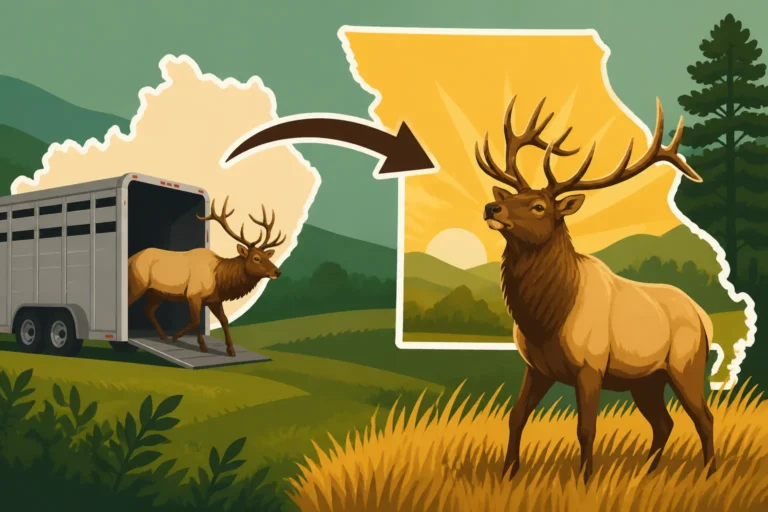
The dream of bringing elk back to Missouri began to take serious shape in the early 2000s, driven by a dedicated effort from the Missouri Department of Conservation (MDC) and passionate conservationists. After years of careful planning, habitat assessment, and public input, the reintroduction program became a reality. It was a massive undertaking, meticulously planned to ensure the long-term success of the herd. Initial releases involved bringing elk from Kentucky, a state with a robust and successful reintroduction program of its own, to carefully selected areas in the Ozarks. These first groups of elk were a beacon of hope, a symbol of what committed conservation could achieve. You can read more about this journey in Missouri's Elk Reintroduction From Kentucky.
The process wasn't as simple as just dropping them off and wishing them well. It involved extensive preparation of the release sites, securing suitable habitat, and then carefully monitoring the translocated animals for health and adaptation. Seeing those first animals step onto Missouri soil after such a long absence was a monumental moment for conservation in the state. The entire project was built on the understanding that for elk to thrive again, they needed not just a place to live, but a sustainable ecosystem that could support their growth. If you’re interested in the timeline, check out When Elk Came Back to Missouri.
The Current Missouri Elk Population
So, after all that effort, how many elk are actually in Missouri today? While specific, constantly fluctuating numbers are hard to pin down precisely given the nature of wildlife populations, the Missouri elk herd has grown significantly since the initial reintroductions. From those first groups, the population has expanded steadily, a testament to the quality of the habitat and the success of the management strategies. We're talking about a herd that has moved from a handful of animals to numbers now firmly in the hundreds, spread across a defined, and slowly expanding, range.
This growth isn't just about more elk; it’s about a healthy, reproducing population with successful calving seasons contributing to herd expansion year after year. Calving success is a critical factor, and the dedicated efforts to monitor and manage the herd have paid off, ensuring new generations are added. This natural increase is what allows the herd to sustain itself and gradually extend its footprint within suitable landscapes. For hunters or enthusiasts interested in the specifics, the MDC regularly provides updates and estimated figures, reflecting the ongoing positive trend in the population. The fact that Missouri has an elk hunting season, albeit a very limited one, speaks volumes about the herd's stability and growth.
Where Missouri's Elk Roam Today
When the elk were reintroduced, it wasn't a random release across the state. A specific region in the Missouri Ozarks was identified as the ideal location, offering the vast, rugged habitat these animals need to thrive. This area is now considered the core of Missouri's elk range.
The Primary Elk Zone
The heart of Missouri's elk country is nestled deep within the Ozark Highlands, specifically centered around parts of Shannon, Carter, Reynolds, and a portion of Wayne counties. This region boasts a mix of dense timber, open woodlands, and scattered glades, providing excellent foraging grounds, cover for bedding, and secluded areas for calving. Much of this core range includes large tracts of public land, such as the Peck Ranch Conservation Area, which served as a primary release site and continues to be a vital hub for the herd. The rugged terrain here, characterized by steep hollows, rocky ridges, and meandering streams, offers the solitude and space necessary for a large animal like an elk.
Choosing this specific region was no accident. It was based on extensive research into historical elk range, current habitat suitability, and the potential for minimal human-elk conflict. The vastness of Mark Twain National Forest land also plays a significant role, offering contiguous habitat for the herd to expand into naturally. When you visit these areas, especially during cooler months, you might just catch a glimpse of these magnificent animals. Understanding this core area is crucial for anyone hoping to see or learn more about Missouri's Elk Hunting Counties. The conservation efforts focused on enhancing this habitat are ongoing, ensuring the elk have the resources they need. If you're planning a trip to experience the elk, Watching Elk at Peck Ranch is a fantastic starting point.
Beyond the Core: Dispersal and Sightings
While the primary elk zone remains their stronghold, elk are naturally curious and wide-ranging animals. As the herd continues to grow and establish itself, some individuals, particularly younger bulls, will disperse from the core areas in search of new territory and mates. This means that while rare, sightings can and do occur outside of the immediate reintroduction zone. These instances are exciting for locals and further prove the herd's vitality and expanding influence.
However, it's important to understand that these outlying sightings don't necessarily indicate a stable, breeding population far from the core. Most elk will eventually return to the established range or remain in peripheral areas where habitat conditions are still favorable but might not support a large, permanent herd. Think of it as a gradual, natural expansion rather than a sudden state-wide distribution. For those tracking the movements of the herd, understanding Where Missouri Elk Range Today helps put these occasional distant sightings into context. It's a reminder that while the herd is growing, the Ozarks remain their foundational home.
Managing and Monitoring Missouri's Elk Herd
The success of Missouri's elk reintroduction isn't just a happy accident; it's the result of continuous, dedicated management and monitoring efforts by the Missouri Department of Conservation and its partners. Ensuring the long-term health and stability of the herd requires constant vigilance and proactive strategies.
Conservation Efforts and Challenges
The MDC's approach to elk management is multi-faceted, focusing heavily on habitat improvement within the core elk zone. This includes prescribed burns to promote new forage growth, managing timber stands for ideal cover, and creating open areas like glades that provide crucial feeding grounds. They also monitor the herd closely, tracking health, reproduction rates, and movement patterns to understand population dynamics. This data is vital for making informed decisions about how to best support the elk. The ultimate goal is a self-sustaining herd that can thrive with minimal intervention. For example, monitoring Calving Success and Herd Growth directly impacts how the MDC assesses the herd's health and potential for expansion.
Despite the successes, challenges certainly exist. One significant concern is ensuring sufficient habitat connectivity as the herd expands, preventing isolation and promoting genetic diversity. Disease management, particularly Chronic Wasting Disease (CWD) which affects deer and could potentially impact elk, is another critical aspect of ongoing monitoring. Then there's the inevitable human-wildlife interface, where increasing elk numbers can sometimes lead to Elk Crop Damage in Missouri on private lands adjacent to public hunting areas. These challenges require ongoing collaboration with landowners and a flexible management approach to mitigate potential conflicts and ensure the public continues to support the program.
The Role of Limited Hunting
Once a wildlife population is robust and stable enough, regulated hunting can become a vital tool for scientific management and conservation. For Missouri's elk, a highly restricted, lottery-based hunting season was established once the herd reached a sustainable population level. This isn't about reducing numbers drastically; it's about carefully managing herd growth, maintaining a healthy sex ratio, and providing a unique hunting opportunity that also generates revenue for ongoing conservation efforts. The number of permits issued each year is incredibly small, ensuring that the harvest has a negligible impact on the overall herd growth.
The elk hunt is a true once-in-a-lifetime opportunity for most. Hunters interested in drawing one of these coveted tags often spend years applying, and resources like GoHunt can be invaluable for those researching draw odds, application strategies, and success rates across various states with similar limited-entry hunts. They offer tools and data that can help applicants understand the nuances of these complex lottery systems. The funds generated from permit sales and related economic activity directly contribute back to the very conservation programs that support the elk herd, creating a cyclical benefit. If you're curious about the application process and chances, learning about Missouri Elk Permit Lottery Rules is essential. It's a testament to the success of the reintroduction that Missouri now offers such an opportunity, highlighting the strong health of the herd and a carefully planned future for these animals. You can also explore How Many Missouri Elk Permits Are Issued to get a sense of the exclusivity of the hunt.
The Future of Missouri's Elk
The journey of elk in Missouri is a powerful story of conservation success, but it's an ongoing narrative. The future promises continued growth and new opportunities for both the elk and the people who appreciate them.
Continued Growth and Expansion
Looking ahead, the Missouri elk herd is expected to continue its gradual expansion. While rapid growth across the entire state isn't anticipated, suitable habitats beyond the current core zone will likely see increasing elk presence. This slow and steady expansion allows for natural adaptation and minimizes potential conflicts as the population becomes more established. The long-term vision involves a healthy, self-sustaining population that occupies suitable habitats across a broader, yet still defined, range within the Ozarks. This expansion will be carefully monitored, balancing ecological needs with the interests of landowners and local communities.
This also means ongoing research into optimal habitat management and potential challenges that might arise as the herd grows larger and moves into new areas. The lessons learned from the initial reintroduction and the subsequent years of management will be invaluable in guiding future decisions. The success of this program serves as a model for other conservation initiatives, demonstrating the profound impact of dedicated efforts to restore wildlife populations to their native lands.
Experiencing Missouri's Elk
For those who may never draw an elk tag but still wish to experience the presence of these magnificent animals, opportunities abound. The Peck Ranch Conservation Area, in particular, remains the prime location for wildlife viewing. Driving the scenic routes through the core elk counties, especially during the early morning or late evening, offers the best chances for a sighting. The elk's bugling during the fall rut is an unforgettable experience, drawing visitors from far and wide. For ethical wildlife viewing, remember to keep your distance, use binoculars or spotting scopes, and never disturb the animals. Observing elk in their natural habitat is a rewarding experience, connecting us to Missouri’s wild heritage.
For hunters contemplating their long-term strategies, especially those interested in unique opportunities like Missouri's elk lottery, utilizing advanced scouting tools or applying for special hunts can be part of the adventure. Platforms like GoHunt, with their detailed mapping features and state-specific hunt data, can help enthusiasts plan their scouting trips or refine their application strategy for various limited-entry drawings, even if the primary goal isn't immediate success but rather a deep understanding of the landscape and the animals within it. Missouri's elk herd is a vibrant part of the state's natural heritage, a testament to what we can achieve when we commit to restoring what was lost.
| Aspect | Description |
|---|---|
| Current Status | Thriving, self-sustaining herd with a population in the hundreds and growing. |
| Reintroduction Year | Initial releases occurred in the early 2010s. |
| Source Herd | Elk were translocated from Kentucky. |
| Core Range | Primarily concentrated in portions of Shannon, Carter, Reynolds, and Wayne counties in the Ozark Highlands, particularly around Peck Ranch Conservation Area. |
| Habitat Type | Mixed hardwood forests, glades, open woodlands, and rugged terrain providing forage, cover, and solitude. |
| Hunting Status | Highly regulated, limited-entry, lottery-based hunting season implemented to manage the herd and fund conservation. Permits are extremely rare. |
| Management Focus | Habitat improvement, population monitoring, disease surveillance, public education, and mitigating human-wildlife conflicts. |
| Future Outlook | Expected continued growth and gradual expansion into adjacent suitable habitats within the Ozarks. |
Disclaimer
This article is for general informational purposes only and does not constitute professional advice. Laws, prices and regulations vary by location and change over time. Consult a qualified professional for guidance on your specific situation.