Missouri Duck Harvest Numbers
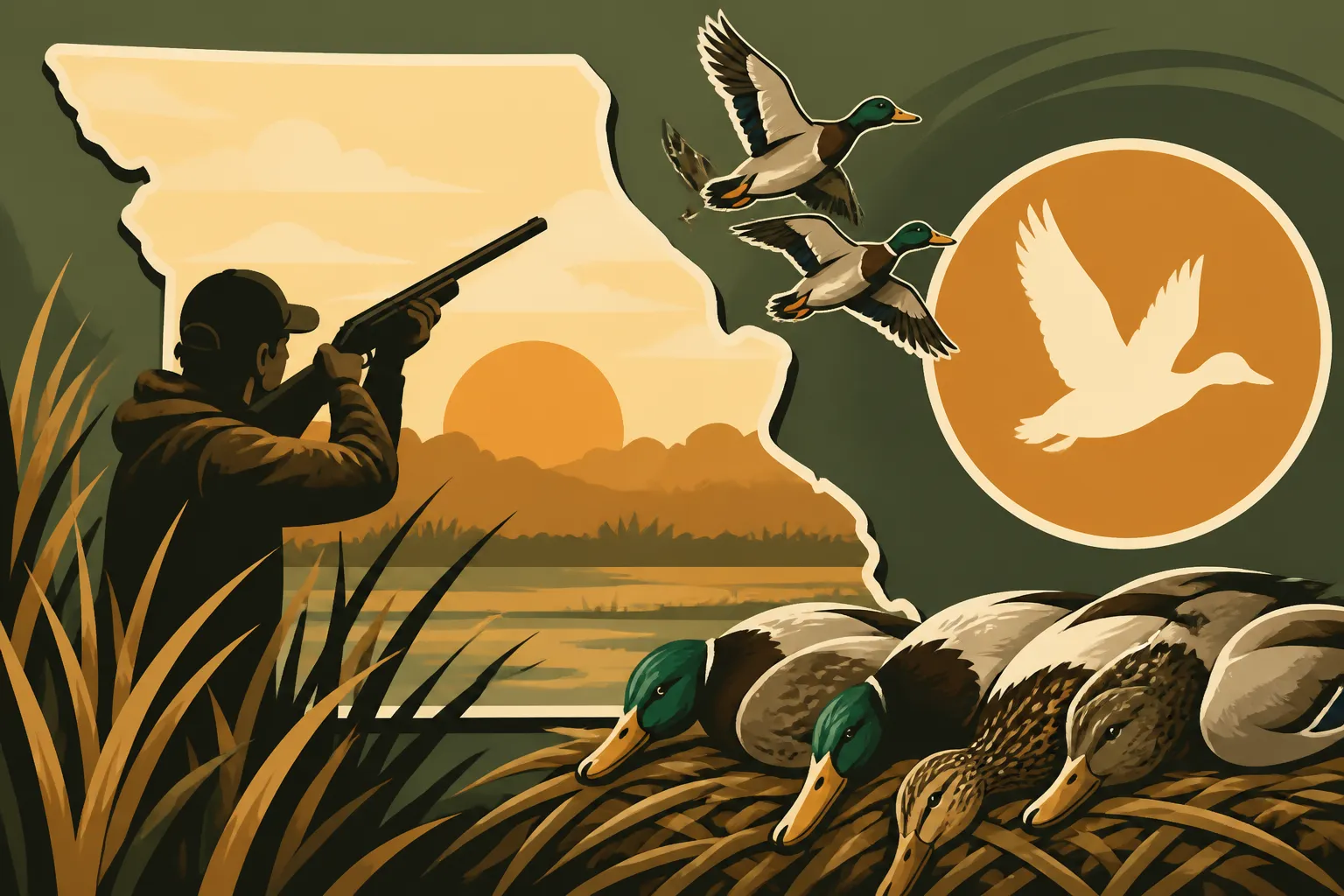
For many of us who live and breathe Missouri duck hunting, seeing those annual harvest reports drop can be a bit of a nail-biter. We're all wondering: how did we do? Was it a good year, or did we struggle like it felt? Understanding Missouri's duck harvest numbers goes beyond just bragging rights; it's a window into the health of the flyway, the effectiveness of conservation efforts, and what we might expect in seasons to come. This guide is here to break down what those numbers really mean, how they're collected, and what you can learn from them to become a more informed — and hopefully, more successful — waterfowl hunter in the Show-Me State.
Understanding Missouri's Duck Harvest Data
When we talk about "duck harvest numbers," it's not just a casual count taken by a few folks at the boat ramp. This is a systematic collection of data, primarily managed by the U.S. Fish and Wildlife Service (USFWS) in cooperation with state agencies like the Missouri Department of Conservation (MDC). These numbers are absolutely crucial for setting season lengths, bag limits, and overall management strategies across the Mississippi Flyway. Without accurate data, it would be impossible to make informed decisions that ensure sustainable hunting for future generations.
How Harvest Data is Collected
The primary source for migratory bird harvest data is the Migratory Bird Harvest Information Program, or HIP. Every hunter who plans to hunt migratory birds, including ducks, geese, doves, or woodcock, is required to register annually with HIP. This registration gathers basic contact information and asks about your hunting success from the previous season for various species. While the initial registration provides a sampling pool, the real meat of the data comes from follow-up surveys.
A randomly selected subset of HIP-registered hunters then receives a detailed survey, often a mail-in diary, asking for specific information about their hunting trips, the number of birds harvested by species, and even how many days they spent in the field. This might sound like a lot of paperwork, but it's really the backbone of waterfowl management. Every time you fill out that survey, you're directly contributing to the science that ensures we'll have ducks to hunt next year and beyond. It’s a vital partnership between hunters and biologists.
Key Metrics in Harvest Reports
When you dive into a Missouri duck harvest report, you'll typically see a few key metrics that tell the story of the season. The most obvious is the total harvest – the estimated number of ducks taken by hunters. But it goes deeper than that. You'll also see breakdowns by species, showing which ducks were most prevalent in the bag. Mallards almost always top the list, but green-winged teal, wood ducks, and gadwalls often make strong showings, depending on the year and regional conditions.
Another important metric is hunter days, which estimates the total number of days hunters spent afield targeting ducks. This gives insight into hunting effort. When paired with total harvest, it helps calculate hunter success rates (birds per hunter day or birds per hunter). Understanding these different metrics gives you a much more nuanced picture than just a single "total" number. For instance, a lower total harvest might not be alarming if hunter days were also down, but if harvest dropped significantly while hunter effort remained high, that could indicate a tougher year for the ducks themselves. These reports sometimes even offer insights into harvest by Missouri Duck Zone Boundaries, showing how certain regions performed relative to others.
Here's a simplified look at the types of data you might encounter in a Missouri duck harvest report:
| Metric | Description | Why it Matters for Hunters |
|---|---|---|
| Total Duck Harvest | Estimated number of all ducks harvested statewide. | Indicates overall abundance/availability during the season. |
| Harvest by Species | Breakdown of harvest for specific duck species (e.g., Mallard, Wood Duck). | Shows which species were most common in the bag, helps target efforts. |
| Hunter Days | Estimated total number of days hunters spent duck hunting. | Reflects hunting effort and interest; can explain harvest fluctuations. |
| Average Harvest per Hunter | The estimated number of ducks harvested per active duck hunter. | A simple measure of individual hunter success. |
| Average Harvest per Hunter Day | The estimated number of ducks harvested for each day spent hunting. | A more refined measure of success, indicating efficiency. |
Factors Influencing Missouri's Duck Harvest
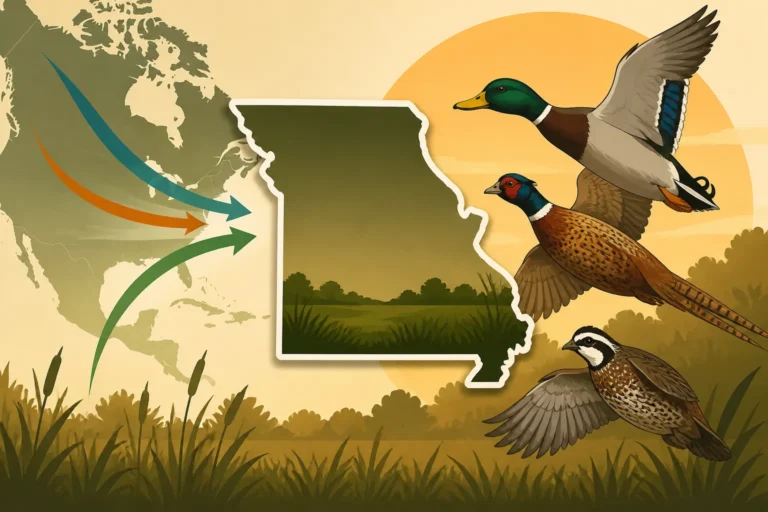
Missouri sits right in the heart of the Mississippi Flyway, making it a critical stopover for millions of ducks migrating south from the breeding grounds in the prairie potholes. This strategic location means that our duck harvest numbers are influenced by a complex web of factors, both local and continental. It's never just one thing; it's always a combination of environmental conditions, the availability of good habitat, and, of course, the birds themselves.
Breeding Ground Conditions
The health of the breeding grounds in the northern U.S. and Canada is arguably the single most important factor determining the overall size of the fall flight and, consequently, our potential harvest here in Missouri. Years with abundant rainfall and healthy wetlands in the prairie pothole region typically lead to higher duck production. More water means more nesting habitat, more invertebrates for ducklings, and generally higher survival rates for young birds.
Conversely, drought conditions on the breeding grounds can severely curtail duck production. When ponds dry up, ducks are forced to forgo nesting or attempt to nest in less ideal conditions, leading to fewer ducklings entering the fall migration. This direct correlation means that what happens thousands of miles north of Missouri in the spring and summer has a profound impact on what flies over our decoys come fall. Reports on Mallards and the Mississippi Flyway often highlight this connection.
Weather and Migration Patterns
Once the ducks start their journey south, weather becomes a dominant force. Cold fronts, snow, and ice push birds down the flyway. A strong, early cold snap in the Dakotas can flood Missouri with ducks in late October or early November. Conversely, a mild fall up north can mean birds linger longer on their breeding grounds or in northern states, delaying their arrival in Missouri and potentially impacting our early-season harvest numbers.
Local weather also plays a huge role. Heavy rains can flood timber, creating new hunting opportunities but also scattering birds across a larger landscape, making them harder to concentrate. Prolonged cold spells can freeze up shallow water, pushing ducks into deeper reservoirs or further south. The unpredictable nature of Missouri's weather means that even in years with good overall duck populations, a string of uncooperative local weather patterns can lead to a challenging harvest season. Hunters often track these patterns closely, sometimes using tools like GoHunt to visualize weather fronts and their potential impact on migratory bird movements.
Habitat and Water Availability
You can have all the ducks in the world, but if they don't have suitable places to rest, feed, and feel safe in Missouri, they'll simply fly over. Wetland Habitat and Duck Numbers are intrinsically linked. Missouri's managed wetlands, river bottoms, and private impoundments provide crucial habitat, and the amount and quality of this habitat directly influence where ducks concentrate. Healthy moist-soil units, abundant waste grain in flooded fields, and secure roosting areas are magnets for migrating waterfowl.
Water levels, particularly on our major rivers like the Missouri and Mississippi, and within our managed conservation areas, are paramount. High river levels can flood vast expanses of timber and agricultural fields, creating incredible new feeding and resting areas for ducks. However, too much water can also spread birds out, making them harder for hunters to pattern. Low water levels, on the other hand, can concentrate birds into smaller, more accessible areas, but if those areas are too few, ducks might simply push through the state. The MDC works tirelessly to manage water levels on conservation areas to optimize conditions for migrating waterfowl, often publishing daily reports that hunters can check.
Interpreting Harvest Trends and What They Mean for Hunters
Looking at a single year's harvest report is interesting, but the real power comes from looking at trends over multiple seasons. Are numbers generally up or down? Is a particular species showing a long-term shift? Understanding these trends can help you make more informed decisions about where and when to focus your hunting efforts, and even what species to prioritize.
Long-Term vs. Short-Term Trends
When reviewing harvest data, it's important to distinguish between short-term fluctuations and long-term trends. A single down year might just be an anomaly caused by unusual weather patterns, or perhaps a unique local factor like an EHD outbreak affecting local wood duck populations. But if harvest numbers for a particular species, like pintails, show a consistent decline over five or ten years, that's a much more significant signal. These long-term trends often reflect broader ecological shifts, such as habitat loss on the breeding grounds or changes in agricultural practices that impact wintering food sources.
Similarly, a sudden spike in gadwall harvest over a few years might indicate a growing population or a shift in migration patterns that brings more of these birds into Missouri. Biologists pay close attention to these long-term trends, as they are crucial for adaptive management decisions. For the hunter, recognizing a consistent downward trend in a specific species might suggest adjusting your expectations or shifting your focus to more abundant birds. Conversely, an upward trend can mean new opportunities are developing. Staying informed through resources like the MDC's annual reports, or even platforms like GoHunt that aggregate data, can give you a better grasp of these critical patterns.
How Harvest Data Informs Your Hunting Strategy
Understanding harvest data can absolutely refine your hunting approach. For example, if reports consistently show that the majority of Missouri's mallard harvest occurs during the late November and early December windows, it might encourage you to prioritize hunting trips during those times, especially if conditions are right for Hunting Missouri River Sandbars for Ducks or Missouri Flooded Timber Duck Tactics. If you see that certain conservation areas historically yield higher numbers of wood ducks, and you prefer hunting in flooded timber, that information can guide your scouting and hunt planning.
Furthermore, knowing which species are being harvested most frequently can help you adjust your decoy spread or calling strategy. If green-winged teal numbers are high, perhaps a few more teal decoys or some faster, higher-pitched calling could be beneficial. It also helps manage expectations; if it was a poor breeding year for pintails, you might not hold out for that bull pintail, but instead focus on other species with more robust populations. Successful hunters often merge this broader statistical data with their own observations on the ground and personal scouting trips to form a comprehensive strategy.
Beyond the Numbers: The Broader Picture of Waterfowl Conservation
While the duck harvest numbers give us a snapshot of a particular season's success, they are just one piece of a much larger puzzle. These figures are critical tools for the continued health and sustainability of waterfowl populations, guiding the work of countless conservation organizations and agencies that ensure we'll have ducks to hunt for generations to come.
The Role of Harvest Data in Management
Harvest data, along with breeding population surveys, habitat assessments, and banding recoveries, forms the scientific foundation for waterfowl management. Without this information, state and federal agencies would be flying blind (pun intended) when it comes to setting season dates, bag limits, and other regulations. For instance, if breeding ground surveys show a dip in mallard populations, and harvest data confirms a lower success rate, wildlife managers might consider a more conservative approach to bag limits or season lengths in the subsequent year to protect the breeding stock.
Conversely, robust populations and strong harvest numbers might allow for more liberal seasons, maximizing hunting opportunities while still ensuring the long-term health of the resource. This adaptive management approach is dynamic; it responds to changes in the environment and in bird populations, preventing overharvest and promoting sustainability. Every duck hunter, by registering for HIP and accurately reporting their harvest if surveyed, contributes directly to this vital management framework. This dedication to data is why we still enjoy incredible waterfowl hunting in Missouri, often in areas managed under plans discussed in articles like Managed Hunt Draws on Missouri Wetlands.
Supporting Conservation Beyond Your Harvest
Beyond simply reporting your harvest, duck hunters are inherently conservationists, and your involvement extends far beyond the actual act of hunting. Every time you purchase a federal duck stamp, a portion of that revenue goes directly to acquiring and restoring critical wetland habitat across the country. State hunting permits also fund the Missouri Department of Conservation's efforts, including wetland management, research, and enforcement.
Organizations like Ducks Unlimited, Delta Waterfowl, and countless local conservation groups work tirelessly to protect and restore habitat, not just in Missouri but across the entire flyway and on the vital breeding grounds. These efforts directly impact the number of ducks that fly south each fall, influencing our harvest numbers year after year. Understanding the annual harvest report isn't just about reviewing past success; it's a reminder of the collective effort, the importance of habitat, and the ongoing commitment required to ensure vibrant duck populations for future Missouri hunters. It shows us that every duck in the bag represents a success story in conservation, from the pothole where it hatched to the flooded timber where it was harvested.
Disclaimer
This article is for general informational purposes only and does not constitute professional advice. Laws, prices and regulations vary by location and change over time. Consult a qualified professional for guidance on your specific situation.