Late-Season Quail and Longer Flushes
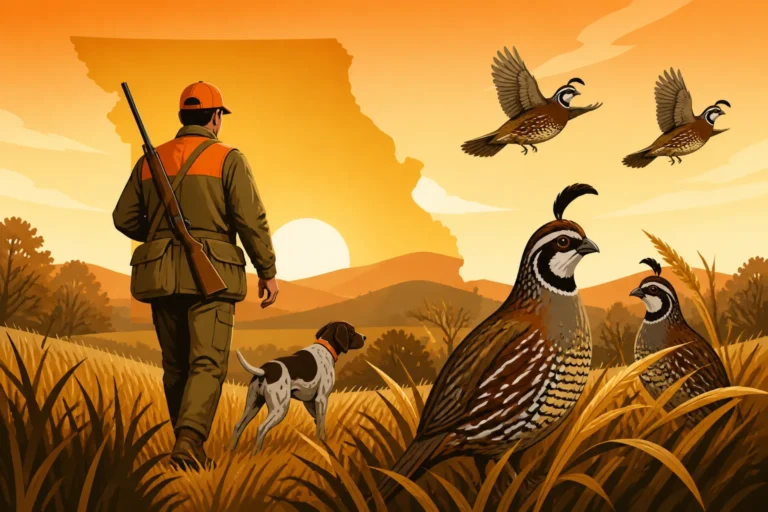
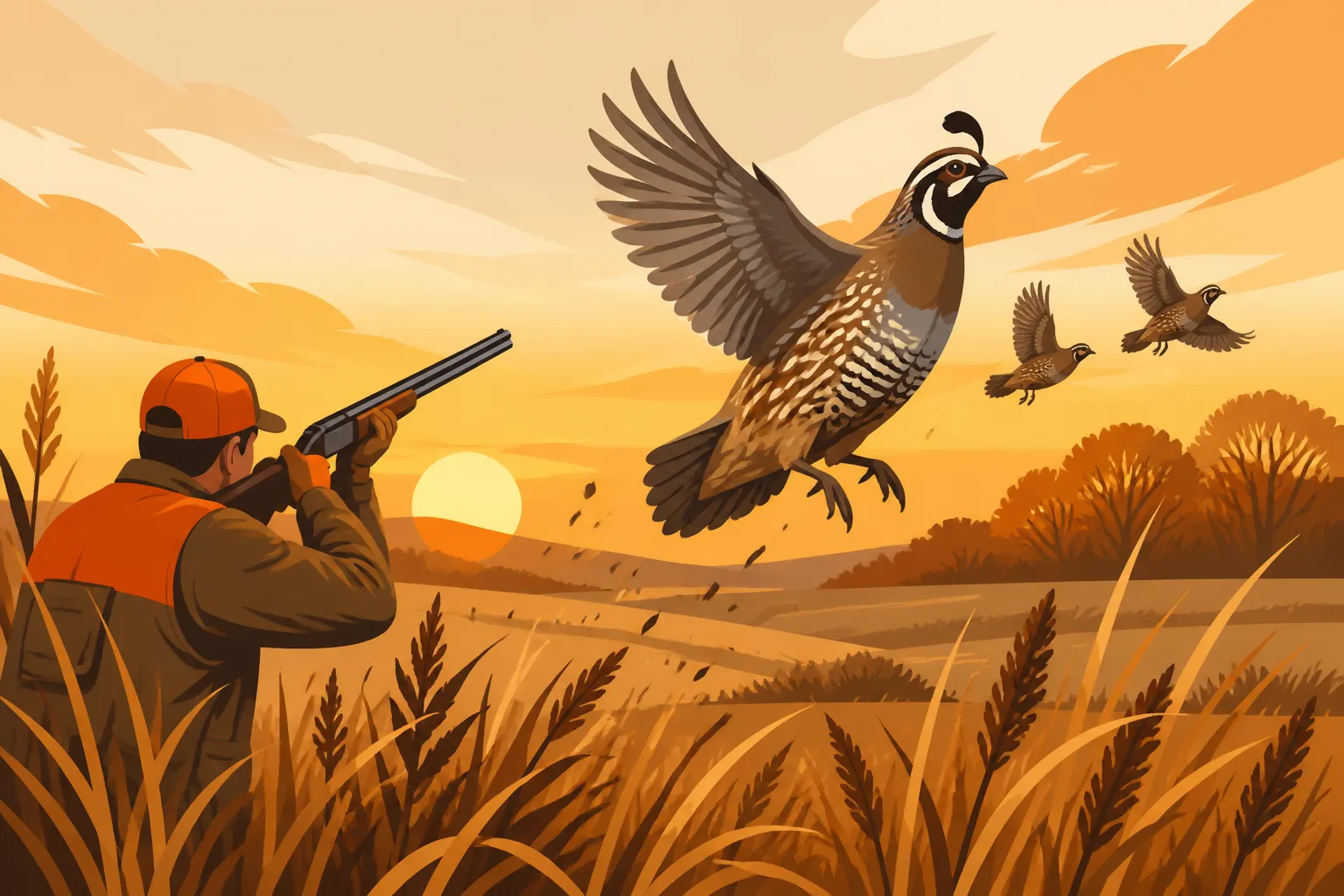
The vibrant, explosive flush of a Missouri covey in early November is a memory many upland hunters cherish. But as the season wears on, the weather turns colder, and the landscape changes, those same quail seem to transform. They become ghostlier, holding tighter until the last possible second, then erupting much further out than they did just weeks before, leaving hunters frustrated by missed opportunities and empty game vests. This guide is dedicated to understanding why late-season quail behave this way and, more importantly, how to adapt your strategy, gear, and dog work to consistently put birds in the bag when the conditions are at their toughest.
Understanding Late-Season Quail Behavior in Missouri
As the calendar pages turn past Thanksgiving and into the deep chill of December and January, Missouri's bobwhite quail face a harsh reality. Their world shrinks, food sources dwindle, and the constant threat of predation from hawks, coyotes, and bobcats ramps up. This natural selection process means the birds that survive into the late season are, by definition, smarter, wilier, and much more sensitive to pressure. They've learned to evade danger, and that often translates to flushing further ahead of a dog and hunter, making them a formidable challenge.
How Food and Cover Change
The lush green growth and abundant seed heads of early fall are long gone by the late season. Crop fields, which offered both food and cover, have often been harvested, leaving only stubble or bare ground. This dramatic shift forces quail into remaining pockets of dense, protective cover where they can find both shelter from the elements and what little food might still be available. Think thick briar patches, plum thickets, dense cedar groves, or brushy draws that connect larger timber blocks to open fields. These areas become critical hubs for survival.
The birds are constantly seeking out these refuges, often congregating in smaller, more concentrated coveys than they did earlier in the year. Their diet also shifts, relying on residual seeds, sumac berries, and whatever insects they can scratch up on warmer days. Because these resources are scarcer, coveys might be more nomadic, moving between coverts in search of sustenance. This makes scouting crucial; you can't rely on historical spots as much as you can on finding the current food and cover matrix. Being able to read the landscape for these specific, denser habitats is paramount to even locating birds in these later months.
Weather's Impact on Covey Location
Weather is arguably the biggest game-changer for late-season quail. Freezing temperatures, ice, and snow don't just make hunting uncomfortable; they directly influence where quail spend their time and how they move. On frigid, windy days, quail will burrow deep into the densest cover imaginable, often on south-facing slopes or in areas protected from the prevailing winds, to conserve body heat. They're trying to minimize energy expenditure, and that means staying put until absolutely necessary. You'll find them in places you might have walked past in October.
Conversely, on rare, mild late-season days, especially after a prolonged cold snap, birds might venture out from their heavy cover earlier in the day to feed more actively. This can create brief windows of opportunity where birds are more accessible, though they'll still be hyper-aware. Snow cover, while beautiful, can make food sources even harder to access, driving birds to specific patches of persistent vegetation like multiflora rose or honeysuckle that can shed snow more easily, or even farmstead windbreaks where waste grain might be blown clear. Understanding these weather-driven patterns allows you to anticipate where birds should be, rather than just randomly walking.
The Pressure Factor
Missouri's bobwhite quail have a limited lifespan, and those that survive into December have certainly seen their share of close calls, both from natural predators and fellow hunters. They've learned to associate human scent, dog scent, and even distant gunshots with danger. This heightened awareness is a significant reason for those longer flushes. A covey that might have held for a close point in November might now be prone to running or flushing 30-40 yards out, or even further, if they detect your approach too early.
This learned wariness means you, and especially your dog, need to adjust your approach. Overly aggressive or wide-ranging dogs can blow coveys out of range before you even get close. Hunters who stomp loudly or talk excessively will likely hear more flushes than they see. The late season demands a more stealthy, methodical approach, almost like still-hunting for deer. Every step, every move, every interaction with your dog needs to be deliberate and aimed at closing the distance to a bird before it decides to run or fly. It’s a chess match, and the quail are seasoned grandmasters by this point.
Adapting Your Hunting Strategy for Longer Flushes
The good news is that while late-season quail present a tougher challenge, they aren't impossible to hunt. The key is adaptation. What worked in October likely won't cut it in January. You need to become more observant, more patient, and more tactical in your approach. It’s about slowing down and thinking like a quail.
Adjusting Your Approach and Speed
Forget the brisk, sweeping walks of earlier in the season. Late-season quail hunting demands a slow, deliberate, and often zig-zagging approach, especially when you're in prime cover. The goal is to surprise the birds, not announce your arrival from afar. Think about how a predator moves – silently, stealthily, using every bit of available cover to mask its presence. You should be doing the same. Move slowly, pause frequently to listen and scan, and let your dog work the wind thoroughly.
When your dog gets birdy, or locks up on point, your approach to the dog becomes critical. Instead of rushing in, take a wide arc if possible, circling downwind to block the birds' escape route. If the cover is too thick for that, move directly but cautiously, eyes peeled, expecting the flush to come much further than you'd prefer. Remember, these birds are prone to running, so a quick, decisive move is often better than a slow, hesitant one once the dog indicates birds. This tactical shift is often the difference between a long shot and no shot at all. If you're Hunting Quail Without a Dog, your approach needs to be even more meticulous.
Shotgun and Choke Considerations
Because late-season birds often flush at longer ranges, your equipment needs to be up to the task. While a more open choke like Improved Cylinder might be ideal for early-season birds that hold tight, you'll want to consider a tighter choke for December and January. A Modified or even a Light Full choke in your first barrel can provide the denser pattern needed to cleanly drop a bird at 30-40 yards. For the second shot, a Modified or Full choke will give you even more reach.
When it comes to ammunition, stick with proven loads that offer good velocity and pattern density. Shot sizes like 7 ½ or 6 are excellent choices for Missouri bobwhites, especially when they're flushing further out. You want enough pellets to ensure a clean kill without over-mangling the bird. Remember, the goal is a clean harvest, not just scattering feathers. Before the season, pattern your chosen loads and chokes at various distances, particularly at 30-40 yards, so you know exactly what your shotgun is capable of. Understanding your Choke Choice for Covey Rises and Shot Size for Missouri Bobwhites is paramount.
Working With Your Dog in Tougher Conditions
Your bird dog is your most valuable asset, but they also need to adapt. Late-season conditions are tough on dogs too – the cold, the frozen ground, and the thicker cover can make their job harder. More importantly, they need to learn to be more cautious. A dog that busts coveys in November will be a constant source of frustration in January. Encourage a tighter, more deliberate range, especially in known quail holding areas. Emphasize a slower pace, giving the dog more time to work scent, especially in areas with sparse scenting conditions due to cold or dry air.
Training for "whoa" or "steady" is more important than ever. When your dog goes on point, give them ample time to confirm the bird's location. Then, move in slowly and deliberately. If birds run, your dog should be trained to follow only on command, allowing you to reposition. Consider investing in protective gear for your dog, like vests or Bird Dog Boots and Cut Pads, to protect them from sharp briars, ice, and frozen ground. Hydration is also key, even in cold weather, so carrying water and a portable bowl in your Upland Vests With Water Capacity is a smart move.
Key Tactics for Success in Late Season
Beyond general adjustments, certain specific tactics can drastically improve your odds when hunting late-season quail in Missouri. It’s about refining your focus and understanding the specific nuances of the environment.
Focusing on Specific Habitat Types
As mentioned, quail gravitate to the densest, most protective cover when the temperatures drop. This means you should spend less time walking open fields and more time scrutinizing areas that offer a combination of thermal cover and food. Look for:
- Dense Thickets: Multiflora rose, osage orange, plum thickets, and blackberry briar patches are like fortresses for quail. These are often found along fencerows, drainages, or edges of timber. These thickets provide incredible protection from both weather and aerial predators.
- Cedar Groves: Small to medium-sized stands of cedar trees offer excellent thermal cover and can hold large coveys. They often have dense undergrowth that provides additional protection.
- Brushy Draws and Creek Bottoms: These natural travel corridors often retain more moisture and hold a greater diversity of vegetation, including sumac and other food sources that persist through winter. They also provide natural windbreaks.
- Field Edges with Heavy Cover: Where a cut crop field meets a dense timber edge or a thick fencerow, this transition zone is always a prime candidate. Working Field Edges and Draws for Quail is a classic tactic for a reason.
- Missouri Conservation Areas with Restoration Efforts: Many public lands managed by the Missouri Department of Conservation (MDC) have undergone significant quail habitat restoration. These areas, which feature native warm-season grasses and shrubby cover, are excellent places to find birds. Tools like GoHunt's detailed maps can highlight these specific habitat types on public access grounds, helping you pinpoint high-potential areas before you even leave the truck. Check out resources like "Finding Coveys on a Restoration Landscape" for more insights on these areas.
The Importance of Wind and Sun
Wind and sun are two often-overlooked factors that play a huge role in late-season quail hunting. Birds are incredibly sensitive to wind chill; they will always try to get out of the wind. This means focusing your efforts on the leeward sides of hills, dense timber blocks, or thickets. If the wind is howling from the north, hunt the south side of a ridge or the protected interior of a cedar stand.
Similarly, sunlight, especially on cold days, is a magnet for quail. South-facing slopes that catch the most sun will warm up faster and offer a more comfortable environment. Quail might sun themselves on the edges of cover, making them slightly more visible or scentable for your dog. Pay attention to how the sun hits the landscape, and adjust your route to maximize your chances of encountering birds in these preferred, sun-drenched, wind-protected spots. Your dog will also work better with the wind in their favor, carrying scent into their nose rather than having to chase it. For more general advice on working with your dog, check out "Walking Missouri Quail Cover With a Dog".
Persistence and Re-working Areas
Late-season quail are masters of evasion. They will run, sneak, and sometimes simply sit so tight you might walk right past them. This means persistence is absolutely key. Don't assume an area is devoid of birds just because you didn't get a flush on the first pass. Often, coveys will run a short distance and then re-group, or they might simply hold through the initial pressure.
If you know an area should hold birds based on habitat and conditions, consider re-working it from a different angle, perhaps with the wind in a new direction. After a flush, mark where the birds went down. Quail often fly in an arc and then drop into the nearest thick cover. Once the covey scatters, the single birds might hold incredibly tight. Spend extra time working these areas slowly and methodically, giving your dog every opportunity to pinpoint individual birds. Using a reliable GPS app, like those found on GoHunt, can help you mark flush locations and track your path, ensuring you cover an area thoroughly and can return to productive spots later. This kind of diligent, thoughtful approach is what separates consistently successful late-season quail hunters from those who pack up early.
Here's a quick comparison of early versus late-season quail hunting characteristics:
| Characteristic | Early Season (Nov) | Late Season (Dec-Jan) |
|---|---|---|
| Covey Behavior | More likely to hold tight, closer flushes | Warier, prone to running, longer flushes, tighter holds |
| Primary Cover | Crop fields, lighter brush, open edges | Dense briars, cedar thickets, brushy draws, south-facing slopes |
| Food Sources | Abundant, diverse seeds, insects | Residual seeds, sumac, scarce insects, waste grain |
| Weather Impact | Minimal, generally mild | Major, extreme cold, wind, snow, ice |
| Dog Work | Broader range often acceptable | Tighter, more deliberate, cautious work |
| Hunter Approach | Brisk, covering ground | Slow, methodical, stealthy, patient |
| Shotgun Choke | More open (IC, Mod) | Tighter (Mod, Full) for longer shots |
| Success Factor | Locating birds in diverse habitat | Adapting to pressured birds, finding dense thermal cover |
Gear and Preparation for Cold Weather Quail Hunting
Hunting in Missouri's late season often means braving some seriously cold weather. Being unprepared not only makes for a miserable day but can also be dangerous. Proper gear and preparation are non-negotiable for comfort and success.
Layering for Comfort
The key to staying warm in the field is effective layering. Start with a moisture-wicking base layer that pulls sweat away from your skin. On top of that, add an insulating mid-layer, such as a fleece or wool garment, to trap body heat. Finally, an outer shell that is windproof and water-resistant is crucial to protect against the elements. You'll be working hard, so breathability is important to prevent overheating and then chilling down. Don't forget a good warm hat, gloves or mittens, and a neck gaiter – you lose a lot of heat from your head and neck. For your feet, choose insulated, waterproof boots that offer good ankle support for navigating uneven terrain. Boots designed for Walking Ozark Rock are often a good choice, even for flatter ground, due to their durability.
Beyond clothing, a well-stocked upland vest is essential. In addition to your shells, consider carrying hand warmers, a thermos of hot coffee or broth, high-energy snacks, and a small first-aid kit. Remember that Missouri Quail Season Dates can extend into mid-January, so those final weeks are often the coldest. The right gear makes all the difference in staying focused on the hunt rather than shivering in discomfort.
Dog Care in Freezing Temperatures
Your canine partner is just as susceptible to the cold, if not more so, given their constant activity and exposure. Provide plenty of high-quality, high-energy food in the weeks leading up to and during the late season to keep their metabolism running strong. Consider a dog coat or vest, especially for short-haired breeds, to help them retain body heat during breaks or transport. After the hunt, dry them thoroughly and get them into a warm, sheltered space as quickly as possible.
Check their paws frequently for ice buildup, cuts, or cracks, which are common on frozen ground. A good paw balm can help prevent cracking. Remember to carry extra water, even if it's cold, as dogs can still dehydrate, especially when expending a lot of energy. A small, insulated bottle of warm water can be a lifesaver for quickly rinsing out an iced-up paw. Your dog's well-being directly impacts their performance, so taking extra steps to keep them warm and healthy in freezing conditions is non-negotiable.
Disclaimer
The information provided in this guide is for general informational purposes only and does not constitute legal advice. Hunting regulations and conditions can change rapidly. Always consult the most current Missouri Department of Conservation (MDC) regulations before engaging in any hunting activities. Adhere to all local, state, and federal laws. Hunter safety is paramount; always follow safe firearm handling practices.