Why Missouri Turkey Poult Survival Fell
Missouri hunters have noticed a disheartening trend over the past few years: fewer young turkeys scampering through the timber. That sight of a hen leading a robust brood of poults in late spring and early summer seems to be rarer, and it’s creating a real concern about the future of our wild turkey populations. This comprehensive guide is here to dig deep into why Missouri turkey poult survival has fallen, exploring the complex environmental, biological, and human factors contributing to this decline, and what it means for hunting.
Understanding Poult Survival and Why It Matters So Much
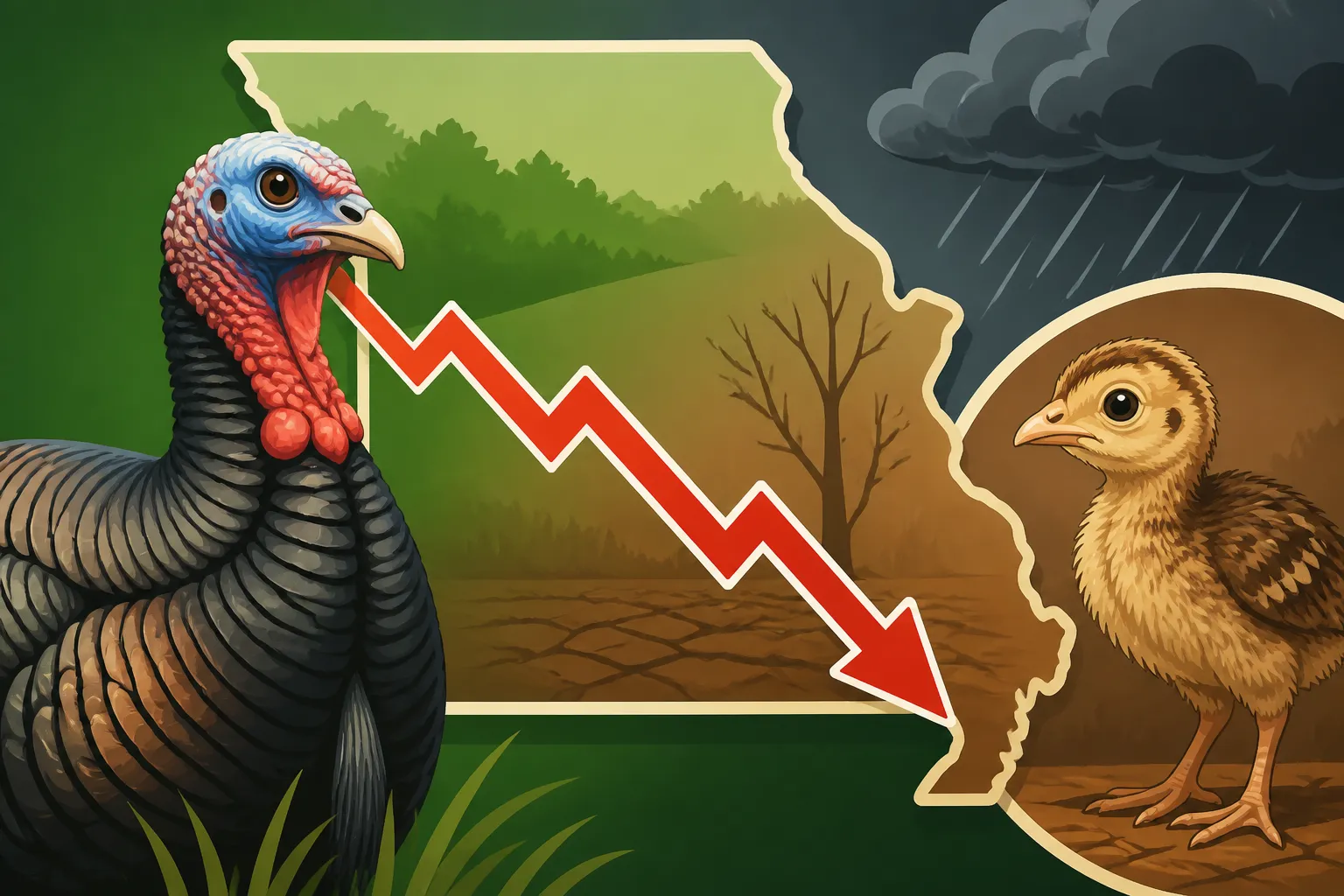
Poult survival, simply put, refers to the percentage of young turkeys (poults) that survive from hatching through their first few weeks or months of life. It’s a critical metric for wildlife biologists because it directly impacts the overall health and future stability of our wild turkey flocks. When poult survival is high, the population thrives and grows; when it's low, numbers inevitably decline. We've certainly been seeing the latter, and it's a cause for concern for anyone who loves hearing a gobbler roar on a spring morning.
The Lifecycle of a Wild Turkey and Early Vulnerabilities
From the moment a hen lays her clutch of eggs, the clock starts ticking on survival. A typical clutch might have anywhere from 8 to 15 eggs. After about 28 days of incubation, if all goes well, these eggs hatch. The newly hatched poults are incredibly vulnerable. They're tiny, often weighing only a few ounces, and can't fly for several weeks. Their primary defense is camouflage and staying hidden in dense cover with their mother. This early period, especially the first two to four weeks, is when most poult mortality occurs.
During these critical weeks, poults are highly susceptible to cold, wet weather, a lack of accessible insect protein (which they absolutely need to grow quickly), and, of course, predation. A sudden cold snap combined with heavy rains can be devastating, leading to hypothermia and starvation for an entire brood. Without enough insects, they simply don't get the nutrients needed to develop feathers, grow strong, and escape danger. It’s a delicate balance, and any significant disruption can spell disaster for the year's recruitment into the flock. It's truly a make-or-break time, and unfortunately, conditions haven't always been in their favor lately.
How Poult Survival Impacts Hunting Seasons
When poult survival consistently dips, we start to see the effects in our turkey harvest numbers a couple of years down the line. A strong year for poults means a good class of jakes and adult gobblers later on, leading to more successful hunting seasons. Conversely, several years of poor poult survival mean fewer mature birds for hunters to pursue, which we’ve certainly been experiencing across much of Missouri. It's not just about the numbers; it affects the overall hunting experience. Seeing fewer birds, hearing fewer gobblers, and finding less sign can be incredibly frustrating for hunters who cherish Missouri's spring woods.
This direct link between poult survival and hunting success is why wildlife agencies, like the Missouri Department of Conservation (MDC), pay so much attention to it. Their ultimate goal is to manage the population sustainably, ensuring future generations can enjoy the same rich hunting traditions we have. Declining poult survival is a flashing red light, signaling that something in the ecosystem is out of balance and requires careful investigation and potential intervention. It's a complex puzzle, but understanding this fundamental relationship is the first step toward finding solutions. If you've been wondering why you're not hearing as many gobbles, this is a huge part of the answer.
A Look Back at Missouri's Wild Turkey Success Story
To truly understand the current challenges, it helps to remember where we came from. Missouri's wild turkey story is actually one of the greatest conservation successes in North America. Just a century ago, wild turkeys were practically non-existent in the state, largely due to unregulated hunting and massive habitat destruction from logging and unchecked agriculture. By the early 1900s, their numbers were estimated to be in the low thousands, if that. It's hard to imagine now, but our woods were virtually silent of gobblers for a long time.
The Incredible Comeback of Wild Turkeys
The turnaround began in earnest in the mid-20th century, thanks to dedicated efforts by the MDC. They initiated a massive trap-and-transfer program, relocating wild-trapped turkeys from remnant populations to suitable habitats across the state. These weren't pen-raised birds; they were hardy, wild turkeys that knew how to survive. This program, combined with strict hunting regulations and habitat restoration, allowed the turkey population to explode. Within a few decades, Missouri became a premier turkey hunting destination, boasting some of the highest harvest numbers in the country. It was a golden era for turkey hunters, a testament to what focused conservation can achieve. You can read more about How Missouri Restored Its Wild Turkeys.
This remarkable recovery created a generation of hunters who grew up experiencing abundant turkey populations. Hearing multiple gobblers on the roost, seeing hens with large broods, and having numerous opportunities to tag out were common experiences. This established a baseline expectation for turkey numbers that, unfortunately, the current populations are struggling to meet. It’s a bittersweet memory for many of us, knowing how good it once was, and yearning for that abundance again.
Shifting Baselines and Hunter Expectations
The historical success created a "shifting baseline syndrome" where our perception of a healthy turkey population is rooted in those peak years. When numbers start to decline, it feels much more dramatic because we're comparing it to an almost unnaturally high point. While current turkey numbers are still far better than a century ago, they are certainly not at the highs of the 1990s and early 2000s. It’s a bit like remembering the glory days and feeling the pinch of the present more acutely.
This shift has led to understandable frustration among hunters. Many remember those days of plentiful birds and wonder what has gone wrong. It's not a simple answer, and it’s important to acknowledge that managing wildlife populations is dynamic. Factors like disease, climate change, and habitat changes are constantly at play, making sustained peak populations a difficult, if not impossible, goal. However, understanding the factors behind the current dip in poult survival is crucial for managing expectations and working towards a healthier future for Missouri's turkeys. For those interested in the broader trends, exploring Missouri Turkey Population Trends can offer a deeper dive into the numbers.
The Environmental and Biological Pressures on Young Turkeys
When we talk about poult survival falling, it's rarely one single boogeyman. Instead, it’s typically a confluence of factors, a perfect storm of environmental and biological pressures that make those critical first weeks of a poult's life even tougher. It’s a complex web where everything is connected, and a problem in one area can exacerbate another.
Unpredictable Weather Patterns
Missouri weather can be notoriously fickle, especially during the spring and early summer when poults are hatching and developing. Cold, wet springs are particularly devastating. Poults lack the feather development to regulate their body temperature effectively, and getting soaked and chilled can quickly lead to hypothermia. This is especially true if a hen's nest is flooded or if she can't find dry, dense cover for her brood during prolonged rain events. A couple of successive cold, wet weeks can wipe out an entire year's worth of new birds.
Beyond the cold, excessive rain also has a direct impact on insect populations. Poults, particularly in their first few weeks, rely heavily on protein-rich insects like grasshoppers, crickets, and spiders for rapid growth. If wet weather suppresses these insect numbers, or if the ground stays too saturated for poults to forage effectively, they simply can't get the nutrition they need. This leads to weaker, slower-growing birds that are more susceptible to disease and predation. It’s a double-whammy: direct mortality from exposure and indirect mortality from starvation and weakness. The impact of Weather in the Weeks After the Hatch is often underestimated but plays a huge role.
Increased Predation Pressure
Predation is a natural part of any ecosystem, and turkeys have always been prey animals. However, a significant concern in recent years is what appears to be increased predation pressure on nests and poults. Raccoons, opossums, skunks, snakes, and coyotes are all opportunistic predators that will readily consume turkey eggs and young poults. While the overall predator population isn't necessarily "out of control," changes in landscape, habitat fragmentation, and even the absence of consistent trapping efforts in some areas can lead to localized increases in predator impact.
When poults are weak from poor nutrition or exposure, they become even easier targets. Furthermore, habitat changes, like the loss of dense nesting and brooding cover, can make hens and their poults more visible and accessible to predators. It's a sad reality that a struggling poult doesn't stand much of a chance. This is a complex issue, as managing predator populations directly is often controversial and difficult at scale. However, understanding that these pressures exist, and how they interact with other factors like habitat quality, is essential. You can dive deeper into the challenges surrounding Nest Predation and Turkey Hatches. Even though we might not see feral hogs directly targeting poults, a look into Missouri Feral Hog Elimination shows how important managing invasive species can be for overall ecosystem health.
Habitat Degradation and Lack of Quality Brooding Cover
This is arguably one of the most critical, yet often overlooked, factors in declining poult survival. While Missouri has vast tracts of timber, the quality of that habitat for nesting hens and vulnerable poults has changed. Ideal brooding cover consists of dense, low-growing vegetation (like native grasses, forbs, and young shrubs) that provides concealment from aerial and ground predators, but is open enough at ground level for poults to easily move through and forage for insects. Think of a "bug factory" that's also a fortress.
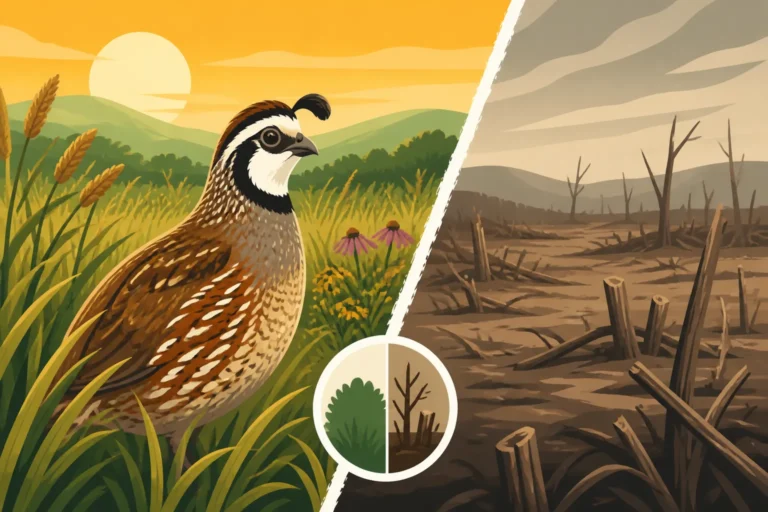
Unfortunately, many parts of Missouri's landscape have seen a decline in this specific type of habitat. Intensive agricultural practices, the spread of fescue (an invasive grass that chokes out native plants and is poor turkey habitat), and overly dense, brushy timber lacking a diverse understory all contribute to a lack of prime brooding areas. When hens are forced to nest and raise poults in suboptimal cover, their chances of success plummet. They become more exposed, and the poults have a harder time finding enough food. Efforts to restore native grasses and implement prescribed burns, like those seen in some areas focused on quail, are vital to creating this essential habitat. Thinking about landscapes like What a Quail Restoration Landscape Is can give insights into ideal mixed habitat.
Emerging Threats and Long-Term Trends Affecting Missouri Turkeys
Beyond the immediate environmental and predatory pressures, several broader, long-term trends and emerging threats are also contributing to the decline in Missouri turkey poult survival. These issues often require landscape-level management and long-term commitment to address. They’re not always obvious, but their cumulative effect is undeniable.
The Indirect Impact of Chronic Wasting Disease CWD
While Chronic Wasting Disease (CWD) is primarily a cervid disease affecting deer and elk, its presence and management have indirect implications for other wildlife, including turkeys. CWD detection often leads to changes in hunting regulations, carcass transport rules, and intensified surveillance efforts. While there’s no direct evidence of CWD affecting turkeys, the overall health of the ecosystem and the management focus on deer can subtly shift resources and priorities. For example, increased deer browse pressure in some areas could alter vegetation in a way that impacts turkey poults.
More significantly, some CWD management zones have seen an increase in deer harvest, which can sometimes impact habitat dynamics. Also, the discussion around wildlife disease raises public awareness about shared habitats and potential cross-species interactions, even if specific links aren't yet clear. The mere presence of a significant wildlife health issue like CWD in the state’s deer herd (you can learn more about Chronic Wasting Disease in Missouri Deer) reminds us that wild populations are always facing dynamic challenges, and that biologists are constantly monitoring the health of all game species. It's a reminder that our wildlife populations are interconnected and vulnerable to numerous threats. Understanding Missouri Wildlife Disease Monitoring provides context for these complex issues.
Changes in Land Use and Forest Management
Missouri's landscape has been in constant flux, and these changes inevitably affect wildlife. The consolidation of small farms into larger, more monocultural agricultural operations, for example, can reduce habitat diversity and eliminate crucial edge cover that turkeys rely on. Where once there were hedgerows, small timber blocks, and diverse pastures, now there might be vast fields of corn or soybeans, offering little to no benefit for young poults. This homogenization of the landscape leaves fewer places for turkeys to thrive.
Similarly, changes in forest management practices can impact turkey habitat. While clear-cutting was historically detrimental, a lack of active forest management, including prescribed burning and selective timber harvest, can lead to overly mature, dense canopies that shade out the critical understory vegetation needed for brooding. Without sunlight reaching the forest floor, those "bug factories" disappear, leaving little food or cover for young turkeys. Promoting diverse forest age structures and incorporating fire into management plans are crucial for creating the mosaic of habitats that turkeys thrive in. The MDC often highlights the importance of active management on areas like Missouri Conservation Areas Explained for this reason, striving for healthier, more productive woodlands.
The Role of Human Activity and Hunting Pressure
While hunters are often the strongest advocates for conservation, human activity, broadly defined, can also contribute to stress on turkey populations. This isn't just about hunting pressure, which is generally well-managed by the MDC to be sustainable, but more about disturbance. Increased recreational use of public lands (hiking, trail riding, mushroom hunting) during critical nesting and brooding periods can inadvertently disturb hens and poults, making them more vulnerable. A hen bumped off her nest in a critical cold snap can mean the end for that clutch.
Regarding hunting, the structure of seasons and bag limits is constantly evaluated. While Missouri Spring Turkey Harvest Numbers remain a key indicator, the emphasis is often shifted to protecting hens and ensuring successful reproduction. For example, some argue that even limited fall turkey hunting, particularly for hens, might have a cumulative negative effect on the breeding population if poult survival is already low. The MDC monitors these factors closely, making adjustments to season dates and bag limits as needed to support population recovery. Hunters also play a role by Scouting Missouri Public Land Before Season to understand patterns of use and minimize disturbance, respecting the critical time hens need for nesting and brooding.
Conservation Efforts and What Hunters Can Do to Help
It's easy to get discouraged when facing such complex challenges, but the good news is that dedicated individuals and organizations are working hard to reverse these trends. Hunters, too, have a vital role to play. We're not just consumers of wildlife; we're often the first line of defense in its protection.
MDC Initiatives to Boost Turkey Numbers
The Missouri Department of Conservation (MDC) is on the front lines, constantly monitoring turkey populations and implementing strategies to improve poult survival. Their work includes:
- Habitat Improvement Programs: MDC provides technical and financial assistance to landowners for creating and enhancing turkey habitat, focusing on practices like native grass plantings, prescribed burning, and forest stand improvement to create better nesting and brooding cover. These efforts literally build the homes that turkeys need to survive and thrive.
- Research and Monitoring: Biologists conduct extensive research on poult survival rates, nest success, and turkey movements using techniques like radio-telemetry. This data helps them understand what factors are most impactful and where to direct conservation efforts. They're also actively studying Poult-to-Hen Ratios and What They Mean to get a clearer picture of reproductive success, looking at how many young birds each hen is successfully raising.
- Regulation Adjustments: Based on research and population trends, the MDC regularly reviews and adjusts hunting regulations, including season lengths, bag limits, and shooting hours (like Missouri Turkey Shooting Hours), to ensure sustainable harvest and protect breeding hens. These adjustments aren't arbitrary; they're informed by hard data to safeguard the resource.
- Predator Management Discussions: While broad predator eradication isn't feasible or desirable, the MDC promotes balanced ecosystems. They also engage in discussions about targeted predator management where local populations might be having an outsized impact on game bird populations, often within the context of specific habitat restoration projects. This isn't about eliminating predators, but about finding a healthy balance.
The Hunter's Role in Turkey Conservation
As hunters, we are often the first to notice changes in wildlife populations, and our involvement is absolutely critical. Our boots-on-the-ground observations are invaluable.
- Report Observations: Become a citizen scientist! Report your turkey sightings, especially broods of poults, to the MDC through their surveys. This information is invaluable for biologists trying to gauge reproductive success across the state. While platforms like GoHunt focus on Western big game, the principle of using digital tools to record and share observations with wildlife agencies is becoming increasingly important for all hunters.
- Habitat Improvement on Private Land: If you own land or lease hunting ground, consider implementing turkey-friendly habitat practices. Plant native grasses and forbs, conduct small-scale prescribed burns (with proper training and permits), and manage your timber for diversity. Even small changes can make a big difference. For instance, creating small openings for bugging areas and providing dense escape cover can dramatically improve local poult survival. Every acre counts!
- Adhere to Regulations and Ethical Hunting: Always follow hunting regulations strictly. Be mindful of harvest limits and consider letting jakes walk, especially if populations are struggling. Ethical hunting practices ensure we're not putting undue pressure on the breeding stock. Our choices in the field have a direct impact.
- Support Conservation Organizations: Join and support organizations like the National Wild Turkey Federation (NWTF) or local conservation groups. These organizations fund vital research, habitat projects, and advocacy efforts that directly benefit wild turkeys. Their work, combined with the MDC's efforts, is what will ultimately safeguard the future of turkey hunting in Missouri. For those interested in expanding their hunting knowledge, even a resource like GoHunt can provide insights into hunting strategies in different regions, fostering a broader appreciation for wildlife and conservation principles that can be applied locally. You can also dive into Missouri Fall Turkey Hunting Tactics to understand how different hunting strategies might align with broader conservation goals.
| Factor Affecting Poult Survival | Description | Primary Impact | Potential Solution/Mitigation |
|---|---|---|---|
| Cold, Wet Weather | Prolonged periods of low temperatures and heavy rainfall during hatching/early weeks. | Direct mortality (hypothermia), reduced insect availability. | Diverse habitat with varied cover, drought-resistant insect forage. |
| Lack of Quality Habitat | Scarcity of dense, low-growing cover for nesting and brooding, poor insect forage. | Increased predation, starvation, exposure. | Native grass/forb plantings, prescribed burns, selective timber cuts. |
| Predation | Increased pressure from opportunistic predators (raccoons, coyotes, opossums). | Nest destruction, direct poult mortality. | Habitat improvement for cover, targeted local predator control (context-specific). |
| Food Scarcity (Insects) | Reduced insect populations due to weather or habitat degradation. | Malnutrition, weakness, slower growth. | Diverse native plant communities, less pesticide use in adjacent areas. |
| Disease (Indirect) | Broader wildlife diseases (e.g., CWD in deer) affecting ecosystem health/management. | Resource shifts, habitat changes (subtle). | Continued wildlife health monitoring, holistic ecosystem management. |
| Human Disturbance | Unintentional disruption of nesting hens and broods during critical periods. | Nest abandonment, increased vulnerability. | Awareness, designated quiet areas, responsible recreational use. |
Looking Ahead: A Collaborative Approach
The future of Missouri's wild turkeys, and by extension, the enjoyment of spring turkey hunting, depends on a collaborative approach. It's not just up to the MDC; it's up to every hunter, landowner, and outdoor enthusiast to understand the challenges and contribute to the solutions. By focusing on robust habitat restoration, monitoring environmental impacts, and supporting sound wildlife management, we can hope to see those vibrant broods of poults once again thriving across the Show-Me State. The more we learn and engage, the better equipped we are to ensure a healthy, sustainable future for our beloved wild turkeys.
Disclaimer
Please remember that hunting regulations and wildlife management strategies are subject to change. Always consult the latest Missouri Department of Conservation (MDC) regulations and guidelines before planning any hunting activities. This article provides general information and insights into Missouri turkey poult survival based on current understanding.