Best-Eating Game in Missouri
Ah, the age-old debate among Missouri hunters: what game truly reigns supreme on the dinner plate? After all the hard work, the early mornings, the battling of ticks and timber, there's nothing quite like sitting down to enjoy the fruits of your labor. But if you've ever wondered which wild game truly offers the most delectable experience, or how to get the absolute best flavor from your harvest, you're in the right place. This guide will walk you through the top contenders for Missouri's best-eating game and share the secrets to preparing a meal that will make all those hunting hours worth it.
The Factors Influencing Game Flavor
Before we dive into the delicious details of specific species, it’s crucial to understand that the flavor of wild game isn't just a roll of the dice. There are several significant factors that directly impact how good (or, let's be honest, sometimes how not-so-good) your hard-earned meal turns out. Ignoring these can mean the difference between a gourmet experience and a tough, "gamey" one that makes your family politely decline seconds.
Animal Diet and Habitat
Think about it: what an animal eats becomes part of its very being. Just like a grass-fed beef steak tastes different from a grain-fed one, a wild animal's diet profoundly influences its flesh. A deer that spends its days gorging on lush alfalfa and corn in a northern Missouri crop field is likely to have a milder, sweeter flavor than a deer that primarily browses on woody stems and acorns in the Ozark hills. The same goes for waterfowl; a mallard feasting on flooded rice fields or acorns will often taste richer and less "fishy" than one that's been eating a lot of aquatic invertebrates.
This is where scouting really pays off, not just for finding animals, but for finding tasty animals. Using tools like GoHunt can help you identify prime feeding areas, allowing you to not only locate game but also anticipate their diet. If you're targeting birds, knowing the specific crops in a given area or the types of natural forage available can clue you into the potential flavor profile before you even pull the trigger.
Age and Sex of the Animal
Generally speaking, younger animals tend to have more tender meat with a milder flavor. A fawn or a yearling deer, for instance, often provides a very lean, delicate venison. As animals age, their muscles work harder, their connective tissues become tougher, and their flavor can become more intense. While a mature bull elk or an old, dominant whitetail buck might be the trophy you're after, be prepared for a potentially tougher cut that requires different cooking methods like slow braising or stewing.
Similarly, the sex of the animal can play a role, especially during the breeding season. A rutting whitetail buck, full of hormones and running himself ragged, can have a stronger, sometimes unpleasant, flavor compared to a doe or a buck harvested outside of the rut. That's not to say a rutting buck can't be delicious, but it might require more attention during the butchering and cooking process to mitigate the stronger taste.
Field Dressing and Cooling Speed
This is, without a doubt, one of the most critical steps in ensuring good-tasting game. The moment an animal is harvested, bacterial growth begins. The faster you can field dress the animal and get its core temperature down, the better the meat will be. Leaving entrails in a deer for hours on a warm October day is a recipe for disaster, leading to off-flavors and potential spoilage. Rapid cooling inhibits bacterial growth and allows the meat to "set" properly.
For deer, this means gutting as quickly as possible, ideally getting it into a cooler with ice or to a processing facility right away, especially during warmer early-season hunts. Field Dressing and Cooling in Early-Season Heat is an essential read for anyone hunting when the mercury is still high. For smaller game like squirrels or rabbits, getting them cleaned and cooled promptly is just as important. For waterfowl, especially, bleeding the bird immediately after harvest can significantly improve flavor by removing blood that can contribute to a "gamey" taste.
Proper Butchering and Aging
Once the animal is cooled, how it's butchered and whether it's aged can make a world of difference. Proper butchering involves removing all hair, dirt, and damaged meat, and separating cuts effectively. Aging, especially for venison, allows natural enzymes in the meat to break down muscle fibers, leading to increased tenderness and a more developed flavor profile. You don't want to age game too long, especially without precise temperature control, but a few days in a controlled environment can transform your venison. For more on this, check out Aging Venison Before Cutting.
Top Contenders for Missouri's Best-Tasting Game
Alright, now for the fun part: pitting Missouri's abundant game against each other in the ultimate taste test! While personal preference always plays a huge role, some species consistently receive high marks from hunters and chefs alike.
White-Tailed Deer
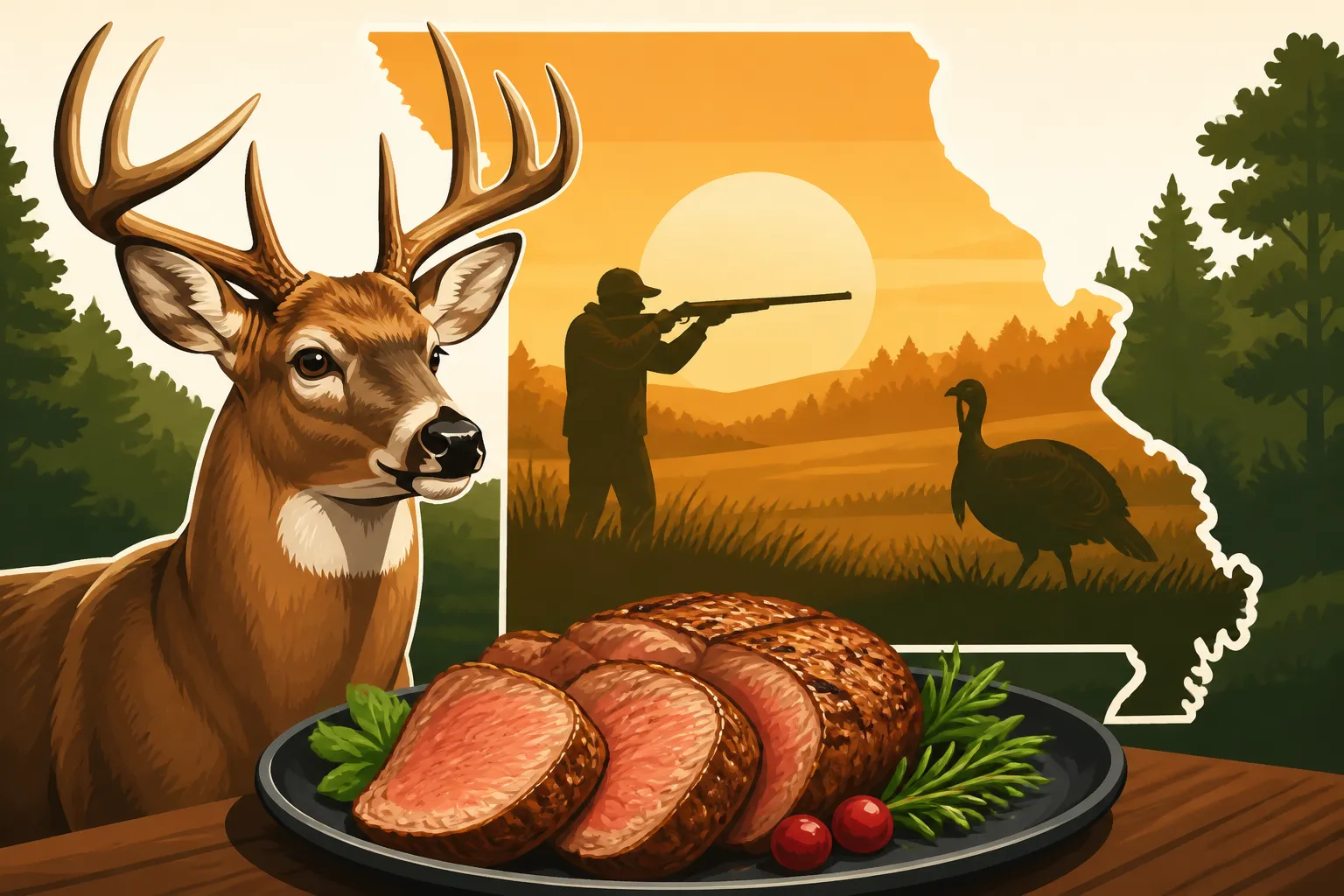
It’s no surprise that venison is a staple for most Missouri hunters. When handled correctly, deer meat is lean, flavorful, and incredibly versatile.
The Appeal of Venison
Missouri's white-tailed deer provide a tremendous amount of high-quality protein. The flavor of venison is often described as rich, earthy, and slightly sweet, especially from younger deer or those feeding heavily on agricultural crops. Compared to beef, it’s much leaner, which means it cooks faster and can dry out if overcooked, but also makes it a healthier red meat option. Many hunters find that venison from a corn-fed deer in North Missouri's big-buck farm country offers a milder taste than one from the more rugged Ozarks, where browse might be the primary food source. The sheer volume of usable meat from even a modest-sized deer is impressive; you can expect a substantial Deer Meat Yield From a Missouri Buck.
Best Cuts and Preparation Methods
Every part of a deer can be used, but certain cuts stand out:
- Backstraps (loins): These are the prime cuts, incredibly tender and perfect for quick searing, grilling, or roasting. They require minimal seasoning to shine.
- Tenderloins: The most tender cut, found inside the cavity. They are small and best enjoyed quickly seared rare to medium-rare.
- Roasts (hindquarters, shoulder): Excellent for slow-cooking methods like braising, stewing, or turning into pulled venison. Marinating these tougher cuts can also help tenderize them and add flavor.
- Ground Venison: A workhorse! Often mixed with a small amount of pork or beef fat, it’s fantastic for burgers, chili, tacos, or sausage.
- Stew Meat: Cubed from various muscles, it's perfect for hearty stews and goulash.
Proper cooking temperatures are key. Given its leanness, venison is best cooked to medium-rare for most cuts to prevent it from becoming dry and tough. A good sear on the outside, leaving the inside rosy, is often ideal.
Wild Turkey
The majestic wild turkey, once a rarity, now thrives across Missouri thanks to successful conservation efforts. And let me tell you, a wild turkey is a completely different bird than anything you'll find in a grocery store.
Why Wild Turkey Tastes So Good
Unlike their domesticated cousins, wild turkeys are lean, active birds. Their meat is richer, darker, and boasts a more robust, earthy flavor that truly tastes like the woods. The breast meat is often lighter in color but still darker than a farmed turkey breast, while the leg and thigh meat is much darker, more muscular, and incredibly flavorful – though it can be tougher. A spring gobbler, freshly harvested after a morning spent calling in Missouri timber, is a culinary prize. Cooking a Wild Turkey Breast is a fantastic way to utilize this prime cut.
Best Cuts and Preparation Methods
- Breast Meat: This is the most sought-after part. It's excellent roasted, grilled, fried, or sliced thin for sandwiches. Because it’s so lean, brining or marinating can help keep it moist. Remember, this meat cooks quickly!
- Legs and Thighs: These are tough and sinewy, but packed with flavor. They are best prepared with slow-cooking methods like braising, stewing, or smoking. They yield incredibly tender, shreddable meat after a long cook, perfect for pulled turkey sandwiches or adding to chili.
- Wings: Often overlooked, but they can be braised or smoked for delicious appetizers, similar to chicken wings.
When preparing wild turkey, avoid overcooking, especially the breast. A meat thermometer is your best friend. For the legs and thighs, don't be afraid to cook them until they are fall-off-the-bone tender.
Waterfowl (Ducks and Geese)
Missouri sits right in the heart of the Mississippi Flyway, making it a prime destination for waterfowl hunters. And if you've only ever eaten chicken or store-bought turkey, you're in for a treat with wild duck and goose.
The Unique Flavor of Waterfowl
Wild ducks and geese offer a deep, rich, often dark red meat with a distinctive, sometimes slightly livery or earthy flavor that's prized by gourmands. The taste can vary significantly between species and what they’ve been eating. A mallard shot over Flooded Timber Duck Hunting in Missouri after feeding on acorns will taste different from a divers (like a bluebill or redhead) taken off a large reservoir, which might have a fishier note due to their diet of aquatic invertebrates. Geese, particularly Canada geese, offer larger, milder breasts that can be incredibly delicious.
Like venison, proper field care is paramount for waterfowl. Promptly bleeding and cooling the birds will drastically improve the flavor, reducing any "gamey" notes. For more on tactics that lead to better eating birds, consider Missouri Flooded Timber Duck Tactics.
Best Cuts and Preparation Methods
- Breast Meat: This is the main event for most waterfowl hunters. Duck breasts are often seared skin-side down to render the fat, then finished to medium-rare. Goose breasts can be treated similarly or roasted whole.
- Legs and Thighs: Like wild turkey, waterfowl legs and thighs are very muscular and best slow-cooked. Confit (cooking them slowly in their own fat) is a classic and delicious method, as is braising or using them in stews.
- Giblets (heart, liver, gizzards): These can be incredibly flavorful when prepared correctly. Duck livers, in particular, are considered a delicacy.
The key to delicious duck and goose breasts is to avoid overcooking them. Aim for medium-rare; anything past medium can turn them dry and tough. The rich flavor pairs wonderfully with fruit sauces (like cherry or orange) or robust red wines.
Small Game (Squirrels and Rabbits)
Don't underestimate the humble squirrel and rabbit! These small game species are often the first animals many of us hunt, and they offer fantastic eating, especially from Missouri's hardwood forests and brushy fields.
The Charm of Squirrel and Rabbit Meat
Squirrel meat is lean, mild, and has a slightly sweet, nutty flavor. It’s often compared to chicken or rabbit but with a more distinct wild taste. Rabbit meat is also very lean, tender, and has a clean, mild flavor, making it incredibly versatile. Both are excellent sources of lean protein and a true taste of the Missouri wild. For tips on pursuing these delightful creatures, check out Squirrel and Rabbit Hunting in Missouri and Rabbit Hunting Brush Piles.
Best Cuts and Preparation Methods
For both squirrel and rabbit, the entire carcass is typically used, with the loin and legs being the primary meat sources.
- Frying: A classic. Cut into pieces, breaded, and fried until golden brown and tender. This works especially well for younger, more tender animals.
- Stewing/Braising: For older, tougher animals, or just for a comforting meal, slow-cooking in a stew or braise will break down connective tissues and create incredibly tender meat.
- Grilling: Marinated pieces of rabbit or squirrel can be surprisingly good on the grill, offering a smoky flavor.
Small game often benefits from brining before cooking to enhance moisture and flavor. The mild taste allows them to soak up marinades and spices beautifully.
Preparing Your Harvest for the Plate
Getting the most out of your game meat involves more than just cooking it. The steps you take from the moment of harvest to the kitchen counter are paramount.
The Importance of Prompt Field Dressing and Cooling
We touched on this earlier, but it bears repeating: speed and hygiene are your best friends. The internal temperature of a harvested animal must be brought down as quickly as possible to prevent bacterial growth that leads to spoilage and off-flavors. This is especially critical in Missouri’s early seasons, when temperatures can still be quite warm.
Imagine you've just taken down a beautiful deer on a sunny 70-degree October afternoon. If you spend two hours tracking, then another hour chatting with your buddy before you even think about field dressing, that meat is already suffering. The goal is to get the guts out, allow the body cavity to cool, and ideally, get the carcass on ice or in a cooler within a few hours. For small game and birds, get them cleaned and on ice immediately. This quick action can literally save your meal from being "gamey" in the bad sense of the word.
Skinning, Butchering, and Aging Techniques
Once cooled, the next steps are crucial.
- Skinning: Get the hide off cleanly and quickly. Hair can easily contaminate meat, so be meticulous.
- Butchering: Remove all shot-damaged meat, bloodshot areas, and any foreign material. Separate the various muscle groups. Knowing your way around a deer carcass will help you maximize your Deer Meat Yield From a Missouri Buck. If you're not comfortable doing it yourself, find a reputable local processor.
- Aging: For venison, controlled aging can dramatically improve tenderness and flavor. This usually involves hanging the carcass or large cuts in a refrigerator or a dedicated cooler at a consistent temperature (around 34-40°F) for several days to a week or more, depending on the animal's age and desired tenderness. This isn't necessary for small game or most birds, which are typically processed and frozen quickly.
Marinades, Brines, and Rubs
Even with perfectly handled game, these techniques can elevate the eating experience.
- Marinades: Acidity (vinegar, citrus, wine), enzymes (pineapple, papaya), and flavorings (herbs, spices, garlic, onion) in a marinade can tenderize tougher cuts and infuse flavor. They're particularly effective for venison roasts or wild turkey legs.
- Brines: A salt-and-sugar solution (often with other aromatics) can add moisture and flavor to lean meats, especially wild turkey breast and waterfowl. A simple brine can prevent drying out during cooking and improve the overall juiciness.
- Rubs: Dry rubs, a mix of spices and sometimes salt and sugar, create a flavorful crust and add depth, especially good for venison backstraps or grilled duck breasts.
Experiment with different flavor profiles that complement the natural richness of wild game. For a true taste of Missouri, think about locally inspired flavors like hickory smoke, apple, or even a touch of elderberry.
Exploring Lesser-Known Delicacies
While deer, turkey, ducks, and small game are the stars, Missouri offers other delicious options if you're open to expanding your culinary horizons.
Fish and Frog Legs
While not traditionally "hunting" in the terrestrial sense, fishing is a huge part of Missouri's outdoor heritage, and our waters teem with delicious species. Don't forget the joy of fried crappie, crispy catfish, or grilled bass. For a truly unique Missouri delicacy, frog legs are fantastic! Often breaded and fried, they have a taste and texture similar to chicken wings. Missouri's frogging season is a summer tradition for many, and the rewards are absolutely delicious.
Foraging and Ethical Harvesting
Beyond the typical game animals, many Missouri hunters also dabble in foraging, finding wild mushrooms, persimmons, and other edibles that can complement a game meal. The ultimate goal is to connect with nature, and food is a profound way to do that.
Regardless of what you're harvesting, always prioritize ethical practices. This means taking clean shots, recovering game promptly, respecting bag limits, and ensuring every animal you take is handled with care and used respectfully. Knowing what you can and cannot hunt in Missouri, and when, is key. Missouri Legal Shooting Hours and Missouri Baiting and Feeding Rules are good places to start for ethical considerations. The entire experience of hunting, from Scouting Missouri Public Land Before Season to the final meal, is a journey that connects us to the land and its resources.
| Game Species | General Flavor Profile | Typical Preparation Methods | Factors Affecting Taste |
|---|---|---|---|
| White-Tailed Deer | Rich, earthy, slightly sweet | Searing, grilling, roasting, stewing, ground | Diet (corn vs. browse), age, field dressing speed |
| Wild Turkey | Rich, dark, earthy, robust | Roasting, grilling, frying, braising, pulled | Age (gobbler vs. hen), season, proper brining |
| Waterfowl | Deep, rich, distinct, sometimes livery | Searing, grilling, confit, smoking, braising | Species (dabbler vs. diver), diet, immediate bleeding |
| Squirrel & Rabbit | Mild, lean, nutty (squirrel); clean, tender (rabbit) | Frying, stewing, braising, grilling | Age, immediate cleaning and cooling |
Ultimately, the "best-eating game in Missouri" is a deeply personal choice. For some, it's the rich, lean venison that graces their table all winter. For others, it's the savory breast of a spring gobbler, or the unique flavor of a wild duck. What we can all agree on, however, is that the satisfaction of providing for yourself and your family with healthy, wild protein, harvested ethically and prepared with care, is a flavor that truly can't be bought.
Disclaimer
This article is for general informational purposes only and does not constitute professional advice. Laws, prices and regulations vary by location and change over time. Consult a qualified professional for guidance on your specific situation.