How Many Acres the Tax Has Bought
One of the biggest frustrations for Missouri hunters is finding quality ground where they can pursue game legally and ethically. It often feels like good hunting spots are either locked up behind private gates or completely overrun by other eager outdoors folks. Thankfully, for decades now, Missouri has had a groundbreaking solution in place that directly addresses this challenge: the dedicated conservation sales tax. This guide is all about diving deep into how this unique funding mechanism has transformed the landscape of hunting opportunities, specifically by acquiring and stewarding an incredible amount of public land for all of us to enjoy.
The Vision Behind the Conservation Sales Tax
Before we talk about the sheer volume of land, it’s important to understand the visionary thinking that made it all possible. Missouri's conservation story is truly unique, built on a foundation of public support and a deep appreciation for our natural resources.
A Groundbreaking Idea for Missouri
Back in the day, like in so many other states, funding for wildlife and wild places in Missouri was a constant struggle. Our conservation agencies were often scraping by, relying on a patchwork of general revenue funds, license sales, and federal grants. While these sources were certainly helpful, they weren't enough to tackle the immense challenges of habitat loss, declining wildlife populations, and the ever-growing need for public access. Hunters and anglers, in particular, felt this pinch keenly, as finding places to pursue their passions became increasingly difficult. The idea of a dedicated, stable funding source for conservation was revolutionary, a way to move beyond the feast-or-famine budgeting of the past and build something truly enduring for future generations. It was about securing a legacy.
This wasn't just about preserving what we had; it was about actively restoring and acquiring. Imagine looking at a map of Missouri decades ago and seeing vast areas with little to no public hunting or fishing access. The visionaries behind the conservation sales tax saw that as a problem that needed a bold, long-term solution. They understood that if we wanted thriving deer herds, booming turkey populations, and abundant waterfowl, we needed dedicated land and consistent management, not just on private ground, but on accessible public lands too. It was a forward-thinking approach that recognized the intrinsic value of both the resource and the opportunity for citizens to experience it. If you're curious about the timeline, you might want to read When Missouri Passed the Conservation Tax.
How the Tax Works
The mechanism itself is elegantly simple and incredibly powerful. In 1976, Missouri voters approved a one-eighth of one percent (1/8 of 1 cent) sales tax dedicated solely to conservation. Think about that for a moment: it's a tiny fraction of every dollar spent on goods and services across the state, but it adds up to a substantial, continuous stream of funding. This isn't just a general tax that might go to conservation; it's constitutionally earmarked. That means every time you buy groceries, gas, clothes, or anything else subject to sales tax in Missouri, a small portion of that money automatically goes directly to the Missouri Department of Conservation (MDC). This financial independence has been a game-changer, allowing the MDC to plan and execute long-term conservation strategies without the constant worry of political whims or budget cuts impacting their core mission.
This stable funding allows for consistent investment in land acquisition, habitat management, outdoor education, law enforcement, and research. Unlike many other states that rely heavily on fluctuating general revenue or bond issues, Missouri's model provides a predictable income. This predictability is crucial for undertaking ambitious projects, like acquiring large tracts of land for new conservation areas, knowing that the funds will be there year after year to pay for them and then manage them effectively. It's a testament to the foresight of Missourians who understood that investing in nature is an investment in our collective future, and it has allowed the state to build an impressive network of public lands. What the One-Eighth-Cent Tax Funds goes into even more detail about how these funds are allocated beyond just land acquisition.
Tracking the Acreage: How the Tax Has Expanded Public Lands
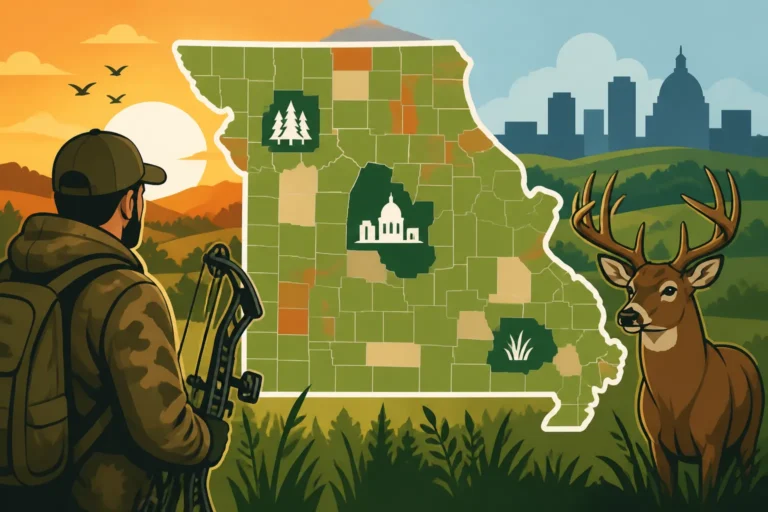
When you look at a map of Missouri today, you see a sprawling network of Conservation Areas (CAs), state forests, and other public lands managed by the MDC. This vast landscape is a direct result of the dedicated conservation sales tax at work.
From Concept to Conservation Area
The journey from identifying a potential tract of land to it becoming a functioning conservation area open to the public is a meticulous process. It often begins with strategic planning, looking at critical habitats, migration corridors, and areas that provide much-needed public access in regions that lack it. Once a parcel is identified, the MDC works with willing landowners to acquire the property, whether through purchase, donation, or easement. These aren't just random purchases; they are part of a deliberate effort to create contiguous blocks of habitat, protect unique ecosystems, and expand recreational opportunities.
Once acquired, the real work begins. The MDC doesn't just buy land and leave it; they actively manage it to enhance wildlife populations and support public use. This could involve prescribed burns to improve glade and prairie habitats, timber stand improvements in hardwood forests, restoring wetlands for waterfowl, or planting native grasses and forbs for quail and deer. Every acre is managed with specific conservation goals in mind, which directly translates into better hunting, fishing, and wildlife viewing experiences for all. For many hunters, being able to walk onto these lands, perhaps aided by digital mapping tools like onX Hunt to understand boundaries and topography, is a profound benefit that the tax has made possible.
The Sheer Scale of Acquisition
It's hard to truly grasp the sheer volume of land that has been acquired and preserved thanks to this one-eighth-cent sales tax. Over the decades, this stable funding has allowed the Missouri Department of Conservation to build an immense estate of public lands. While specific, up-to-the-minute numbers can fluctuate with ongoing acquisitions and boundary adjustments, the impact has been monumental, adding thousands upon thousands of acres to the public domain. This isn't just about a few small plots; we're talking about a vast network of forests, grasslands, prairies, and wetlands spread across nearly every county in the state. How Many Acres MDC Owns provides a broader overview of the MDC's landholdings.
Imagine the countless deer that have found refuge and forage on these lands, the wild turkeys that have roosted in the timber, or the ducks and geese that have utilized the managed wetlands. Each of these acres contributes to the overall health of Missouri's wildlife populations and provides invaluable access for outdoor enthusiasts. For a hunter looking for a new spot, whether it's for Bowhunting Missouri's Four-Month Archery Season in the timber or chasing Northern Bobwhite Quail in Missouri in open fields, the odds are incredibly high that a Conservation Area acquired through this tax is within a reasonable drive. This strategic growth of public land ensures that, despite development pressures, a significant portion of Missouri's natural heritage remains accessible and vibrant.
More Than Just Acres: The Impact on Hunters and Wildlife
While the acreage numbers are impressive on their own, the real story of the conservation sales tax lies in its profound impact on both hunters and the diverse array of wildlife species that call Missouri home.
Enhanced Access for Missouri Hunters
For decades, one of the primary benefits of the conservation sales tax has been the consistent expansion of Public Hunting Land in Missouri. Before this tax, hunters in many parts of the state struggled to find accessible ground. Now, a hunter in nearly any corner of Missouri can often find a Conservation Area or other MDC-managed land within a reasonable driving distance. This isn't just about having any land; it's about having diverse land. From the rugged hills of the Ozarks where you might be Still-Hunting a Missouri Ozark Hollow to the flat agricultural fields of North Missouri where you can find Ground Blinds on Crop Field Edges, the acquired lands offer a wide variety of terrain and habitat.
This widespread access means that new generations of hunters have places to learn and develop their skills, even if they don't have access to private property. It democratizes hunting, making it more accessible to more people. Many of these areas are specifically managed for different types of game, offering everything from deer and turkey hunting to small game, waterfowl, and even predator hunting opportunities. When you open up your mapping app, like onX Hunt, and see the green overlays denoting public ground, you're looking at the tangible results of this conservation funding. It provides countless hours of recreation and connection with nature, which is invaluable.
Habitat Restoration and Management
The beauty of the conservation sales tax is that it doesn't just buy land; it also funds the intensive, ongoing management of that land. Simply acquiring acreage wouldn't be enough if that land wasn't then actively managed to be productive for wildlife. For instance, creating and maintaining the complex wetland systems necessary for Missouri Waterfowl on the Mississippi Flyway requires significant resources, from manipulating water levels to planting specific food crops. The tax allows the MDC to employ biologists, foresters, and land managers who implement science-based strategies to ensure these habitats thrive.
This work directly supports game populations. Deer benefit from diverse forest management that provides both cover and food sources, while turkey numbers are boosted by consistent efforts to improve nesting and brooding habitat. Northern Bobwhite Quail in Missouri rely heavily on specific habitat features like early successional vegetation, which often needs active management like burning or disking to maintain. The tax also supports efforts to combat invasive species, control feral hogs, and monitor wildlife health, including critical issues like Chronic Wasting Disease (CWD). So, every acre bought is an acre stewarded, ensuring that Missouri remains a rich environment for its wildlife and its hunters. You can often find detailed information about these management activities by downloading Missouri Area Brochures and Local Rules for specific Conservation Areas.
Here's a quick look at how the conservation tax impacts various land types and hunting opportunities:
| Land Type Acquired | Primary Hunting Opportunities | Key Habitat Benefits | Hunter Benefit |
|---|---|---|---|
| Forested Timberlands | Deer, Turkey, Squirrel, Predator | Hardwood regeneration, mast production, thermal cover | Expansive areas for still-hunting, Treestand Setups in Hardwood Timber, long walks |
| Wetlands & River Bottoms | Waterfowl, Deer, Small Game, Turkey (fall) | Water retention, specific food crops, nesting areas | Excellent duck/goose hunting, Missouri Flooded Timber Duck Tactics, diverse ecosystems |
| Grasslands & Prairies | Quail, Rabbit, Dove, Deer (edges), Predator | Native warm-season grasses, forb diversity | Prime upland bird hunting, good sightlines for deer, walking extensive cover |
| Glades & Savannas | Deer, Turkey, Small Game, Predator | Unique plant communities, open understory | Unique hunting experience, specific habitat for certain species, diverse terrain |
| Riparian Corridors (Stream/River) | Deer, Turkey, Waterfowl, Small Game, Furbearer | Travel corridors, water sources, diverse vegetation | Connective habitat for wildlife movement, often less pressured access, natural funnel points |
The scale of this effort is truly remarkable. When you're Scouting Missouri Public Land Before Season or navigating with your mapping app, perhaps onX Hunt, remember that the land you're standing on, the habitat you're seeing, and the opportunity you have to hunt there, is very likely a direct result of that small, continuous investment by the people of Missouri. It allows hunters to engage with their passion and contributes to a healthier, more vibrant ecosystem for everyone.
The conservation sales tax has undeniably changed the face of Missouri's outdoors. It has built a legacy of public land access and robust wildlife management that few other states can match. For hunters, it means more opportunities, more diverse habitats, and the assurance that future generations will also have places to connect with nature. It’s a testament to what can be achieved when citizens unite behind a clear, shared vision for conservation. Whether you're applying for Missouri Deer Permits and How to Buy One or simply enjoying the beauty of our White-Tailed Deer Across Missouri from afar, know that this tax is working hard for all of us, every single day, preserving Missouri's wild heritage.
Disclaimer
This article is for general informational purposes only and does not constitute professional advice. Laws, prices and regulations vary by location and change over time. Consult a qualified professional for guidance on your specific situation.