Missouri Quail Restoration Landscapes
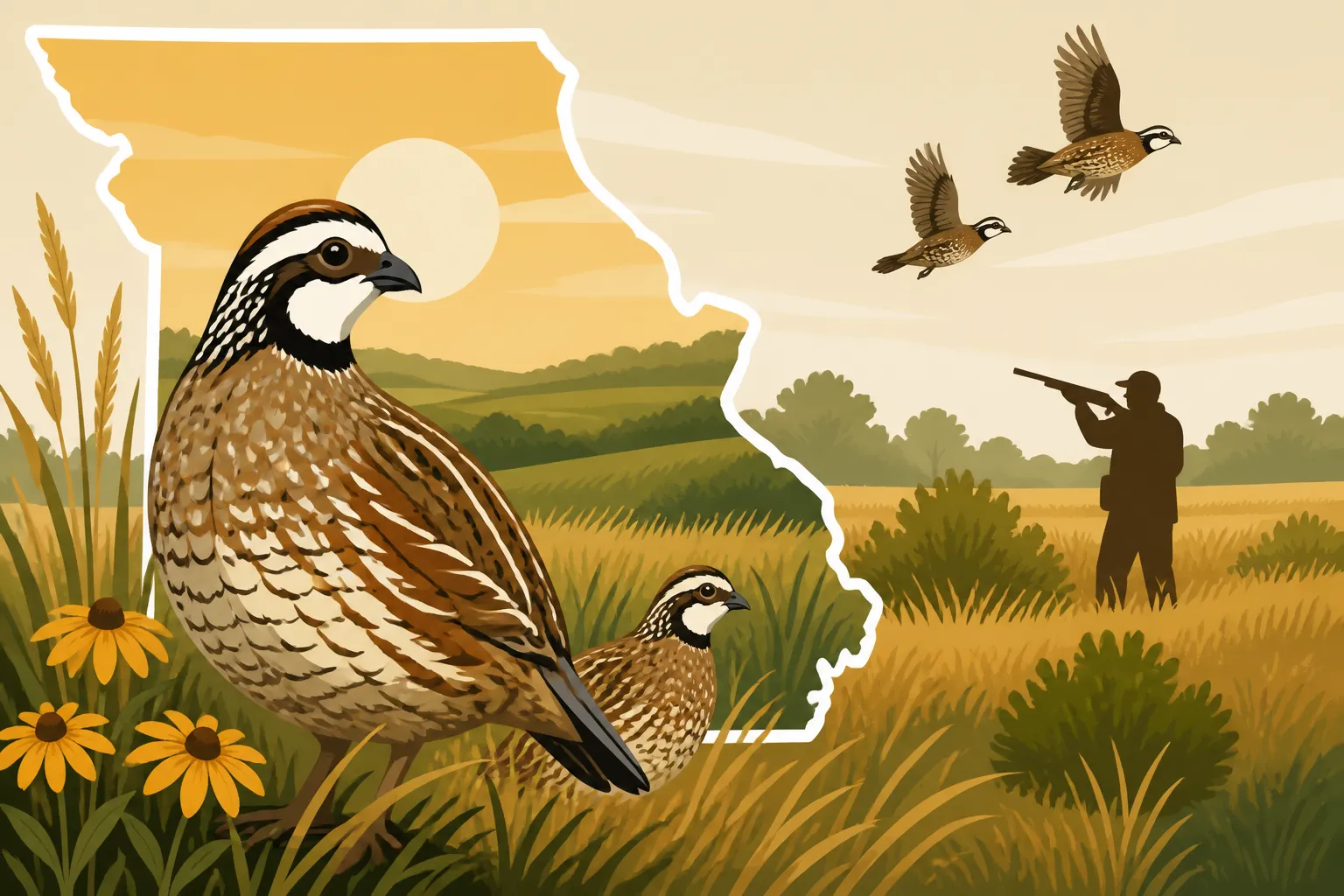
Oh, the Missouri quail. If you’ve spent any time at all walking the fencerows and field edges of this state in the last few decades, you’ve likely felt that sting of disappointment. That moment when you just know there should be a covey in that plum thicket, or along that standing weed row, but the air hangs heavy with silence instead of the explosive flush of bobwhites. It’s a frustrating reality for so many of us who remember the "good old days" or have heard the stories from our fathers and grandfathers about birds being everywhere. This guide is all about diving deep into Missouri's quail restoration landscapes—what they are, why they're so vital, and how they’re offering a real chance to bring back the thrill of a bursting covey.
The Decline and Despair of Missouri Quail
It’s no secret that our beloved bobwhite quail have had a rough go of it. For generations, the whistle of a quail was as much a part of the Missouri soundscape as cicadas in August. But those sounds have become rarer and rarer, leaving many hunters and conservationists wondering if we'd ever hear them regularly again. The decline isn’t just a statistic; it’s a palpable loss for those of us who cherish the tradition and the unique challenge of Walking Missouri Quail Country.
Echoes of Abundance: The Past
I remember my grandpa telling stories about flushing coveys every few dozen yards, of fields absolutely teeming with birds. Missouri was once considered a premier quail state, a place where a good dog and a keen eye could guarantee a full game bag and memories to last a lifetime. Back then, the landscape was a mosaic of small farms, diverse crops, brushy fencerows, and timbered draws—perfect habitat that naturally supported robust quail populations. It wasn't just a few birds; it was an ingrained, expected part of the autumn experience across the entire state, from the Ozark hills to the northern prairies.
This historical abundance wasn't accidental; it was a byproduct of agricultural practices that, while perhaps less efficient by today's standards, inadvertently created an ideal environment for quail. Small, irregularly shaped fields meant more edge habitat. Pastures were often rotationally grazed, allowing for diverse forbs and grasses. Hedgerows and brushy thickets were seen as valuable windbreaks and property markers, not impediments to massive machinery. This rich tapestry provided the year-round cover and food that quail needed to thrive, from nesting cover in spring to winter thermal protection.
The sheer number of birds meant that hunting was often less about finding a covey and more about working a covey once found, managing flushes, and enjoying the camaraderie. It was a time when the biggest challenge might be picking the right Shot Size for Missouri Bobwhites or ensuring your dog didn't get too far ahead. Those days instilled a deep love for quail in generations of Missourians, a love that persists even as the birds themselves became scarce.
The Silence of Empty Coverts: Modern Challenges
Fast forward to today, and the reality is starkly different. The landscapes that once defined quail country have been drastically altered. We’ve seen a shift towards larger, more efficient farming operations, often characterized by vast monocultures—hundreds of acres of corn or soybeans with no fencerows, no brushy edges, and certainly no diverse native plants. What’s efficient for crops, unfortunately, is devastating for quail. These agricultural deserts offer little in the way of nesting cover, insect-rich brood habitat, or refuge from predators during the lean winter months.
Beyond agriculture, urban sprawl and infrastructure development have further fragmented what little habitat remains. Even timber management, when not done with wildlife in mind, can reduce the open understory and diverse plant life that quail require. Pesticides and herbicides, while crucial for modern farming, also eliminate the insect populations that young quail poults depend on for survival, effectively starving them out before they even have a chance. This combination of factors has led to the precipitous Missouri Bobwhite Population Trend we've witnessed, a trend that continues to worry conservationists and hunters alike.
It’s heartbreaking to walk through what looks like perfectly good cover, only to find nothing. The frustration is real, especially when you dedicate time, energy, and even the training of a good bird dog, only to come up empty-handed. The expectation of a covey rise, once almost a given, has become a rare and cherished event. This widespread loss is precisely why the concept of "quail restoration landscapes" has become so critical in Missouri, representing a focused effort to reverse this disheartening decline.
Understanding Missouri's Quail Restoration Landscapes
Given the severe decline, the Missouri Department of Conservation (MDC) and various partners embarked on an ambitious strategy: to create and enhance specific areas where quail could not just survive, but truly thrive. This isn’t just about putting out birdseed; it's a science-backed, holistic approach to habitat management, creating what are known as quail restoration landscapes. These aren't just patches of good cover; they are intentionally designed ecosystems meant to support robust and self-sustaining quail populations across large areas.
Crafting the Perfect Quail Home
At the core of any successful quail restoration landscape is the fundamental understanding that "habitat is king." Quail require a very specific set of interconnected habitat components that provide food, nesting cover, brood-rearing cover, and escape cover, all within a relatively small home range. Think of it as a carefully constructed, multi-room mansion for birds, designed to meet their needs every single day of the year. The goal is to build a complex, diverse environment that shields them from predators, provides ample nutrition, and allows them to reproduce successfully.
This ideal habitat usually starts with a diverse mix of native warm-season grasses such as Big Bluestem, Indian Grass, and Little Bluestem. These aren't your typical turf grasses; they grow in clumps, creating open ground at the base that allows small quail chicks to move easily and forage for insects, while also providing overhead concealment from aerial predators. Interspersed with these grasses are native forbs like partridge pea, lespedeza, and ragweed, which provide critical food sources in the form of seeds and attract the insects necessary for growing poults. These plants are the backbone of a vibrant quail landscape, offering both food and safety.
Beyond the grassy fields, thick, brushy cover is absolutely essential. This means plum thickets, blackberry brambles, Osage orange hedgerows, and small clumps of dogwood or sumac. These dense areas provide critical escape cover from hawks and coyotes, as well as thermal protection during brutal Missouri winters and scorching summers. Without these "safe zones," quail populations simply cannot persist. The ideal landscape integrates all these elements, creating a seamless transition from nesting and foraging areas to secure refuge, all within a short flight. Understanding What a Quail Restoration Landscape Is truly helps in appreciating the meticulous planning involved.
The Art of Habitat Management
Creating and maintaining these complex quail homes isn't a one-and-done project; it's an ongoing, active process of habitat management. It's truly an art form, requiring a keen understanding of ecology and a willingness to constantly adapt. One of the most crucial tools in this toolkit is prescribed fire. Fire, historically a natural force in Missouri’s grasslands and open woodlands, helps to set back woody encroachment, stimulate native plant growth, and create the open understory that quail love. Without fire, many of these open habitats would quickly revert to dense, less valuable cover for quail.
Beyond fire, timber stand improvement (TSI) plays a significant role, particularly in areas bordering woodlands. This involves selectively thinning trees to allow more sunlight to reach the forest floor, promoting the growth of native grasses and forbs, and creating a more open, park-like understory. This isn't about clear-cutting; it's about thoughtful management that enhances the "edge" habitat where forest meets field, an area often highly favored by quail for both food and cover.
Another key component is the strategic planting of food plots, not just for deer, but specifically with quail in mind. These aren't necessarily large fields of corn but rather strips of milo, millet, or even native sunflowers that provide abundant seeds through the fall and winter months. Furthermore, controlling invasive species like sericea lespedeza or fescue is paramount, as these plants outcompete native vegetation and create monocultures that are essentially useless to quail. The work is continuous, requiring dedication and specific knowledge to ensure these restoration efforts truly make a difference in Missouri quail numbers.
Hunting the Restoration Landscape
Okay, so we’ve talked about what these landscapes are and why they’re important. But for us hunters, the real question is: can we actually hunt these areas, and if so, how? The answer is a resounding yes! Missouri's quail restoration efforts are designed to ultimately provide hunting opportunities, as hunter support is critical to funding these conservation initiatives. However, hunting these carefully managed areas often requires a slightly different approach than the old "walk the fencerow" method.
Locating Prime Quail Habitat on Public Land
Finding these gems on public land requires a bit of homework, but it's well worth the effort. The Missouri Department of Conservation (MDC) manages numerous conservation areas across the state, and many of them now have active quail habitat management programs. Your first stop should always be the MDC website, which offers detailed information, including area brochures and maps, that often highlight specific habitat types or management activities. The MDC also publishes annual Covey Counts and What They Show reports, which can hint at areas with strong populations.
Another indispensable tool is the Missouri Conservation Atlas, a truly fantastic resource for any hunter in the state. This atlas, available online and in print, provides detailed maps of all conservation areas, often showing habitat types. When you combine this with modern mapping apps like GoHunt, which allows you to overlay aerial imagery with land ownership boundaries, you can effectively scout from your living room. Look for the tell-tale signs: areas marked as native warm-season grass plantings, brushy draws, timber stand improvements, and active burn units. These are the strong indicators of habitat intentionally managed for quail. Apps like GoHunt can help identify potential holding cover and escape routes before you even step foot in the field, saving you precious time and effort. You can also look for clues on the ground, such as recent burn scars from prescribed fire, which signal active management and often result in excellent forb and grass regeneration within a year or two. Don't be afraid to utilize Reading Aerial Photos for Ozark Deer or other game and apply the same principles for quail, looking for transition zones and diverse cover.
When you've narrowed down a few potential spots, a preseason scouting trip (without the gun, of course) can be incredibly beneficial. Look for old scratchings, dust bowls, and droppings. Identify good escape cover—those dense plum thickets or multiflora rose patches—and note where water sources are located. Remember that quail are creatures of edge, so look for where different habitat types meet: the edge of a native grass field next to a timbered draw, or a brushy fencerow bordering a food plot.
Tactical Approaches for Successful Hunting
Once you've located a promising restoration landscape, the way you hunt it will significantly impact your success. Forget long, straight walks through open fields; quail in these managed areas are going to utilize the diverse cover in a more complex way. This is where a good bird dog truly shines. A well-trained pointer or flusher can cover ground efficiently, identify scent cones, and pinpoint covey locations in thick cover that would be impossible for a human to navigate alone. Your dog should be familiar with working tight cover and be steady to flush and shot.
When you're actually hunting, focus on working the edges. Quail love the transition zones, so systematically walk the borders where native grasses meet brush, or where a timbered edge gives way to an open field. Pay close attention to heavy thickets, particularly those with good overhead cover and dense undergrowth—these are prime escape and loafing areas. During colder weather, south-facing slopes with dense cover will offer more warmth and protection. Consider working into the wind to give your dog the best chance to pick up scent. This might mean adjusting your path frequently, creating a zig-zag pattern rather than a straight line.
After a covey flushes, pay very close attention to where the birds land. Often, they won’t fly far, especially in dense habitat, and they'll scatter into individual points. This is your chance to pick up single birds, which can be even more rewarding. Work the area where they scattered thoroughly, giving your dog time to locate each bird. A good vest with plenty of water for you and your dog, along with a pair of comfortable but durable Boots for Walking Ozark Rock or thick brush pants, will be your best friend. Also, don't forget to review Covey Rise Shooting Discipline before hitting the field; it’s crucial for safety and effective shooting when multiple birds flush at once.
Collaboration: The Key to Quail Comeback
Missouri's quail restoration landscapes are not the product of any single entity. They are a testament to collaboration, a concerted effort involving state agencies, private landowners, conservation organizations, and even individual hunters. This multi-faceted approach is absolutely essential because quail populations, like any wildlife, don't recognize property lines. A truly robust population needs good habitat across broad areas, making cooperation indispensable.
MDC Programs and Private Landowner Engagement
The Missouri Department of Conservation (MDC) is at the forefront of these efforts, not only by managing public lands for quail but also through extensive outreach and assistance programs for private landowners. The reality is that the vast majority of land in Missouri is privately owned, so engaging these landowners is critical for expanding quail habitat beyond public conservation areas. The MDC offers technical assistance, providing expert advice on everything from native grass plantings and prescribed fire plans to developing brushy cover and managing timber for quail.
Beyond technical guidance, the MDC often partners with federal programs, such as those through the USDA's Natural Resources Conservation Service (NRCS), to offer financial incentives and cost-share programs. These programs can help offset the expense of converting fescue pastures to native warm-season grasses, planting hedgerows, or implementing controlled burns. For a farmer or rancher, making these land-use changes can be a significant investment, so these financial incentives are often the push they need to transform less productive agricultural ground into prime quail habitat. These partnerships are literally transforming thousands of acres, creating the larger, interconnected landscapes that quail need to truly flourish across the state.
Many landowners have a deep appreciation for wildlife and a desire to see quail return, but they often lack the knowledge, resources, or time to implement complex habitat projects on their own. The MDC's role is to bridge that gap, empowering individuals to become active participants in the conservation movement. Their work on this front is arguably as important as their direct management of public land in the quest to bring back the bobwhite.
Technology and Community Contributions
In the modern age, technology and community involvement are playing increasingly vital roles in conservation, and quail restoration is no exception. Beyond just mapping tools, digital platforms and citizen science initiatives are helping to gather crucial data and engage more people in the effort. For instance, hunters can contribute valuable information by recording their covey encounters or lack thereof, essentially acting as eyes and ears on the ground.
Apps and services like GoHunt, while primarily known for big game, are evolving to provide sophisticated mapping overlays that can help upland bird hunters. Imagine being able to quickly identify areas of native grass plantings, recent burn units, or even specific vegetation types from your phone before you head out. This kind of detailed satellite imagery and land management information, combined with private and public land boundaries, makes scouting and planning much more efficient. These digital tools empower hunters to not only find better hunting spots but also understand the why behind successful habitat.
Furthermore, citizen science programs, where individuals report wildlife sightings or habitat observations, are invaluable for tracking populations and understanding the effectiveness of restoration efforts. By participating in these programs, hunters and outdoor enthusiasts become part of the solution, contributing to a larger dataset that informs conservation strategies. This collective effort, marrying traditional land management with modern technology and community engagement, is a powerful force driving the future of quail in Missouri. It helps us track the impact of efforts on Missouri Quail Harvest Numbers and adjust strategies accordingly.
The Road Ahead for Missouri's Bobwhites
Bringing back the bobwhite quail is not a quick fix; it's a marathon, not a sprint. We’ve made significant strides in understanding what quail need and how to provide it, but the challenges are persistent and require continuous effort and adaptation. The future of quail in Missouri hinges on our collective ability to sustain and expand these restoration efforts, balancing ecological needs with economic realities and environmental pressures.
Persistent Hurdles in Quail Recovery
Despite the dedicated work, several significant hurdles remain in the path of widespread quail recovery. One of the biggest is habitat fragmentation. Even with successful restoration efforts on individual tracts, if those tracts are isolated by miles of inhospitable landscape, quail struggle to disperse and colonize new areas, limiting gene flow and making populations vulnerable to localized events. The sheer scale of land conversion to monoculture agriculture continues to be a massive challenge, as it’s difficult to reverse those trends on a large enough scale to create truly interconnected landscapes.
Invasive species also pose a constant threat. Plants like sericea lespedeza, a noxious weed that creates dense, impenetrable stands, quickly outcompete beneficial native vegetation, rendering otherwise good habitat useless for quail. Battling these invasives requires ongoing management and significant resources. Weather patterns, increasingly erratic, also play a huge role. Harsh winters can reduce already struggling populations, while exceptionally wet springs can devastate nesting success and poult survival, especially after a bad Weather in the Weeks After the Hatch event. These environmental factors are largely beyond human control but underscore the importance of robust habitat to help quail weather these natural fluctuations.
Finally, sustained funding and public support are crucial. Conservation efforts are expensive, and without continued investment from permits, taxes, and grants, the pace of restoration will slow. Maintaining public awareness and enthusiasm for quail conservation is vital to ensure that these efforts remain a priority for both state agencies and landowners.
Glimmers of Hope and Future Endeavors
Yet, amidst these challenges, there are undeniable glimmers of hope. The success stories on specific quail restoration landscapes across Missouri demonstrate that when we provide the right habitat, quail can and do respond. Hunters and bird watchers are reporting increased sightings in managed areas, a testament to the effectiveness of these targeted programs. The dedication of MDC staff, conservation partners, and enlightened private landowners remains incredibly strong, fueled by a shared passion for these iconic game birds.
Looking forward, the focus will continue to be on expanding the scale of these efforts, striving to connect smaller habitat patches into larger, more resilient landscapes. This means continued outreach to private landowners, innovative funding mechanisms, and ongoing research into the most effective management techniques. There's also a growing emphasis on landscape-level planning, where efforts are coordinated across multiple properties and jurisdictions to maximize impact. Initiatives like the Northern Bobwhite Conservation Initiative, a national effort that Missouri is a part of, illustrate the long-term commitment.
The return of Missouri’s quail isn’t just about hunting; it’s about ecological health, biodiversity, and restoring a piece of our natural heritage. The collective effort to bring back the bobwhite is a powerful example of how sustained conservation can make a real difference, one covey at a time. The sound of that distinctive "bob-WHITE!" whistle echoing across a Missouri field is a future worth fighting for, and with continued dedication, it's a sound we'll hopefully hear much more often.
Key Habitat Elements for Missouri Quail
| Habitat Component | Description | Importance for Quail |
|---|---|---|
| Native Grasses | Clump-forming species like Big Bluestem, Indian Grass, Little Bluestem. | Provides nesting cover, overhead concealment, and open ground for travel and insect foraging. |
| Native Forbs (Weeds) | Broadleaf plants like Partridge Pea, Ragweed, Illinois Bundleflower. | Supplies crucial seeds for food, attracts insects for poults, and creates varied cover. |
| Brushy Cover / Thickets | Dense plum thickets, blackberry brambles, sumac, Osage orange. | Essential escape cover from predators (hawks, coyotes), thermal protection in winter/summer. |
| Timber Edge Habitat | Transition zones where woodlands meet open fields, often with thinned trees. | Offers additional food sources, cover, and travel corridors. |
| Bare Ground | Small areas of exposed soil. | Crucial for dust bathing (parasite control) and easy access to insects. |
| Food Plots | Strips of milo, millet, native sunflowers. | Supplemental winter food source, especially valuable in lean times. |
Disclaimer
Please remember that hunting regulations and land access can change. Always consult the latest Missouri Department of Conservation (MDC) regulations and check specific area rules before planning any hunting trip. Ensure you have all necessary permits and adhere to ethical hunting practices.