Walking Missouri Quail Cover With a Dog
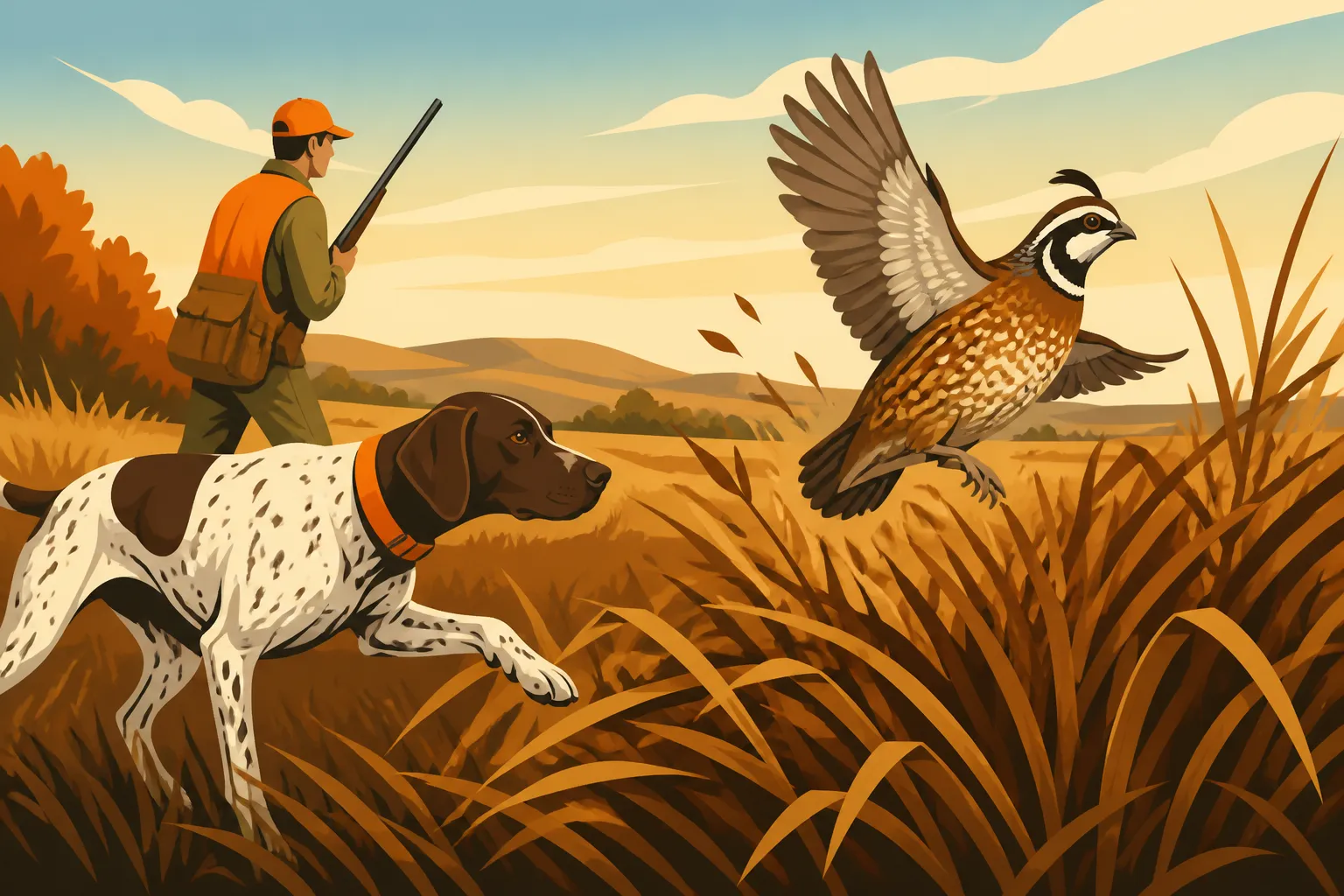
There's nothing quite like the thrill of chasing wild bobwhite quail, and if you've ever tried it without a dog, you know the immense frustration of walking through perfect cover only to have birds flush a hundred yards ahead, or worse, never find them at all. Missouri, with its diverse landscape of timber, fields, and brushy draws, offers some incredible opportunities for upland bird hunters, but unlocking that potential often hinges on having a well-trained canine partner. This comprehensive guide will walk you through everything you need to know about effectively hunting Missouri quail cover with your dog, from understanding the birds' habits to advanced field tactics and essential gear.
Understanding Missouri's Quail Landscape
Missouri's quail hunting scene has seen its ups and downs over the years, and it's a far cry from the "corn rows and coveys" days our grandfathers might remember. But that doesn't mean the opportunities aren't there; it just means we have to be smarter, more dedicated, and really understand the landscape the birds call home.
The State of Missouri's Bobwhite Quail Population
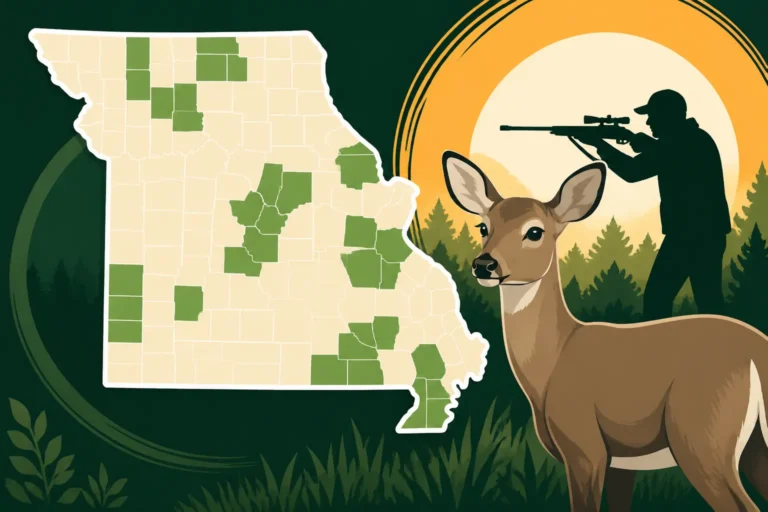
Let's be real, the population numbers for northern bobwhite quail in Missouri aren't what they used to be, and that can be discouraging. Habitat loss and fragmentation are the big villains here, especially with changing agricultural practices and development encroaching on wild spaces. We've lost so much of that crucial "edge" habitat – the transition zones between fields and timber that quail absolutely thrive in. The good news is that the Missouri Department of Conservation (MDC) and various conservation groups are working tirelessly on programs aimed at Missouri Quail Restoration Landscapes. These efforts are making a difference in specific areas, creating pockets where quail numbers are on the rise again.
However, a big part of hunting quail in Missouri now involves managing expectations. You're probably not going to find twenty coveys in a morning like in the old stories. Instead, it's about finding those two, three, or maybe four solid covey rises, getting some good dog work, and enjoying the process. It's about appreciating the wildness of these birds and the habitat they cling to. Understanding these trends helps us appreciate every bird found and every point honored.
Weather patterns, especially during nesting and brood-rearing seasons, also play a huge role. A cold, wet spring can decimate poult survival, leading to fewer birds in the fall. Conversely, a mild, dry spring can mean a bumper crop. As hunters, staying informed about these yearly fluctuations can help us choose our hunting grounds more wisely and adjust our expectations accordingly for the Missouri Quail Season Dates.
Identifying Prime Quail Habitat
So, where do you even start looking for these elusive bobwhites? Quail are creatures of the edge. They love areas where different types of cover meet, providing everything they need within a small radius: dense cover for protection, open areas for dusting, bare ground for foraging, and escape routes. Think about places where native grasses meet brushy thickets, or where old fencerows, heavy with multiflora rose and sumac, run alongside an un-mowed field.
Specifically, look for early successional habitat. This means areas that have been recently disturbed, perhaps by logging, fire, or disking, allowing weeds, forbs, and young shrubs to grow. These messy, seemingly unproductive areas are gold for quail. They provide vital overhead cover from predators and thermal cover in winter, as well as an abundance of seeds and insects. Tall, dense stands of native grasses like big bluestem or switchgrass, especially when interspersed with legumes and broadleaf weeds, are ideal.
Don't overlook those forgotten corners of a farm, either. The strip between a crop field and a timber edge, an overgrown pond dam, or a neglected hedgerow are all prime candidates. These are the places that often get overlooked by larger deer hunting operations but can be a haven for quail. Your dog will be instrumental in helping you sift through this cover.
Public vs. Private Land Opportunities
Hunting quail in Missouri offers both public and private land opportunities, each with its own set of challenges and rewards. Many hunters dream of private land with meticulously managed habitat, and if you have access to that, cherish it! Private landowners who embrace habitat improvement for quail often see incredible results. This is where working with local conservation agencies can really pay off for them, as they might have cost-share programs for habitat work.
For the rest of us, public lands managed by the MDC or other entities are our best bet. Missouri has an impressive network of Conservation Areas (CAs) that offer public hunting. Some of these areas are specifically managed for upland birds, though they might not explicitly say "quail." Look for CAs that have extensive native grass plantings, active timber stand improvement, and prescribed burning programs. These management practices create the diverse early successional habitat quail need. You can often find detailed information about specific CAs on the MDC website or through their Conservation Atlas, which is an invaluable resource for public land hunters.
The challenge on public land is often hunting pressure. Other hunters, even if they aren't targeting quail, can push birds around, and constant human activity can make coveys wilder. This means you might have to walk further, work harder, and embrace areas that are less accessible to find unpressured birds. However, with a good dog and a willingness to explore, you can absolutely find quality quail hunting on Missouri's public ground.
Choosing and Training Your Canine Companion
A quail dog isn't just a pet; it's a partner, an extension of your hunting instincts, and often the key to consistent success in the field. Choosing the right breed and dedicating yourself to proper training will dramatically enhance your quail hunting experience in Missouri.
Popular Quail Dog Breeds for Missouri Conditions
When it comes to quail dogs for Missouri's diverse terrain, you've got some great options, each with its own strengths. The classic pointers and setters are fantastic. Breeds like English Pointers, German Shorthaired Pointers, English Setters, and Brittany Spaniels are bred for this work. They've got the drive, the nose, and the classic style that makes watching them work a true joy. Pointers often cover ground quickly and range wide, which can be great for covering a lot of territory in more open country, while setters might work a bit closer and are known for their beautiful, high-headed points.
Then you have the versatile breeds, like German Wirehaired Pointers or Vizslas, which are fantastic all-around hunting dogs. They can point quail, retrieve ducks, and even blood trail deer. This versatility makes them an excellent choice if you hunt multiple species throughout Missouri's varied seasons. Spaniels, such as English Springer Spaniels, are also phenomenal upland dogs, typically working closer to the gun and flushing birds rather than pointing. While they don't hold a point like a pointer, their systematic quartering and flushing can be incredibly effective in dense cover, making them a great option for Walking Missouri Quail Country where birds might hold tight.
Ultimately, the "best" breed often comes down to personal preference and your hunting style. Do you want a dog that ranges far and wide, covering acres in search of scent, or one that stays close, meticulously working every brush pile? Researching breeders who specifically focus on hunting lines is crucial, as genetics play a massive role in a dog's natural abilities and biddability.
Basic Obedience and Field Readiness
Before you even think about putting your dog on wild birds, they absolutely must have rock-solid basic obedience. This isn't just about manners; it's about safety and control in the field. Commands like "sit," "stay," "heel," and "come" (recall) are non-negotiable. Your dog needs to respond instantly, even with distractions. The "whoa" command is perhaps the most important for a pointing breed, teaching them to freeze on point and not break when the bird flushes.
Start training these commands in low-distraction environments and gradually increase the difficulty. A good training regimen will involve daily short sessions, reinforcing positive behaviors with praise and rewards. E-collars, when used correctly and humanely, can be incredibly valuable tools for reinforcing commands, especially recall and "whoa," from a distance. However, they are training aids, not substitutes for consistent foundational training. Understanding the proper use of an E-Collar Use on Public Ground is critical to avoid misapplication.
Beyond basic commands, your dog needs to be physically fit for the rigors of a Missouri quail hunt. That means regular exercise to build stamina and toughen their pads. Quail hunting means miles of walking through brush, across fields, and over uneven terrain, sometimes in challenging weather. A couch potato dog won't last an hour, and an injured dog is no fun for anyone. Start building up their endurance well before the season opens.
Advanced Quail-Specific Training
Once your dog has the basics down, it's time to layer on the quail-specific skills that truly make them a field partner. For pointing breeds, steady to wing and shot is paramount. This means your dog holds its point when the birds flush and remains steady through the shot, only retrieving on command. This prevents busted coveys, dangerous situations where your dog runs into the line of fire, and ensures you can focus on the shot. This is often taught with pigeons or pen-raised quail in controlled environments, gradually introducing shotgun fire.
Backing and honoring are also vital for multi-dog hunts. Backing is when your dog points when another dog is on point, acknowledging their partner's find. Honoring means your dog respects another dog's point and does not try to get in front of them or break the point. These skills build teamwork and prevent chaos when multiple dogs are working, or when you encounter another hunting party.
Retrieving is another critical skill. A well-trained retriever will find and bring back every downed bird, whether it's a clean kill or a crippled runner. This is not just about filling your vest; it's about ethical hunting and minimizing loss. Force fetching, while demanding, ensures a reliable retrieve. Teaching your dog to deliver to hand, rather than dropping the bird a few feet away, is the icing on the cake. A lost bird is a wasted bird, and a good retriever drastically reduces that possibility.
Essential Gear for You and Your Dog
Hitting the quail cover unprepared in Missouri is a recipe for a bad day. The right gear not only makes the hunt more comfortable but also safer and more productive for both you and your four-legged partner.
Hunter's Attire for Tough Cover
Missouri quail cover can be brutal. You'll be pushing through thorny thickets, multiflora rose, tangled briars, and abrasive native grasses. Your everyday hunting clothes just won't cut it. Investing in heavy-duty brush pants is non-negotiable. Look for pants made from tough, briar-proof materials like waxed canvas, Cordura, or a tightly woven nylon blend. Some even have a waterproof layer to keep you dry when busting through dew-covered grass. Brands like Orvis, Browning, and Filson offer excellent options.
Layering is key for your upper body. A good base layer, a fleece or wool mid-layer, and a durable, blaze orange upland vest or jacket are ideal. The blaze orange isn't just for safety; it's a legal requirement during certain portions of Missouri's deer seasons if you're out there. Even when not required, it's just smart. A good upland vest will have large game bags in the back, shell loops, and plenty of pockets for essentials like water, snacks, and a first-aid kit. For Upland Vests With Water Capacity, some even come with built-in hydration bladders, which are lifesavers on long, hot walks.
Finally, footwear. You'll be doing a lot of walking, often on uneven, rocky, or muddy ground. A comfortable, waterproof, and supportive pair of hunting boots is paramount. Look for models with good ankle support and aggressive tread. Leather boots with a Gore-Tex liner are popular, as are modern synthetic options. Break them in well before the season, or your feet will hate you.
Dog Vests, E-Collars, and GPS Trackers
Just like you need protection, your dog does too. A durable dog vest, often called a skid plate or breastplate, is crucial for protecting your dog's chest and belly from thorns, briars, and sharp sticks. These areas are highly vulnerable, and a gash can end a hunt quickly or lead to costly vet bills. Look for vests made of tough Cordura or similar material, often with reflective elements for visibility.
An e-collar (electronic collar) is an indispensable tool for upland hunting. It provides a means of communication and control at a distance, allowing you to give corrections or reinforce commands when your dog is out of earshot or distracted. As mentioned, responsible use, starting with low settings and proper training, is key. Many modern e-collars integrate with GPS tracking systems, which brings us to the next essential piece of gear.
GPS trackers, like those offered by Garmin Alpha or SportDOG Tek series, are game-changers, especially when Hunting North Missouri's Big-Buck Farm Country or in dense cover where your dog can quickly disappear from sight. These systems allow you to see your dog's exact location on a handheld device, track their movements, and even tell you when they are on point. This not only prevents lost dogs but also helps you find them when they're locked up on a covey in a thicket you might have otherwise walked past. For instance, using a system with a built-in map, especially with topo lines, helps you understand where your dog is in relation to the terrain.
Shotguns and Loads for Missouri Bobwhites
The choice of shotgun for quail hunting in Missouri often comes down to personal preference, but generally, lighter, faster-swinging guns are favored. Twenty-gauge shotguns are incredibly popular for quail. They offer a great balance of light weight for carrying all day, sufficient power to cleanly drop birds, and less recoil than a 12-gauge. Twelve-gauge guns are certainly effective, but many hunters find them a bit heavy for miles of walking and often overkill for a bird the size of a quail. For smaller-framed hunters or youth hunters, a 28-gauge or even a .410 can be perfectly adequate, provided the shooter is proficient.
Choke selection is also important. Quail flushes are fast and chaotic. An Improved Cylinder (IC) or Skeet choke is often ideal for the first shot, offering a wider pattern at close ranges where most quail are shot. A Modified (Mod) choke can be good for the second shot if birds are getting out further. Many over/under or side-by-side shotguns are choked IC/Mod, which is a fantastic combination. Pump-action or semi-automatic shotguns typically use interchangeable screw-in chokes, allowing you to adapt to the cover.
When it comes to Shot Size for Missouri Bobwhites, lead shot in sizes 7.5 or 8 is the standard. These smaller shot sizes throw a dense pattern, increasing the likelihood of hitting a fast-moving bird, and have plenty of energy to cleanly dispatch a quail. For areas where non-toxic shot is required (like some Conservation Areas or near water), bismuth or steel shot can be used, but you might want to go one size larger (e.g., 7 or 6 steel) to compensate for the lighter density. Always check the regulations for the specific area you plan to hunt to ensure you're compliant.
Scouting Before the Season Kicks Off
Effective quail hunting in Missouri doesn't start on opening day; it begins weeks, if not months, beforehand with thorough scouting. This crucial step allows you to pinpoint potential covey locations and develop a solid game plan.
Utilizing Digital Mapping Tools
In the modern age, digital mapping tools are indispensable for scouting. Programs like onX Hunt, BaseMap, and even the MDC's own interactive map on their website, are powerful resources. These apps, often used via your smartphone or a dedicated GPS unit, provide detailed aerial imagery, topographic maps, and crucial property line information. Many offer specific layers that show public land boundaries, habitat types, and even historic burn areas—all invaluable for a quail hunter.
Start by looking for those prime habitat indicators: brushy draws, fencerows, native grass fields, and areas where timber transitions into open ground. The aerial view can reveal old field edges, overgrown logging roads, or small patches of undisturbed cover that might hold birds. Pay close attention to areas around water sources like creeks or ponds, as quail need access to water. You can mark potential covey locations, access points, and parking spots as waypoints on your app, creating a virtual scouting map before you ever set foot on the ground.
These tools also help you understand the lay of the land, identifying potential walk-in access points that might see less pressure, or figuring out how to approach a specific piece of cover to best utilize the wind. For instance, if you're looking for Hunting the Missouri Ozarks or other public lands, the MDC's Conservation Atlas is a goldmine of information, often detailing specific management practices on certain areas. A service like GoHunt can also provide valuable information regarding habitat and public land access, helping you identify promising regions.
Reading the Landscape for Quail Sign
While digital maps get you close, boots-on-the-ground scouting is essential to confirm what you're seeing from above. Early fall, before leaves are completely off the trees and before the season opens, is a great time to walk potential spots. Look for actual quail sign. The most definitive sign is a "covey rise." This is a circular pattern of droppings, often with a few feathers, left behind where a covey has spent the night. Finding one indicates active quail use.
Dusting bowls are another key indicator. Quail, like many ground birds, take dust baths to maintain their feathers and rid themselves of parasites. Look for small, shallow depressions in bare, sandy soil, often under protective cover, where birds have been dusting. These will often have fine, distinct dust trails and maybe a few droppings. You might also find shed feathers, especially contour feathers, which are less conclusive but still a hint.
Pay attention to food sources. Quail eat a variety of seeds, berries, and insects. Look for ragweed, lespedeza, sumac, and wild blackberry patches. If you find good cover combined with abundant food sources, you're likely in a productive area. Remember that quail aren't typically found in dense, mature timber or wide-open, monoculture crop fields. They need that specific messy, mixed cover.
Timing Your Scouting Trips
Timing your scouting trips can make a difference. Spring is an excellent time to identify habitat and locate covey calls, especially the distinctive "bob-white" whistle of the males announcing their presence. While you won't find coveys in the same way you do in fall, you'll confirm that birds are present in the general area and identify nesting cover. This can give you a head start for the next season.
Late summer and early fall are perhaps the most critical times for pre-season scouting. By late August and September, poults are growing, and coveys are forming. This is when you can really start to identify specific areas holding birds. The vegetation is usually still fairly dense, so it can be tough walking, but you'll get a real sense of the cover. This is also when you might hear covey calls in the mornings and evenings. Pay attention to how green fields are drying out or what crop fields have been harvested; these changes affect quail movement.
If you have permission to run your dog (without a gun, of course) during the off-season, that's the ultimate scouting tool. Your dog's nose can confirm the presence of birds, show you exactly where they're holding, and give you an invaluable head start on understanding the coveys in an area. Just be mindful of nesting birds in spring and heat in summer, always prioritizing your dog's safety.
Tactics for Working Quail Cover with a Dog
Once you've done your scouting and the season is open, it's time to put your plan into action. How you approach the cover and manage your dog will directly impact your success.
Hunting the Edges and Transition Areas
As we've discussed, quail are edge-dwelling creatures, and this insight should be the foundation of your hunting strategy. Instead of blindly walking through the middle of a large field or dense timber block, focus your efforts on the transition zones. This means systematically working fencerows, the borders between woods and fields, the edges of overgrown pastures, and brushy creek bottoms. These are the corridors and havens where quail spend their time.
When Working Field Edges and Draws for Quail, imagine the quail's perspective: they want quick access to dense cover for escape, but also open ground for feeding. These edges provide both. Walk parallel to the edge, slightly into the denser cover, allowing your dog to work the full extent of the edge. Quail will often be tucked into the heaviest cover along these lines, sometimes just a few feet from the open. Keep your eyes peeled for any subtle changes in vegetation or terrain that might offer an extra layer of protection, as these are prime holding spots.
Don't be afraid to double back and work an edge from both directions, or to cross a field to check the opposite edge. Coveys often move, and birds can flush wild, landing in unexpected places. The more systematically you work these prime areas, the higher your chances of encountering birds.
Working Wind and Terrain Effectively
Understanding and utilizing the wind is perhaps the most critical tactical element in quail hunting with a dog. Your dog's nose is their superpower, and wind carries scent. Always try to work your dog into the wind or with a quartering wind. This allows the scent cone from the quail to blow back towards your dog, giving them the best chance to pick up the birds' odor and make a solid point.
Hunting with the wind at your back pushes your dog's scent ahead of them, making it much harder for them to locate birds and often resulting in busted coveys as the dog stumbles upon them rather than pointing confidently. If you have to hunt downwind, make sure your dog is working much closer to minimize the risk of blowing past birds.
Terrain also plays a significant role, especially in the more rugged parts of Missouri, like the Ozarks. When climbing a ridge or coming out of a hollow, consider how thermals (air currents created by heating and cooling of the earth) might be affecting scent. In the mornings, thermals often rise, carrying scent up. In the evenings, they fall. This might influence whether you hunt uphill or downhill. Generally, working into a rising thermal is beneficial, as it can lift scent to your dog's nose. Use topographical maps to anticipate these changes and plan your routes accordingly, ensuring you and your dog are always working the most advantageous wind and terrain.
Managing Your Dog's Range and Hunting Pace
One of the biggest challenges, especially with young or high-energy dogs, is managing their range and hunting pace. You want your dog to cover ground and find birds, but not so much that they're out of control, busting coveys, or too far for you to get a shot. In very dense cover, you'll want your dog to work closer, perhaps 20-40 yards out. In more open native grass fields, you can let them range a bit wider, maybe 50-80 yards, as long as you can still keep an eye on them and get to a point quickly.
Communication is key. Use a whistle to call your dog in, send them out, or change direction. A long toot might mean "come," while a short series of toots could mean "change direction" or "hunt this way." Consistency is vital here; your dog needs to understand what each whistle command means. The e-collar is also invaluable for reinforcing these commands, especially when your dog gets excited and pushes their limits.
Your hunting pace should match your dog's work. If your dog is moving fast, searching wide, you'll need to keep up to be in position when they point. If they're working a particularly thick patch slowly, you can slow down and meticulously follow. Remember, the goal is to be within effective shooting range (typically 20-35 yards) when the birds flush. If you're too far back, your dog's point is wasted. Maintaining a steady, rhythmic walk and periodically stopping to scan the cover and let your dog work out scent will lead to more productive hunts.
Reading Your Dog and the Birds
The true art of quail hunting with a dog lies in the unspoken communication between handler and canine. Learning to interpret your dog's signals and anticipating the birds' movements is what separates a good hunt from a great one.
Interpreting Dog Body Language
Your dog will tell you everything you need to know, if you just learn to listen with your eyes. When your dog starts to get "birdy," their body language will change. Their tail might stiffen and wag more frantically, their head might come up, nose working the air, or they might start to creep slowly, taking short, deliberate steps. This is when you know they're on scent, but haven't locked up a covey yet. Get ready, keep pace, and watch for their next move.
The "point" is the ultimate communication. A solid point is unmistakable: the dog freezes, often with one paw raised, head rigid, and tail stiff. The intensity of the point can tell you a lot too. A high-headed, rock-solid point usually means the birds are holding well and are close. A more nervous, low-to-the-ground point might indicate a runner or a less confident hold. Some dogs will "false point" on old scent, but with experience, you'll learn to differentiate.
Also, pay attention to the direction of their nose and body. They are literally pointing at the birds. Use this information to position yourself for the flush. If they're pointing into a dense plum thicket, you know where the birds are likely to explode from. If your dog breaks point and starts to creep, it often means the birds are running. This is where your ability to quickly move and cut them off becomes crucial. This understanding of your dog's cues is essential for Reading an Ozark Hollow for Deer Movement and applies equally to other game.
Anticipating the Flush and Making the Shot
Once your dog is on a solid point, the adrenaline starts pumping. Now it's your turn to get ready. Approach the dog calmly and deliberately. Assess the cover and try to anticipate where the birds will flush. Will they fly out over the open field, or dive deeper into the thicket? Position yourself to have the clearest shot, always keeping your dog's safety in mind – never shoot over your dog's head or towards them.
Walk in front of your dog, or to the side they are pointing, to flush the birds. Move decisively but not frantically. Quail often hold tight, sometimes flushing right at your feet, other times requiring you to stomp the brush a bit. When the covey explodes, it's a dizzying experience – a blur of brown and white wings, often accompanied by their distinctive whirring sound. This is where Covey Rise Shooting Discipline comes into play. Pick one bird, swing through it, and fire. Don't try to shoot multiple birds from the initial covey rise; focus on making one clean shot.
After the initial covey flush, mark where the birds fly and how they scatter. This is called the "covey break." Quail will scatter in all directions, but often land in nearby cover within 50-100 yards. This is your opportunity for singles or doubles. Mentally note landmarks or use your GPS to mark the general area where they went down. Recover any downed birds, then shift your attention to hunting these scattered singles, which often hold much tighter than the initial covey.
Retrieving Fallen Birds
A good retrieve is just as important as a good point. A lost bird is not only a missed meal but an unethical waste. When a bird is down, quickly command your dog to retrieve. Some dogs will mark the fall as instinctively as you do, but if not, guide them with hand signals or by pointing them in the right direction. Encourage them with praise once they have the bird.
If the bird is crippled or a runner, it's even more crucial to get your dog on it immediately. Quail are surprisingly fast on the ground, and a wounded bird can quickly disappear into thick cover. Your dog's nose is your best asset here. Let them work the scent trail, and be prepared to follow them closely. For a dog that's not steady to shot, you might need to hold them until you've clearly marked the fall, then release them for the retrieve.
Make sure your dog delivers the bird gently to hand. You don't want them chomping on the bird or refusing to give it up. This is where diligent training pays off. Always inspect the bird for any leg bands or research information before putting it in your vest. A consistent, ethical retrieve not only maximizes your harvest but also honors the bird and the effort your dog put in.
Safety and Management in the Field
Quail hunting in Missouri is a rewarding endeavor, but it comes with inherent risks. Prioritizing safety for both yourself and your dog, as well as practicing responsible land stewardship, ensures a positive experience for everyone.
Protecting Your Dog from Hazards
Missouri quail cover, while beautiful, is full of potential hazards for your dog. Heat is a major concern, especially during early season hunts in September or October. Dogs can overheat quickly, leading to heatstroke, which can be fatal. Always carry plenty of water and offer it frequently. Watch for signs of overheating: excessive panting, lethargy, or stumbling. Schedule hunts for early mornings or late evenings during warmer weather, and consider shortening your hunt duration. Remember, Bird Dog Boots and Cut Pads can protect against thorns and sharp rocks, but they also insulate the feet, so be mindful of ground temperature.
Thorns, briars, and sharp sticks are ubiquitous in quail habitat. A good dog vest will protect your dog's chest and belly, but their paws are still vulnerable. Inspect your dog's pads frequently for cuts, abrasions, or embedded thorns. Consider carrying a small first-aid kit specifically for your dog, including antiseptic wipes, paw balm, and tweezers. Foxtails and other burrs can also work their way into ears, eyes, and between toes, causing irritation or infection. Check your dog thoroughly after every hunt.
Snakes are another real threat, particularly venomous species like timber rattlesnakes and copperheads, which are common in many parts of Missouri. While a dog vest offers some protection, a snake bite can still be serious. Consider rattlesnake avoidance training if you hunt regularly in snakey areas. Always be vigilant, and if your dog is bitten, seek veterinary care immediately.
Hunter Safety and Etiquette
Hunter safety is paramount. Always treat every firearm as if it's loaded. Keep the muzzle pointed in a safe direction, and your finger off the trigger until you're ready to shoot. Know your safe zone of fire, especially when hunting with partners, and never swing on a bird if another hunter or your dog is in the line of fire. Missouri requires blaze orange during certain portions of the deer season, and while not always legally required for upland birds, wearing it is always a smart choice for visibility. Remember Missouri Hunter Orange Rules mandate specific square inches of coverage.
Communicate clearly with your hunting partners. Let them know when you're loading or unloading your gun, when you're crossing a fence, or when you're moving into a new piece of cover. Use a consistent signal to indicate a flush or a downed bird. Being courteous and communicative prevents accidents.
When hunting public land, be mindful of other users. You might encounter hikers, horseback riders, or other hunters. Give them space, be respectful, and share the resource. Always pick up your empty shotgun shells and any trash. Leave no trace. If you encounter another hunting party, a friendly nod or brief chat is usually sufficient. Avoid encroaching on their hunting area, and don't let your dog interfere with their hunt. Good etiquette ensures a positive experience for everyone and maintains a good reputation for upland hunters.
Post-Hunt Dog Care
The hunt isn't over when the last bird is retrieved. Proper post-hunt care for your dog is essential for their recovery and long-term health. As soon as you're done, offer fresh water. Many dogs won't drink during the heat of the hunt, but they'll be parched afterward. Give them a chance to cool down if it was a warm day.
Thoroughly inspect your dog from nose to tail. Check their ears for burrs or debris, their eyes for irritation, and most importantly, their paws. Look for cuts, scrapes, thorns, or any embedded plant material between their pads. Clean any wounds and apply a paw balm if their pads are dry or cracked. Pay attention to any limping or unusual behavior; early detection of injuries can prevent them from worsening.
After the inspection, a good meal is in order. Your dog has burned a tremendous amount of calories and energy. Provide them with their regular food, perhaps a bit more if it was a particularly strenuous hunt, and allow them to rest in a comfortable, safe environment. Consistent post-hunt care ensures your canine partner is ready and eager for the next outing.
The Future of Quail Hunting in Missouri
The landscape for quail hunting in Missouri is dynamic, and while challenges remain, there's also a lot of hope thanks to dedicated conservation efforts. Being part of the solution is key to ensuring future generations can experience the thrill of a covey rise.
Missouri Quail Restoration Landscapes and Efforts
The Missouri Department of Conservation (MDC) is heavily invested in quail recovery through various programs aimed at restoring and managing habitat. These efforts often focus on creating what are termed "Quail Restoration Landscapes." These are larger contiguous blocks of public or private land where habitat management is intensified to support robust quail populations. The goal isn't just to have a few birds, but enough to withstand natural fluctuations and provide hunting opportunities.
These landscapes typically involve a mosaic of management techniques: prescribed burning to stimulate native grasses and control invasive species, disking to encourage beneficial forbs, timber stand improvement to create brushy edges, and planting native warm-season grasses. One example of a successful program that contributes to this is the state's focus on maintaining What a Quail Restoration Landscape Is by working with private landowners and managing specific conservation areas. Hunters can often find information on where these efforts are concentrated through MDC publications or by contacting local conservation agents. Understanding these initiatives helps us identify where our hunting efforts are most likely to be successful.
Many of these projects also extend to working with private landowners, offering technical assistance and cost-share programs to implement habitat improvements on their property. This collaborative approach is vital, as a significant portion of Missouri's land base is privately owned. The success of these restoration landscapes directly impacts the overall health of the bobwhite population across the state.
Habitat Improvement You Can Do
Even if you don't own hundreds of acres, there are tangible steps you can take to improve quail habitat on your property, or even advocate for on public land you frequent. Creating or maintaining diverse, early successional habitat is the main goal. This might mean leaving field edges un-mowed, allowing brush to grow along fencerows, or creating brush piles. Brush piles provide immediate escape cover and can be relatively easy to construct from downed timber or cleared brush.
Planting native grasses and forbs is another highly effective strategy. Species like big bluestem, switchgrass, indiangrass, and various wildflowers not only provide excellent cover but also a rich source of seeds and insects for quail. Avoiding blanket herbicide use and limiting fall tillage can also benefit quail by leaving food and cover available through the critical winter months. Even a small corner of your property or a portion of a larger field can become a quail haven with the right management.
Prescribed burning, while requiring careful planning and permits, is a powerful tool for habitat management, mimicking natural disturbance cycles. It rejuvenates native plant communities, controls invasive woody species, and improves foraging conditions. If you're a landowner, contacting your local MDC private land conservationist can provide invaluable guidance and assistance in developing a habitat management plan tailored to your property.
Getting Involved in Quail Conservation
The future of quail hunting in Missouri relies heavily on active conservation efforts, and hunters have a vital role to play. Joining and supporting organizations like Quail Forever (QF) is one of the most impactful ways to contribute. QF chapters across Missouri work on the ground, raising funds and organizing volunteers for habitat projects, advocating for quail-friendly policies, and educating the public. Your membership dues and volunteer hours directly translate into more and better habitat.
Participating in local chapter events, whether it's a youth hunt, a habitat work day, or a fundraising banquet, is a great way to meet like-minded individuals and make a difference. Advocacy is also crucial. Contact your elected officials to express the importance of wildlife habitat funding and sound conservation policies. As hunters, we are the original conservationists, and our voices carry weight.
Another way to contribute is through ethical hunting practices. Adhering to bag limits—the Missouri Quail Daily Bag Limit is generous, so don't feel pressured to always fill it—and only taking clean shots ensures a sustainable harvest. Reporting your harvest accurately to the MDC via Telecheck or other surveys provides critical data for population management. By actively engaging in these ways, we become stewards of the land and advocates for the birds we cherish, ensuring that the sound of a flushing covey will continue to echo through Missouri's covers for generations to come.
Disclaimer
Please note that hunting regulations, season dates, and permit requirements in Missouri can change. Always consult the most current Missouri Department of Conservation (MDC) regulations before heading into the field. This guide provides general information and should not be considered a substitute for official MDC resources or professional legal advice regarding hunting laws.