Boots and Packs for Ozark Country
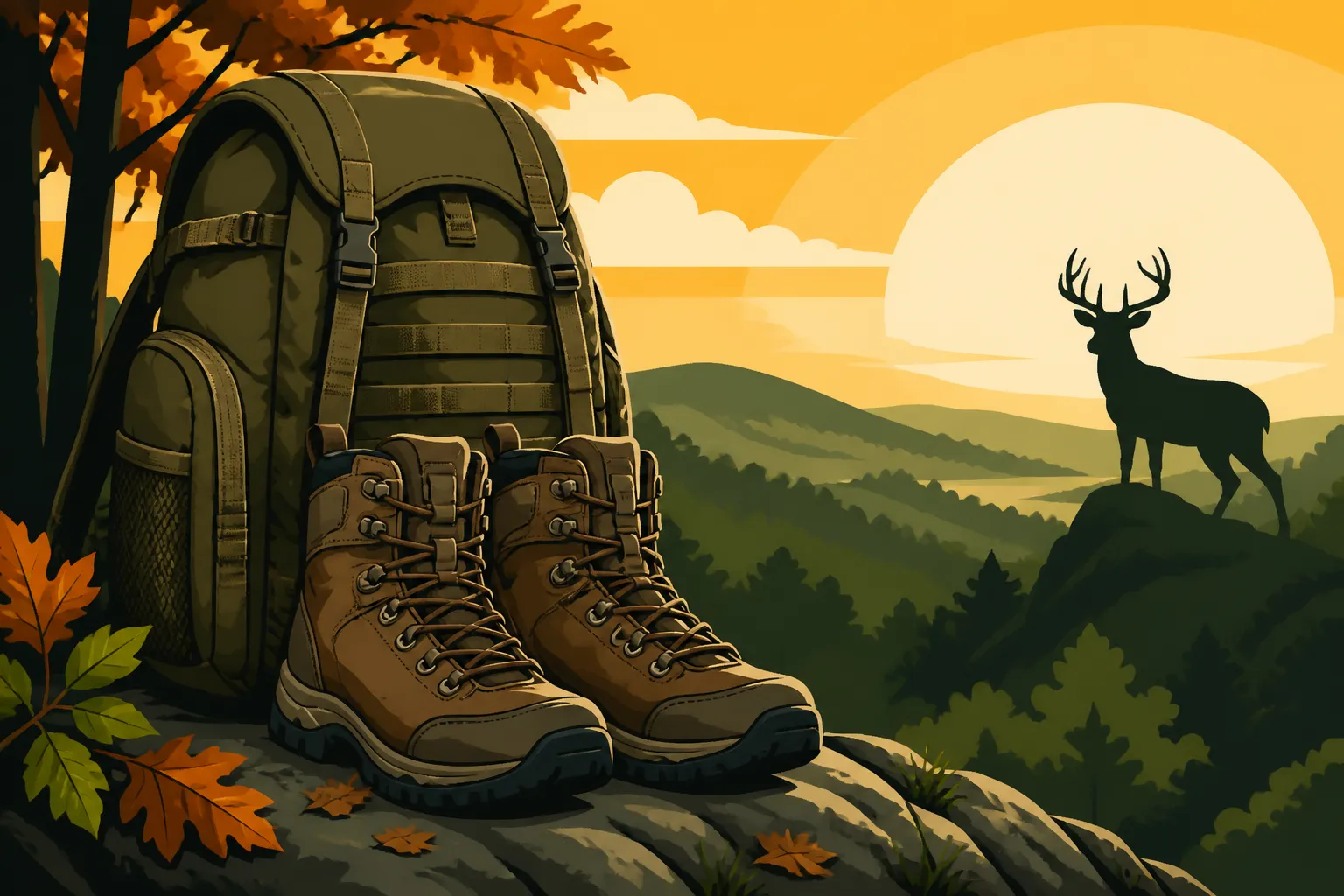
The rugged, beautiful, and often unpredictable landscape of the Missouri Ozarks can be a hunter's paradise, but it's also a place that demands the right gear. Far too many hunters head into these hills with footwear and packs that just aren't up to the challenge, leading to blisters, soaked gear, and even unsafe situations. This comprehensive guide will walk you through everything you need to know about choosing the best boots and packs to comfortably and effectively navigate the unique demands of hunting in Ozark country.
Understanding the Ozark Terrain and Conditions
Before we even talk about specific gear, it's crucial to grasp what you're up against in the Missouri Ozarks. This isn't flat farm country or gentle rolling plains; it's a diverse and often unforgiving environment that will test your body and your equipment. If you don't understand the challenges, you can't pick the right tools to overcome them.
The Rocky, Rugged Landscape
Picture this: you're still-hunting along a ridge, carefully placing each foot, and suddenly your boot slides on a loose chunk of chert, sending a jolt up your ankle. Or you're climbing out of a deep hollow, scrambling over jagged limestone outcrops that seem specifically designed to tear the sole off your boot. This is the reality of the Ozarks. The ground is often a mosaic of sharp rocks, loose gravel, and uneven shale, hidden beneath a carpet of leaves.
This kind of terrain punishes ankles, soles, and even the toughest boot materials. A low-cut hiking shoe might feel light and fast on a smooth trail, but a wrong step on a hidden rock can easily result in a rolled ankle, ending your hunt prematurely. You'll encounter steep inclines that demand traction and confident footing, and descents that require maximum stability to avoid a tumble. The sheer variability of the ground means you need gear that can handle constant abuse and provide unwavering support.
Beyond the rocks, you'll also find yourself navigating thick brush and thorny patches. Multiflora rose, greenbrier, and various other prickly plants are abundant, ready to snag a lightweight pack or scratch exposed skin. Your gear needs to be tough enough to resist these assaults, protecting both itself and you. It’s a real frustration when a meticulously planned stalk is ruined because your flimsy pants or pack get hung up on a thorny vine.
Navigating Creek Beds and Wet Areas
The Ozarks are crisscrossed by countless creeks, streams, and wet-weather drainages. Even if it hasn't rained recently, you're likely to encounter damp ground, muddy banks, and unavoidable water crossings. After a good rain, those gentle trickles can become rushing currents, and low-lying areas turn into boggy swamps. Nothing saps morale faster than cold, wet feet, especially when you're miles from the truck.
Many of these water features are essential travel corridors for deer and other game, meaning you'll often find yourself needing to cross them or walk their edges. Imagine tracking a deer through a narrow hollow, only to have the trail lead directly into a shallow stream. If your boots aren't waterproof, your feet will quickly be soaked, leading to discomfort, blisters, and potential hypothermia in colder weather. Even if you manage to avoid outright immersion, constant exposure to dampness will eventually penetrate lesser materials.
Beyond the obvious water, the dense canopy in many Ozark timber blocks means the ground retains moisture for extended periods, even when the sun is out. You might be walking on what appears to be dry leaves, only to step into a patch of perpetually damp soil. The ability of your boots to shed water and keep your feet dry is paramount. When considering Hunting the Missouri Ozarks, preparing for wet conditions is a year-round necessity, not just a rainy-day precaution.
The Missouri Climate: From Mild to Wild
Missouri weather is famous for its unpredictability. You can experience all four seasons in a single week, or even a single day. Early archery season can bring sweltering heat and oppressive humidity, while the Missouri's Eleven-Day November Firearms Deer Season often starts mild and ends with bitter cold, wind, and even snow. The alternative methods portion in December and January can be downright frigid, with ice and deep snow covering the ground.
This climatic volatility means your gear needs to be versatile. What works perfectly for a balmy September morning chasing squirrels will leave you freezing during a late-season deer sit. Breathability is key in warmer temperatures to prevent sweat buildup, which can lead to chills when the temperature drops. Conversely, adequate insulation is non-negotiable when the mercury plummets. It’s not just about staying warm; it’s about managing your body temperature effectively regardless of what Mother Nature throws at you.
Rain is another constant companion in the Ozarks. From a gentle drizzle that can last for hours to sudden, torrential downpours, you must be prepared for precipitation at any time. Your boots and pack need to offer reliable waterproofing to protect both your feet and the contents of your pack. Getting your extra layers, food, or electronics soaked can quickly turn a challenging hunt into a miserable one. A good set of Rain Gear for an Ozark Downpour will only do so much if your feet and pack contents are vulnerable.
Choosing the Right Boots for Ozark Hunting
Your boots are arguably the most critical piece of gear you'll carry into the Ozarks. They are your foundation, your connection to the ground, and your primary defense against the elements. Skimping here is a surefire way to regret your decision deeply, usually miles from your vehicle.
Key Features for Ozark Boots
When hunting the Missouri Ozarks, you need boots that are built like tanks but feel like clouds. This is a tall order, but modern boot technology comes pretty close. The primary features to look for all center around durability, support, and weather protection.
First and foremost, ankle support is non-negotiable. Look for boots that are at least 8 inches high, sometimes even 10 inches. This extra height provides crucial stability, protecting your ankles from rolls and sprains on uneven ground. A good, stiff shank in the sole also adds stability, preventing your foot from fatiguing as quickly on rocky terrain. Think about all those times you step sideways on a rock or catch your foot on a root – that ankle support makes all the difference between a minor stumble and a season-ending injury. You'll be thankful for it when you're Boots for Walking Ozark Rock.
Next up is waterproofness. A high-quality waterproof membrane, like Gore-Tex or similar proprietary technologies, is essential. This membrane allows moisture vapor (sweat) to escape while preventing external water from entering, keeping your feet dry from both inside and out. Don't confuse "water-resistant" with "waterproof" – in the Ozarks, you need the real deal. Coupled with a waterproof membrane, the boot's construction should minimize seams and use durable, water-repellent materials like full-grain leather or tough synthetic fabrics. Even the best membrane won't help if water can seep in through poor stitching.
Finally, durable outsoles with aggressive traction are paramount. Look for trusted names like Vibram or comparable proprietary compounds known for their grip and longevity. The tread pattern should be deep and multi-directional to provide purchase on loose soil, slick rocks, and mud. A protective toe cap, often made of rubber, is also a wise investment, shielding your toes from impacts against rocks and roots. This kind of outsole provides the confidence you need when navigating steep, slippery slopes, helping you maintain your footing in challenging situations.
Types of Boots for Different Seasons
Just like you wouldn't wear a parka in August, you shouldn't wear the same boots for every season in Missouri. Matching your footwear to the expected conditions will enhance your comfort and performance.
For early archery season and warmer weather hunts (think September squirrel season or scouting in spring), uninsulated or lightly insulated boots are the way to go. These prioritize breathability to prevent your feet from overheating and sweating excessively. Look for models with ample mesh or highly breathable synthetic fabrics, often paired with a waterproof membrane. The goal here is to keep your feet cool and dry, mitigating the risk of blisters that come with hot, sweaty feet. You might even consider some lighter hiking-style boots, as long as they still offer adequate ankle support for the rocky terrain.
As the weather cools for general firearms season in November and into early December, a lightly insulated boot (around 200-400 grams of insulation) is often ideal. This provides enough warmth for most frosty mornings without becoming overly bulky or causing your feet to sweat on longer walks or during milder afternoons. These are your versatile workhorses, capable of handling cold snaps, light snow, and those crisp, perfect hunting days. They strike a good balance between warmth and mobility, which is critical during a fast-paced hunt or a long sit.
For late-season hunts in December and January, or for hunting in deep snow and bitter cold, heavily insulated boots (800 grams or more) are a necessity. These boots often feature thicker outsoles, heavier materials, and substantial insulation to keep your feet warm even when temperatures drop well below freezing. They might be a bit heavier and less nimble, but the warmth they provide is invaluable when you're sitting still for hours in a stand. If you find yourself Hunting Missouri Deer in Deep Snow, these are the boots you'll want on your feet.
Don't forget rubber boots, especially if you frequently hunt flooded timber for ducks, or regularly navigate muddy creek bottoms or swampy areas for deer. While not always ideal for long walks over rugged, rocky terrain due to less ankle support and breathability, they are unparalleled for keeping water out. Some models now offer excellent insulation for cold-weather waterfowl hunting, too. They’re a specialized tool but incredibly effective in the right conditions.
The Importance of Fit and Break-In
You can buy the most expensive, feature-packed boots on the market, but if they don't fit well, they're worthless. A poor fit is a recipe for blisters, foot pain, and a miserable hunt. Never buy hunting boots without trying them on properly.
Always try on boots with the type of socks you'll wear when hunting – typically a good quality wool or synthetic blend. Try them on later in the day, as your feet tend to swell slightly. Make sure you have enough room in the toe box to wiggle your toes, but that your heel doesn't slip excessively. Your foot should feel securely cradled without any pressure points. Walk around the store, go up and down any ramps they might have, and really pay attention to how they feel. A reputable outdoor retailer might even have an artificial rock or incline to test on. Many hunters also rely on resources like GoHunt to read detailed boot reviews and sizing guides, helping them narrow down options before heading to the store.
Once you've purchased your boots, resist the urge to wear them on a multi-mile trek the very next day. Hunting boots, especially those made of leather, require a proper break-in period. Start with short walks around the neighborhood, then move to longer hikes, gradually increasing the distance and difficulty. This allows the materials to soften and conform to your foot, and it gives you a chance to identify and address any potential hot spots before they become debilitating blisters. It's a process that demands patience, but your feet will thank you when you're Walking Missouri Quail Cover With a Dog for miles.
Selecting the Ideal Pack for Your Ozark Adventure
Just like boots, your pack needs to be matched to the type of hunting you're doing. There's no one-size-fits-all solution, and trying to make a small day pack carry quartered deer meat, or lugging a huge expedition pack around for an afternoon sit, will quickly highlight the deficiencies of a mismatched setup.
Day Packs for Scouting and Short Hunts
For those quick scouting trips, afternoon sits in a treestand, or short, close-to-the-truck hunts, a good day pack is indispensable. These packs are designed to carry your essentials without being overly bulky or heavy, typically ranging from 1500 to 2500 cubic inches in capacity.
A well-designed day pack for the Ozarks will have enough space for items like a rain jacket, snacks, water, a rangefinder, binoculars, calls, and a small first-aid kit. Look for one with multiple pockets and compartments to help keep your gear organized and easily accessible. There's nothing worse than rummaging through a cavernous main compartment for a grunt tube when a buck is walking by. A dedicated hydration sleeve is a huge plus, allowing you to carry a water bladder and sip throughout the day without stopping to grab a bottle. Staying hydrated is often overlooked but critical, especially during warmer early-season hunts.
Comfort is key, even for shorter hunts. Ensure the pack has a comfortable, breathable back panel and padded shoulder straps. A sternum strap helps stabilize the load, and a basic hip belt can take some weight off your shoulders, even if it's not a full load-bearing system. Materials should be durable and quiet – noisy fabrics can spook game, especially during a still-hunt. You'll appreciate a pack that rides quietly and comfortably when you're Still-Hunting a Missouri Ozark Hollow and every sound matters.
Multi-Day or Hauling Packs for Deeper Expeditions
If your hunting takes you deep into the Mark Twain National Forest for multiple days, or if you're seriously considering packing out an entire deer in one trip, you'll need a pack with more capacity and specialized hauling capabilities. These packs typically range from 3000 to 5000+ cubic inches.
Internal frame packs are popular for their ability to keep the load close to your body, offering better balance on uneven terrain. They're generally more streamlined and less likely to snag on brush. However, they can be harder to load with bulky, irregularly shaped items like deer quarters. They usually feature sturdy aluminum stays or plastic framesheets that transfer weight to a robust hip belt.
External frame packs, while less common for general hunting these days, excel at hauling heavy, awkward loads. The frame keeps the weight off your back, allowing for better ventilation, and provides a rigid structure to lash on game, stands, or other oversized gear. They might feel a bit clunkier in thick timber, but when you're trying to figure out Getting a Deer Out of a Hollow Alone, an external frame can be a lifesaver. Many serious backcountry hunters still swear by them for their pure load-hauling efficiency.
Regardless of frame type, look for features like robust hip belts designed to transfer the majority of the weight to your hips, adjustable shoulder straps, and load lifters (straps that pull the top of the pack closer to your shoulders) to keep the weight balanced and prevent the pack from sagging. Compression straps are vital for cinching down the load, keeping it stable and preventing items from shifting, which can throw you off balance on steep slopes. For specific brands and models known for their hauling prowess, hunters often check resources like GoHunt for detailed reviews and user feedback on performance in real-world scenarios.
Specialized Features for Ozark Packs
Beyond basic capacity and frame type, certain features can significantly enhance a pack's utility for Ozark hunting. These are the details that separate a good pack from a great one.
Quiet fabrics are at the top of the list. Avoid anything that rustles loudly with every movement. Brushed nylon, fleece, or other soft, quiet materials are ideal. You want to be able to reach for a call or adjust your pack without broadcasting your presence to every deer within a hundred yards. This is especially critical if you plan on Still-Hunting After a Fresh Snow where sounds carry much further.
A rifle or bow carrying system is invaluable if you need to hike long distances with your weapon secure and hands-free. Many packs come with integrated slings, pockets, or compression straps specifically designed to hold a rifle or bow firmly against the pack. This frees up your hands for climbing, carrying trekking poles, or simply navigating rough terrain more safely. Some systems allow for quick access, which is a huge advantage when stalking.
Daisy chains or external attachment points allow you to lash extra gear to the outside of your pack, such as a rolled-up jacket, a rattling bag, or a compact saw. This can be a game-changer when you need quick access to certain items or when your internal capacity is maxed out. Just be mindful of snagging these external items on brush. A dedicated hydration bladder sleeve with a port for the drinking tube is nearly standard on quality hunting packs today, making it easy to stay hydrated on the move. Finally, a built-in or included rain cover is a smart feature, providing an extra layer of protection for your gear in case of an unexpected downpour.
Ergonomics and Comfort: Your Body Will Thank You
Even with the toughest boots and the largest pack, if they don't fit your body and distribute weight properly, you're going to be in for a world of hurt. Ergonomics isn't just a buzzword; it's the science of making gear work with your body, not against it. In the challenging terrain of the Ozarks, proper fit and comfort translate directly into endurance and safety.
The Anatomy of a Well-Fitting Pack
A properly adjusted pack can make a 40-pound load feel manageable, while a poorly adjusted one can make 20 pounds feel like a ton. The key is to get the weight off your shoulders and onto your hips, where your body is much more efficient at carrying it.
Start with the hip belt. This is the anchor of your pack. It should sit directly over the top of your hip bones, not sagging down around your waist. Many packs have adjustable hip belts to accommodate different waist sizes. Once cinched tight, you should feel the majority of the pack's weight resting firmly on your hips. If your shoulders are still bearing most of the load, something isn't right.
Next, adjust the shoulder straps. These should curve comfortably over your shoulders without digging in. They mainly serve to stabilize the load, keeping the pack from falling backward, rather than carrying primary weight. Too loose, and the pack will sway; too tight, and your shoulders will scream. The sternum strap connects the shoulder straps across your chest and helps pull them inward, preventing them from sliding off your shoulders and distributing a small amount of weight across your chest. This is especially useful for stability when navigating steep grades.
Finally, the load lifter straps are the often-overlooked heroes. These are the straps that run from the top of the pack frame or body to the top of the shoulder straps. When tightened correctly, they pull the top of the pack closer to your body, preventing it from leaning backward and creating leverage that can fatigue your shoulders. They help center the load and make it feel more stable and integrated with your body, which is crucial when climbing in and out of those steep Ozark hollows.
Carrying Weight in Uneven Terrain
The Ozarks are not a place for sloppy packing. When you're constantly climbing, descending, and traversing rocky, uneven ground, every ounce matters, and where that ounce sits within your pack is critical.
The general rule is to keep the heaviest items close to your back and centered horizontally within the pack. This helps maintain your center of gravity and prevents the pack from pulling you off balance. For example, if you're carrying a water bladder, make sure it's snug against your back. If you have extra ammunition or a heavy game camera, place it carefully in the middle of the pack, not at the very top or bottom. This centralized weight distribution makes it much easier to negotiate steep, rocky sections and prevents the pack from swinging independently of your body.
When you're ascending a steep ridge, a pack that's balanced and rides close will feel like an extension of your body, allowing you to focus on your footing. Conversely, a pack with shifting weight or poor distribution will constantly fight against you, leading to unnecessary fatigue and increased risk of a stumble. Remember the principle of Wind and Thermals in Ozark Hills – external factors can influence your balance, and a well-packed bag helps counteract that. When you do harvest a deer and are quartering it, carefully placing the heaviest sections of meat directly against your back will significantly improve your ability to carry it out over miles of rugged ground.
Hydration and Accessibility on the Move
In the Ozarks, you're often miles from a reliable water source, and the terrain can be demanding. Easy access to hydration and frequently used gear can save you time, effort, and potentially prevent you from missing an opportunity.
A hydration bladder system is generally superior to water bottles for hunting in the Ozarks. A bladder nestled in your pack allows you to sip water throughout the day without stopping, taking off your pack, and fumbling with a bottle. This constant, easy access helps prevent dehydration, which can creep up on you even in cooler weather, especially when you're exerting yourself. Look for bladders with insulated hoses for colder weather to prevent the water from freezing in the tube.
Beyond water, consider the items you'll need frequently and place them in easily accessible pockets. Your grunt tube, rattling antlers, rangefinder, wind checker, and a quick snack should all be within arm's reach without having to remove your pack. Hip belt pockets are excellent for this, as are side pockets that you can reach by swinging the pack forward slightly. This quick accessibility allows you to react instantly to game sightings, manage your calls, or grab a quick energy boost without breaking your stride or making unnecessary movements. When Rattling and Grunting in the Rut, you don't want to be fumbling around in your pack.
Essential Pack Contents for the Ozark Hunter
Your pack is more than just a container; it's your mobile survival kit. What you choose to put in it can mean the difference between a successful, safe hunt and a problematic one. For the Ozark hunter, preparing for the unexpected is not paranoia; it's smart planning.
Safety and Navigation Essentials
Getting lost or injured miles deep in the Mark Twain National Forest is a serious concern. These items are your insurance policy.
First, a reliable first aid kit is non-negotiable. It should be comprehensive enough to handle cuts, scrapes, blisters, sprains, and basic emergencies. Think about what you'd need if you were to fall and cut yourself on a rock or twist an ankle. Bandages, antiseptic wipes, pain relievers, gauze, medical tape, and any personal medications are a starting point. Don't just throw a few bandaids in there; invest in a proper kit. Refer to guides on First Aid Kits for Remote Ozark Ground for detailed suggestions.
Next, navigation tools are paramount. While your phone with a mapping app like onX Layers for Missouri Land Status is powerful, always carry a backup. A physical compass and a topo map of your hunting area are essential, even if you mostly rely on GPS. Batteries die, phones get dropped in creeks, and signal can be spotty in deep hollows. Knowing how to use a compass and map can be a literal lifesaver. A headlamp with fresh batteries (and spares!) is another must-have, especially if you plan on staying out until dusk or if you need to track a deer after dark. Unexpected delays can easily leave you walking out in the dark.
Finally, think about fire starting and emergency shelter. A reliable fire starter (e.g., waterproof matches, lighter, ferro rod) can provide warmth and signal in an emergency. A lightweight emergency blanket or survival tarp can offer crucial protection from the elements if you're forced to spend an unexpected night out. These items are small and light but have immense value when things go sideways.
Tools and Field Dressing Gear
Once you've successfully harvested an animal, your pack needs to be ready for the work that follows. Being prepared for field dressing and meat care is vital, especially when you're far from a processing facility.
A sharp hunting knife is obvious, but often overlooked is carrying a backup or a replaceable blade utility knife. A small bone saw can make quick work of a sternum or pelvis, making field dressing much easier. Disposable gloves are a must for hygiene and preventing contamination. Game bags are essential for protecting the meat from dirt, insects, and drying out, especially if you plan on quartering and packing out. Consider robust, breathable synthetic bags over cotton ones.
For those warmer early-season hunts, special attention to Field Dressing a Deer in Warm Weather is critical. This often means carrying extra game bags, perhaps even some cooling towels, and making plans for rapid cooling. If you're planning to pack out an entire deer in pieces, durable rope or cord can be invaluable for securing quarters to an external frame pack or even dragging smaller sections. These tools help ensure that your hard-earned harvest is cared for properly and doesn't spoil.
Personal Comfort and Contingencies
These are the items that make a long day in the woods more bearable and help you adapt to changing conditions.
Extra layers of clothing are crucial, even if the forecast seems mild. Missouri weather changes rapidly. A lightweight insulated vest, an extra pair of dry socks, or a warm beanie can make a huge difference if temperatures drop unexpectedly or if you get wet. Staying Dry Through an Ozark Rain is key to comfort and preventing hypothermia. Think about wool or synthetic layers that insulate even when damp.
High-energy snacks are vital to keep your fuel levels up. Nuts, jerky, energy bars, and dried fruit are excellent choices. They provide sustained energy and don't take up much space. A water filter or purification tablets are also smart additions, allowing you to replenish your water supply from streams if necessary, though always filter stream water.
Finally, consider a small communication device if you're venturing into areas with no cell service. A satellite messenger allows you to send check-in messages or SOS signals, providing peace of mind for you and your loved ones. A simple roll of toilet paper (in a waterproof bag!) is a small luxury that you'll be incredibly grateful for when nature calls miles from civilization. Always pack out what you pack in, including any trash or used toilet paper.
Maintenance and Longevity of Your Gear
Investing in quality boots and packs is pointless if you don't take care of them. Proper maintenance will extend the life of your gear, ensuring it performs season after season, saving you money and hassle in the long run. Neglecting your gear is a fast track to failure in the field.
Cleaning and Drying Your Boots
After every hunt, especially after navigating muddy creek beds or dusty trails, your boots need attention. Don't just toss them in the corner of the garage and forget about them.
Start by removing all dirt and mud. Use a stiff brush and water to scrub away caked-on grime from the uppers and especially the outsole. Pay close attention to the crevices in the tread where mud and small rocks can hide. Rinse them thoroughly. If your boots have a waterproof membrane, keeping the outer fabric clean prevents dirt from clogging the pores of the membrane, which can reduce breathability over time. If they're leather, wipe them down with a damp cloth.
Proper drying is critical. Never dry your boots by a direct heat source like a campfire, radiator, or direct sunlight. Extreme heat can dry out leather, making it crack, and can delaminate waterproof membranes or adhesives. Instead, remove the insoles (and laces, if very wet) and allow them to air dry slowly in a well-ventilated area, ideally at room temperature. You can stuff them with crumpled newspaper to help absorb moisture from the inside and maintain their shape, changing the paper periodically. For leather boots, once dry, apply a leather conditioner or waterproof treatment to keep the leather supple and prevent cracking. Re-treating them regularly helps maintain their water repellency and prolongs their life.
Caring for Your Pack
Your pack takes a beating from heavy loads, thorns, and the elements. A little care goes a long way to ensure it remains a reliable partner.
After your hunt, empty your pack completely. Shake out any dirt, leaves, or crumbs. Wipe down the interior and exterior with a damp cloth to remove sweat, dirt, or bloodstains. For tougher stains, a mild soap and water solution can be used, but always rinse thoroughly. Pay attention to zippers and buckles; ensure they are free of debris and functioning smoothly. If a zipper is sticky, a little dry lubricant can help.
Just like with boots, proper drying is essential for packs. Hang your pack upside down in a well-ventilated area, out of direct sunlight, to ensure it dries completely, especially if it got wet or you were sweating heavily. If packed away damp, it can develop mildew, which not only smells terrible but can also degrade the fabric and stitching. Over time, the durable water repellent (DWR) coating on your pack's exterior fabric will wear off, reducing its ability to shed water. You can restore this by washing the pack with a technical fabric cleaner and then applying a spray-on DWR treatment.
Pre-Season Prep and Off-Season Storage
Don't wait until opening day to discover your gear is faulty. A little pre-season preparation can save a lot of headaches, and proper off-season storage will ensure your gear is ready for the next adventure.
Before the season starts, give all your gear a thorough inspection. Check your boots for worn soles, loose stitching, or compromised waterproofing. Try them on again, just to make sure they still fit comfortably. Inspect your pack for any tears, broken buckles, or frayed straps. Test all zippers. Replace anything that's broken or significantly worn. This is also a great time to refresh your first-aid kit, ensuring all medications are current and supplies are stocked. Use tools like the GoHunt checklists to make sure you're not missing anything critical for the season ahead.
For off-season storage, ensure both your boots and pack are completely clean and dry before putting them away. Store them in a cool, dry place, away from direct sunlight or extreme temperatures. Avoid storing them in plastic bags or airtight containers, as this can trap moisture and lead to mildew. For packs, loosening all the straps before storage can help prevent them from stretching out or deforming over time. Stuffing your pack lightly with old clothes or newspaper can help it maintain its shape. Proper care throughout the year ensures your essential gear is always ready to hit the trails of the Missouri Ozarks when you are.
Disclaimer
This article is for general informational purposes only and does not constitute professional advice. Laws, prices and regulations vary by location and change over time. Consult a qualified professional for guidance on your specific situation.