Missouri’s Restored Wild Turkey Flock
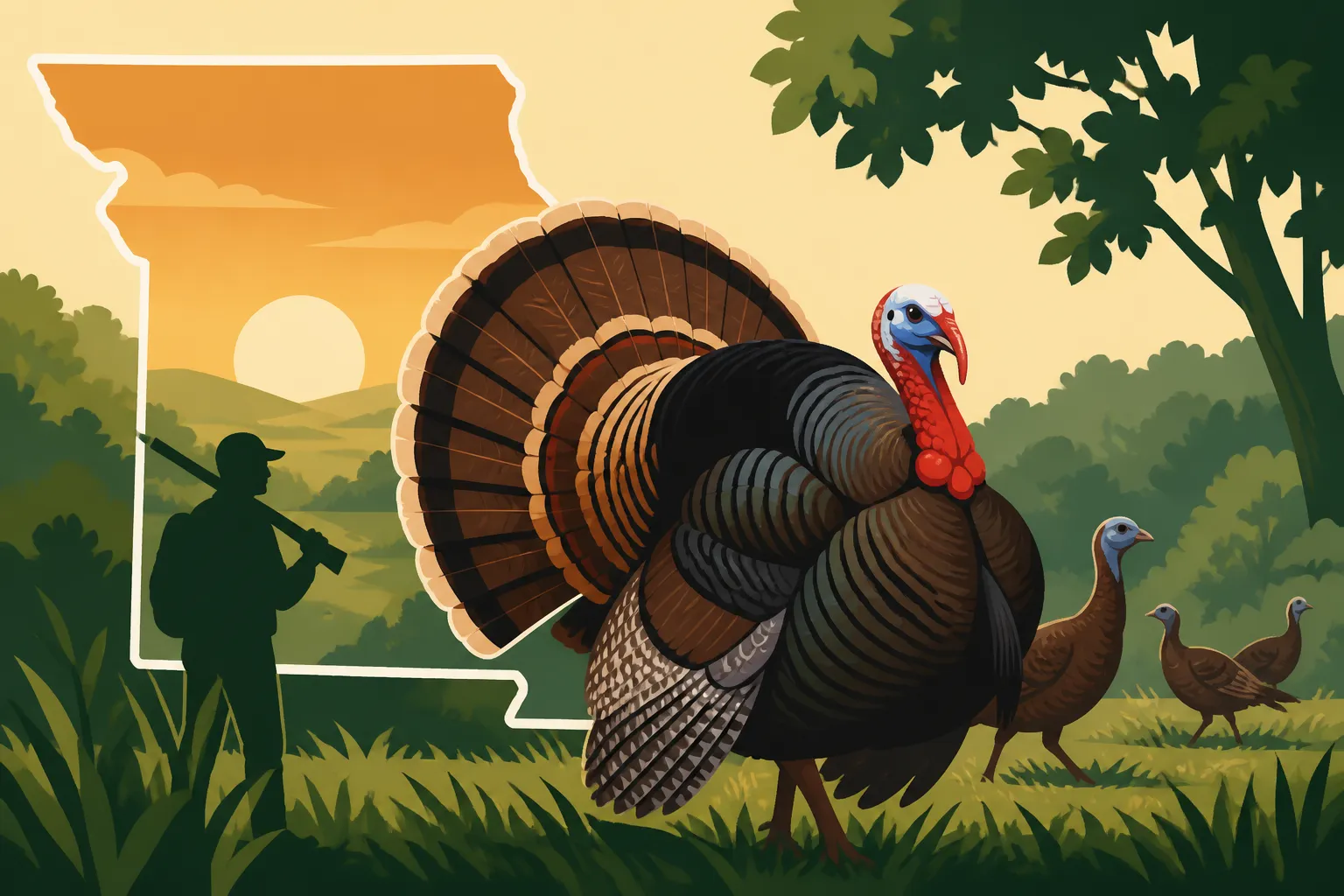
There was a time, not so long ago, when the vibrant gobble of a wild turkey was a rare sound in Missouri's woods, a haunting silence that spoke volumes about what had been lost. For generations of hunters and outdoor enthusiasts, the idea of chasing a spring gobbler or a fall flock was just a dream, a whisper of what the land once offered. This guide aims to take you on a journey through that history, celebrating the incredible comeback of Missouri's wild turkey flock, understanding its current health, and exploring how we can all contribute to its thriving future.
The Near Extinction of Missouri's Wild Turkeys
It's hard to imagine today, with robust turkey populations seemingly everywhere, but Missouri's wild turkey flock was once teetering on the brink of extinction. The forests that once teemed with these magnificent birds had fallen silent, leaving many to believe they were gone for good. This wasn't just a local issue; it was a devastating reality across much of the country.
The Silent Woods: Pre-Restoration Landscape
Imagine walking through Missouri's timber in the early 20th century. While you might have seen deer struggling to recover, the chances of hearing a wild turkey gobble were almost nonexistent. By the 1930s, estimates suggest fewer than 2,500 wild turkeys remained in the entire state, clinging to existence in the most remote, inaccessible pockets of the Ozarks. These scattered remnants were mostly found in deep hollows and vast, untamed timber tracts where human disturbance was minimal. The absence of turkeys left a palpable void in the ecosystem, a missing piece of the wild symphony that characterizes healthy forests. Hunters, even if they had the chance to encounter one, rarely did, and the cultural tradition of spring turkey hunting was all but forgotten.
The landscape itself was changing rapidly, further isolating these last few birds. Logging operations, subsistence farming, and the unchecked conversion of timber to agricultural land chipped away at what little contiguous habitat remained. What few turkeys were left faced immense pressure, their genetic diversity dwindling with each passing year. It was a bleak picture, a stark reminder of how quickly unchecked exploitation and habitat destruction can decimate even the most resilient species. Many folks simply resigned themselves to a future without wild turkeys, a truly heartbreaking prospect for a state so rich in natural heritage.
Causes of the Decline: Habitat Loss and Unregulated Hunting
The reasons behind this dramatic decline are multifaceted, primarily stemming from two major factors: rampant habitat destruction and unregulated hunting pressure. As European settlers expanded westward, forests were cleared for agriculture, timber, and fuel. Missouri's vast hardwood timber, crucial for turkey roosting, nesting, and foraging, was felled at an alarming rate. Turkeys are highly dependent on mature forests with a diverse understory, and as this habitat disappeared, so did their numbers. They needed large, unfragmented tracts of woods where they could find acorns, insects, and protective cover. When these areas became checkerboards of fields and small woodlots, the turkeys couldn't thrive.
Compounding the issue was unregulated market hunting and subsistence hunting, which put immense pressure on the remaining birds. Before modern conservation laws and agencies, there were no bag limits, no seasons, and no effective enforcement to protect wildlife. Turkeys, being large and relatively easy to spot on roosts or in open areas, were particularly vulnerable. They were a food source, and in tough times, any available game was pursued relentlessly. The combination of losing their homes and being hunted year-round without reprieve created a perfect storm that pushed these incredible birds to the edge. It took a monumental shift in public awareness and a dedicated conservation effort to pull them back from that precipice.
A Triumph of Conservation: The Restoration Effort
The story of Missouri's wild turkey restoration is one of the greatest conservation successes in North American history. It's a testament to what dedicated individuals, sound scientific management, and hunter-funded initiatives can achieve. From those meager numbers in the 1930s, Missouri now boasts one of the healthiest turkey populations in the nation, providing incredible hunting opportunities and a thriving ecosystem.
Trapping and Relocation: The Game Changer
The Missouri Department of Conservation (MDC) realized that simply protecting the few remaining turkeys wasn't enough. They needed to actively restore populations, and the key to this was a revolutionary technique called "trap-and-transfer." Beginning in the late 1950s and extending through the 1980s, MDC biologists used cannon nets to capture wild turkeys from strong, isolated populations, primarily within the Ozarks. These trapped birds, robust and genetically diverse, were then carefully relocated to suitable habitats across the state where turkeys had been extirpated. This strategic approach was crucial, as merely releasing pen-raised birds had proven largely ineffective in previous attempts.
The process was meticulous. Birds were captured, carefully handled, and then transported, often by truck or even small plane, to release sites chosen for their excellent habitat potential. It wasn't always easy; capturing wild turkeys is a challenging endeavor, and the logistics of moving them across the state required significant planning and effort. However, the results were astounding. These relocated birds adapted to their new environments, established breeding populations, and began to flourish. This incredible feat of reintroduction dramatically expanded the turkey's range. If you're interested in the specifics, the article How Missouri Restored Turkeys From 2,500 Birds details this groundbreaking work, and another, Where Missouri's Restoration Birds Came From, sheds light on the origins of these foundational flocks. It was a true game-changer, proving that with the right methods, wildlife populations can indeed be brought back from the brink.
Hunter Funding and MDC's Role
This ambitious restoration wouldn't have been possible without the unwavering support of Missouri's hunters. For decades, a significant portion of hunting permit fees, along with federal excise taxes on hunting equipment (Pittman-Robertson Act funds), has directly fueled wildlife management and habitat conservation efforts across the state. These funds provided the financial backbone for the trap-and-transfer program, as well as for ongoing habitat improvement projects. Hunters, through their financial contributions and their passion for the outdoors, demonstrated a profound commitment to the future of wildlife, not just for themselves but for all Missourians.
The Missouri Department of Conservation played an absolutely vital role in orchestrating this comeback. Their dedicated staff, from biologists and conservation agents to land managers and educators, implemented the scientific strategies that guided the restoration. They identified suitable release sites, monitored newly established populations, and developed regulations that allowed the turkey population to rebound while still providing hunting opportunities. MDC's long-term vision and commitment to science-based management were instrumental in turning a handful of scattered birds into the thriving flocks we enjoy today. Their efforts transformed Missouri into a national leader in wild turkey conservation, setting a benchmark for other states to follow.
Habitat Management Initiatives
While trap-and-transfer provided the initial spark, sustained habitat management was and remains the fuel for Missouri's turkey success. Turkeys thrive in a mosaic of mature timber, open woodlands, scattered fields, and dense cover. MDC, often in partnership with private landowners and other conservation groups, has actively managed public and private lands to create and enhance this ideal habitat. This includes timber stand improvement projects, prescribed burns to thin underbrush and promote new growth, and the creation of food plots or native grassland buffers adjacent to woodlands.
For example, maintaining healthy oak and hickory stands is critical for fall and winter food sources, providing essential mast crops like acorns. Creating or restoring glades and savannas opens up the forest floor, allowing sunlight to reach the ground and promoting a diverse array of insects and native grasses crucial for poult survival. Managing early successional habitat provides nesting cover and brood-rearing areas where young turkeys can find insects and hide from predators. Organizations like the National Wild Turkey Federation (NWTF) have also been key partners, providing grants, volunteer labor, and expertise to landowners looking to improve turkey habitat on their own properties. These ongoing efforts ensure that turkeys have the resources they need year-round, contributing significantly to the overall health and resilience of the state's wild turkey flock.
Understanding Missouri's Turkey Population Today
Today, Missouri's wild turkey population is a true success story, with birds thriving in nearly every county. Understanding the current status, the specific subspecies we share our woods with, and how biologists track their health gives us a clearer picture of this vibrant resource.
Eastern Wild Turkeys: Missouri's Dominant Bird
When you're out in the Missouri woods and hear that distinctive gobble, you're almost certainly listening to an Eastern wild turkey (Meleagris gallopavo silvestris). These are the native subspecies to our region, known for their iridescent bronze and copper plumage, rich colors, and robust size. They are perfectly adapted to the varied landscapes of Missouri, from the rugged Ozark Hills to the rolling farmlands of northern Missouri and the bottomland hardwood forests along our major rivers. Their diet is incredibly varied, consuming everything from acorns, wild grapes, and various seeds to insects like grasshoppers and beetles, which are particularly important for growing poults.
Eastern wild turkeys are also known for their keen senses and wary nature, making them a challenging and rewarding quarry for hunters. Their habitat preferences reflect Missouri's diverse ecosystems; they need mature timber for roosting, often preferring large, limbed-out trees, as well as openings for feeding and nesting. While other subspecies like the Rio Grande or Merriam's turkeys exist in different parts of the country, the Eastern is the king here in Missouri, embodying the wild spirit of our state's forests and fields. Their successful re-establishment is a point of immense pride for conservationists and hunters alike.
Population Estimates and Trends
It's natural to wonder, just how many wild turkeys are strutting around Missouri these days? While exact numbers are always estimates, the Missouri Department of Conservation (MDC) uses various surveys and models to track the population. Following the incredible restoration efforts, turkey numbers boomed through the late 20th century, reaching peak levels that provided abundant hunting opportunities. The article Missouri Turkey Population Estimate offers a deeper dive into these figures. In recent years, like many states in the Midwest and Southeast, Missouri has experienced a slight, though noticeable, decline in overall turkey numbers. This isn't necessarily a cause for alarm, but it is certainly something conservation agencies are closely monitoring.
Several factors are thought to contribute to these fluctuations, including changes in habitat quality, predator populations, and weather patterns during critical nesting and brooding periods. MDC relies on consistent data collection, including hunter harvest reports and surveys like the annual brood survey, to gauge population health. These trends inform management decisions, ensuring that seasons and bag limits are set responsibly to maintain a healthy and sustainable flock for future generations. While we may not have the absolute peak numbers of two decades ago, Missouri still supports a robust and widely distributed turkey population that is the envy of many other states.
Poult-to-Hen Ratios and Their Importance
One of the most critical metrics used by wildlife biologists to assess the health and future trajectory of a wild turkey population is the "poult-to-hen ratio." This simple ratio tells us, on average, how many poults (young turkeys) survive to a certain age per hen. A high poult-to-hen ratio indicates good reproductive success and poult survival, suggesting a growing or stable population. Conversely, a low ratio can signal potential issues with nesting success, brood-rearing habitat, or high poult mortality. If you're really into the science of it, checking out Poult-to-Hen Ratios and What They Mean will give you a detailed breakdown.
The MDC actively conducts summer brood surveys, often relying on volunteer observations from landowners and hunters, to collect this vital data. Participants report the number of hens and poults they observe, giving biologists a snapshot of annual reproductive success. Factors like severe spring weather, particularly cold, wet conditions during the hatching period, and intense predator pressure can significantly impact poult survival. These ratios are essential for informing management decisions, helping the MDC understand if the population is replacing itself adequately or if adjustments to hunting seasons or habitat work might be needed to support better recruitment. It's a key indicator for ensuring the long-term health of our cherished turkey flocks.
Factors Influencing Turkey Health and Numbers
While Missouri's turkey restoration is a resounding success, wild turkey populations are dynamic and constantly influenced by a variety of environmental factors. Understanding these elements helps us appreciate the delicate balance of nature and highlights the ongoing need for thoughtful conservation.
Nest Predation and Brood Survival
One of the most significant challenges for wild turkeys, especially during the crucial nesting and early brood-rearing phases, is predation. Turkey nests, often shallow depressions on the ground, are vulnerable to a wide array of predators. Raccoons, opossums, skunks, snakes, and even coyotes regularly raid nests, destroying eggs. Once poults hatch, they face a gauntlet of threats from raptors like hawks and owls, as well as mammalian predators. This relentless pressure means that very few poults survive to adulthood, and a hen's efforts to raise a brood are often fraught with danger. The struggle is very real, and if you want to understand it deeper, the article Nest Predation and Turkey Hatches is an excellent resource.
The quality and availability of nesting and brood-rearing habitat play a huge role in mitigating these predation risks. Hens that can find dense, camouflaged cover for nesting have a better chance of avoiding detection. Similarly, areas with rich insect populations and good escape cover for poults increase their chances of survival. When habitat becomes fragmented or degraded, turkeys are forced into less secure areas, making them more susceptible to predators. This is why ongoing habitat management efforts, focusing on creating diverse cover and food sources, are so crucial for ensuring strong recruitment into the turkey population.
Weather Patterns: From Hatch to Harvest
Mother Nature plays an undeniable and often unpredictable role in the annual success of Missouri's turkey flock. Weather patterns, especially during the critical nesting and brooding periods in spring and early summer, can have a profound impact on poult survival. Cold, wet springs are particularly detrimental. Young poults, especially within their first few weeks of life, are highly susceptible to hypothermia. If they get too wet and can't dry out quickly, they can perish. Heavy, persistent rains can also flood nests or make it difficult for hens to effectively brood their poults. For more detail on this, check out Weather in the Weeks After the Hatch.
Conversely, warm, dry springs generally lead to higher poult survival rates, allowing hens to move their broods more freely, and young birds to thrive on an abundance of insects. Beyond the spring, severe summer droughts can impact food availability, especially if they stress acorn-producing trees, affecting fall and winter foraging. And while less impactful on survival, extremely cold winters can put stress on turkeys, forcing them to expend more energy to stay warm. Hunters also know that weather affects their success, with bright, calm spring mornings often leading to more active gobblers, while sustained rain can make birds go quiet. Understanding these weather-related challenges is key to comprehending the natural fluctuations in turkey populations year to year.
Habitat Quality and Fragmentation
Even with successful trap-and-transfer programs, the long-term health of Missouri's wild turkey flock hinges on robust and contiguous habitat. Turkeys need large blocks of diverse habitat to fulfill all their life cycle needs. This includes mature timber for roosting, nesting cover in dense undergrowth or native grasslands, and foraging areas that provide a mix of insects, seeds, and mast crops. When habitat becomes fragmented – broken up into smaller, isolated patches by development, roads, or extensive agriculture – it creates significant challenges for turkeys.
Fragmented habitat often leads to increased edge effect, which can intensify predator pressure as predators have easier access to nests and poults along habitat boundaries. It also limits the ability of turkeys to disperse and find new territories, reducing genetic diversity and increasing vulnerability to local disturbances. The conversion of forest to row crops, for instance, removes critical forested corridors and nesting cover, forcing turkeys into smaller, less productive areas. Conservation efforts must therefore focus not only on restoring habitat but also on connecting existing patches and preventing further fragmentation, ensuring that turkeys have the expansive, diverse landscapes they need to thrive well into the future.
Hunting the Restored Flock: Seasons, Limits, and Opportunities
For many, the ultimate celebration of Missouri's wild turkey restoration is the opportunity to pursue these magnificent birds in their natural habitat. Missouri offers some fantastic hunting opportunities, drawing both resident and non-resident hunters to its diverse landscapes.
Missouri Spring Turkey Season Structure
Missouri's spring turkey season is a highly anticipated event, a true rite of passage for many hunters. The season is carefully structured to maximize opportunity while ensuring the long-term health of the flock. It typically opens with a two-day youth-only weekend in early April, giving young hunters a chance to experience the woods with less pressure. This is a fantastic initiative to bring new blood into our hunting traditions. Following the youth portion, the regular firearms season for adults usually kicks off in mid-April and runs for three weeks, typically through early May. This timing is chosen to coincide with the peak of gobbling activity and breeding, allowing hunters to target adult gobblers after much of the breeding has occurred, minimizing impact on reproductive success. If you're planning your spring hunts, make sure you know your Missouri Spring Turkey Season Structure.
During the regular season, hunters are generally permitted to harvest two bearded turkeys. However, there are specific rules: only one turkey may be taken during the first week of the season, and hunters must harvest only one turkey per day. This staggered approach helps distribute hunting pressure and prolongs the season. Archery hunters also have extensive opportunities, with their season often opening earlier and extending longer, sometimes running concurrently with deer archery seasons. Regardless of your chosen method, checking the MDC's current regulations each year is crucial, as dates and rules can occasionally be adjusted based on population data and management needs.
Fall Turkey Hunting Opportunities
While spring gobbler hunting gets most of the fanfare, Missouri also offers a challenging and rewarding fall turkey season. Fall hunting is a completely different ballgame; it's less about calling in a booming gobbler and more about locating flocks, breaking them up, and then calling individual birds back together. This often involves more walking and relies heavily on scouting to find active flocks in areas with abundant food sources like acorns. The fall season typically includes both firearms and archery options, with dates often overlapping with other small game or deer seasons. You can read more about it in Missouri Fall Turkey Seasons.
The bag limit for the fall season is usually two turkeys of either sex, which means hunters can take hens as well as gobblers. However, just like spring, daily limits and possession limits apply. The fall season is a fantastic opportunity to fill the freezer and enjoy the cooler weather and vibrant foliage of autumn in Missouri's woods. Many hunters find it to be a more social affair, often involving small groups working together to locate and scatter flocks. It's a testament to the robust health of Missouri's turkey population that we can sustain both spring and fall hunting opportunities, a clear indicator of the success of the restoration efforts.
Understanding Bag Limits and Telecheck
Successfully hunting a wild turkey in Missouri involves more than just bringing a bird to the ground; it also means adhering to state regulations regarding bag limits and the mandatory Telecheck system. In the spring, the standard limit is two bearded turkeys per hunter, with specific daily and weekly restrictions. For example, you can only take one bird during the first week of the season, and never more than one per day. For the fall, the limit is typically two turkeys of either sex. These limits are carefully determined by the Missouri Department of Conservation (MDC) biologists, based on population data, poult-to-hen ratios, and overall flock health, to ensure sustainable harvesting.
Once a turkey is harvested, it's a legal requirement to notch the permit immediately after harvest and then Telecheck the bird by 10 p.m. on the day of harvest. This can be done online through the MDC website or via a phone call. The Telecheck system collects crucial data, including the county of harvest, date, and sex of the bird. This information is invaluable for biologists, allowing them to track harvest trends, monitor population distribution, and make informed management decisions for future seasons. Failing to Telecheck a turkey is a serious violation, so make sure you understand the Telecheck Requirements After a Harvest and always follow the rules to contribute to responsible conservation.
Challenges and Future of Missouri's Turkeys
While Missouri's wild turkey story is largely one of triumph, the journey doesn't end with restoration. The future health and abundance of our turkey flocks face ongoing challenges, requiring continuous vigilance and proactive management.
Disease Concerns: Avian Flu and Blackhead
Like all wildlife populations, Missouri's wild turkeys are susceptible to various diseases, which pose potential threats to their long-term health. Avian influenza, commonly known as bird flu, is a persistent concern, particularly highly pathogenic strains that can cause widespread mortality in domestic and wild bird populations. While turkeys can contract the virus, large-scale die-offs in wild turkey flocks from avian flu have been less common than in some waterfowl species, but it remains something biologists monitor closely. Any reports of sick or dead birds should be promptly reported to the MDC.
Another historical and sometimes recurring threat is blackhead disease, or histomoniasis. This parasitic disease is transmitted through a cecal worm found in pheasants and chickens, which wild turkeys can pick up. It can cause significant mortality in turkeys, particularly younger birds. While it's not currently causing widespread issues, it's a reminder of the complex web of wildlife health. Continuous monitoring, research into disease ecology, and appropriate management responses are essential to minimizing the impact of these and other potential diseases on Missouri's cherished turkey population.
Managing Habitat for Long-Term Success
The initial reintroduction of wild turkeys was a monumental task, but maintaining a robust population relies heavily on ongoing, adaptive habitat management. The forests and fields of Missouri are not static; they are constantly changing due to natural processes, human activity, and successional growth. For turkeys to thrive, land managers and landowners must actively work to ensure a diverse mosaic of habitats remains available. This means strategic timber management, including prescribed fires to create open understories and promote herbaceous growth, which is vital for insects and nesting cover. It also involves identifying and protecting critical brooding areas where hens can raise their poults with ample food and protection.
Furthermore, integrating turkey-friendly practices on private lands, such as maintaining brushy fencerows, establishing native perennial vegetation buffers around crop fields, and planting diverse food plots, can significantly benefit local turkey populations. Groups like the National Wild Turkey Federation (NWTF) continue to work with landowners, providing resources and expertise for habitat improvement. The goal is to create resilient landscapes that can support turkeys through various challenges, from fluctuating weather patterns to disease threats. It's a continuous, dynamic process, ensuring that the legacy of Missouri's restored wild turkey flock endures for generations to come.
The Role of Hunters in Ongoing Conservation
Missouri hunters have always been, and continue to be, absolutely indispensable to the success of wildlife conservation in the state. From their financial contributions through license and permit fees, which directly fund the Missouri Department of Conservation's (MDC) work, to their boots-on-the-ground efforts, hunters are the backbone of this success. Every turkey permit purchased, every piece of hunting equipment bought, contributes to the funding that supports critical research, habitat restoration, law enforcement, and educational programs. Without this hunter-generated revenue, the MDC's ability to manage wildlife, including wild turkeys, would be severely hampered.
Beyond the financial aspect, hunters are vital eyes and ears in the field. They report observations of sick animals, provide valuable data through the Telecheck system, and often participate in surveys like the summer brood survey, which helps biologists track poult-to-hen ratios. Many hunters are also active land stewards, working to improve habitat on their own properties or volunteering for conservation projects on public lands. Their passion for the resource drives a commitment to ethical hunting practices and a desire to ensure that robust wild turkey populations exist for their children and grandchildren. This partnership between hunters and the MDC is a cornerstone of Missouri's conservation ethic, demonstrating that responsible hunting is, in fact, conservation in action. If you use a tool like GoHunt for planning, you're tapping into a rich tradition of hunter-led efforts to secure the future of our game species.
Best Practices for Ethical and Successful Turkey Hunting
Turkey hunting, particularly in the spring, is one of the most exciting and engaging forms of hunting. It's a chess match with a wily bird, a test of patience, woodsmanship, and calling ability. To ensure a rewarding and ethical experience, here are some best practices for chasing Missouri's wild turkeys.
Scouting and Locator Calls
Success in turkey hunting, especially for those challenging spring gobblers, often boils down to preparation. Effective scouting is paramount. This means getting out into the woods before the season opens to locate roosting areas, strutting zones, and preferred feeding spots. Look for tracks, droppings, scratch marks in the leaves, and dusting bowls. Pay attention to terrain features like ridge lines, creek bottoms, and field edges where turkeys are likely to travel. A great tool for this, especially on public land, is an app like GoHunt, which can help you identify property lines, terrain, and potential access points, saving you valuable time.
Locator calls are another critical scouting tool. Before daylight, or at dusk, use calls that mimic natural sounds that turkeys might react to, such as an owl hoot, crow call, or coyote howl. Turkeys, especially gobblers, will often gobble back at these sounds, revealing their location, particularly while still on the roost. This allows you to plan your morning setup, knowing where a bird is likely to pitch down. Remember, the goal of scouting and locator calls isn't to over-pressurize birds, but to gather enough information to make an informed, strategic approach on opening day.
Turkey Tactics for Crop Country Versus Run-and-Gun in the Ozarks
Missouri offers incredibly diverse turkey hunting landscapes, and successful tactics often depend heavily on the type of terrain you're hunting. If you find yourself in the rolling agricultural lands of northern or central Missouri, often referred to as "crop country," your approach might be different than if you're deep in the rugged Run-and-Gun Turkey Tactics in the Missouri Ozarks.
In crop country, turkeys frequently use timbered draws and small woodlots for roosting and cover, but spend a good portion of their day feeding in vast crop fields—whether it's cut corn, bean stubble, or even winter wheat. Here, the challenge is often getting a bird to commit to leaving the open field or coming off the roost to an accessible calling position. Setting up on field edges, using ground blinds that blend into fencerows, and employing decoys can be very effective. Patience is key, as birds might take their time to approach. It can be a very different game compared to hunting the timbered draws and ridges, as detailed in Turkey Tactics for Crop Country.
Conversely, in the steep, timbered hills of the Ozarks, a more mobile, aggressive "run-and-gun" approach often pays dividends. Here, turkeys can be spread out across vast tracts of timber, and getting close to a gobbler often means hiking significant distances. Hunters will move through the woods, stopping to call periodically, trying to strike a gobble. Once a bird is located, the stalk is on, trying to get into a good setup position without being detected. This often involves using terrain to your advantage, slipping silently into a saddle or along a bench to get within calling range. It's physically demanding but incredibly rewarding when you finally get a bird to commit in that vast timber. Understanding the nuances of each environment is essential for consistent success.
Decoy Placement for Pressured Birds
Turkey decoys can be an incredibly effective tool, but their proper placement, especially when hunting pressured birds in Missouri, is critical. A poorly placed decoy can spook a gobbler as easily as it can attract one. When hunting in open areas, like field edges or logging roads, try to place your decoys where approaching gobblers can see them from a distance, but not so far that they hang up out of gun range. Often, a single hen or a jake decoy can be enough. Think about what a real turkey would do: they rarely stand in the wide open without purpose. Angle your decoys so that an incoming gobbler will approach the front of your setup, offering you a clear shot as he struts in. The article Decoy Placement for Pressured Birds offers great insights.
For highly pressured birds, sometimes less is more. An overly elaborate setup with multiple decoys might look unnatural to a gobbler that's seen it all before. Sometimes, just a single, submissive hen decoy, or even no decoy at all, can be the most effective strategy. Pay attention to visibility from the turkey's perspective, trying to eliminate any "dead spots" where a gobbler might hang up and strut just out of sight. Also, consider the safety aspect: ensure your decoys are placed where they won't be mistaken for a real turkey by another hunter, especially if wearing hunter orange in the fall, or even in spring in certain areas if you're moving. Ethical decoy use is about creating a convincing, safe, and effective setup that respects both the bird and other hunters.
Missouri's Turkey Records and Recognition
The incredible success of Missouri's wild turkey restoration is celebrated not only in the booming calls of spring gobblers but also through official recognition of exceptional birds. These records honor the individual turkeys and the hunters who pursue them, showcasing the quality of the state's flocks.
Missouri Wild Turkey Records Program
For those hunters who manage to harvest a truly exceptional gobbler, the Missouri Department of Conservation (MDC) maintains a robust Missouri Wild Turkey Records Program. This program recognizes hunters for taking turkeys that meet certain criteria based on beard length, spur length, and body weight. It's a way to celebrate those once-in-a-lifetime birds and to acknowledge the skill and dedication of the hunters who pursue them. Submitting a bird to the record book involves specific measurements, usually taken by an official scorer, and adherence to program rules.
Beyond individual recognition, the record book provides valuable insights into the health and characteristics of Missouri's turkey population over time. It can highlight areas known for producing larger birds, or demonstrate trends in turkey size and condition. For many hunters, being listed in the record book is a significant achievement, a testament to their passion for turkey hunting and the incredible opportunities that Missouri's restored flocks provide. It also inspires future generations of hunters to get out into the woods and experience the thrill of chasing a Missouri gobbler.
Conservation Milestones and Hunter Contributions
The wild turkey's comeback in Missouri is more than just a hunting success story; it's a monumental conservation milestone. From fewer than 2,500 birds to a statewide population that supports robust hunting seasons and thrives in diverse habitats, it demonstrates what's possible when conservation is prioritized. This achievement is directly attributable to the vision and hard work of the Missouri Department of Conservation and the consistent, passionate contributions of countless hunters. It was hunters who recognized the decline, hunters who advocated for conservation funding, and hunters who continue to support the management efforts through their permit purchases and volunteerism.
This legacy of hunter-funded and hunter-driven conservation extends beyond turkeys to nearly every game species in Missouri. It's a powerful reminder that hunting, when done ethically and in conjunction with scientific management, is an essential tool for wildlife conservation. The vibrant turkey population we enjoy today stands as a living testament to this partnership, ensuring that future generations will continue to experience the thrill of a gobbler echoing through the Missouri timber. It encourages all of us to continue being stewards of the land and advocates for wildlife, so that such successes can be replicated and sustained for all of Missouri's natural treasures.
Disclaimer
Please remember that hunting regulations, season dates, and permit requirements can change. Always consult the most current Missouri Department of Conservation (MDC) regulations before planning any hunting trip. This guide is for informational purposes only and does not constitute legal advice.